


Primary sourceArtifactca. 1347-1330 BCE
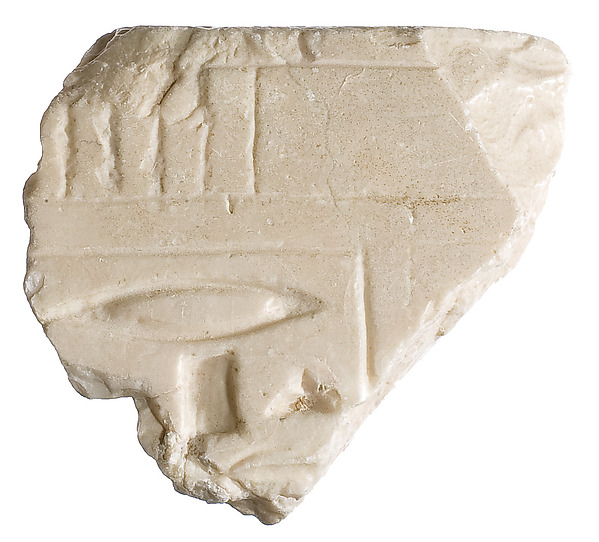
Throne Block with Nefertiti Titulary
ca. 1347-1330 BCE
A limestone block inscribed with Nefertiti's official royal titles, from the Amarna period.
This block preserves part of Nefertiti's official titulary, evidence of her formal royal status.
About this source
What it is
This limestone fragment, likely from a throne, is carved with part of Nefertiti's titulary—her set of official royal names and titles. It dates to the New Kingdom, Amarna Period, during Akhenaten's reign, and is now held at The Metropolitan Museum of Art.
Why it matters
A titulary recorded a ruler's formal identity and status. That Nefertiti had her own titulary carved on royal furniture shows she held a recognized, elevated position at court, not just as a wife but as a figure with formal royal titles of her own.
Look closer
- What might the full titulary have said if the whole block survived?
- Why would royal titles be carved onto a throne specifically?
- What does the worn, broken state of the stone tell you about its long history?
This artifact is part of the curated material that grounds the AI version of Queen Nefereti on Humy.ai — when students ask about related events, the AI can quote it and cite it.
More Queen Nefereti sources
Meet the AI Queen Nefereti →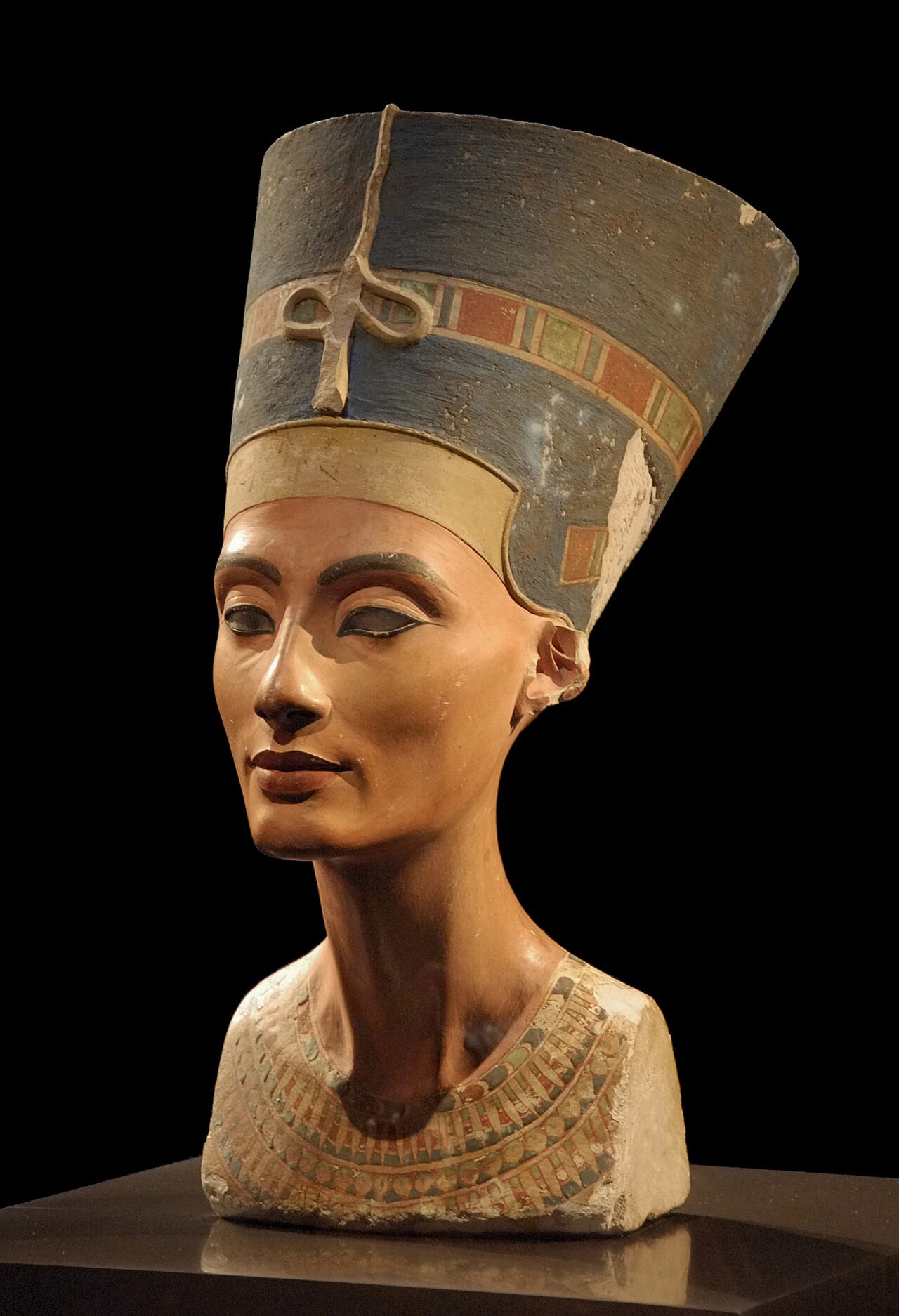 Sculpture
Primary source
Bust of Queen Nefertiti
Thutmose · c. 1345 BC
 Sculpture
Primary source
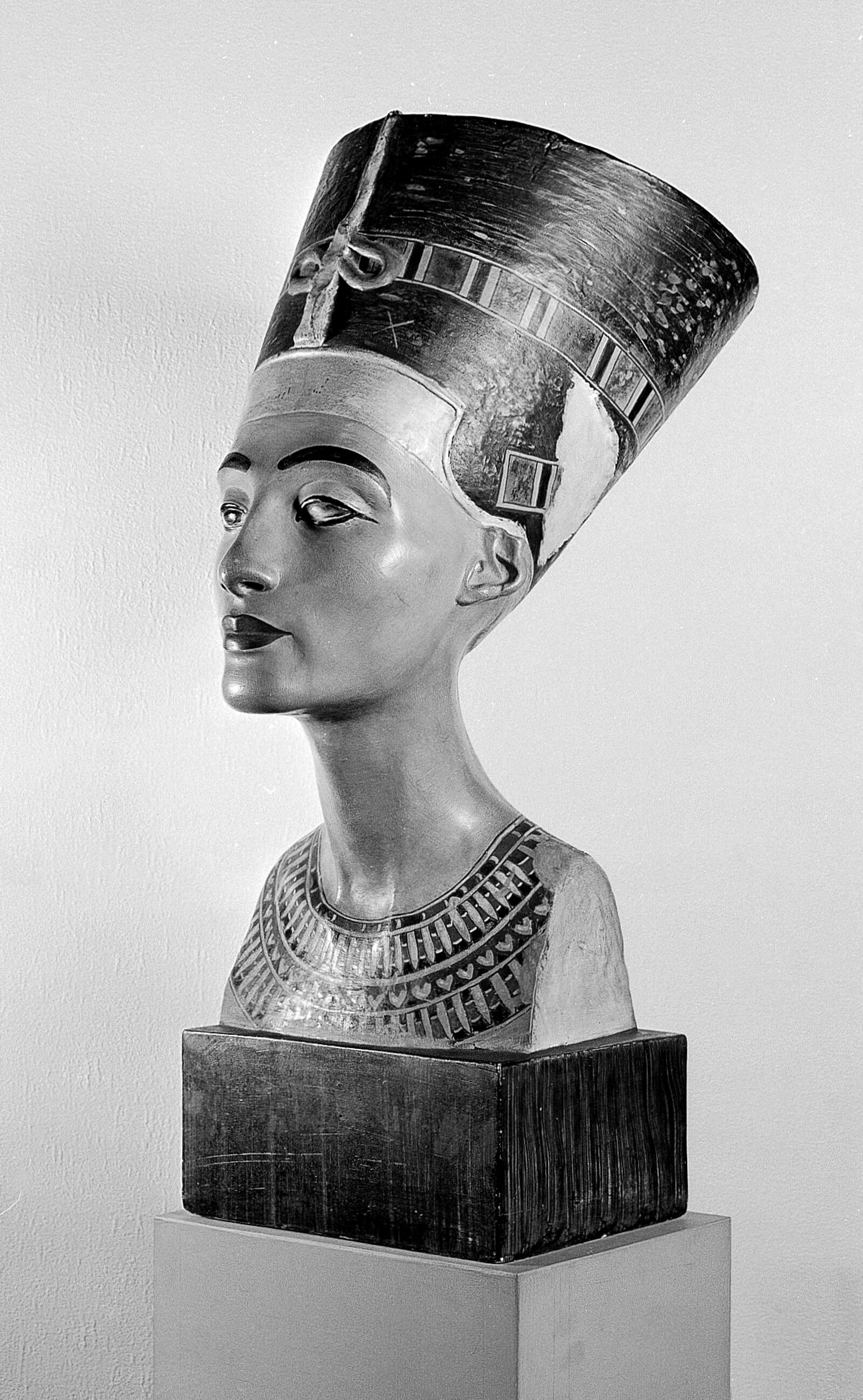
Figure of Nefertiti
 Sculpture
Primary source
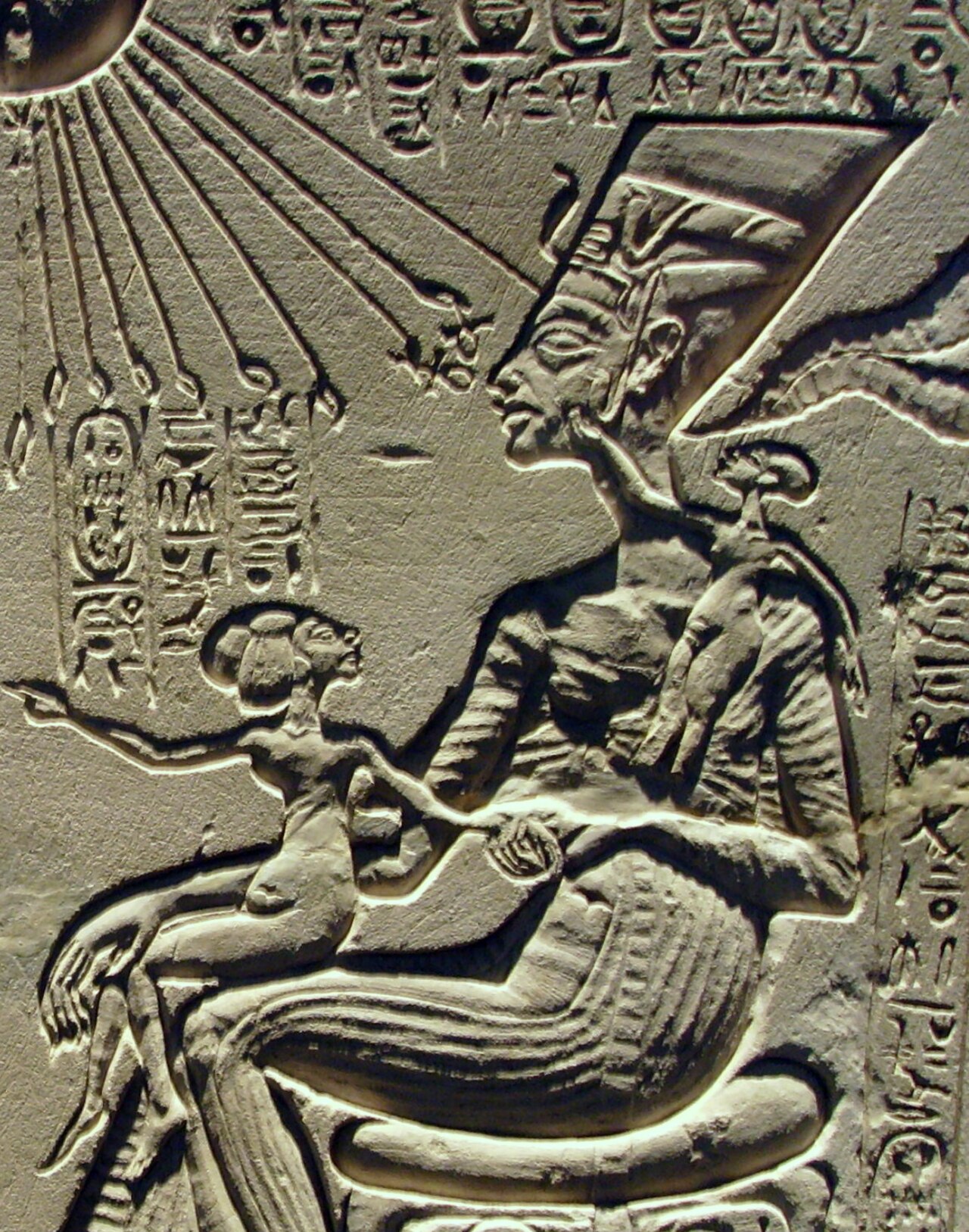
Akhenaten and His Family
c. 1352 BC
 Sculpture
Primary source
Relief Fragment Showing the Blue Crown of Nefertiti
 Document
Primary source
Great Hymn to the Aten
Akhenaten · c. 1350 BC
Ready when you are
Start chatting with Queen Nefereti now.
20 messages free · No credit card · Available in 50+ languages.