


Primary sourceArtifact1690
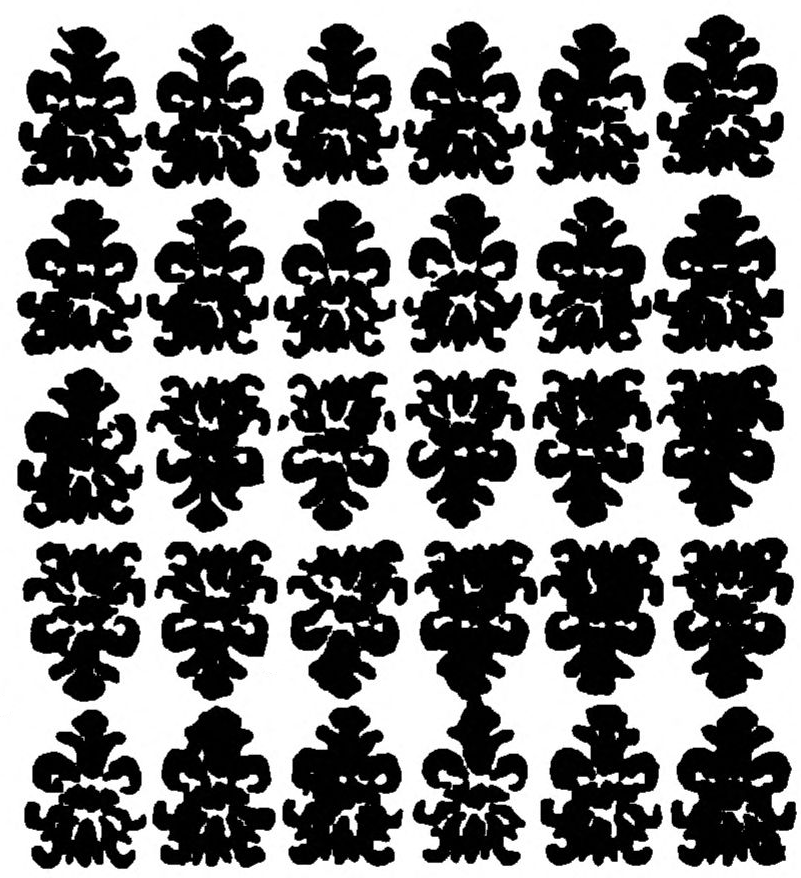
Title Page Decoration, An Essay Concerning Humane Understanding
Unknown artist; printed by Elizabeth Holt · 1690
A decorative engraving of printer's ornaments from the title page of the first edition of Locke's Essay Concerning Humane Understanding, 1690.
This decoration comes from the first printed edition of Locke's own Essay Concerning Humane Understanding.
About this source
What it is
This is a decorative engraving from the title page of the first edition of John Locke's book An Essay Concerning Humane Understanding, published in 1690. It does not show text but a printed design: a grid of thirty small black ornaments arranged in rows, each a symmetrical, florid printer's ornament with scroll-like shapes and fleur-like tops.
Why it matters
This decoration comes from the very first printing of one of the most important philosophical books in English history, written by John Locke and printed with Elizabeth Holt as printer. Such ornaments were a common feature of books of the period, used to decorate title pages and mark sections. Seeing the physical design of the first edition reminds students that books are made objects, shaped by printers and artists as well as authors.
Look closer
- Why might a printer choose decorative ornaments rather than leave blank space on a title page?
- What does this decoration tell you, or not tell you, about the ideas inside Locke's book?
- Who besides Locke contributed to making this book, and what does that tell you about how books were produced in 1690?
This artifact is part of the curated material that grounds the AI version of John Locke on Humy.ai — when students ask about related events, the AI can quote it and cite it.
More John Locke sources
Meet the AI John Locke →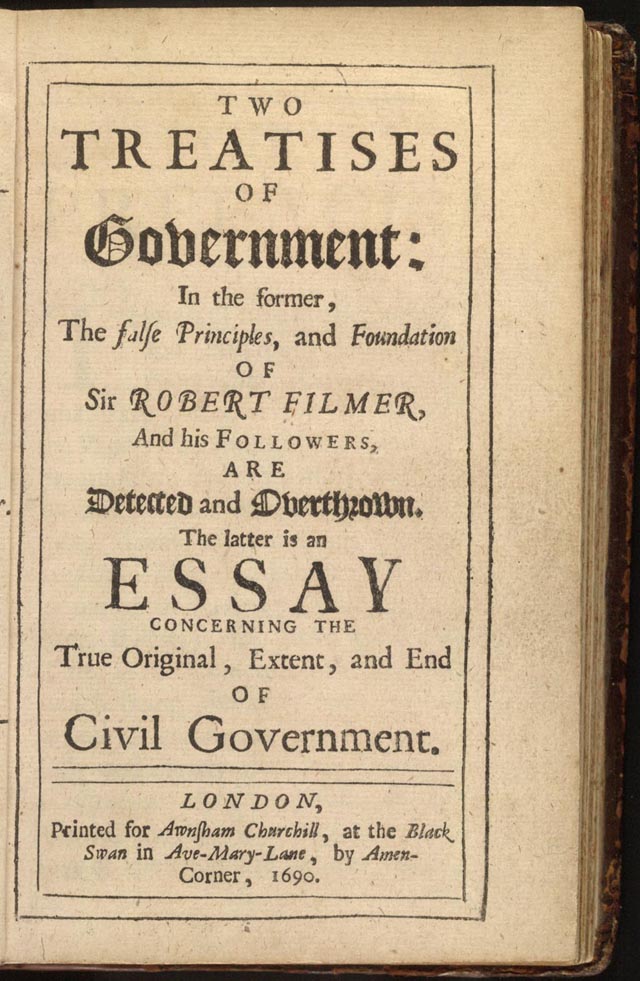 Book
Primary source
Two Treatises of Government
John Locke · 1689 (dated 1690)
 Book
Primary source
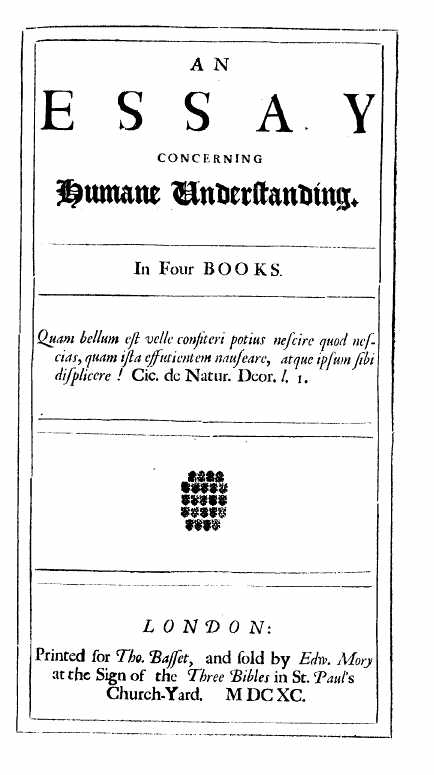
An Essay Concerning Human Understanding
John Locke · 1689 (dated 1690)
 Painting
Secondary source
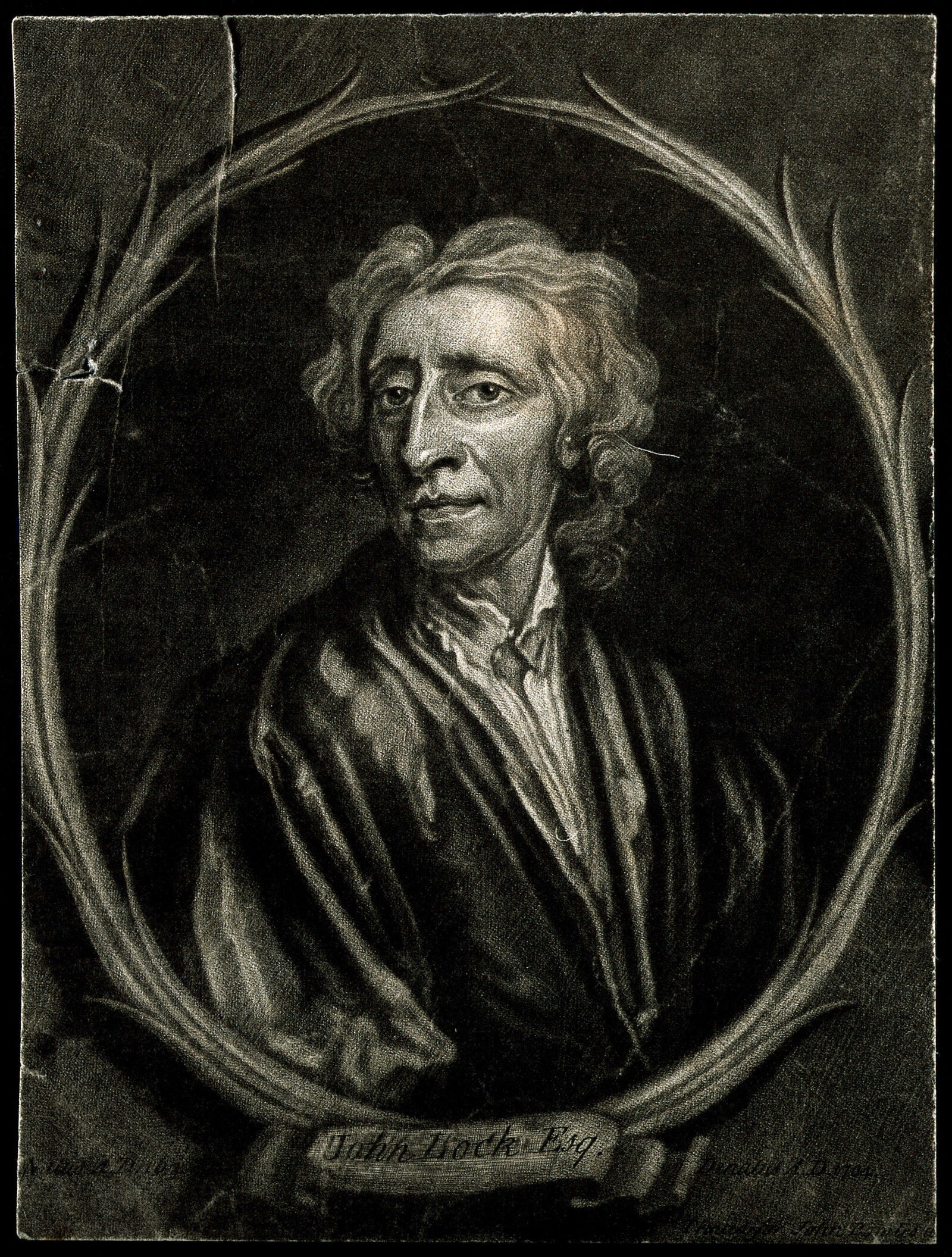
John Locke, Mezzotint after Godfrey Kneller
Godfrey Kneller
 Letter
Primary source
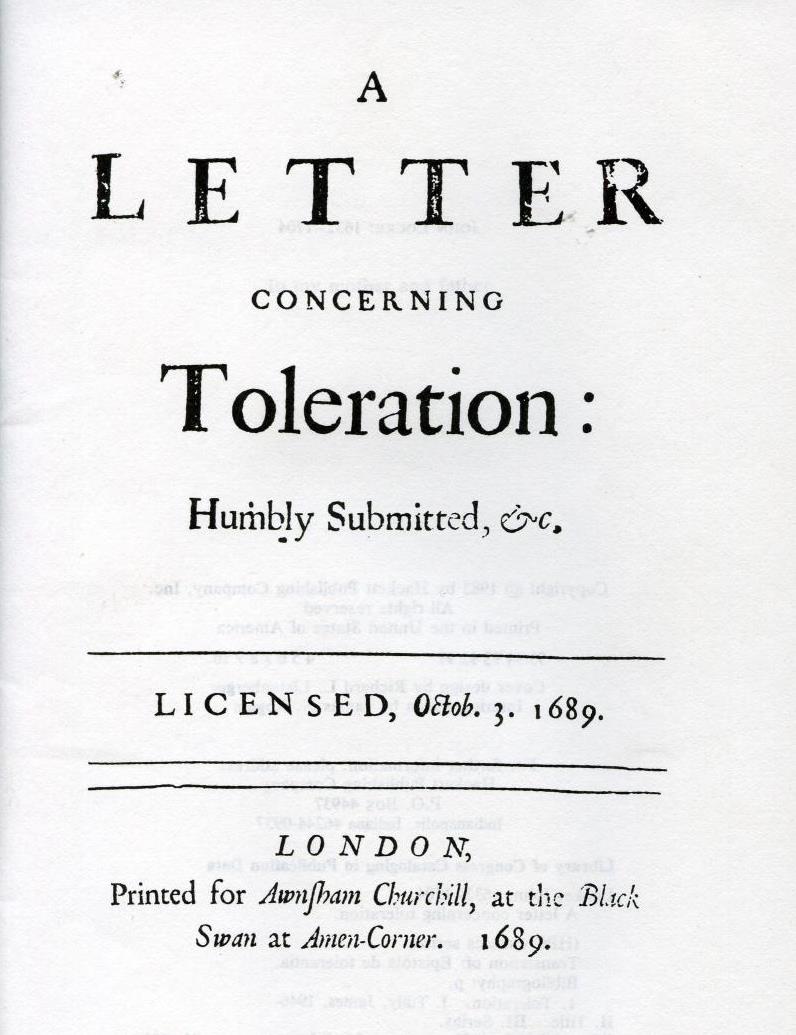
A Letter Concerning Toleration
John Locke · written 1685-1686, published 1689
 Painting
Secondary source
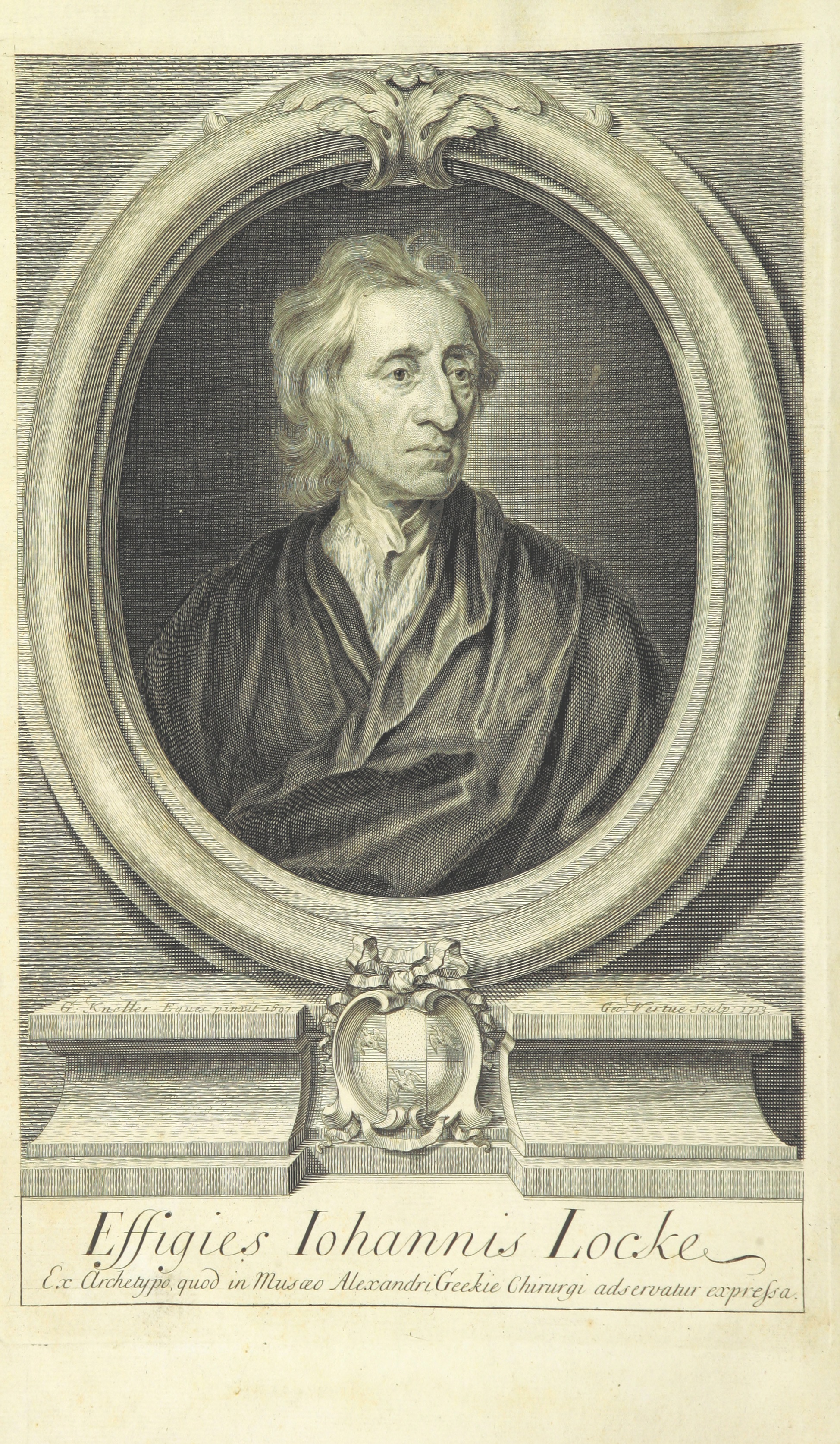
Portrait of John Locke, frontispiece to Works
George Vertue, after Sir Godfrey Kneller · 1722
Ready when you are
Start chatting with John Locke now.
20 messages free · No credit card · Available in 50+ languages.