


Secondary sourcePainting
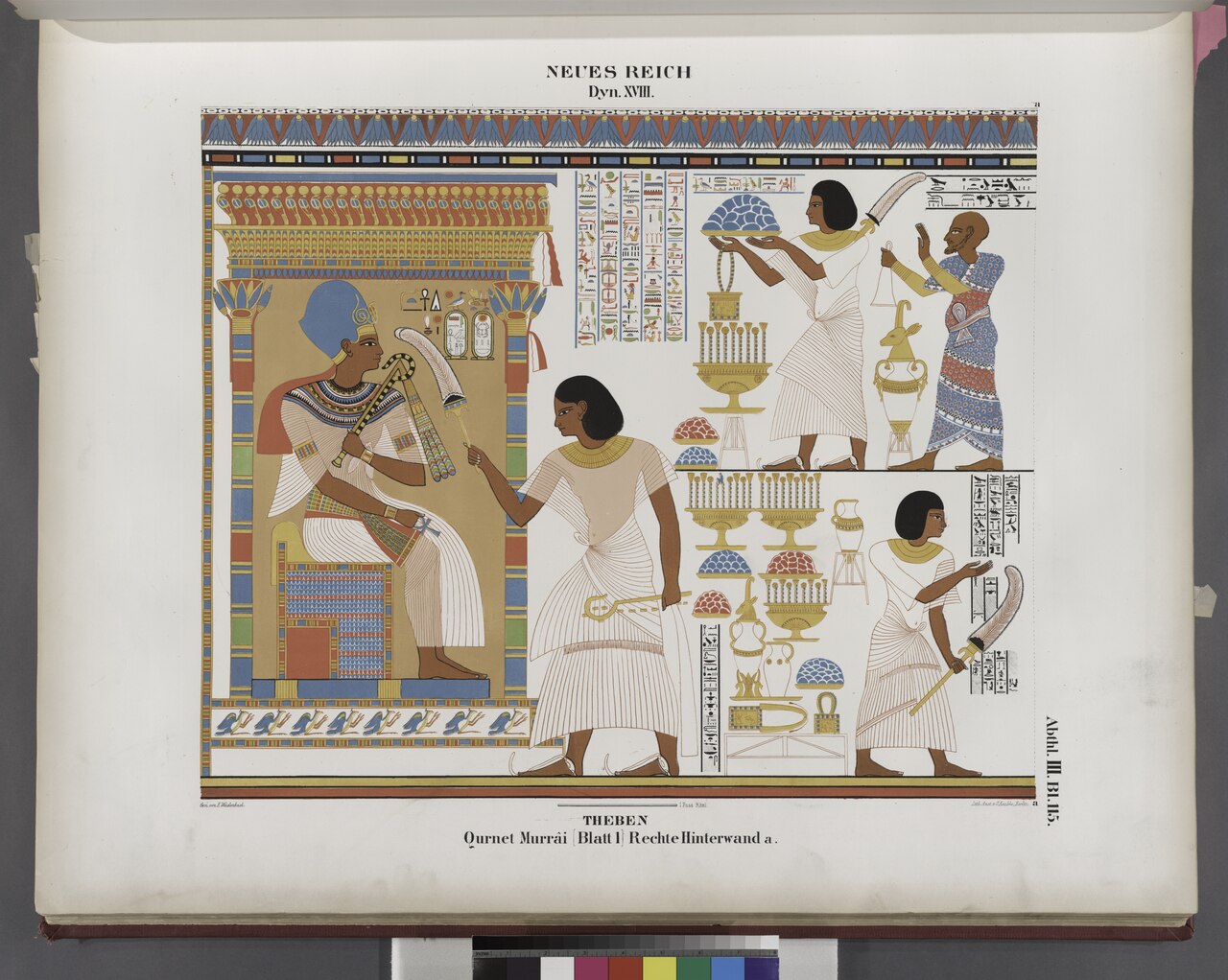
Tomb of Huy Showing Tribute to Tutankhamun
A 19th-century lithographic plate copying a painted scene from the tomb of Huy, Tutankhamun's Viceroy of Kush, showing tribute brought to the enthroned king.
This scene from the tomb of Tutankhamun's Viceroy of Kush shows foreign tribute being brought to the enthroned king.
About this source
What it is
This is a colour lithographic plate from a 19th-century scholarly publication recording ancient Egyptian tomb paintings at Qurnet Murrâi, Thebes. It reproduces a scene from the tomb of Huy showing a seated figure wearing a blue crown receiving offerings, with rows of vessels, bowls, loaves and hieroglyphic columns.
Why it matters
The original tomb painting records Huy, Tutankhamun's Viceroy of Kush, presenting Nubian tribute to the pharaoh. It is one of the few surviving images showing how Tutankhamun's government controlled and displayed its rule over Nubia, a region south of Egypt.
Look closer
- Why might a viceroy want this tribute scene painted in his own tomb rather than the king's?
- What does the arrangement of offerings suggest about what Egypt valued from Nubia?
- This is a copy made centuries later – what might be lost or changed from the original painting?
This painting is part of the curated material that grounds the AI version of Tutankhamun on Humy.ai — when students ask about related events, the AI can quote it and cite it.
More Tutankhamun sources
Meet the AI Tutankhamun →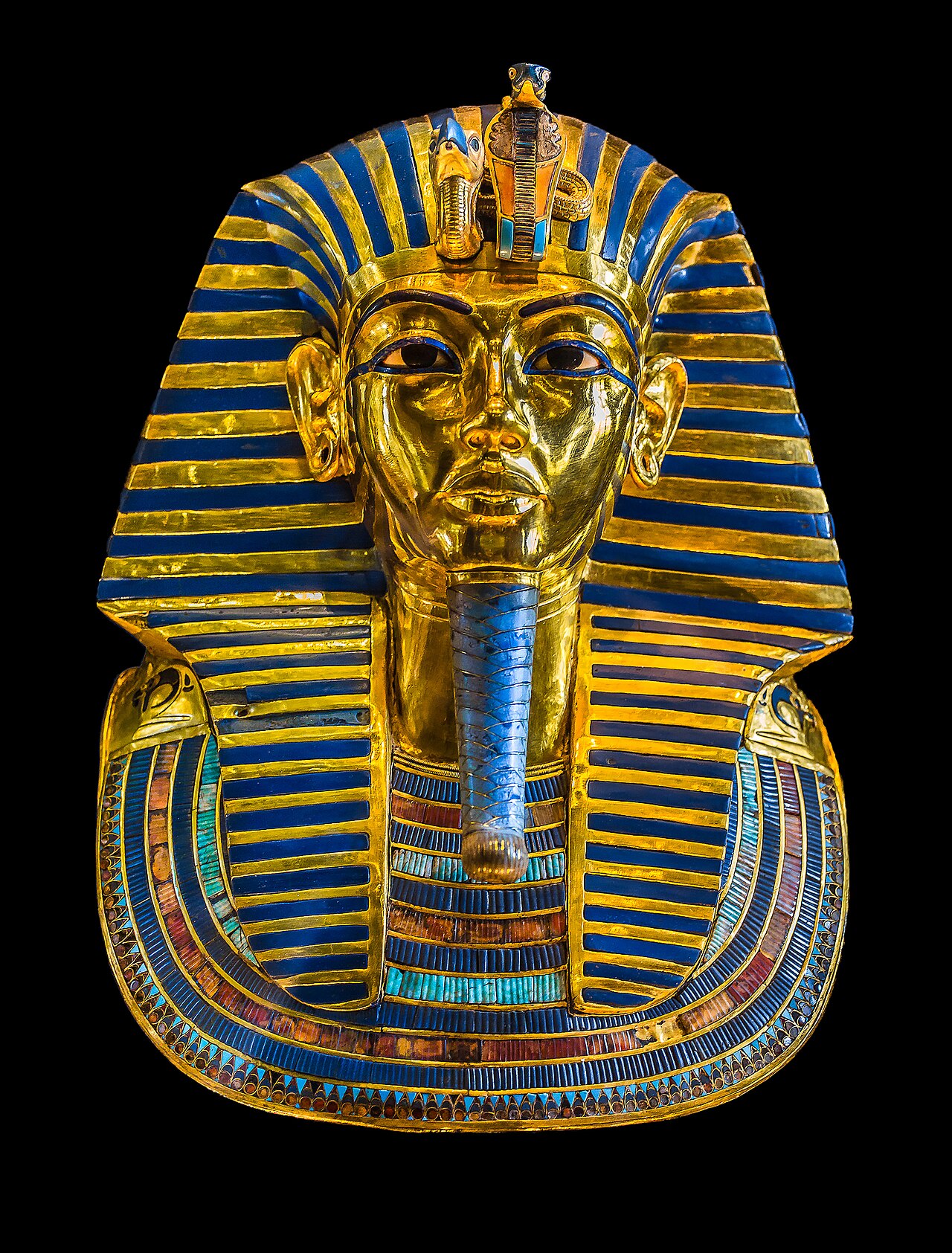 Artifact
Primary source
Mask of Tutankhamun
c. 1333 BCE
 Photograph
Primary source
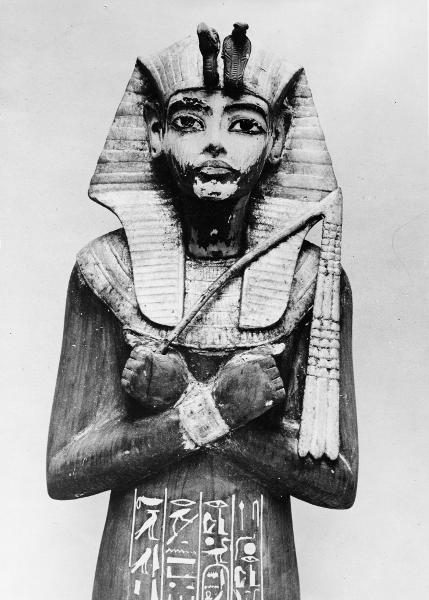
Photograph of Tutankhamun's Shawabti Figure
Harry Burton · 1920s
 Artifact
Primary source
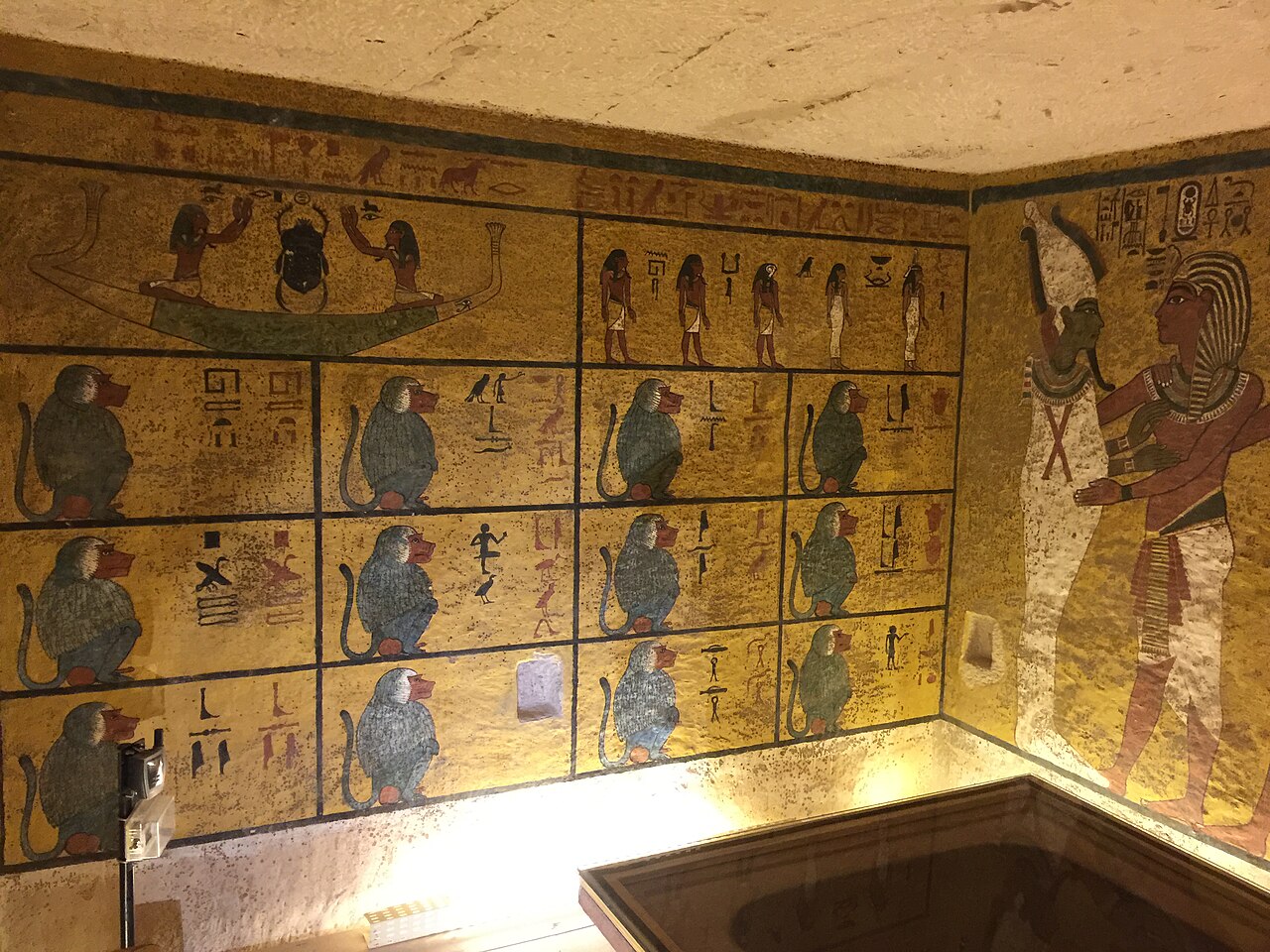
Tomb of Tutankhamun
14th century BCE
 Photograph
Primary source
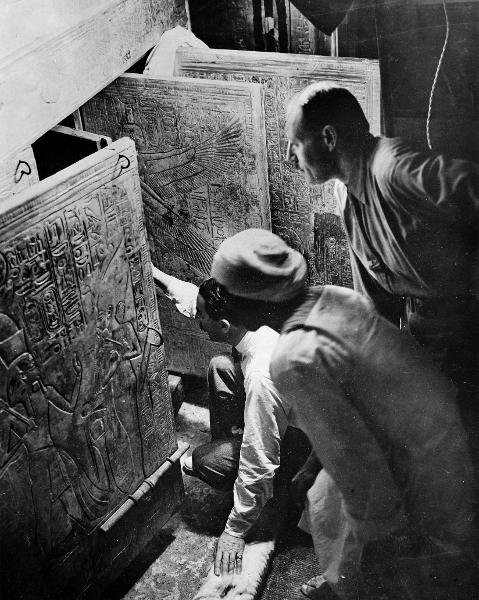
Opening the Doors of the Fourth Shrine in Tutankhamun's Tomb
Harry Burton · 1920s
 Document
Primary source
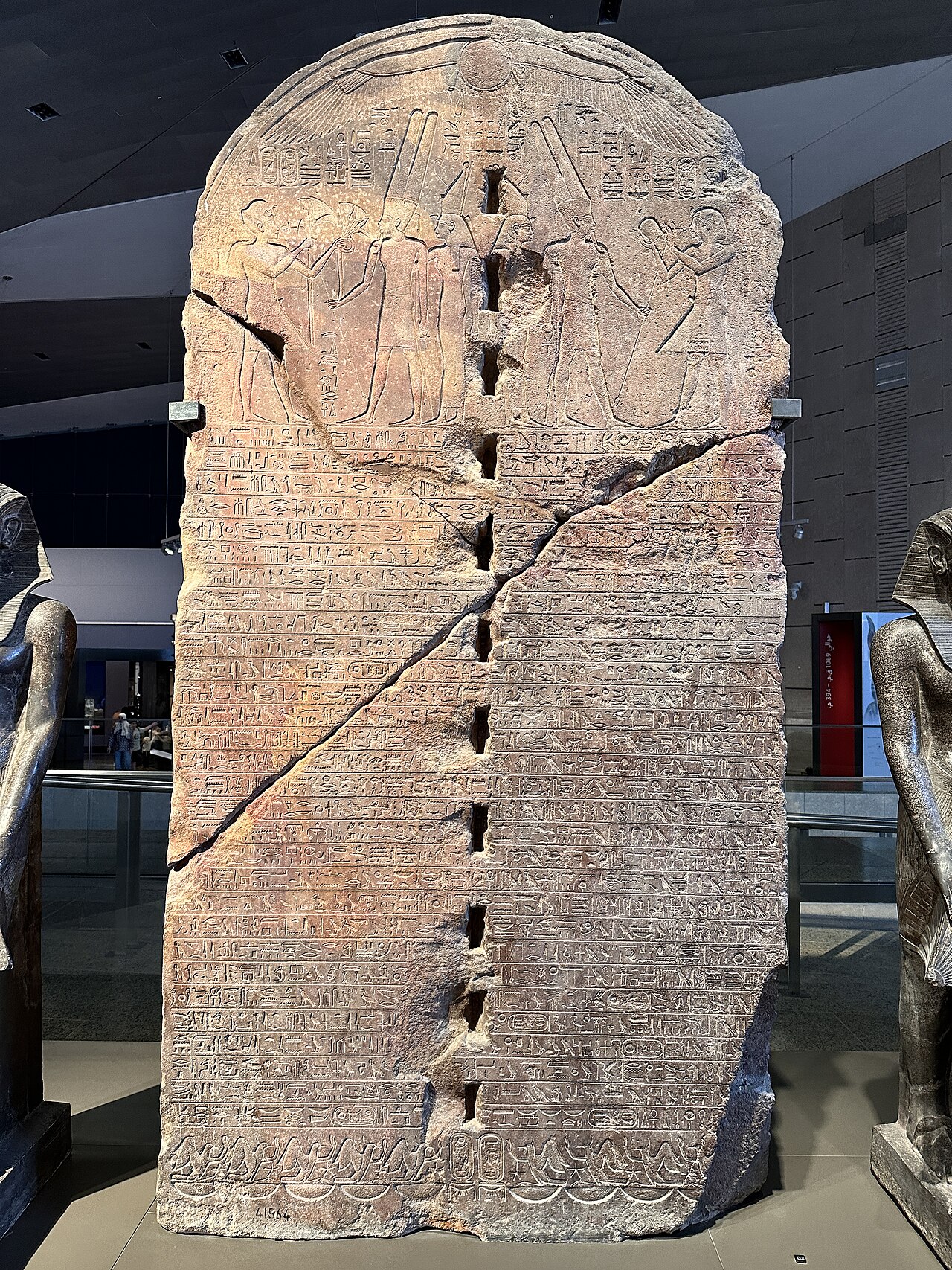
Restoration Stela
Tutankhamun · c. 1326 BCE
Ready when you are
Start chatting with Tutankhamun now.
20 messages free · No credit card · Available in 50+ languages.