


Primary sourceArtifactc. 1340 BCE
Tomb of Mahu at Amarna
Workshop of Mahu · c. 1340 BCE
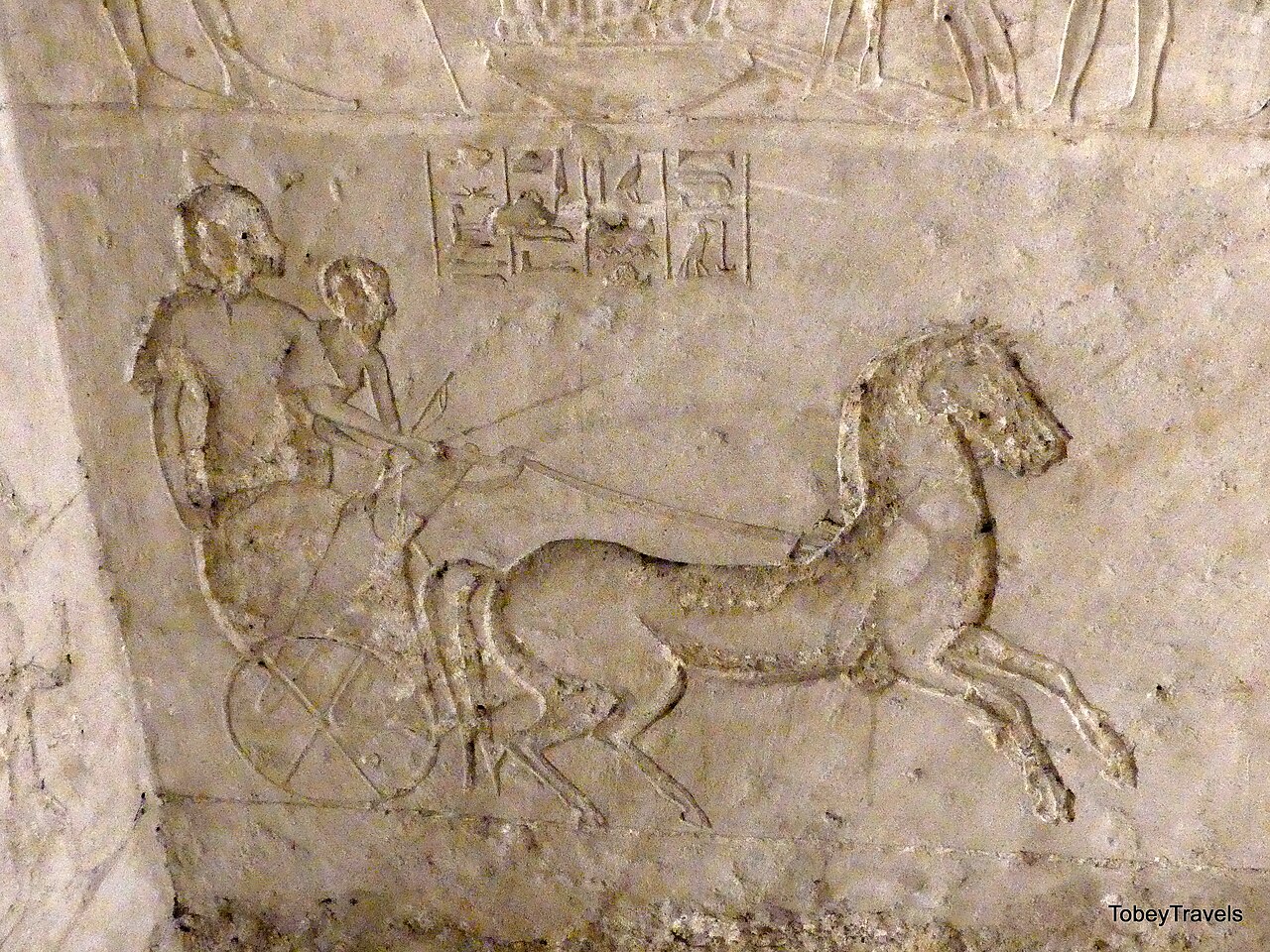
The tomb of Mahu, chief of police at Amarna under Akhenaten, decorated with scenes of him patrolling the city and being rewarded by the king.
Shows Akhenaten rewarding his chief of police, illustrating how the pharaoh administered and secured his new capital.
Free Humy account · No credit card · 120,912 sources to read
About this source
What it is
This rock-cut tomb at the Southern Tombs of Amarna belonged to Mahu, who served as Chief of Police under King Akhenaten. It dates to around 1340 BCE and remains in situ at Amarna, Egypt.
Why it matters
The tomb's reliefs show Mahu patrolling the city of Akhetaten and receiving rewards from Akhenaten, giving evidence of how the new capital was policed and administered. As head of the king's police, Mahu likely held great power and was feared by residents. His fate after Akhenaten's death and the abandonment of Amarna, when Egypt returned to worship of Amun under Tutankhamun, is unknown.
Why it matters
Look closer
- What does showing Mahu riding a chariot tell you about how he wanted to be remembered?
- Why might a chief of police be given his own decorated tomb near the king's city?
- What questions does the relief leave unanswered about ordinary people's experience of Mahu's power?
This artifact is part of the curated material that grounds the AI version of Akhenaten on Humy.ai — when students ask about related events, the AI can quote it and cite it.
More Akhenaten sources
Browse all 99 →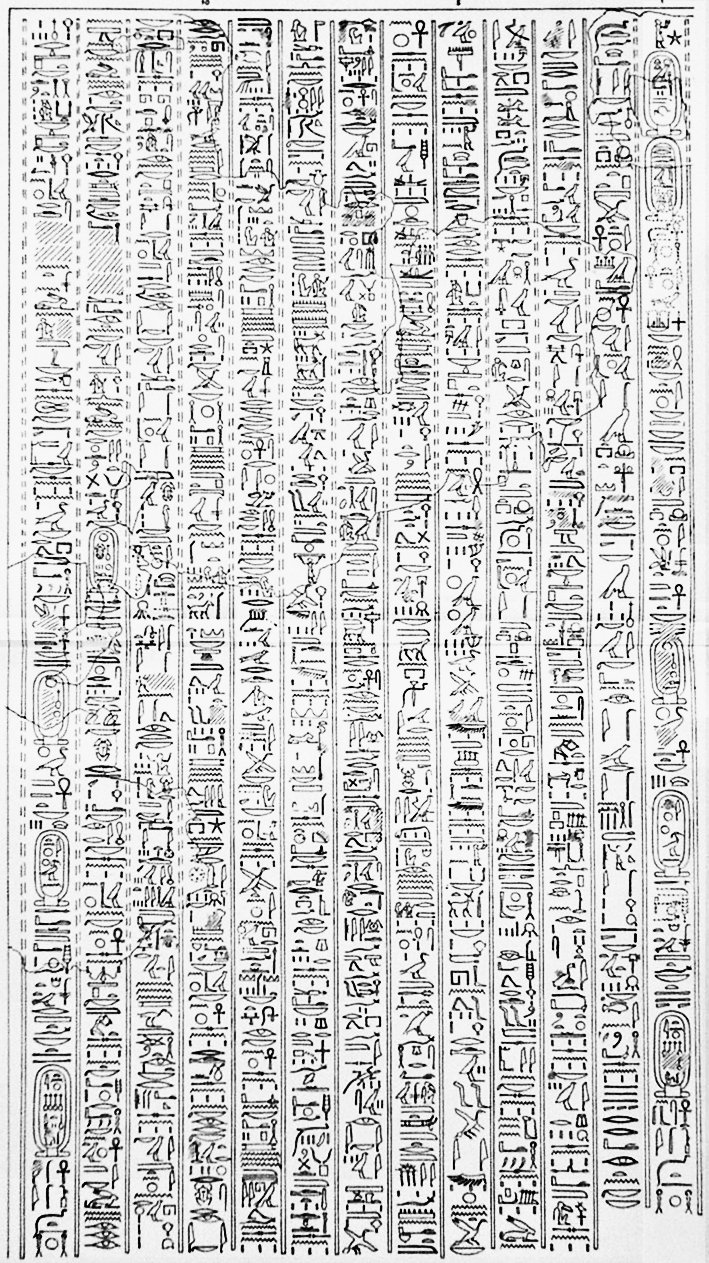 Document
Primary source
Great Hymn to the Aten
Akhenaten · c. 1350 BC
 Document
Primary source
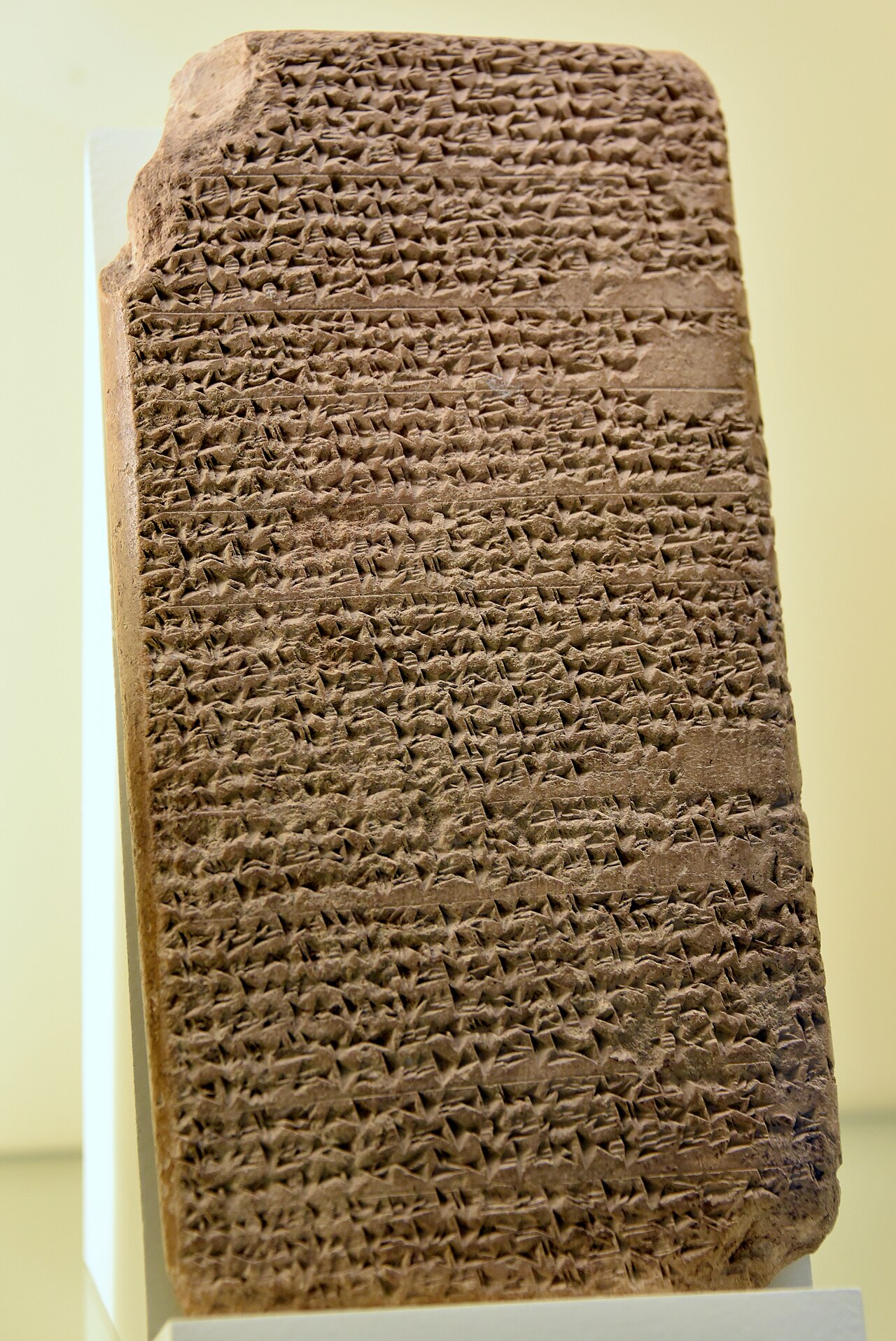
Amarna letters
Foreign rulers and vassals of Egypt; Egyptian chancery · c. 1360–1332 BCE
 Sculpture
Primary source
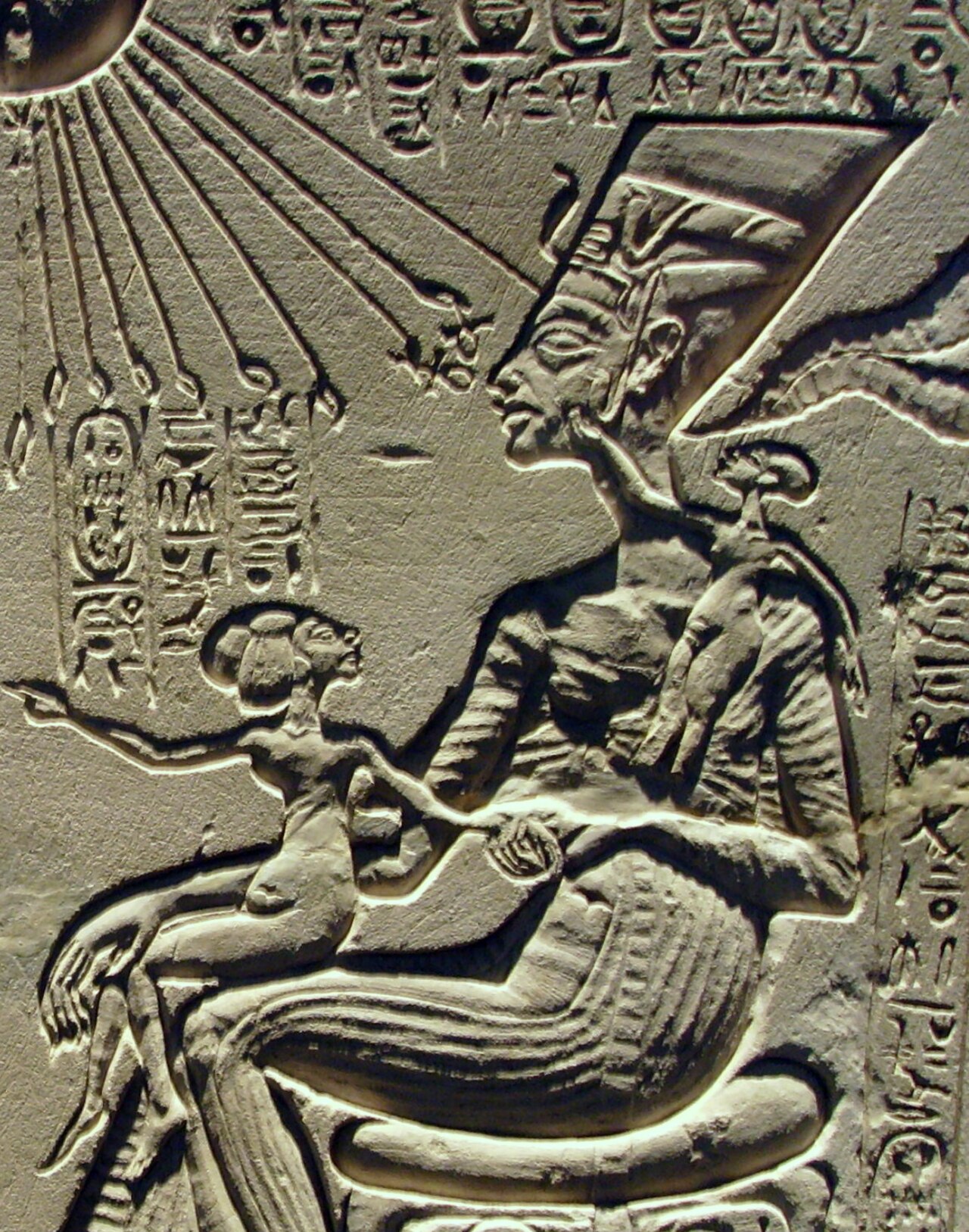
Akhenaten and His Family
c. 1352 BC
 Sculpture
Primary source
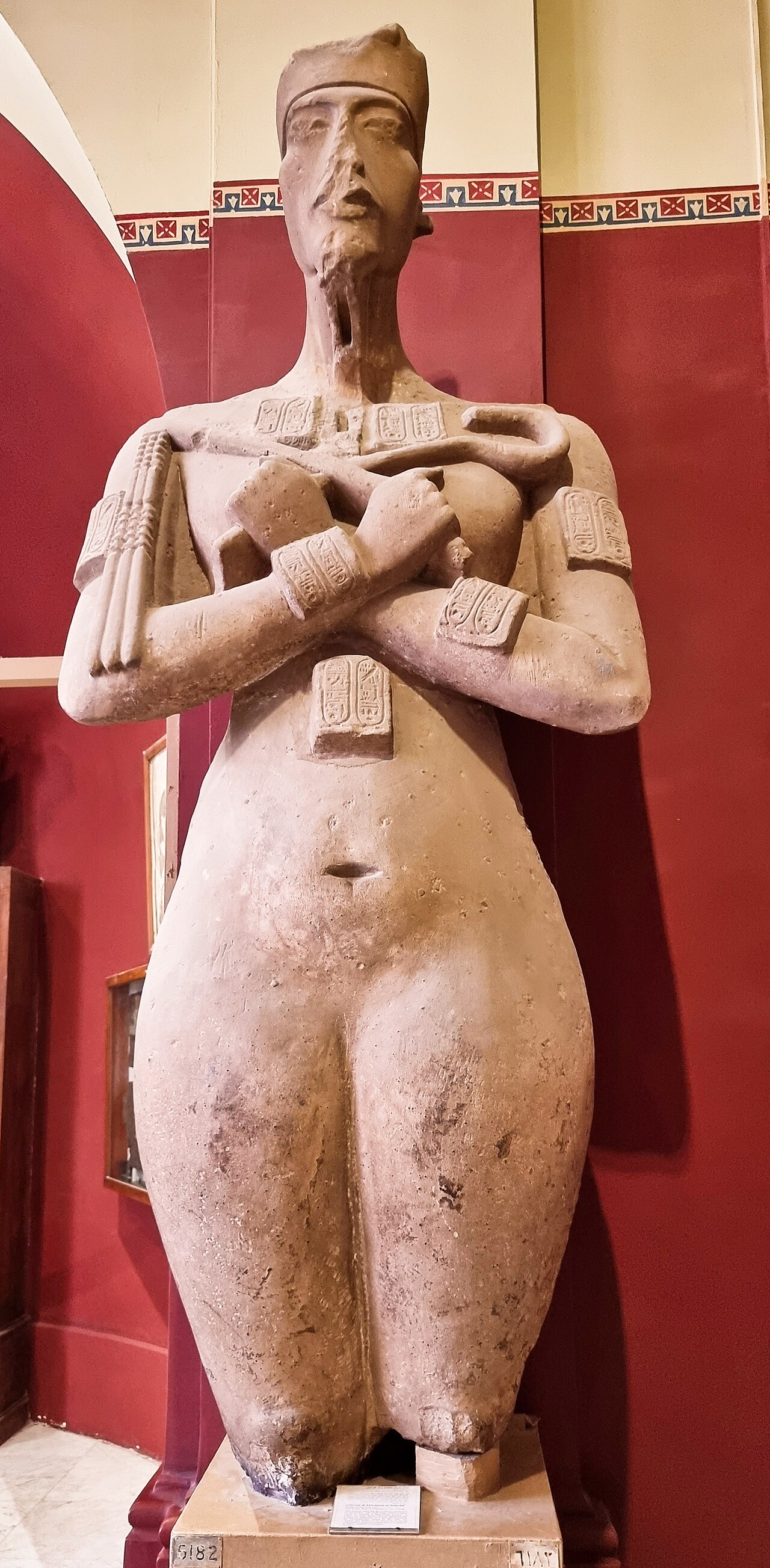
Colossal Statue of Akhenaten or Nefertiti
Free account
Read every Akhenaten source
Sign up free →
Ready when you are
Start chatting with Akhenaten now.
20 messages free · No credit card · Available in 50+ languages.