


Primary sourceArtifact14th century BCE
Tomb of Meryra
14th century BCE
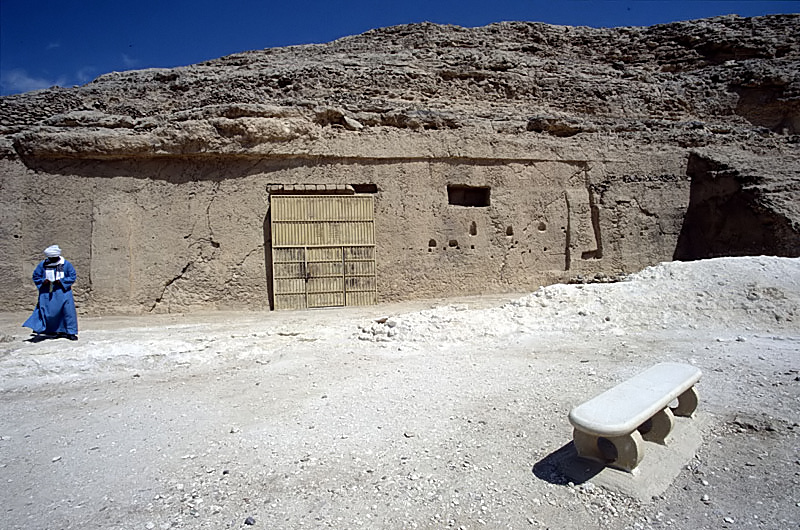
A rock-cut tomb at Amarna built for Meryra, Akhenaten's High Priest of the Aten, showing the king rewarding him and scenes of the Great Aten Temple.
Depicts Akhenaten installing and rewarding his High Priest, showing how he bound officials to his new cult.
About this source
What it is
This is a rock-cut tomb chapel at Amarna, built for Meryra, who served as High Priest of the Aten under King Akhenaten. It is the largest and most elaborate of the noble tombs at Amarna, though never fully completed, and still stands in the cliffs of the northern tomb group.
Why it matters
The tomb reveals how Akhenaten's new religion of the Aten was organised and how officials like Meryra were bound to the king through rewards and titles. Scenes show Akhenaten installing Meryra as Chief Priest, and depict the Great Temple of the Aten in detail. Meryra's wife Tenra also appears unusually large for a non-royal woman, and the faces of Akhenaten and Nefertiti were later deliberately chiselled out after Akhenaten's religion was rejected.
Look closer
- Why might Meryra have wanted such a large, detailed tomb built so close to the king?
- What does the deliberate erasure of Akhenaten's face tell you about what happened after his death?
- What does the tomb not show us about ordinary life at Amarna?
This artifact is part of the curated material that grounds the AI version of Akhenaten on Humy.ai — when students ask about related events, the AI can quote it and cite it.
More Akhenaten sources
Browse all 99 →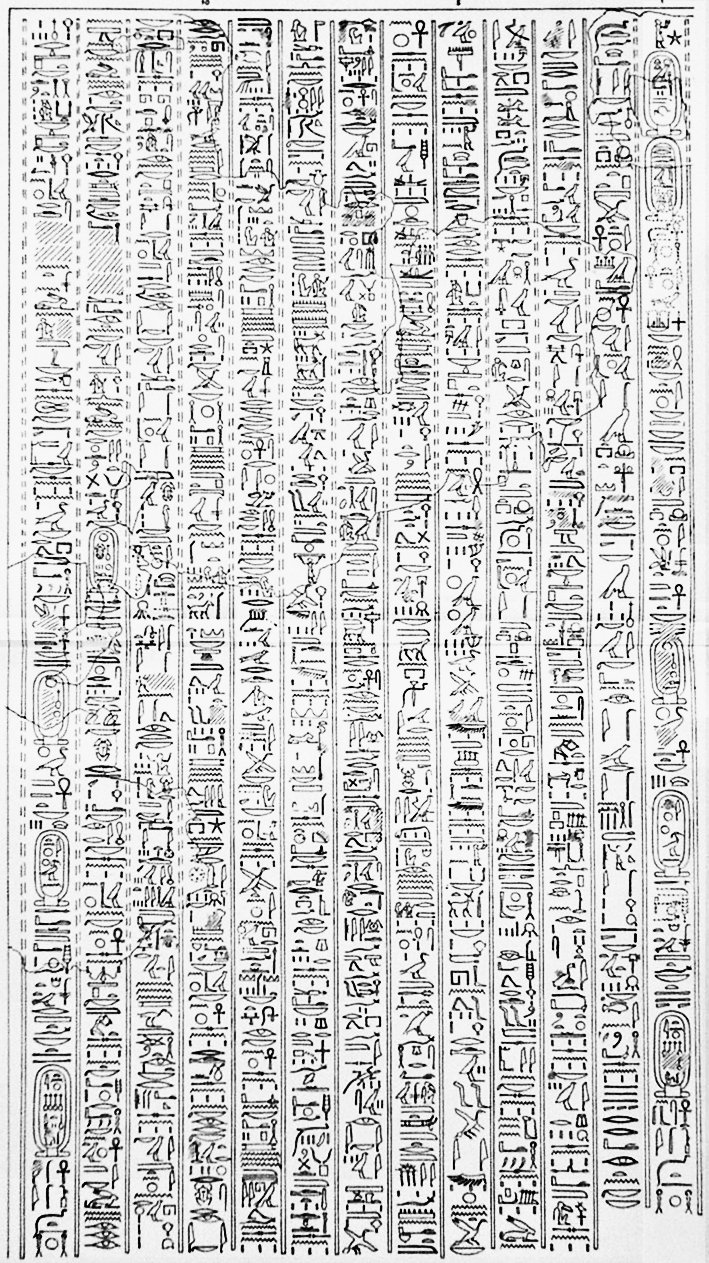 Document
Primary source
Great Hymn to the Aten
Akhenaten · c. 1350 BC
 Document
Primary source
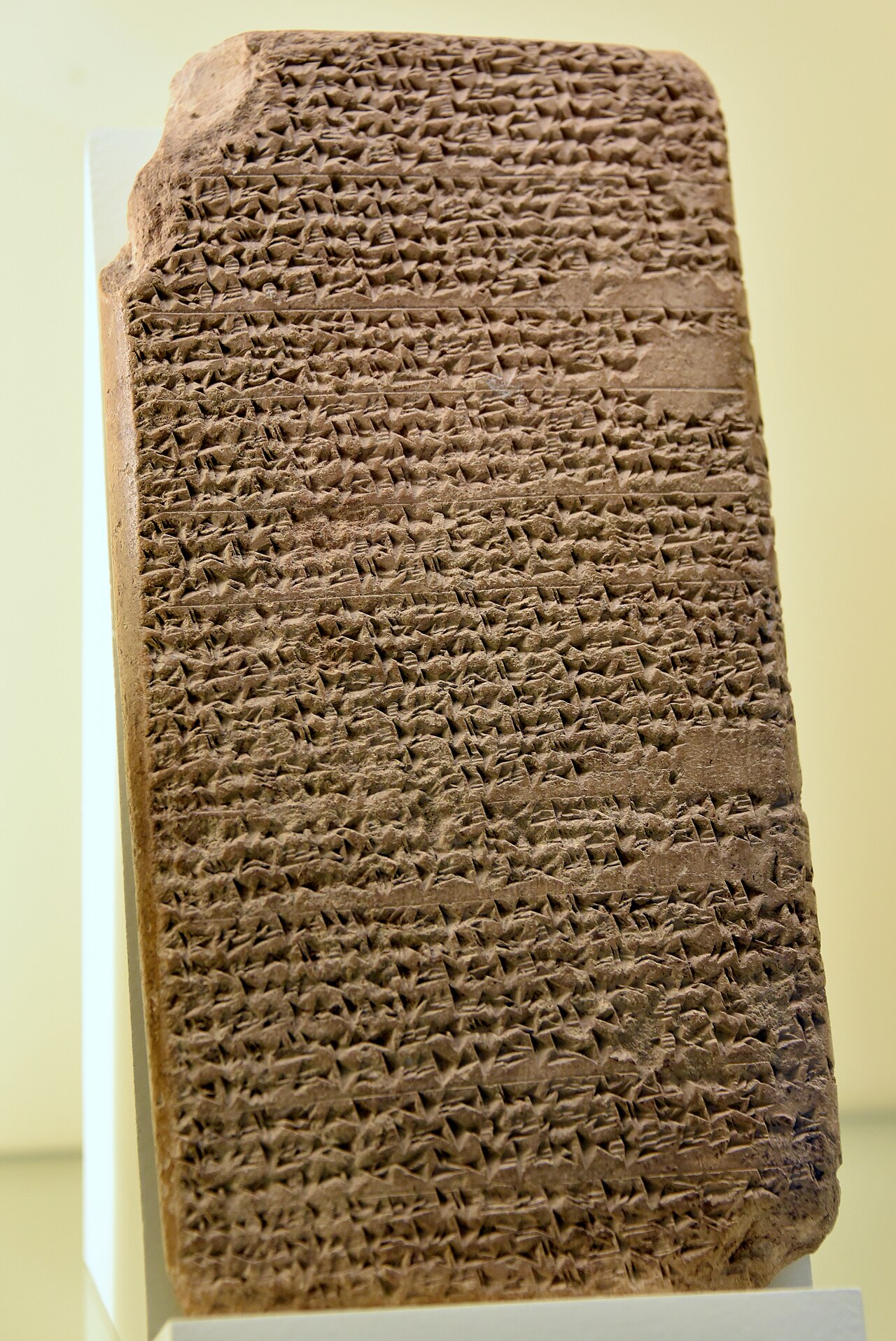
Amarna letters
Foreign rulers and vassals of Egypt; Egyptian chancery · c. 1360–1332 BCE
 Sculpture
Primary source
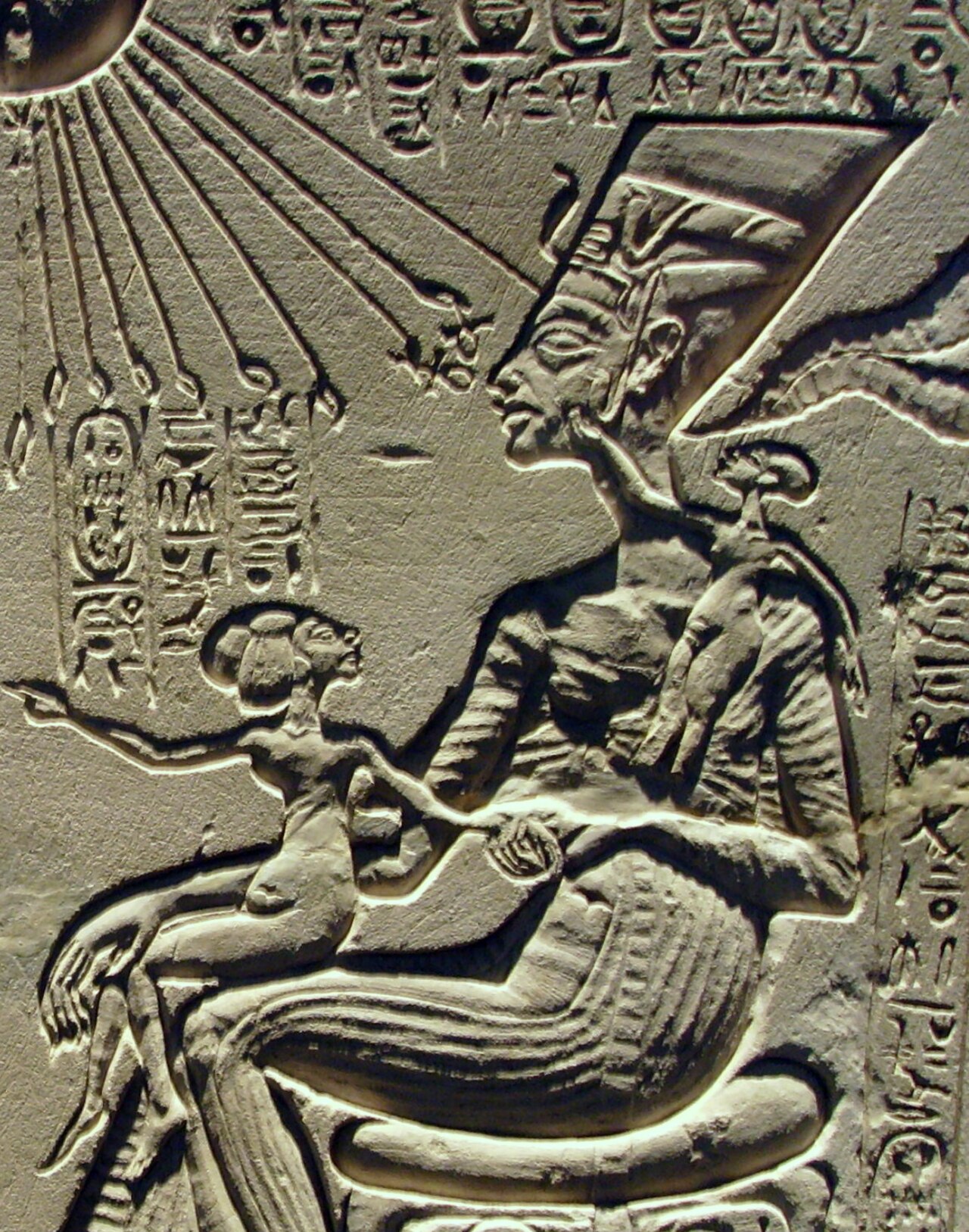
Akhenaten and His Family
c. 1352 BC
 Sculpture
Primary source
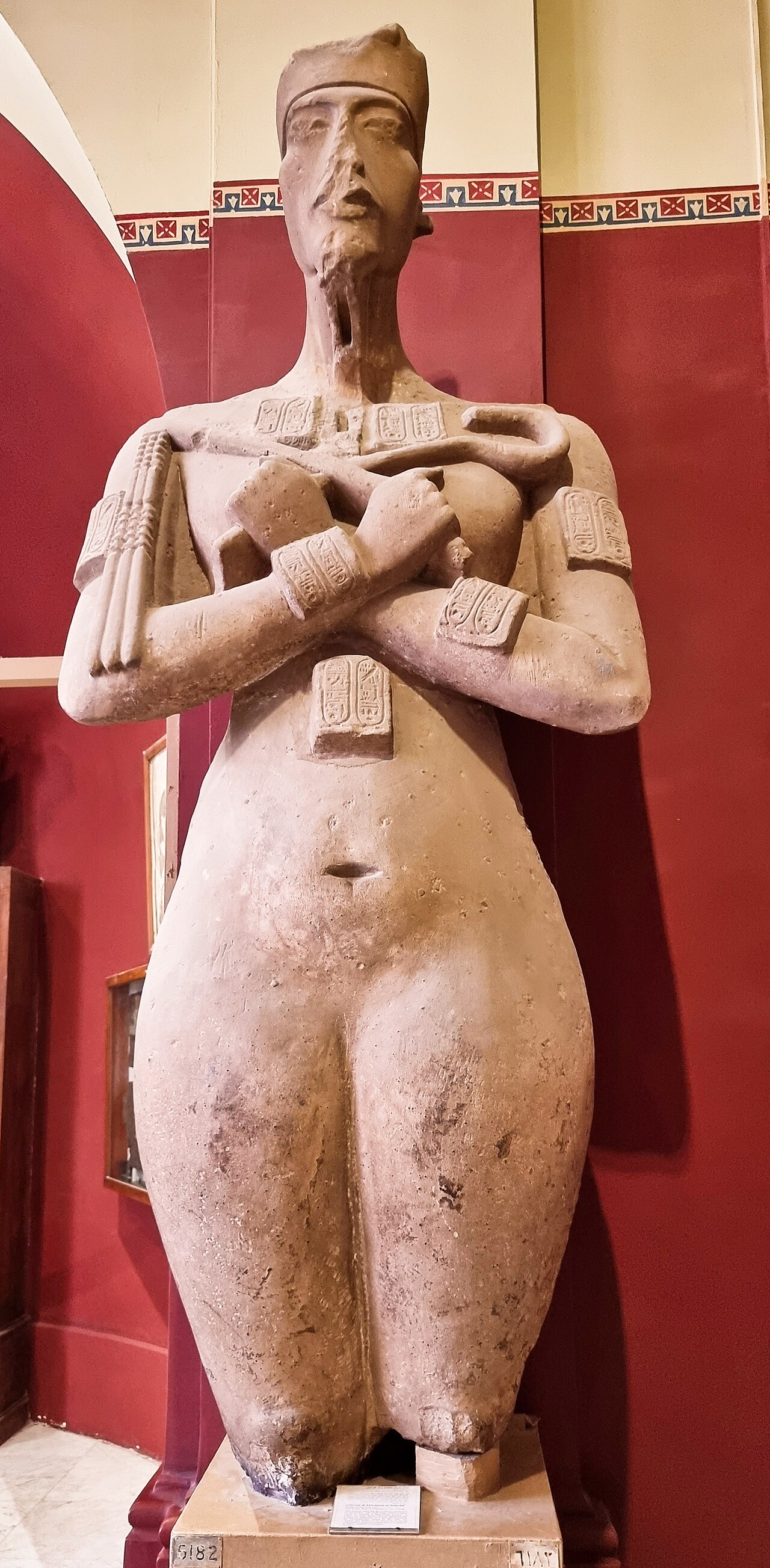
Colossal Statue of Akhenaten or Nefertiti
Free account
Read every Akhenaten source
Sign up free →
Ready when you are
Start chatting with Akhenaten now.
20 messages free · No credit card · Available in 50+ languages.