


Primary sourceDocument18th Dynasty, Amarna period
Tomb TT139 of Pairy
18th Dynasty, Amarna period
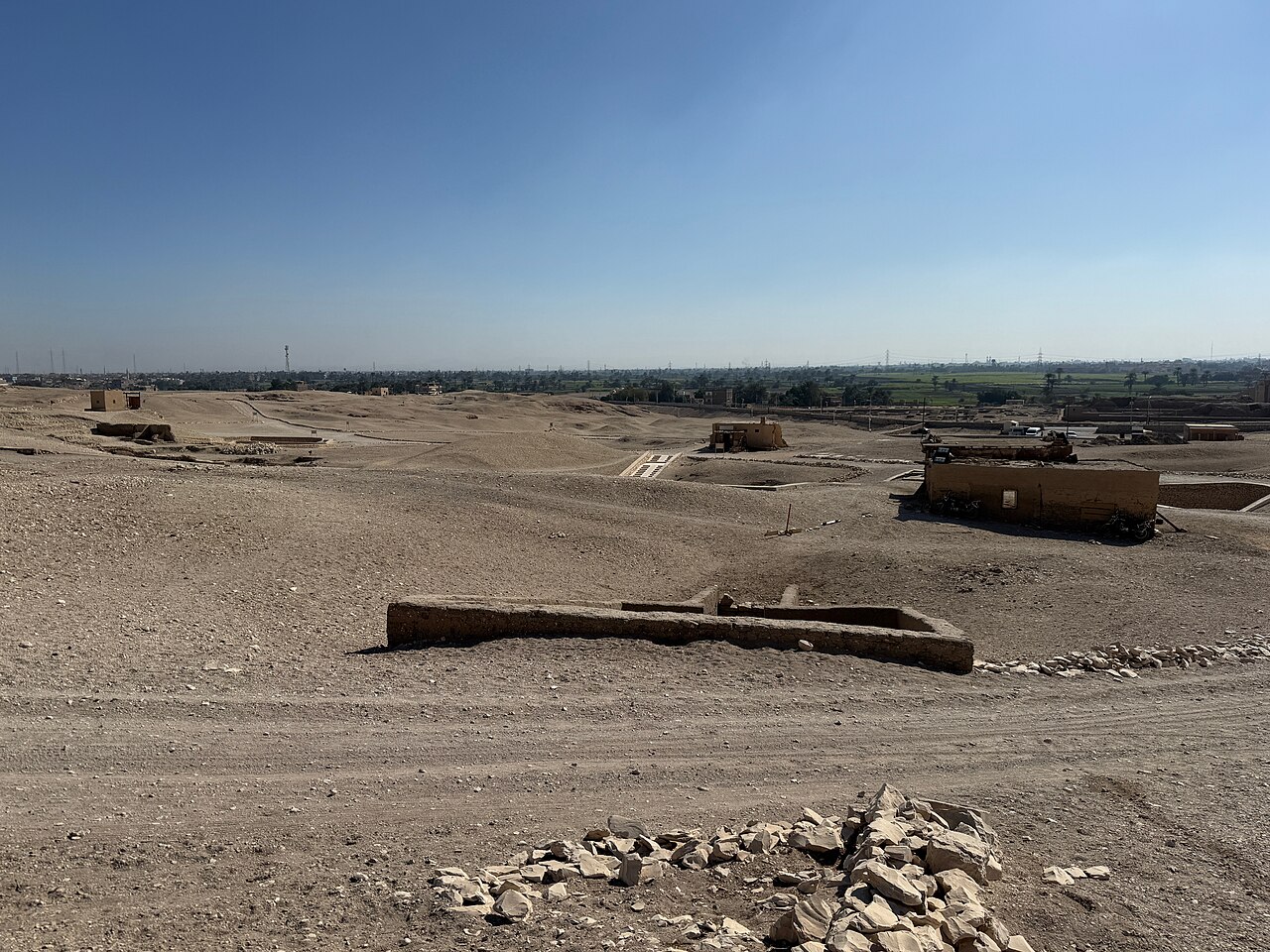
A noble's tomb at Sheikh Abd el-Qurna containing a dated inscription naming the female ruler Ankhkheperure Neferneferuaten, linked to the debate over Nefertiti's reign.
A dated inscription in this tomb naming a female ruler is central evidence in debates over whether Nefertiti became pharaoh.
About this source
What it is
TT139 is the tomb of Pairy, a wab-priest of Amun and official who served under Amenhotep III, located at Sheikh Abd el-Qurna in the Theban Necropolis near Luxor. It contains painted wall scenes of Pairy, his wife and family, and funerary rituals.
Why it matters
One inscription above a doorway is dated to Year 3 of the female king Ankhkheperure Neferneferuaten, with hymns to the god Amun written by a scribe named Pawah. This dated text is key evidence used by historians debating whether Nefertiti ruled Egypt as a female pharaoh after Akhenaten's death.
Look closer
- Why might a tomb built for a priest contain clues about a royal succession?
- What does the careful dating of inscriptions tell us about how ancient Egyptians recorded time?
- What is missing from this evidence that would let us be certain about who Ankhkheperure Neferneferuaten was?
This document is part of the curated material that grounds the AI version of Queen Nefereti on Humy.ai — when students ask about related events, the AI can quote it and cite it.
More Queen Nefereti sources
Meet the AI Queen Nefereti →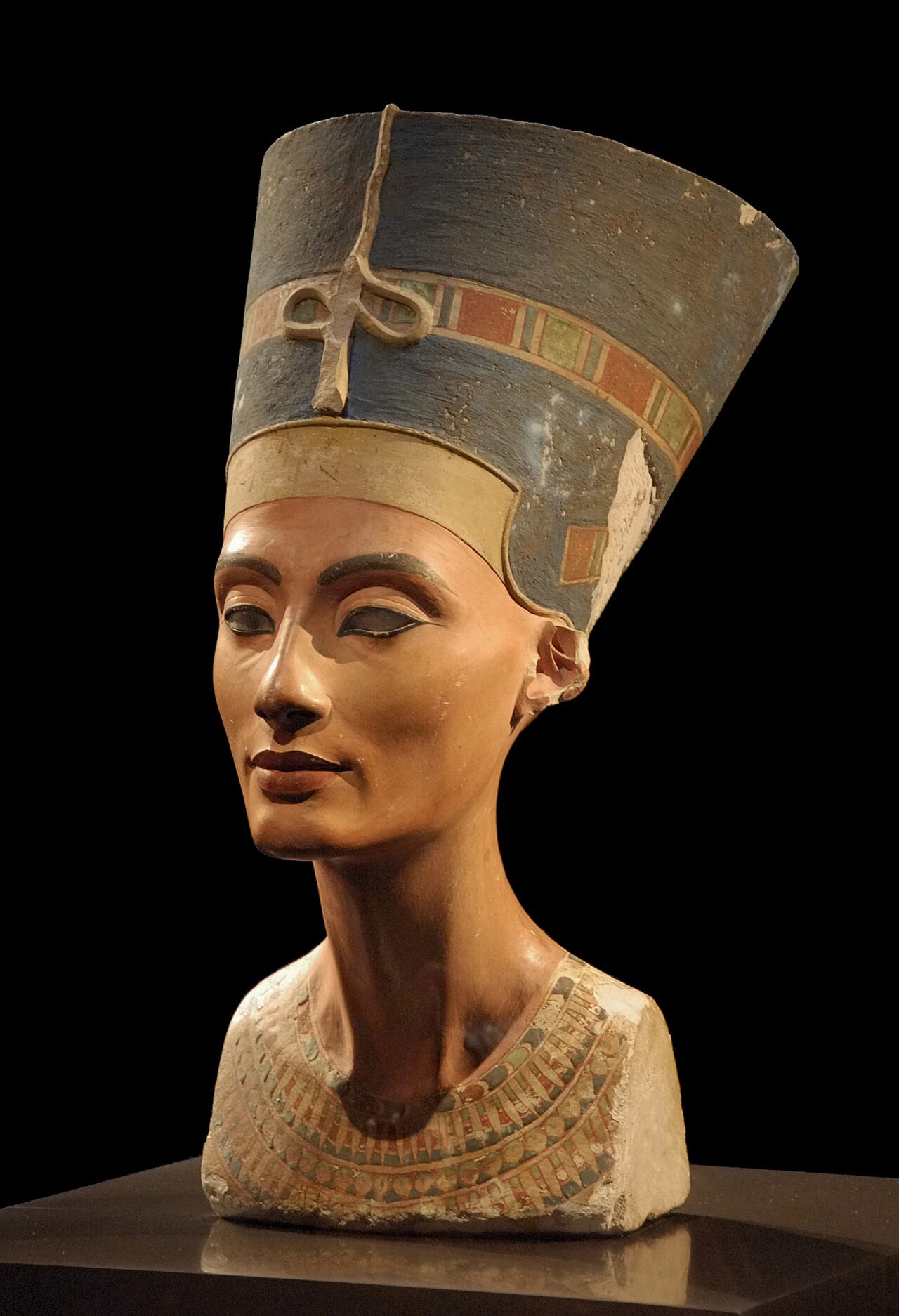 Sculpture
Primary source
Bust of Queen Nefertiti
Thutmose · c. 1345 BC
 Sculpture
Primary source
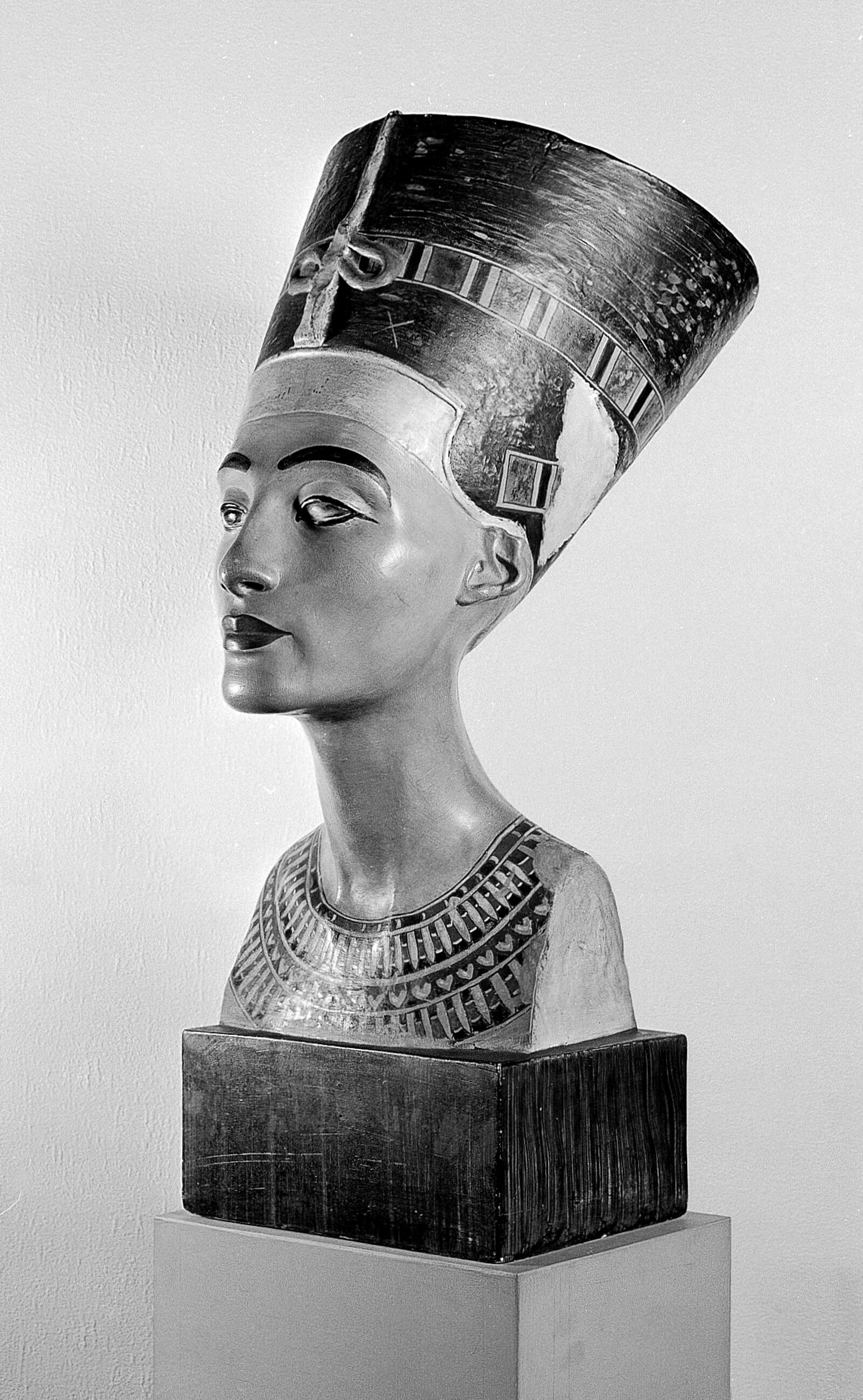
Figure of Nefertiti
 Sculpture
Primary source
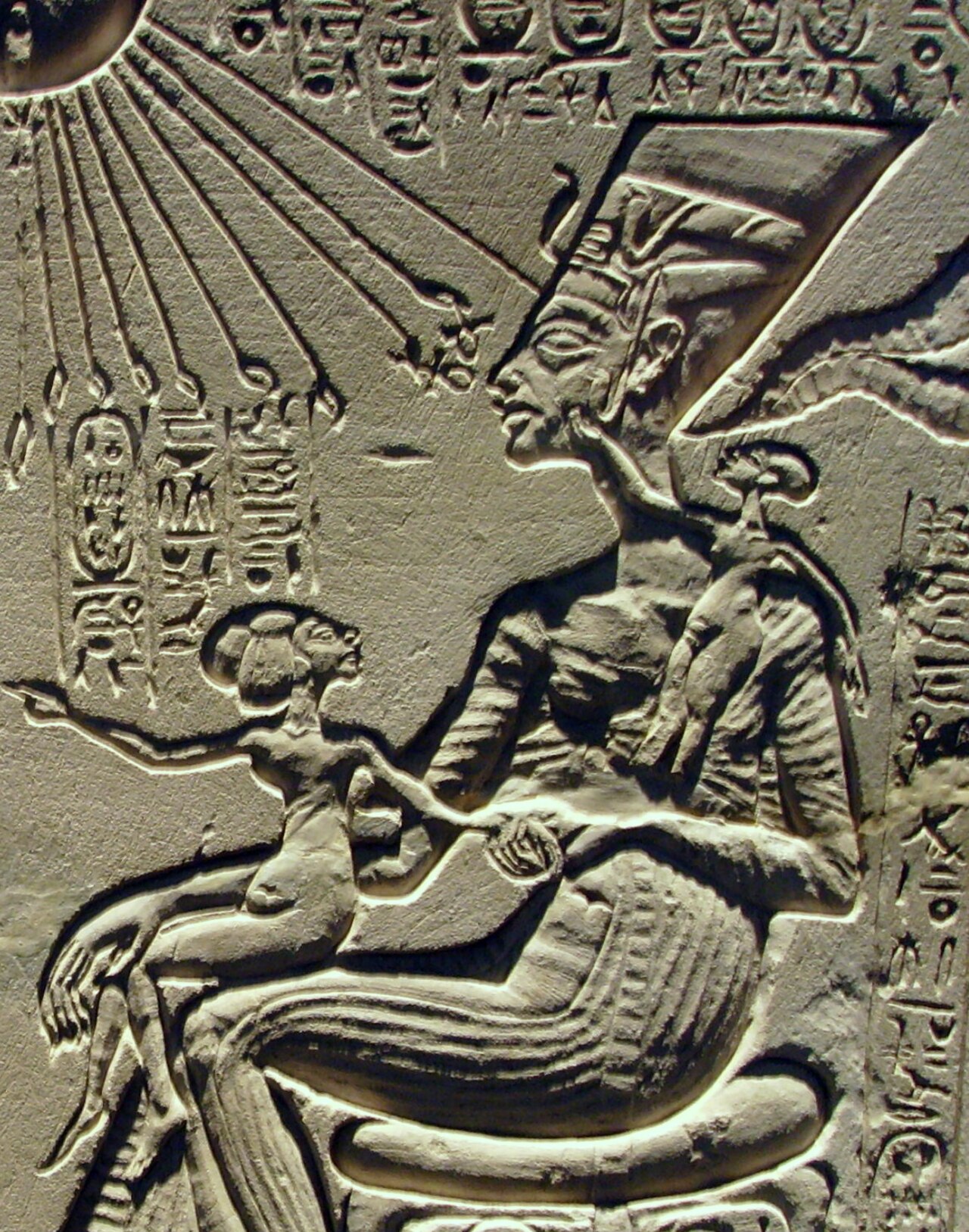
Akhenaten and His Family
c. 1352 BC
 Sculpture
Primary source
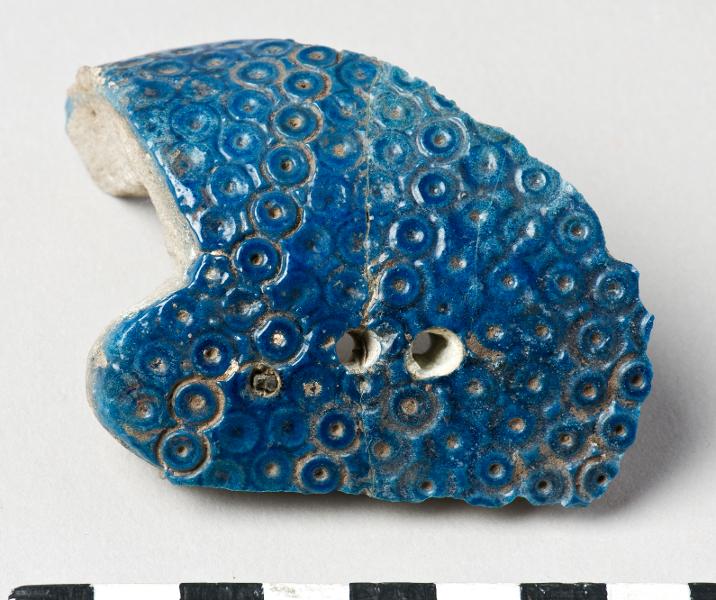
Relief Fragment Showing the Blue Crown of Nefertiti
 Document
Primary source
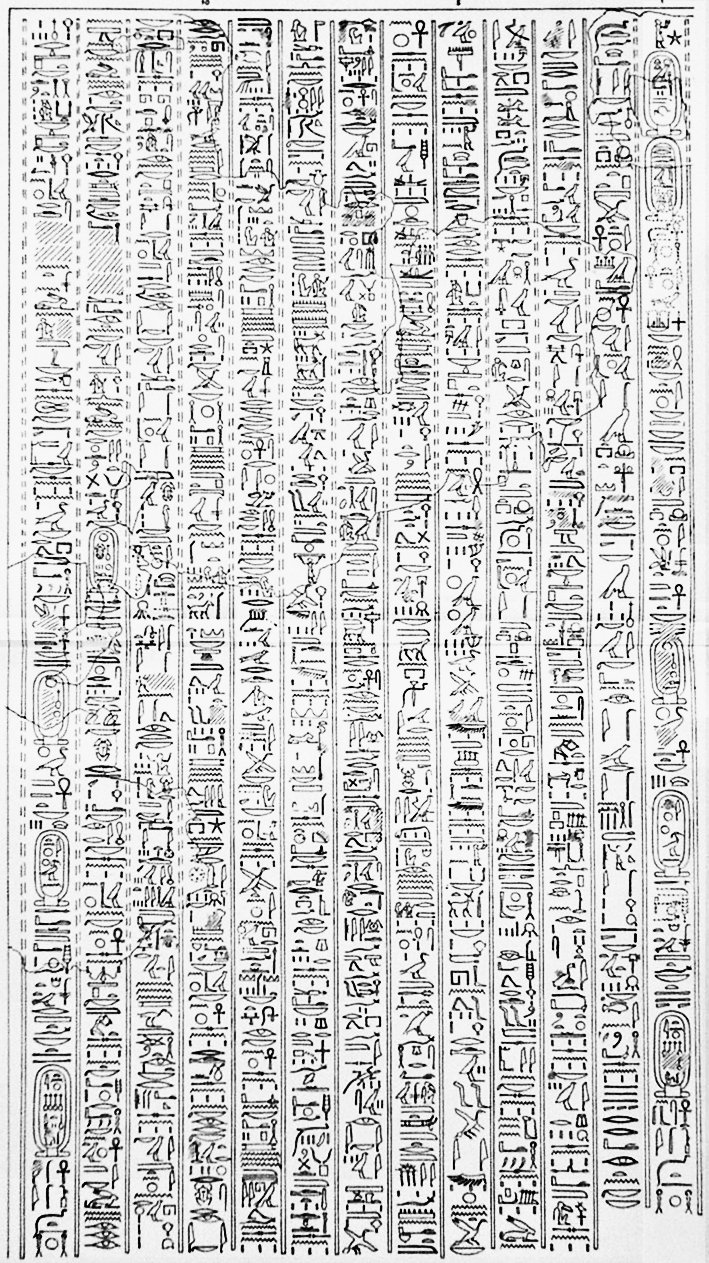
Great Hymn to the Aten
Akhenaten · c. 1350 BC
Ready when you are
Start chatting with Queen Nefereti now.
20 messages free · No credit card · Available in 50+ languages.