


Primary sourceSculptureca. 1347–1330 BCE
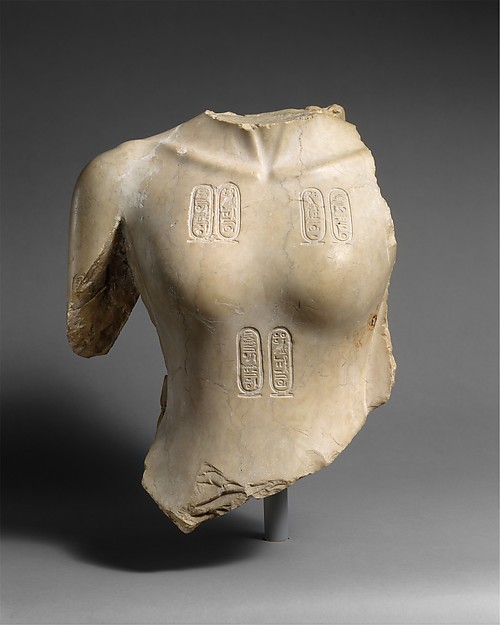
Torso of Akhenaten with Aten Cartouches
ca. 1347–1330 BCE
A broken limestone statue torso carved with cartouches naming the god Aten, from a statue of Akhenaten.
This statue torso, carved with Aten's name, was made during Akhenaten's reign and reflects his religious reforms.
About this source
What it is
This is a fragment of an indurated limestone statue torso from the reign of Akhenaten, during the Amarna Period of the 18th Dynasty. Four cartouches with hieroglyphs naming Aten are carved onto the chest and abdomen. It is held by the Metropolitan Museum of Art, a gift of Edward S. Harkness in 1921.
Why it matters
Even as a broken fragment, this torso connects directly to Akhenaten's religious reforms, since the carved cartouches record the names of the god Aten, whom he promoted as central to Egyptian worship. Royal statues bearing these names were part of how Akhenaten spread his new religious ideas visually across Egypt.
Look closer
- What do the carved symbols on the torso represent, and why would they be placed on a royal statue's body?
- What parts of the original statue are missing, and how might that limit what we can learn?
- Why might a pharaoh want his statues to carry the name of a god directly on his body?
This sculpture is part of the curated material that grounds the AI version of Akhenaten on Humy.ai — when students ask about related events, the AI can quote it and cite it.
More Akhenaten sources
Browse all 99 →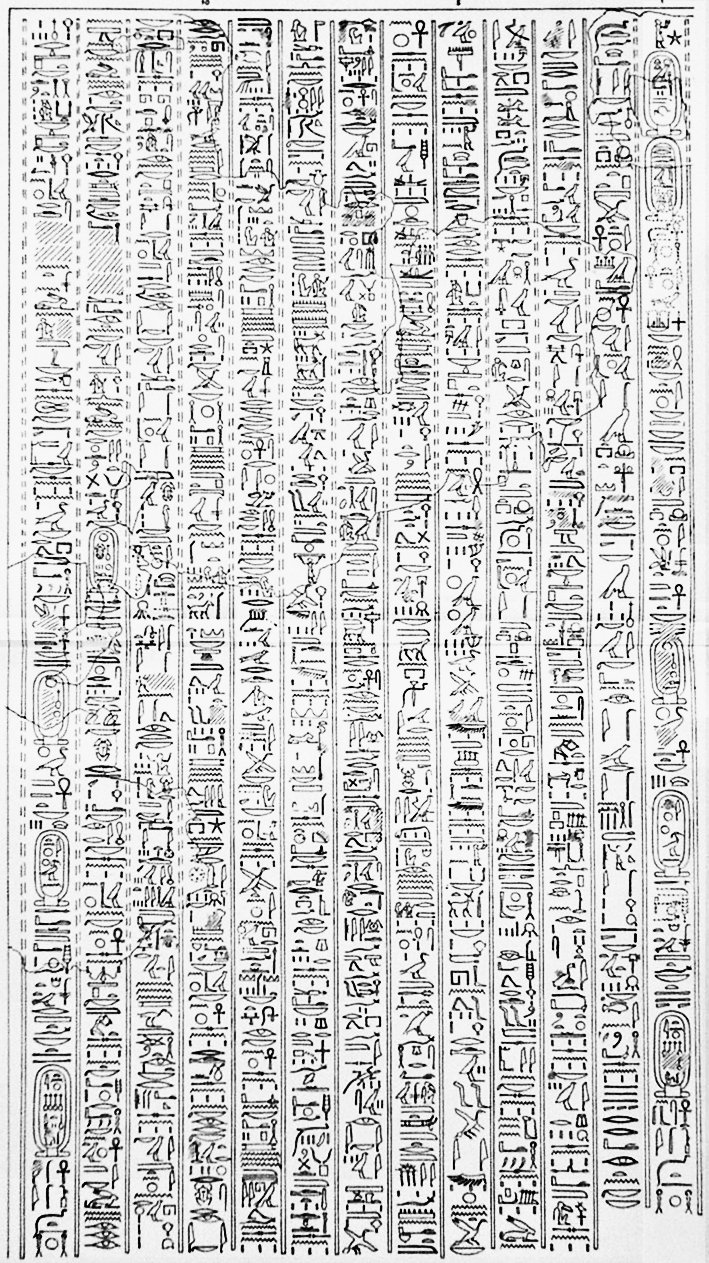 Document
Primary source
Great Hymn to the Aten
Akhenaten · c. 1350 BC
 Document
Primary source
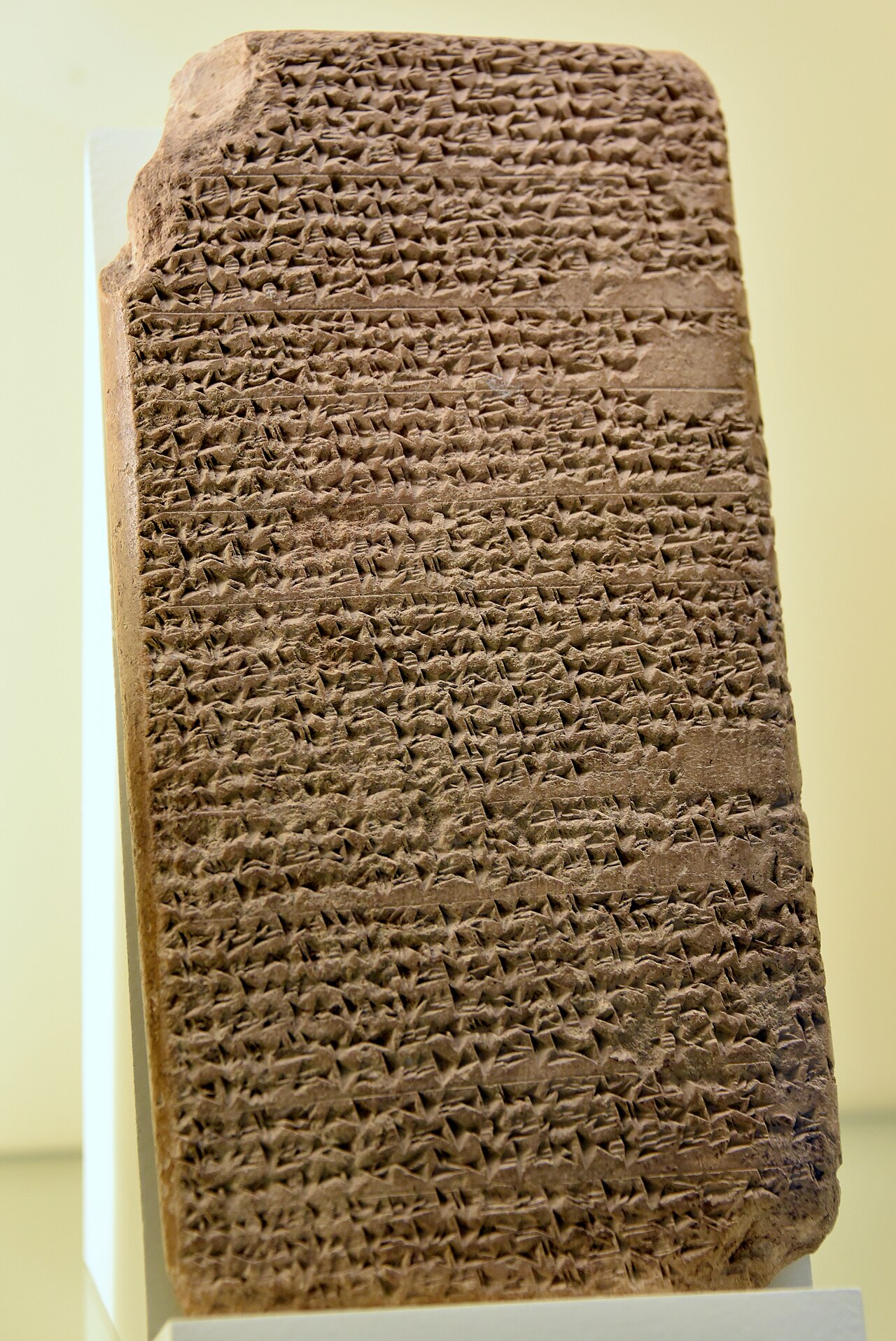
Amarna letters
Foreign rulers and vassals of Egypt; Egyptian chancery · c. 1360–1332 BCE
 Sculpture
Primary source
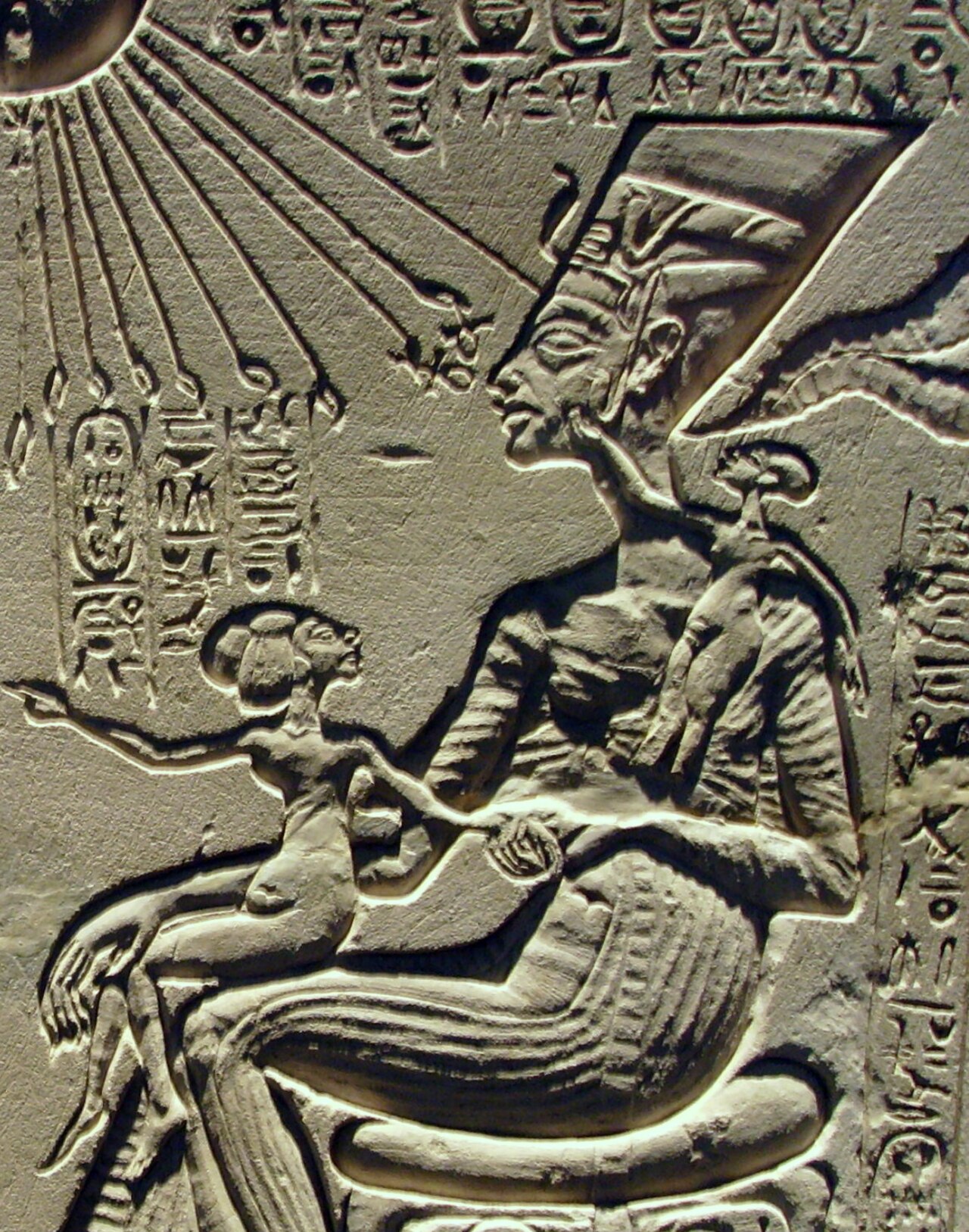
Akhenaten and His Family
c. 1352 BC
 Sculpture
Primary source
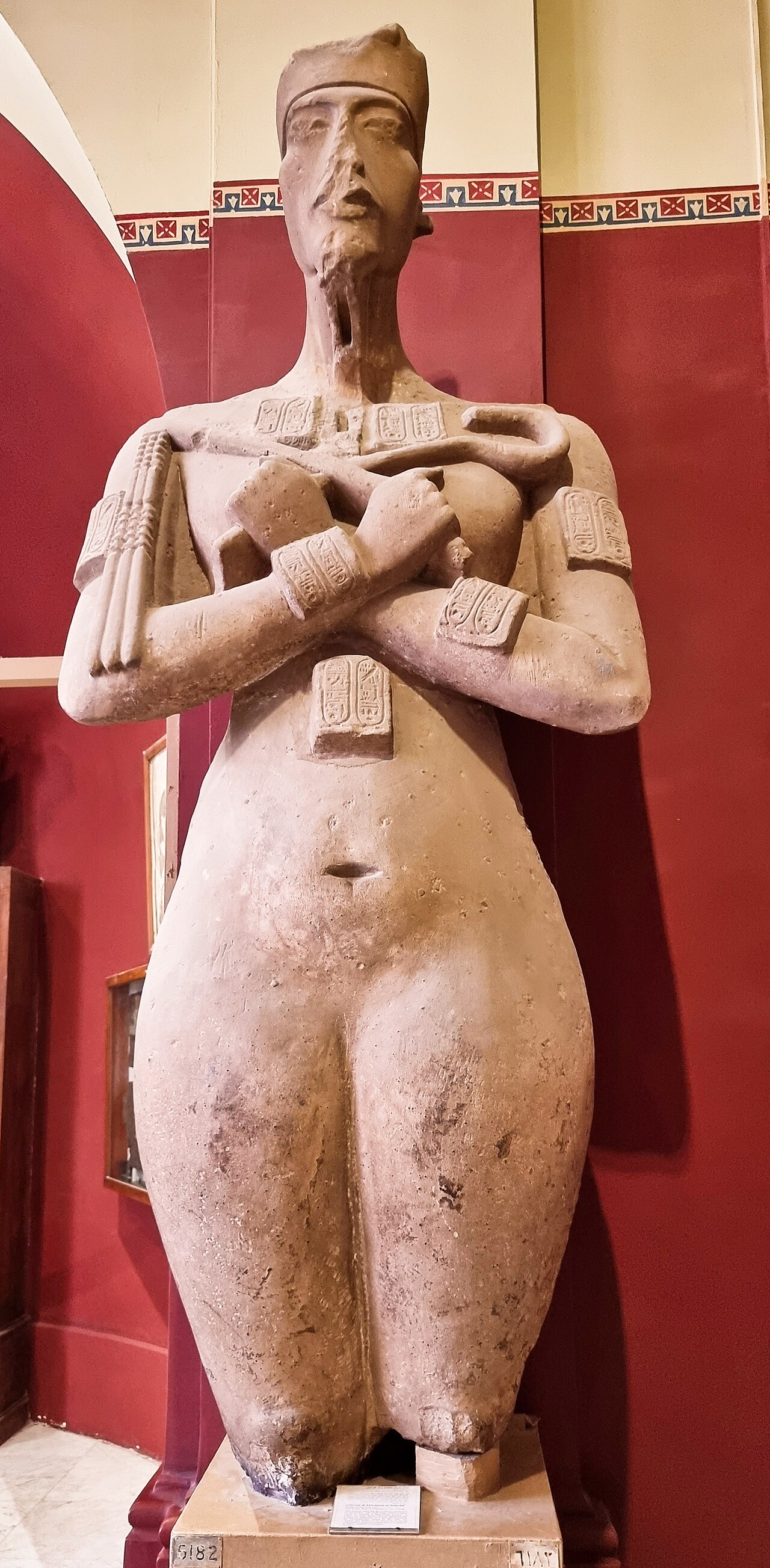
Colossal Statue of Akhenaten or Nefertiti
Free account
Read every Akhenaten source
Sign up free →
Ready when you are
Start chatting with Akhenaten now.
20 messages free · No credit card · Available in 50+ languages.