


Primary sourceBook1662 (written 1630s)
Treatise on Man
René Descartes · 1662 (written 1630s)
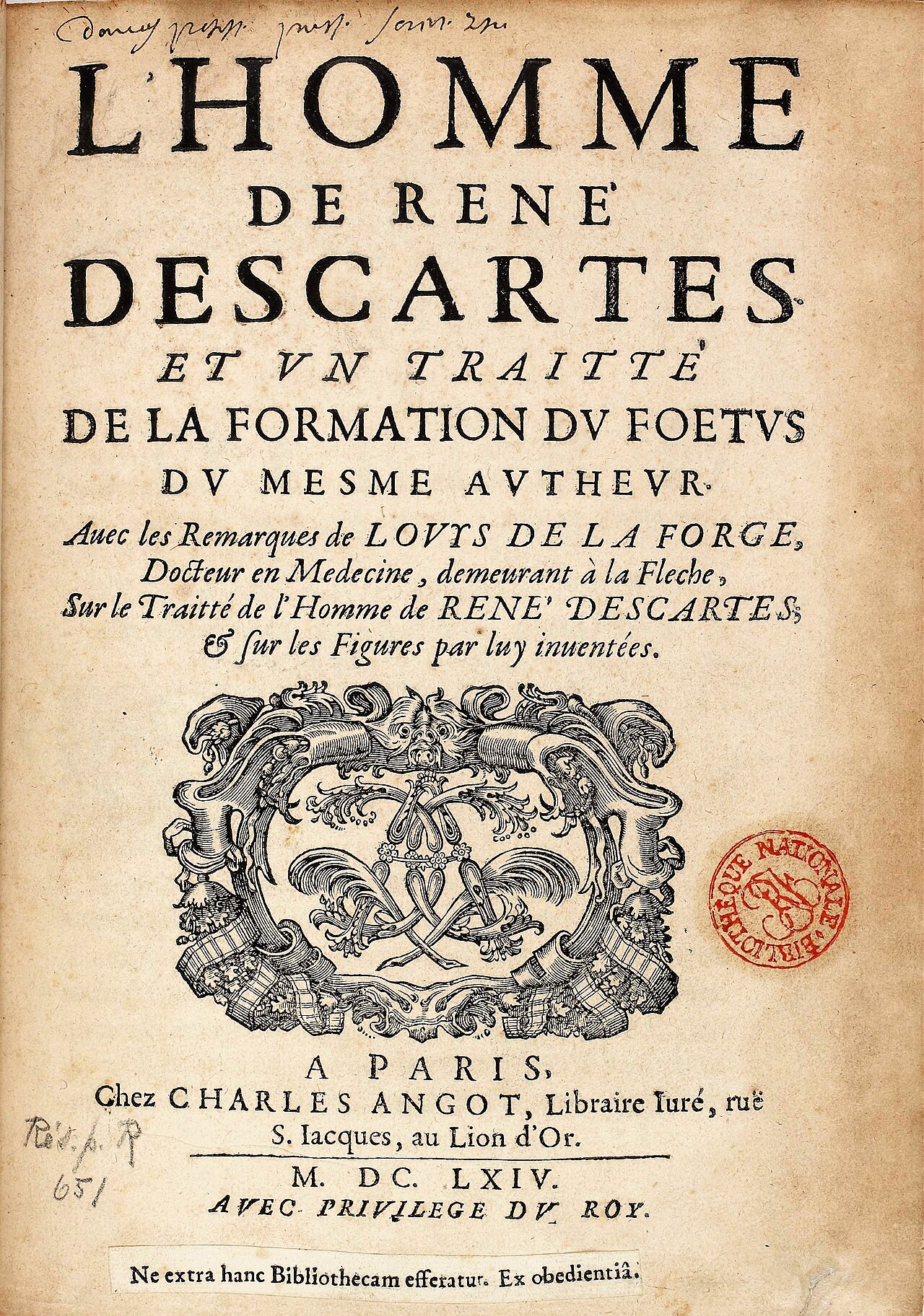
Descartes' unfinished work describing the human body as a machine, with diagrams of nerves and the pineal gland, written by him but published only after his death.
Descartes wrote this treatise, suppressing it out of fear of the Inquisition after Galileo's condemnation.
About this source
What it is
Treatise on Man (L'Homme) is an unfinished work by René Descartes, begun in the 1630s and published after his death, first in Latin in 1662 and then in French in 1664, edited by Claude Clerselier with added diagrams and commentary by others.
Why it matters
Descartes describes a human body as a kind of machine, explaining digestion, blood circulation, nerves and the senses in mechanical terms, with the pineal gland playing a key role. He held the work back after learning of Galileo's condemnation by the Inquisition, fearing similar trouble for his own ideas. The book shows how political and religious pressure could silence even bold scientific thinking, and how later editors like Clerselier, La Forge and Schuyl shaped how Descartes' ideas reached the public.
Look closer
- Why might Descartes have chosen not to publish this work during his lifetime?
- What does describing the body as a "machine" suggest about how Descartes viewed humans?
- Who added to this book after Descartes died, and how might that change how we read it?
This book is part of the curated material that grounds the AI version of Rene Descartes on Humy.ai — when students ask about related events, the AI can quote it and cite it.
More Rene Descartes sources
Meet the AI Rene Descartes →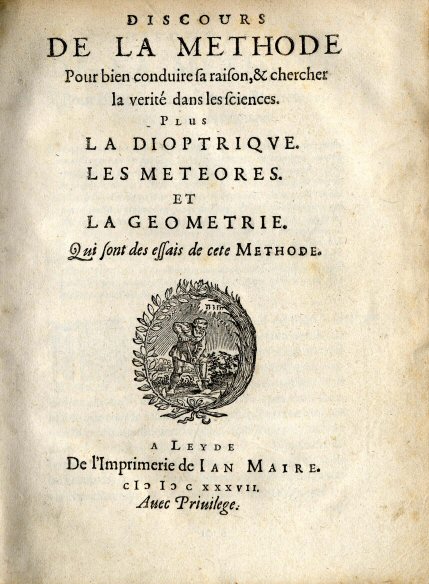 Book
Primary source
Discourse on the Method
René Descartes · 1637
 Book
Primary source
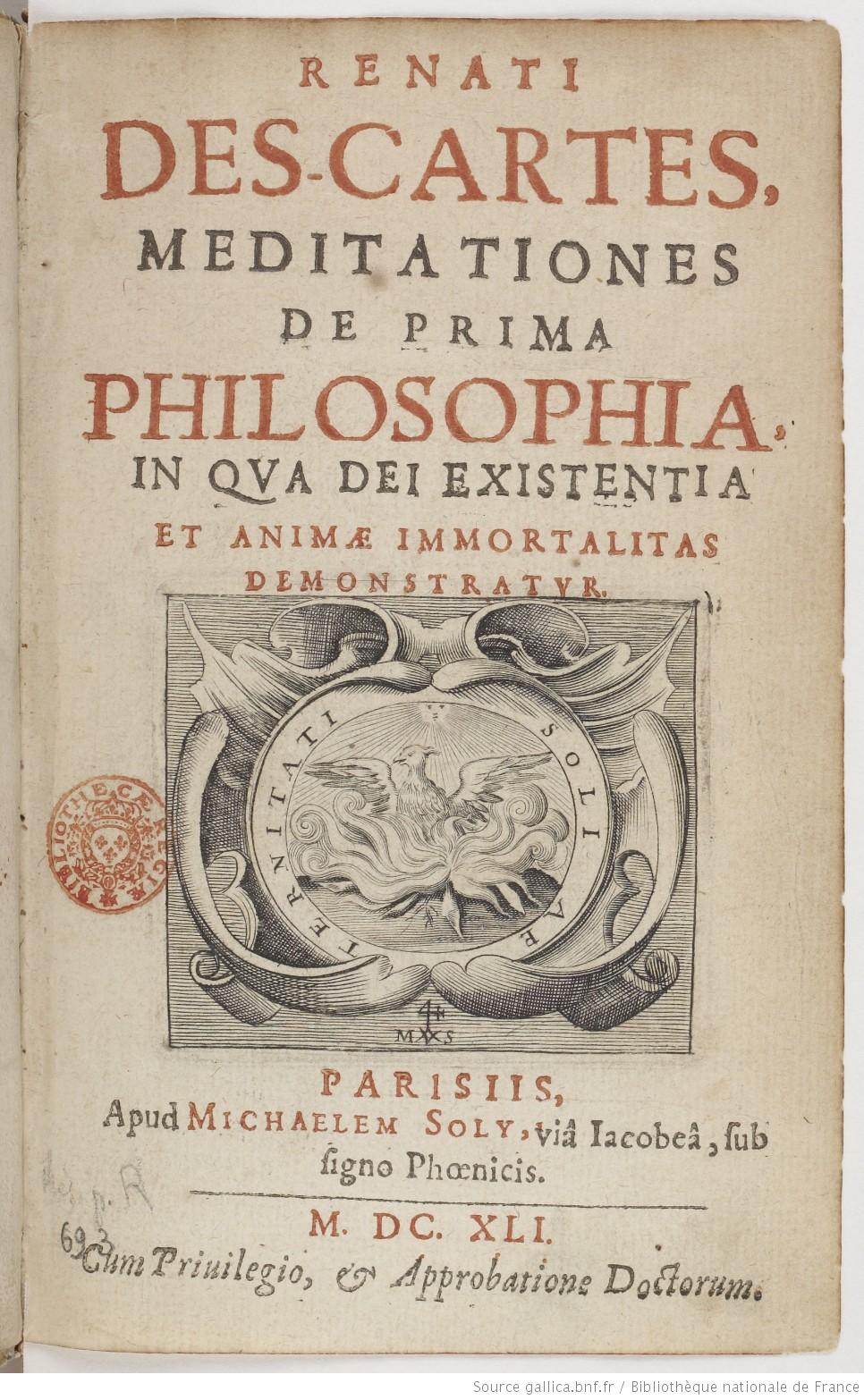
Meditations on First Philosophy
René Descartes · 1641
 Document
Primary source
La Géométrie
René Descartes · 1637
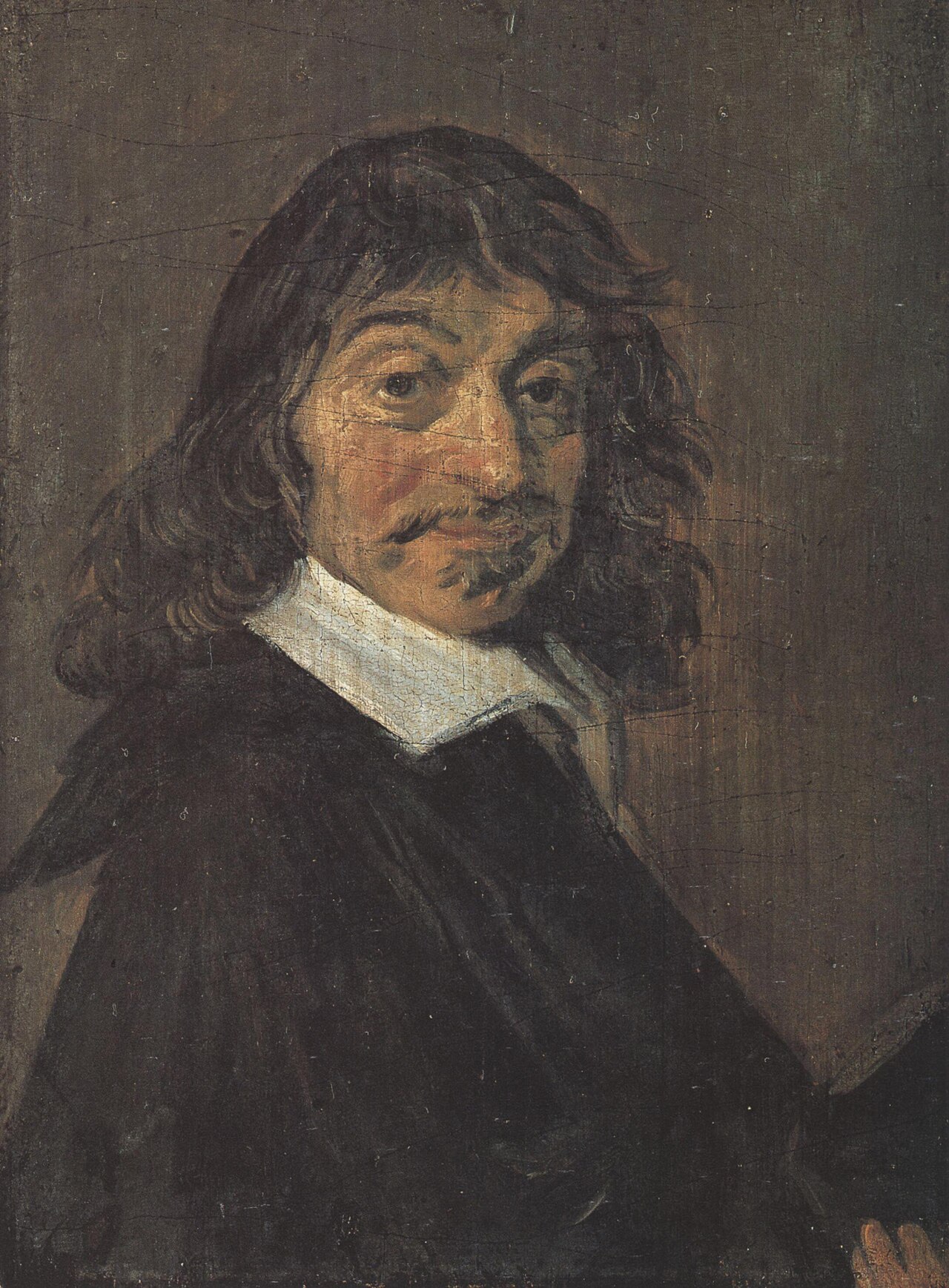 Painting
Primary source
Portrait of René Descartes
Frans Hals · 1649
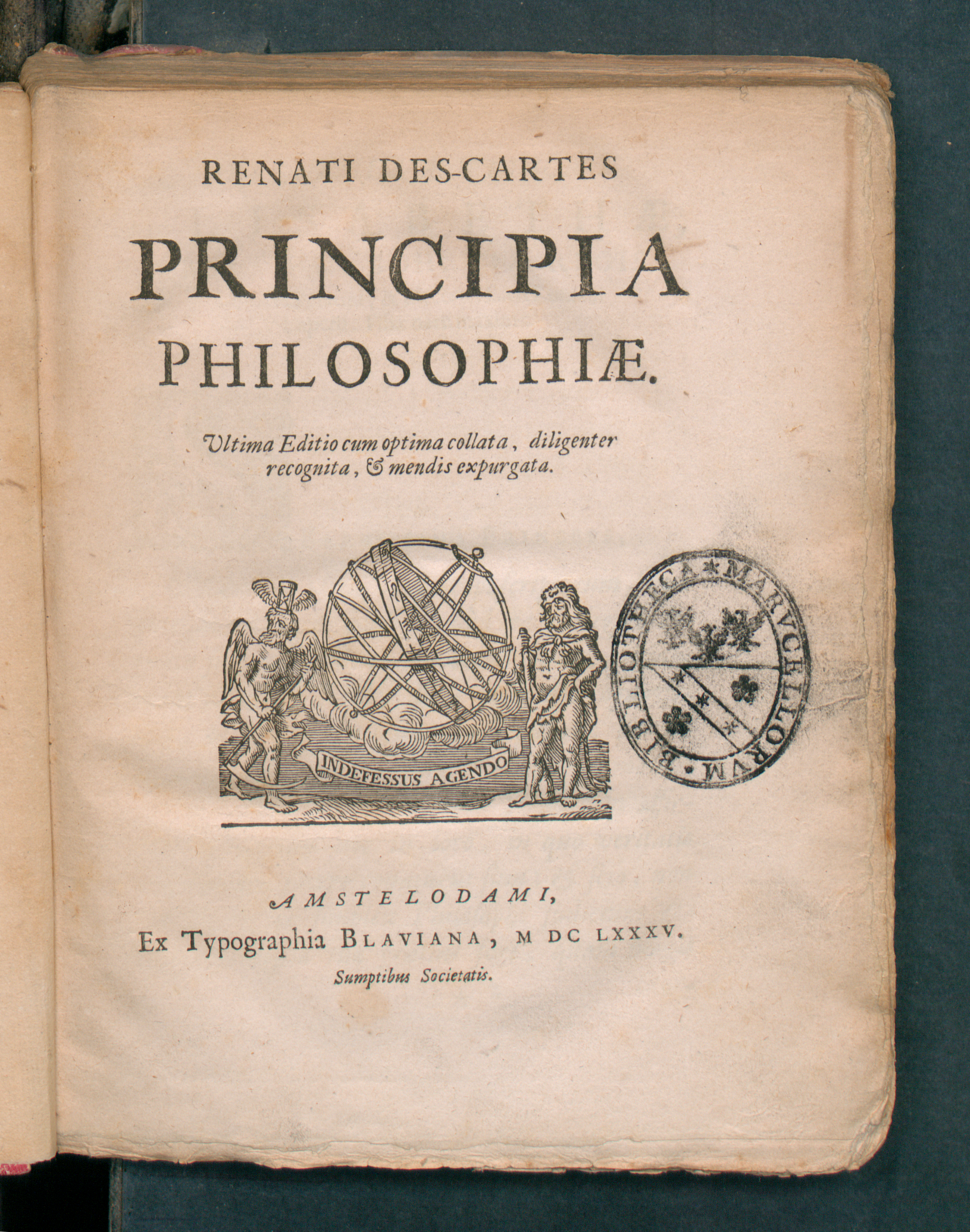 Book
Primary source
Principles of Philosophy
René Descartes · 1644
Ready when you are
Start chatting with Rene Descartes now.
20 messages free · No credit card · Available in 50+ languages.