


Primary sourceBook1637
Treatise on Mechanics
René Descartes · 1637
Descartes's 1637 French text explaining machines and devices that let a small force lift a heavy load. It is one of his own works.
A French mechanics treatise written by Descartes himself, showing his work on physics and machines beyond philosophy.
About this source
What it is
This is a mechanics text written by René Descartes and dated 1637, in the original French. Its opening explains that all the machines and devices it describes rest on a single principle: the same force that lifts one weight a given height can lift a heavier weight a smaller height, provided it is applied to it. The text is listed among Descartes's French works on Wikisource.
Why it matters
Descartes wrote in French rather than Latin, so that readers outside the universities could follow his ideas. This treatise shows his interest in practical engineering and physics alongside his philosophy and mathematics, and it reflects a seventeenth-century concern with how machines multiply force.
Look closer
- What single principle does the author claim lies behind all these machines, and how does he explain it?
- Why might a writer in 1637 choose to explain machines with everyday examples of weights and feet?
- What does the text leave out that a modern physics book would include?
This book is part of the curated material that grounds the AI version of Rene Descartes on Humy.ai — when students ask about related events, the AI can quote it and cite it.
More Rene Descartes sources
Meet the AI Rene Descartes →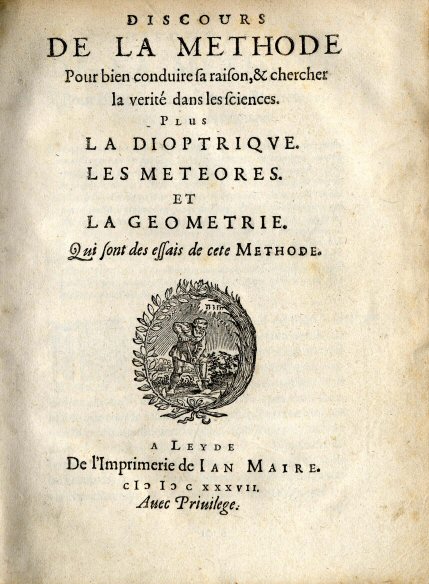 Book
Primary source
Discourse on the Method
René Descartes · 1637
 Book
Primary source
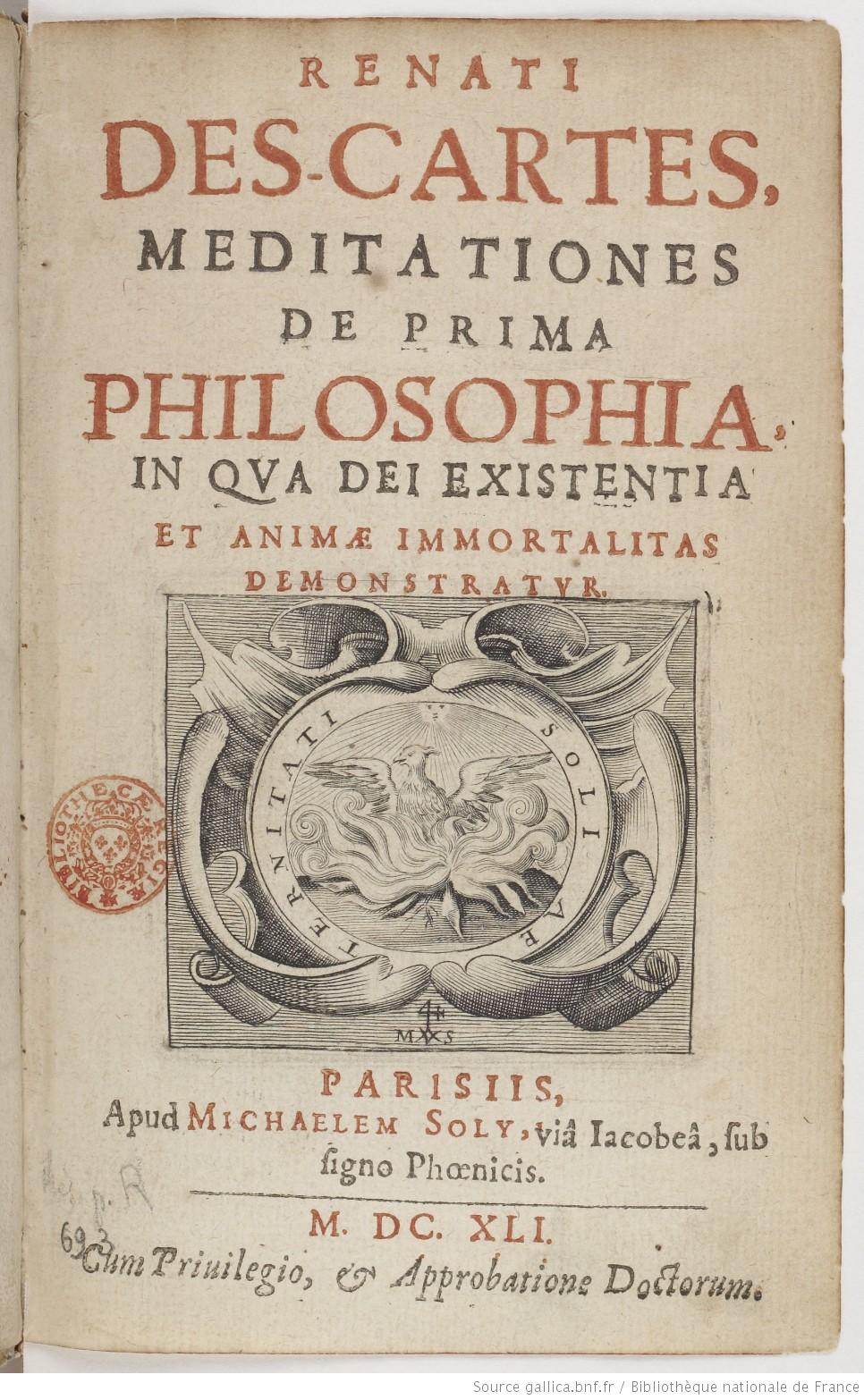
Meditations on First Philosophy
René Descartes · 1641
 Document
Primary source
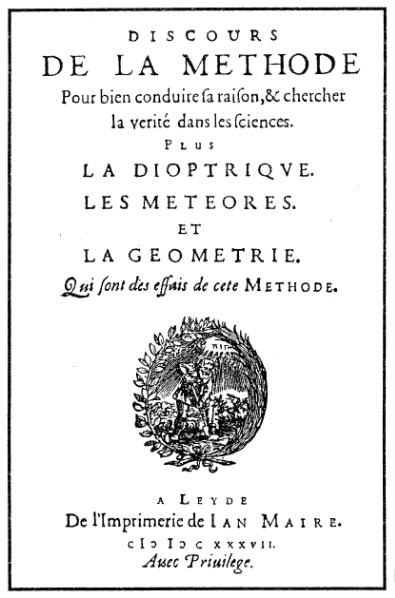
La Géométrie
René Descartes · 1637
 Painting
Primary source
Portrait of René Descartes
Frans Hals · 1649
 Book
Primary source
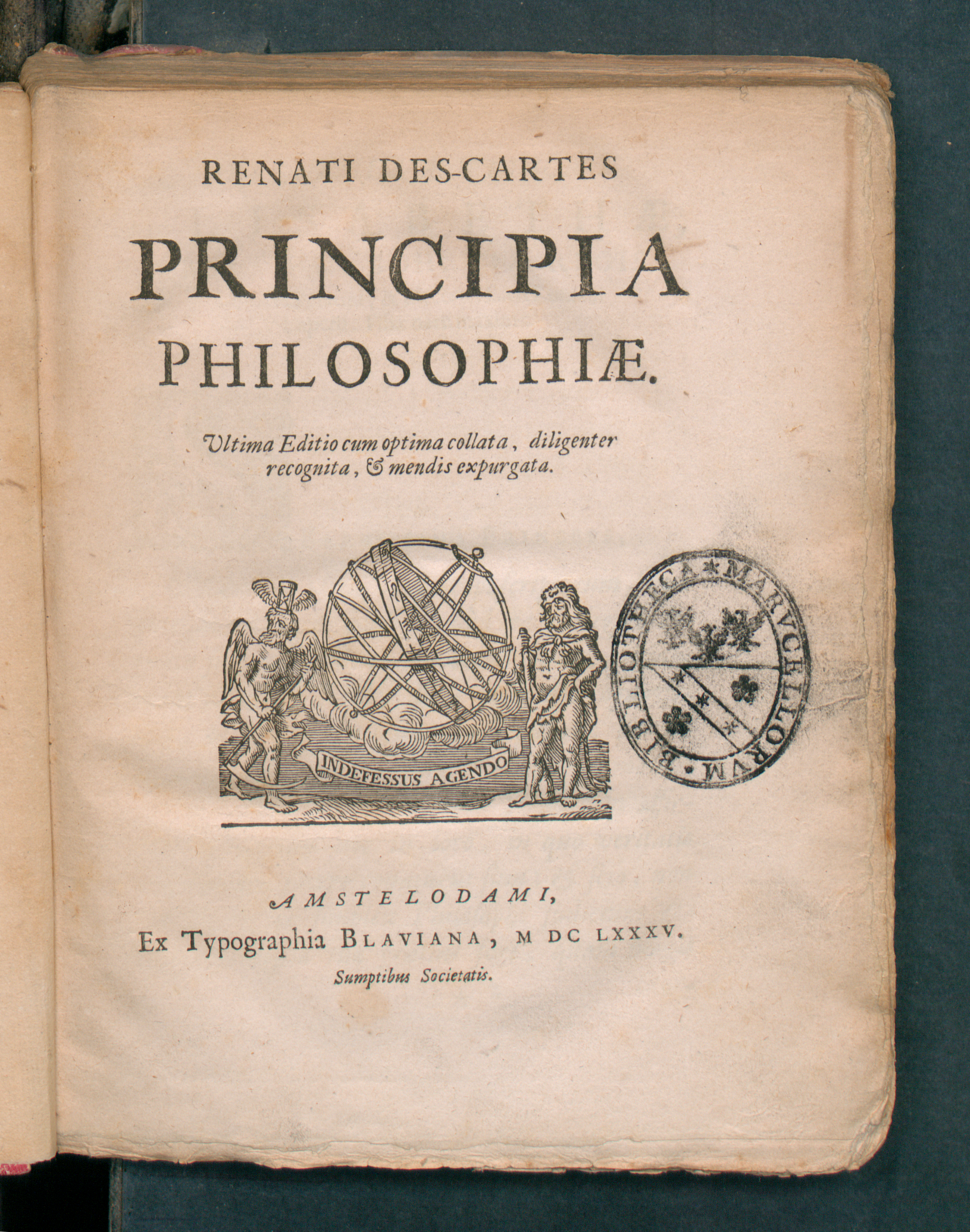
Principles of Philosophy
René Descartes · 1644
Ready when you are
Start chatting with Rene Descartes now.
20 messages free · No credit card · Available in 50+ languages.