


Primary sourceArtifact
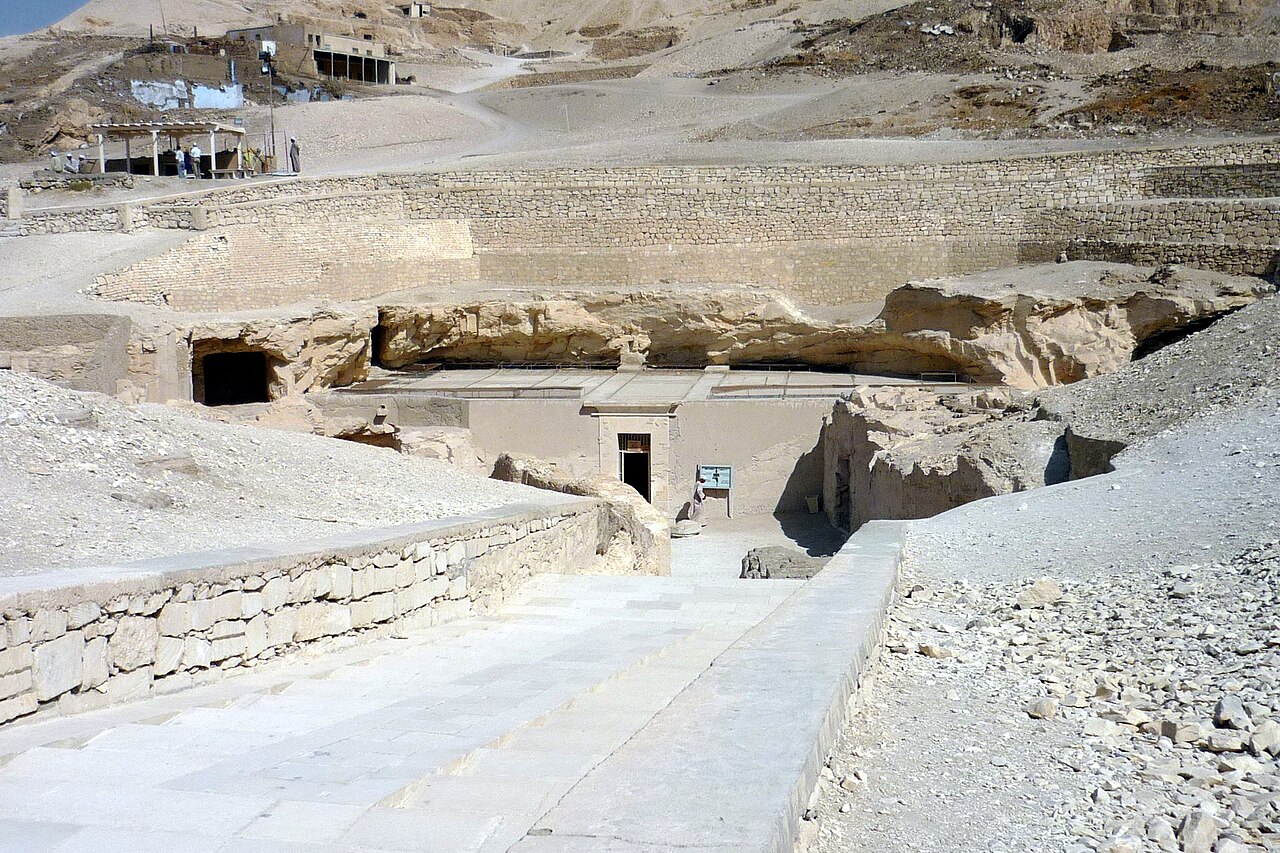
TT55 (Tomb of Ramose)
The tomb of the vizier Ramose at Thebes, which contains one of the earliest known depictions of Nefertiti, shown standing behind the king.
This tomb contains one of the earliest known images of Nefertiti, shown standing beside the king before the move to Amarna.
About this source
What it is
Tomb TT55 in the Theban Necropolis at Sheikh Abd el-Qurna is the burial place of the ancient Egyptian vizier Ramose. Its walls combine traditional Theban decoration with the new Amarna style, including a scene on the west wall showing Akhenaten (labelled as Amenhotep IV) and Nefertiti seated on a balcony, rewarding Ramose with gold.
Why it matters
Because the king is still labelled by his earlier name Amenhotep IV, this is considered one of the earliest depictions of Nefertiti, made before the royal court moved to Amarna and before the full Amarna art style developed. It shows the transition between traditional and new artistic styles, and Nefertiti's early presence at the king's side.
Look closer
- What does the king's earlier name tell you about when this scene was carved?
- How does the style of this scene compare to later Amarna images of the royal couple?
- Why might Ramose have wanted this specific scene carved in his own tomb?
This artifact is part of the curated material that grounds the AI version of Queen Nefereti on Humy.ai — when students ask about related events, the AI can quote it and cite it.
More Queen Nefereti sources
Meet the AI Queen Nefereti →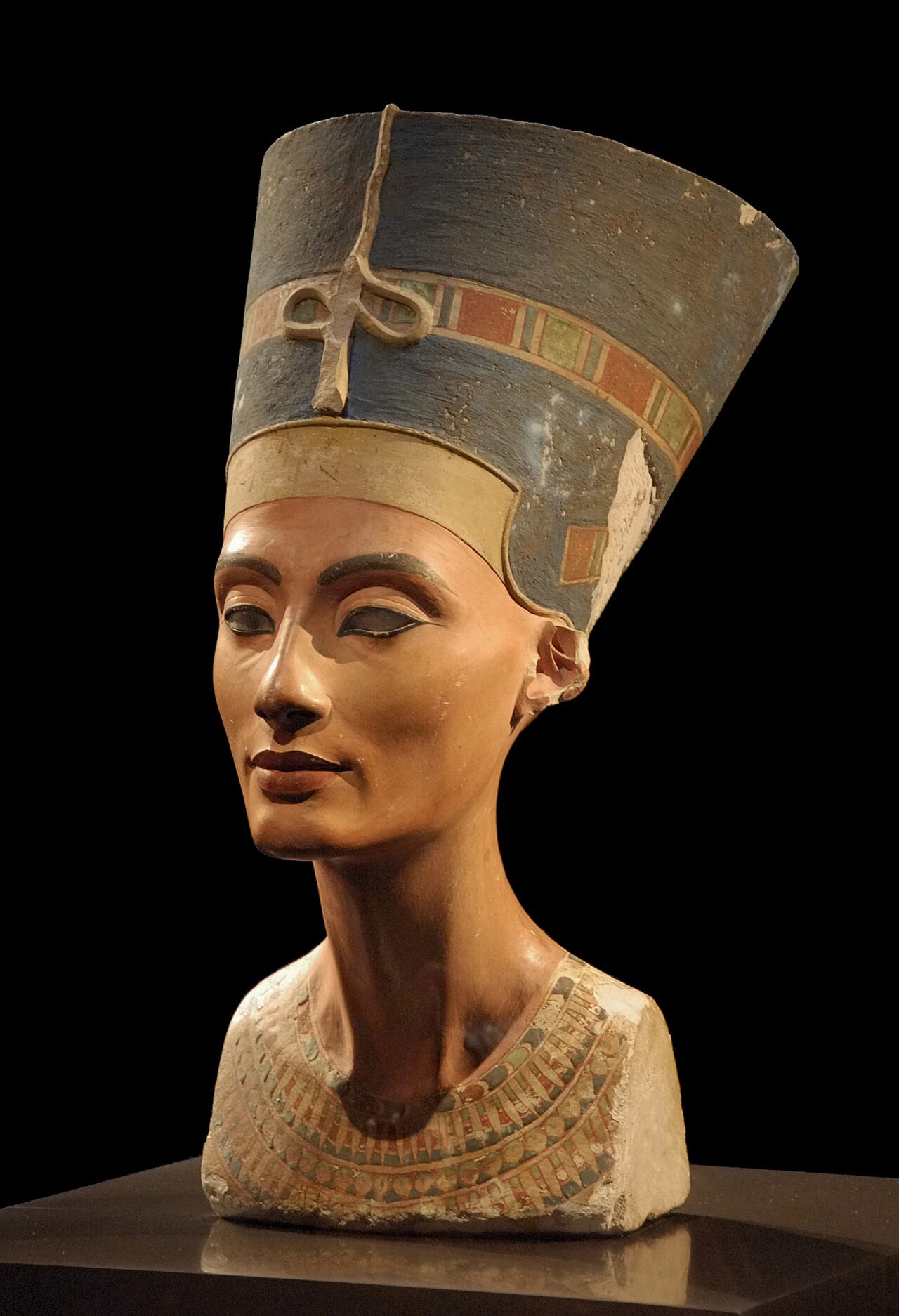 Sculpture
Primary source
Bust of Queen Nefertiti
Thutmose · c. 1345 BC
 Sculpture
Primary source
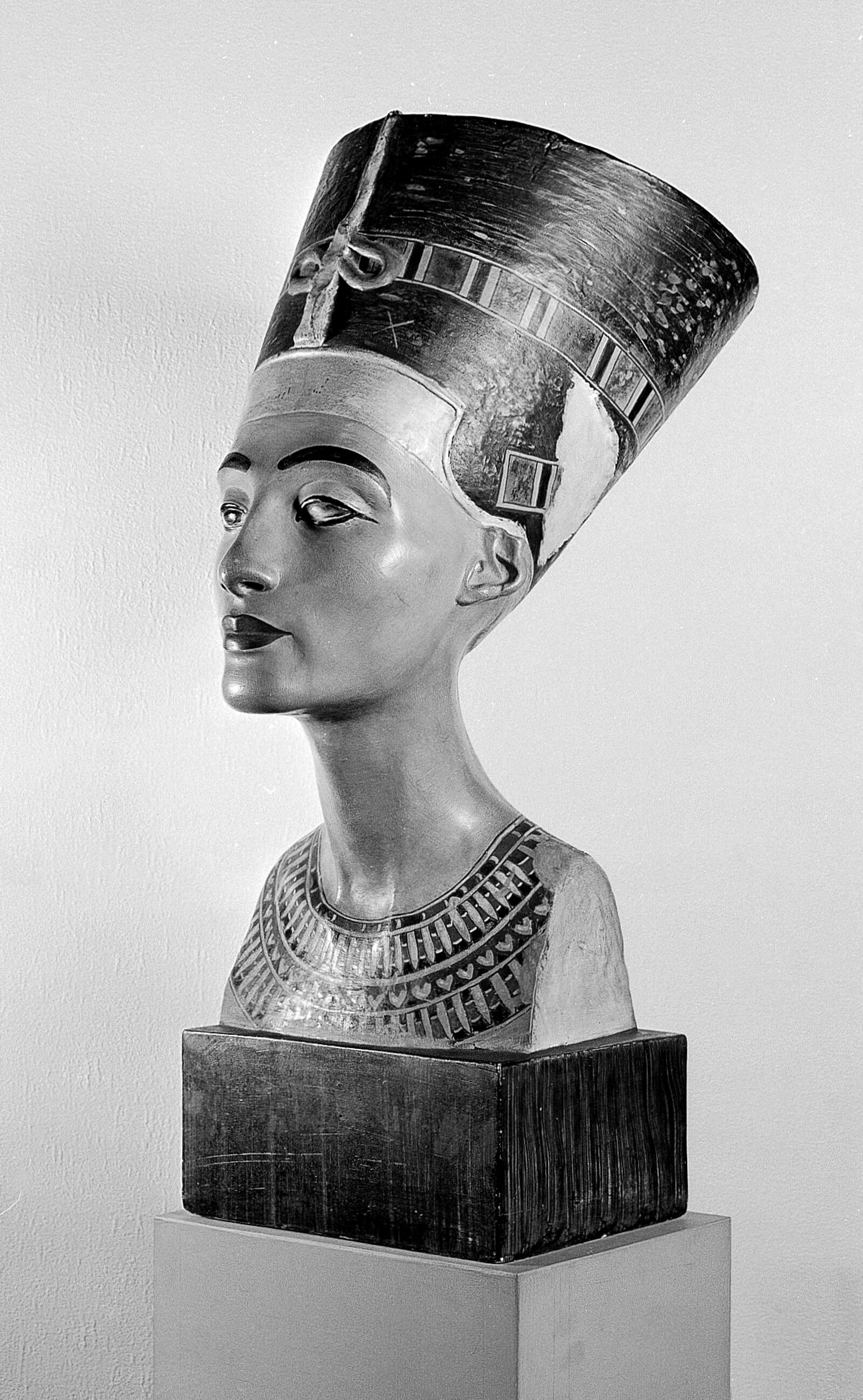
Figure of Nefertiti
 Sculpture
Primary source
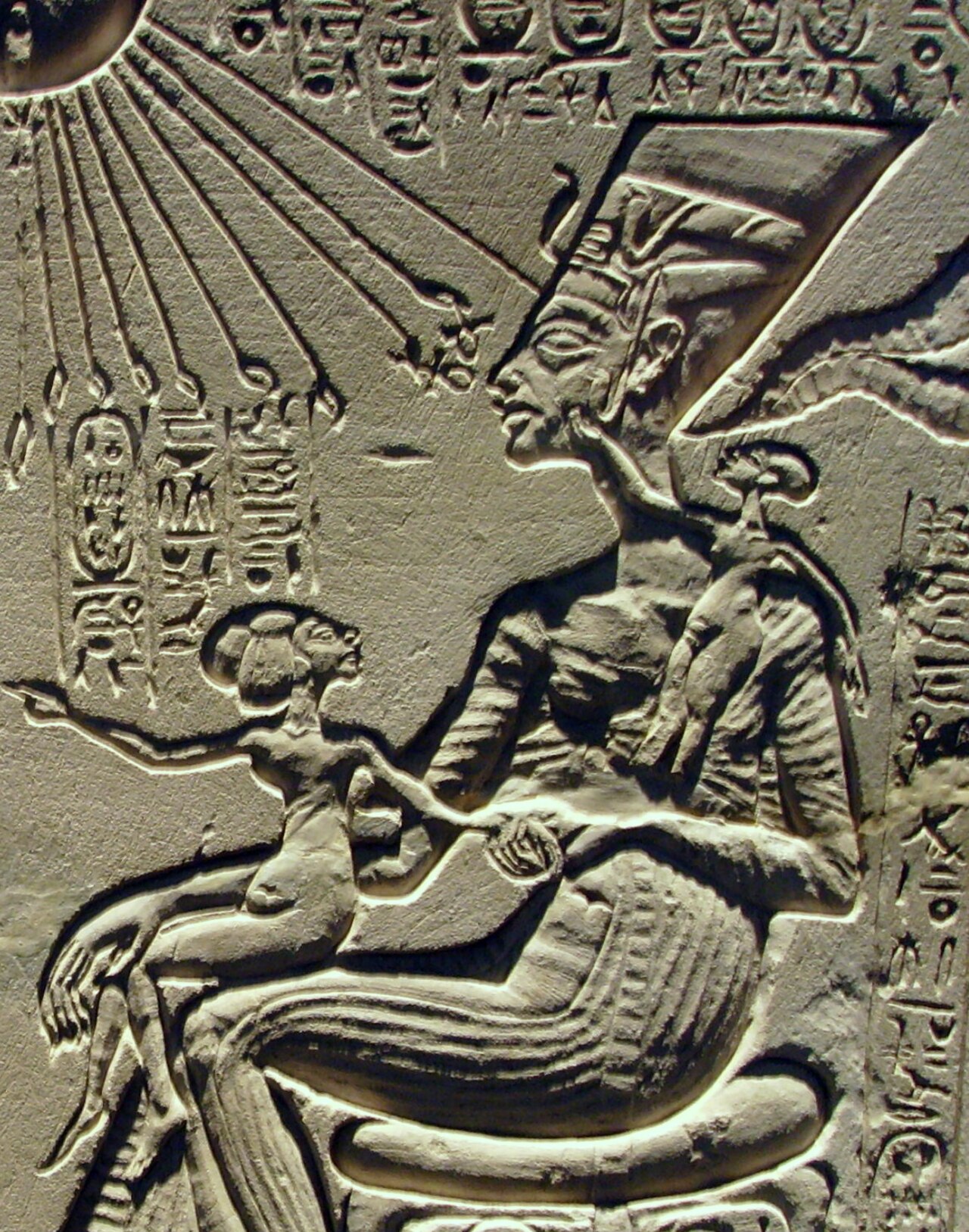
Akhenaten and His Family
c. 1352 BC
 Sculpture
Primary source
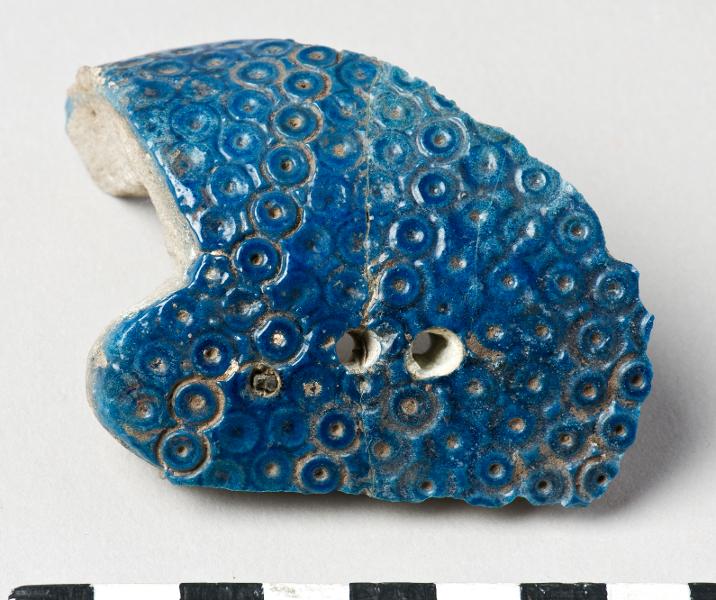
Relief Fragment Showing the Blue Crown of Nefertiti
 Document
Primary source
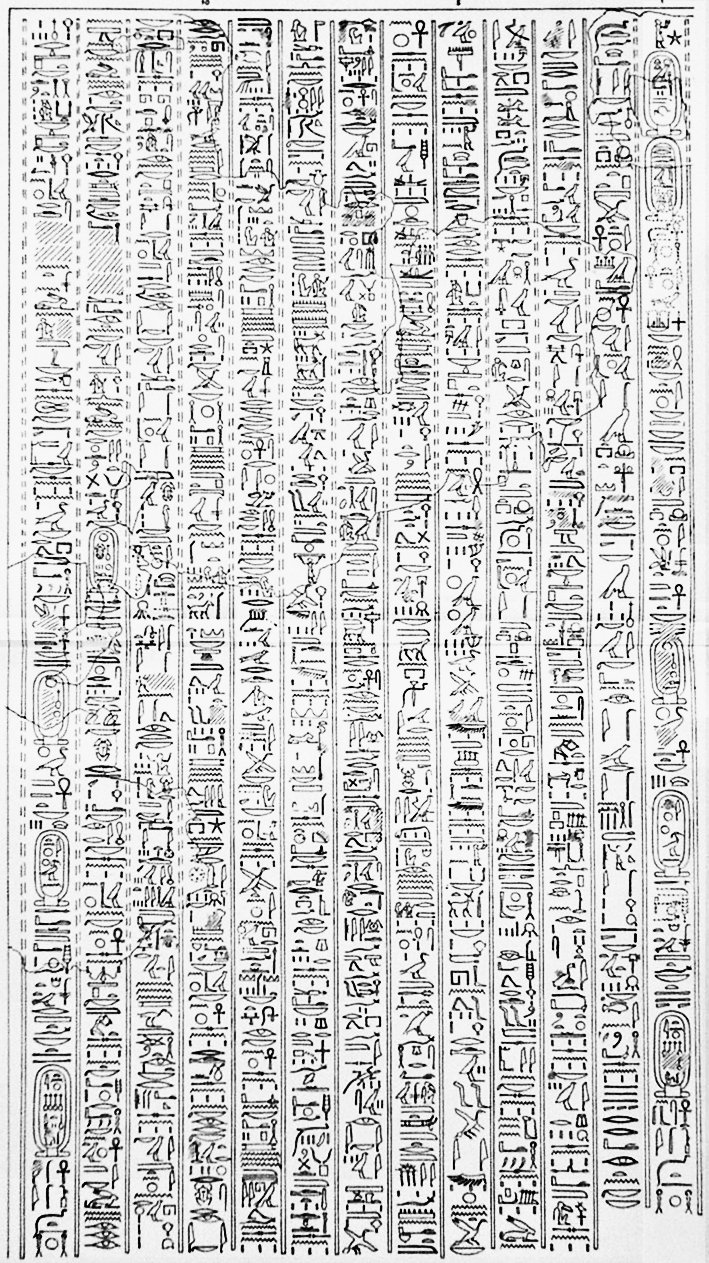
Great Hymn to the Aten
Akhenaten · c. 1350 BC
Ready when you are
Start chatting with Queen Nefereti now.
20 messages free · No credit card · Available in 50+ languages.