


Secondary sourceBook1923
Tutankhamen, Amenism, Atenism and Egyptian Monotheism
E. A. Wallis Budge · 1923
A 1923 scholarly study by E. A. Wallis Budge examining Tutankhamun's religious reforms, with hieroglyphic hymn texts to Amen and Aten.
This study examines the religious context of Tutankhamun's reign and his links to Atenism.
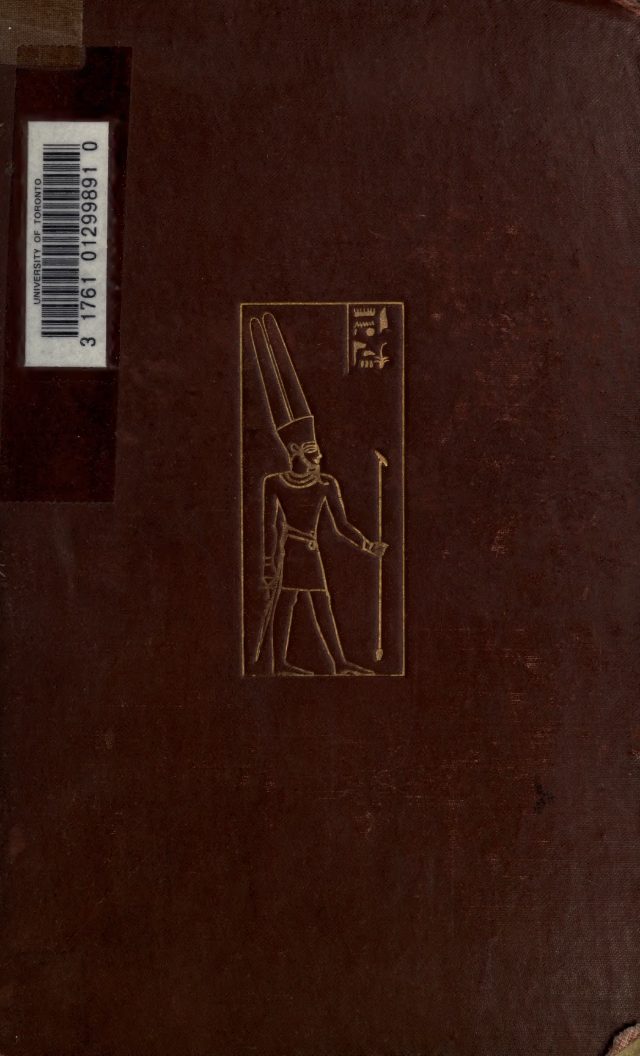 PDF · 194 pages
About this source
What it is
This 1923 book was written by Sir E. A. Wallis Budge, Keeper of Egyptian and Assyrian Antiquities at the British Museum. It studies the religious changes connected with Tutankhamun's reign, including the worship of Amen and Aten, and includes hieroglyphic texts of hymns with translations.
Why it matters
Written soon after the tomb's discovery, the book reflects how scholars of the time tried to connect Tutankhamun to the religious upheavals of his predecessor Akhenaten and the god Aten. It shows how Egyptologists used ancient texts to reconstruct beliefs about kingship and religion.
Look closer
- Why might a scholar in 1923 want to connect Tutankhamun's tomb to questions of religion?
- What is the difference between a hymn written by a king and one studied by a modern scholar?
- How does the dedication to Lord Carnarvon hint at the context in which this book was written?
This book is part of the curated material that grounds the AI version of Tutankhamun on Humy.ai — when students ask about related events, the AI can quote it and cite it.
More Tutankhamun sources
Meet the AI Tutankhamun →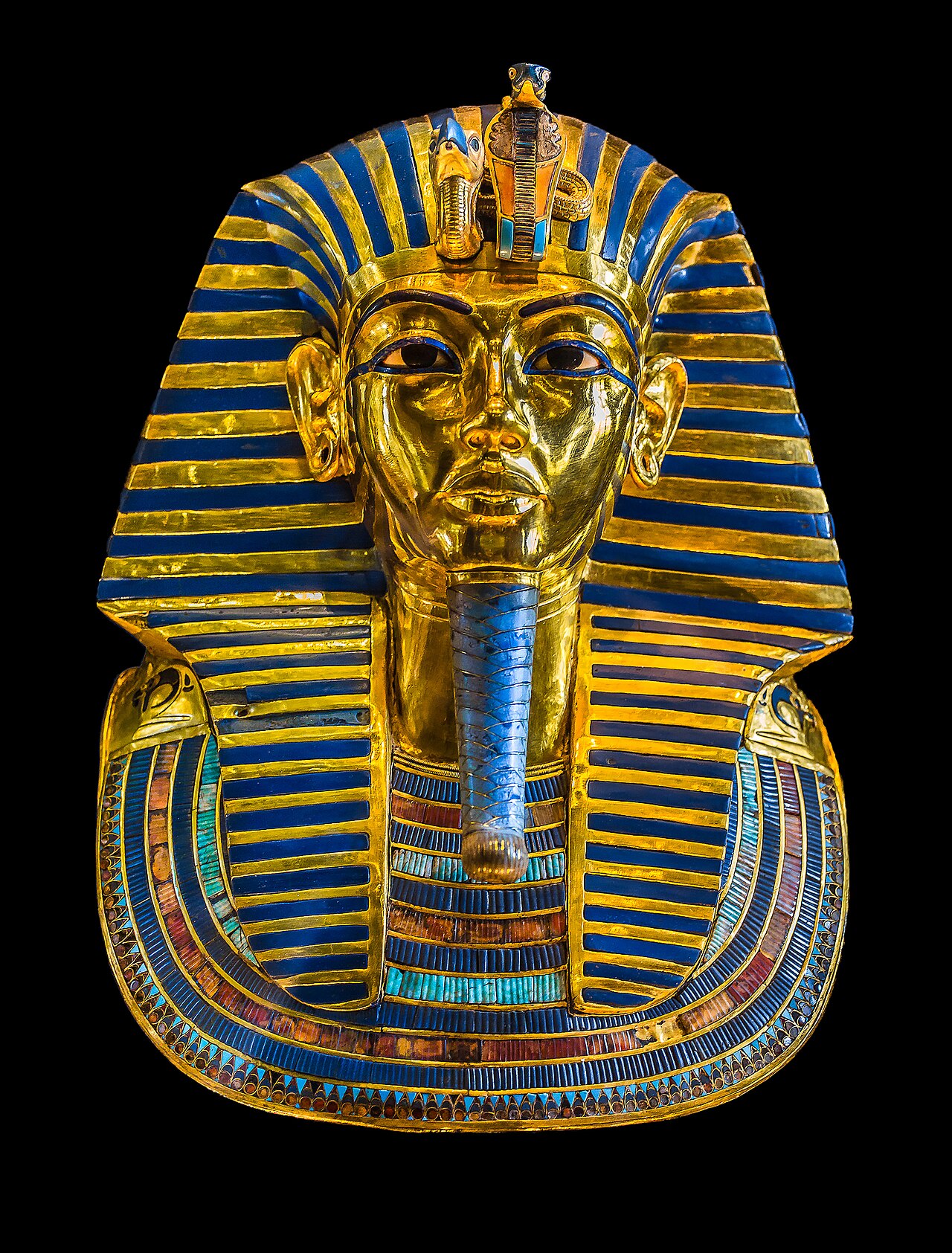 Artifact
Primary source
Mask of Tutankhamun
c. 1333 BCE
 Photograph
Primary source
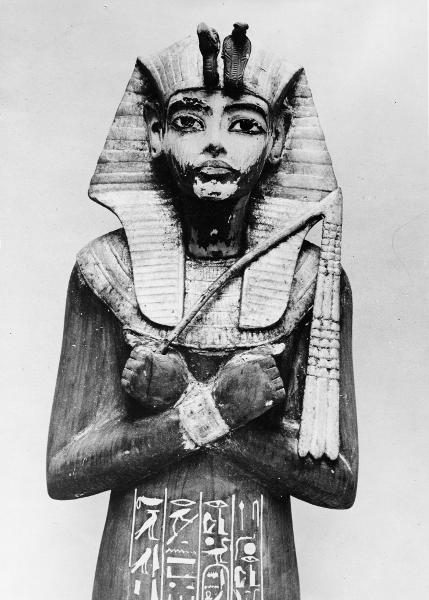
Photograph of Tutankhamun's Shawabti Figure
Harry Burton · 1920s
 Artifact
Primary source
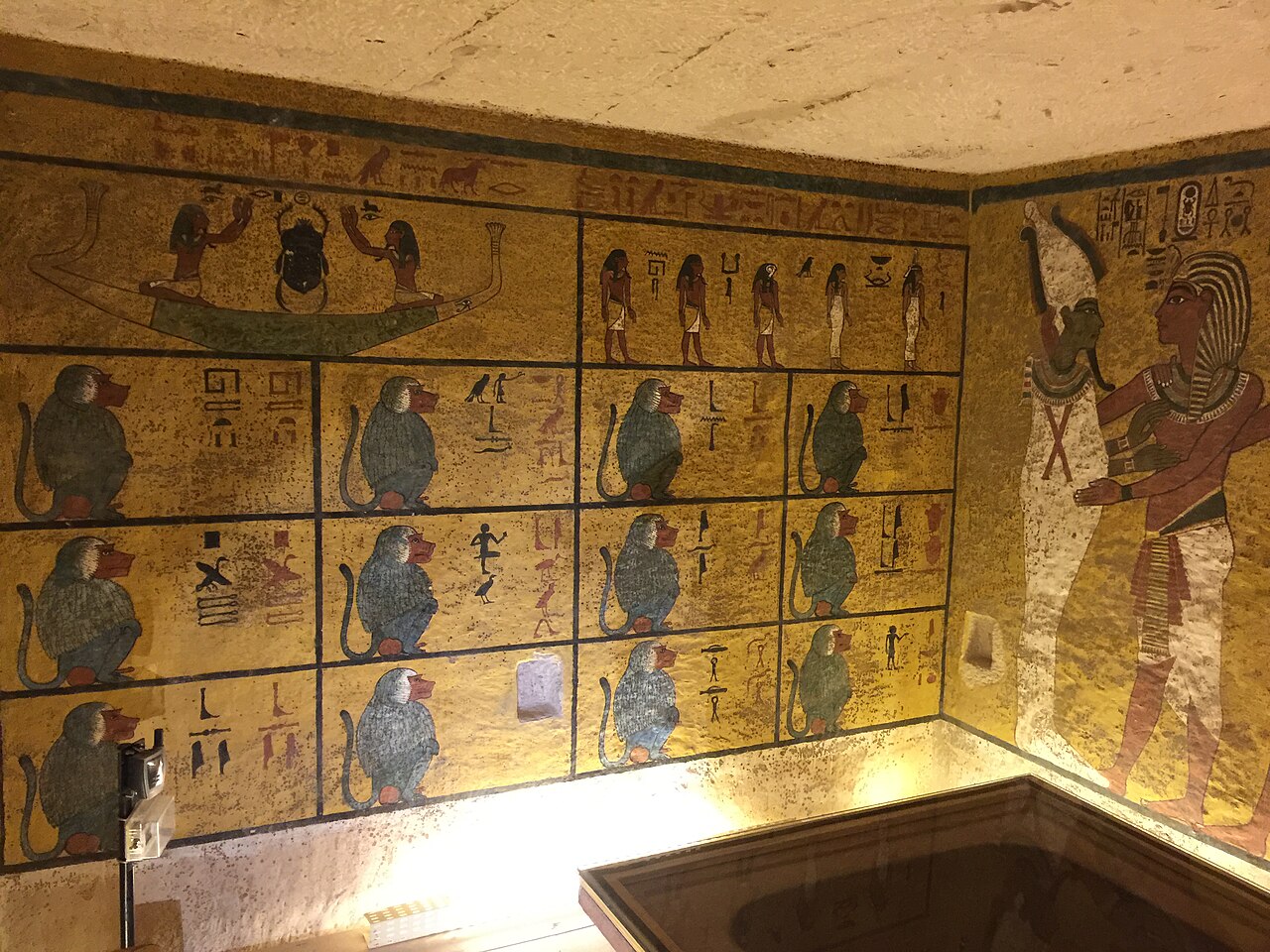
Tomb of Tutankhamun
14th century BCE
 Photograph
Primary source
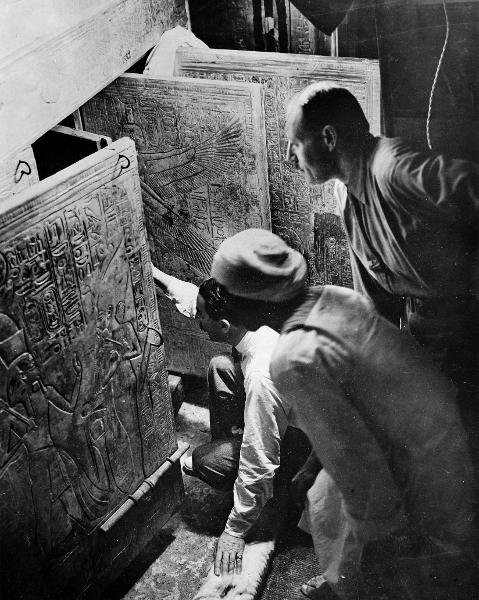
Opening the Doors of the Fourth Shrine in Tutankhamun's Tomb
Harry Burton · 1920s
 Document
Primary source
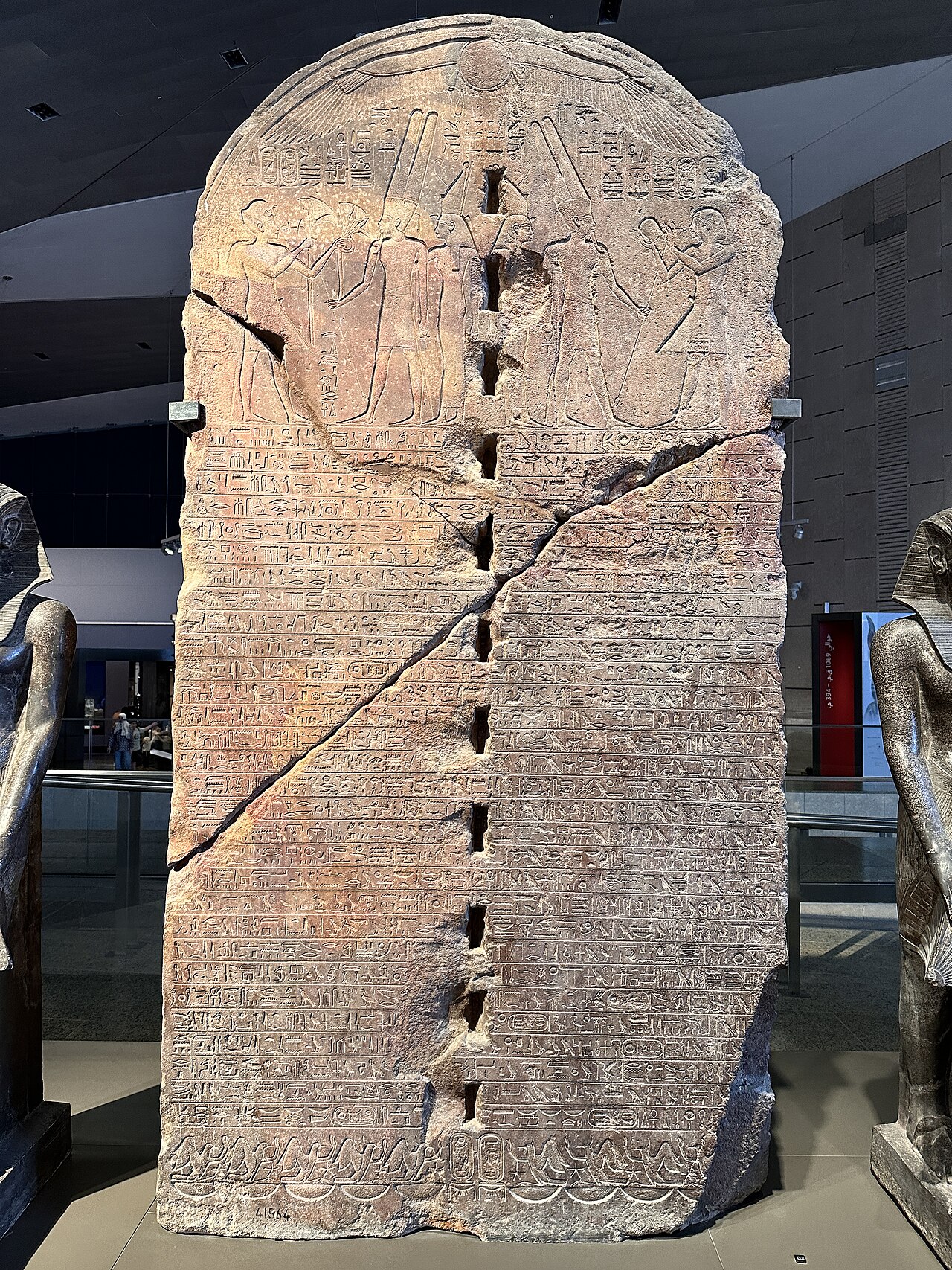
Restoration Stela
Tutankhamun · c. 1326 BCE
Ready when you are
Start chatting with Tutankhamun now.
20 messages free · No credit card · Available in 50+ languages.