


Primary sourceArtifactc. 1400 BCE
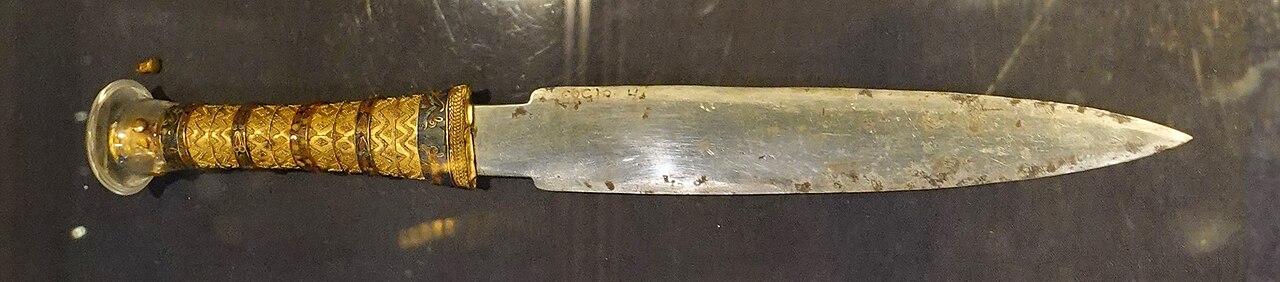
Tutankhamun's Meteoric Iron Dagger Blade
c. 1400 BCE
An iron-bladed dagger with a gold handle, found wrapped in Tutankhamun's mummy wrappings, its blade made from meteoric iron.
This dagger was buried with Tutankhamun's mummy and shows the rare, valuable materials surrounding his burial.
About this source
What it is
This dagger was found between the mummy wrappings on Tutankhamun's thigh. Its blade is iron with a high nickel content, shown by later scientific analysis to have come from a meteorite, and its handle is gold. It is held at the Egyptian Museum in Cairo.
Why it matters
At the time of Tutankhamun's burial, iron smelting was rare in Egypt, and iron objects were used mainly for ritual, ornamental or gift purposes. This dagger was likely a diplomatic gift, showing the rare materials and far-reaching contacts available to the Egyptian court, and reflecting ancient Egyptian links between iron, meteorites and the stars.
Look closer
- Why might a rare, sky-derived material be chosen for an object buried with a king?
- What does the presence of this dagger suggest about trade or gift-giving between kingdoms?
- What do we not know about how this specific object reached Tutankhamun's tomb?
This artifact is part of the curated material that grounds the AI version of Tutankhamun on Humy.ai — when students ask about related events, the AI can quote it and cite it.
More Tutankhamun sources
Meet the AI Tutankhamun →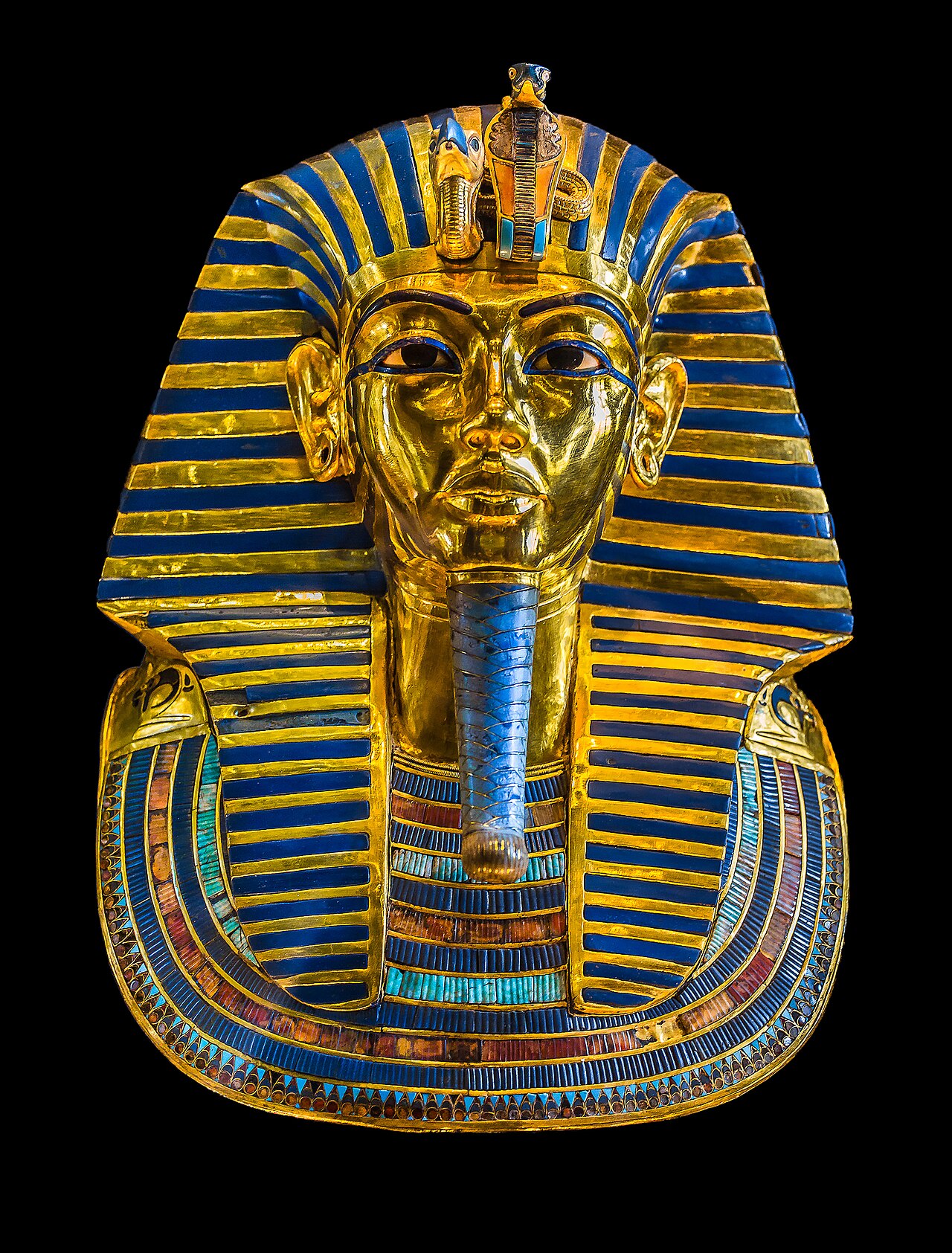 Artifact
Primary source
Mask of Tutankhamun
c. 1333 BCE
 Photograph
Primary source
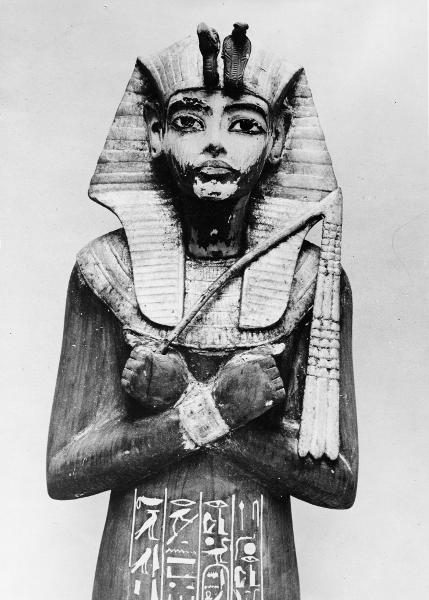
Photograph of Tutankhamun's Shawabti Figure
Harry Burton · 1920s
 Artifact
Primary source
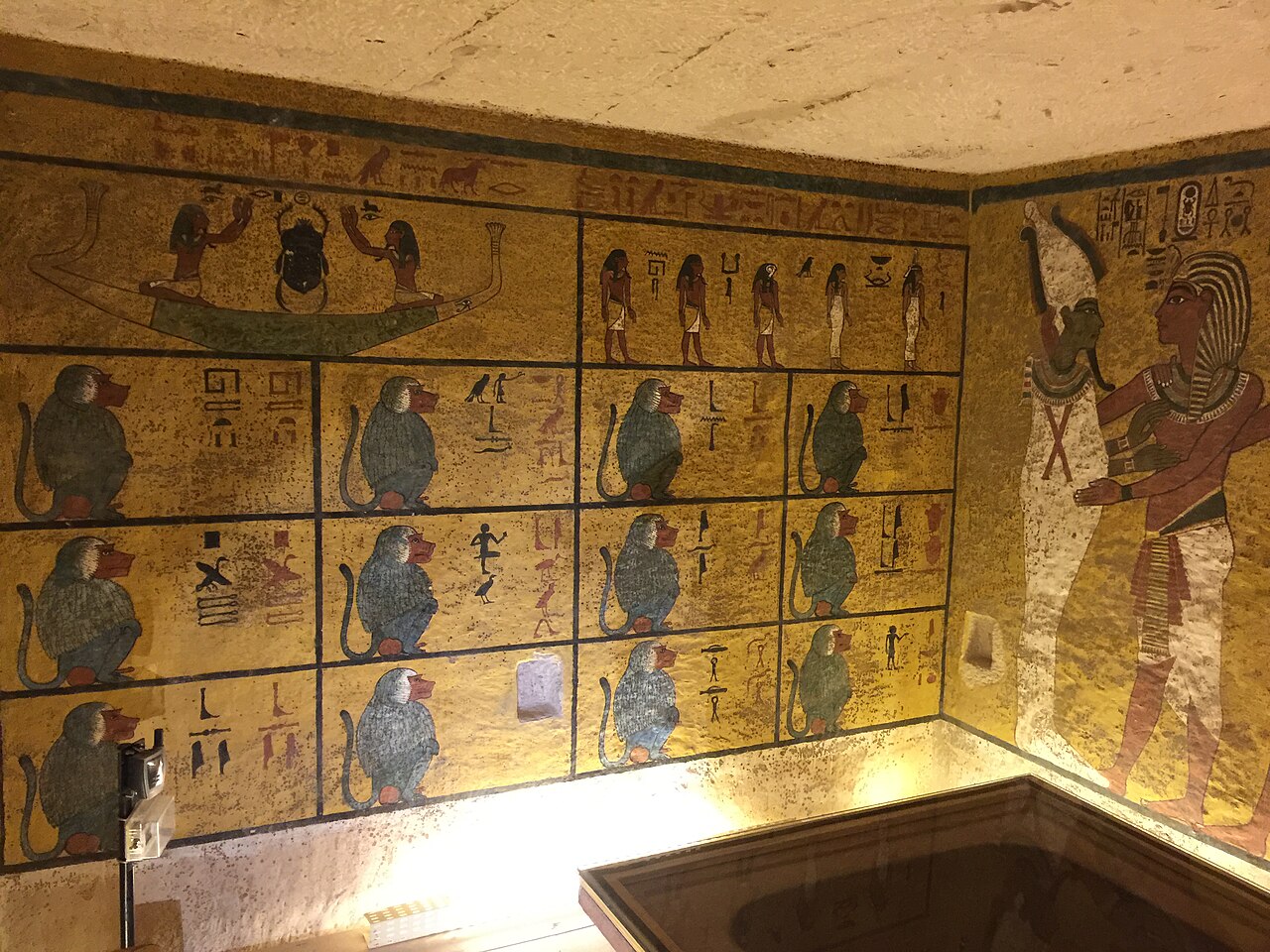
Tomb of Tutankhamun
14th century BCE
 Photograph
Primary source
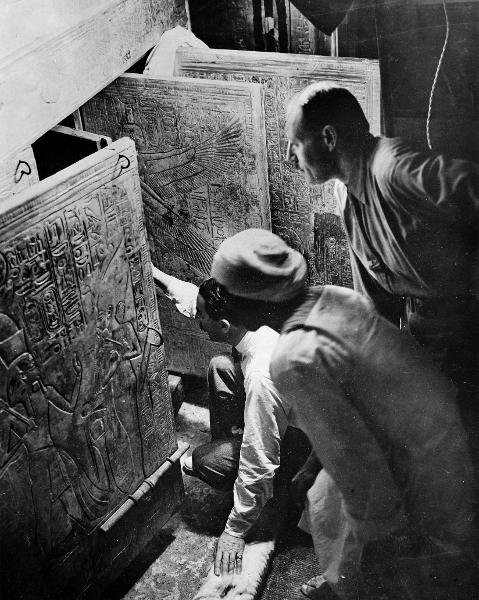
Opening the Doors of the Fourth Shrine in Tutankhamun's Tomb
Harry Burton · 1920s
 Document
Primary source
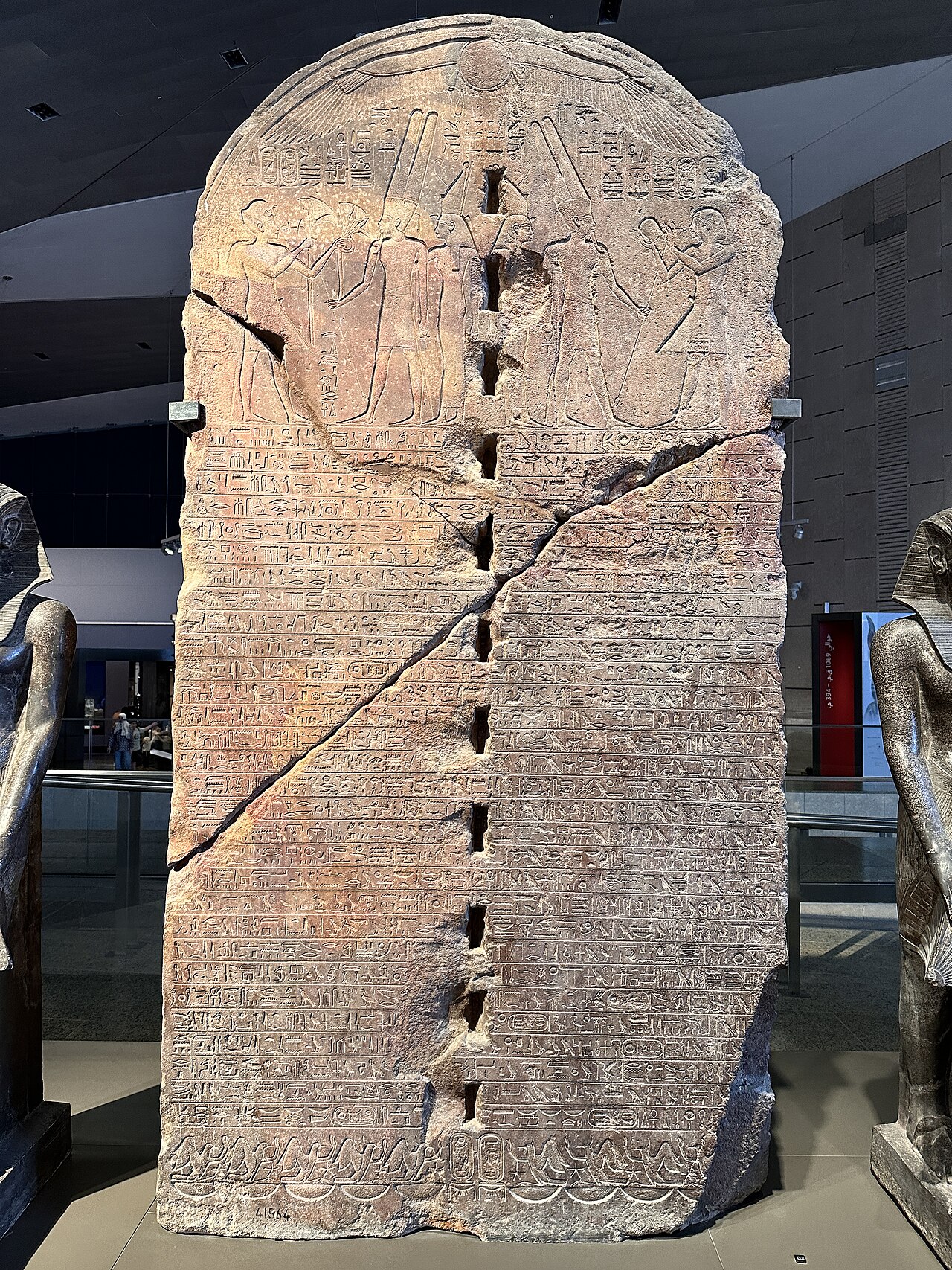
Restoration Stela
Tutankhamun · c. 1326 BCE
Ready when you are
Start chatting with Tutankhamun now.
20 messages free · No credit card · Available in 50+ languages.