


Primary sourceArtifact
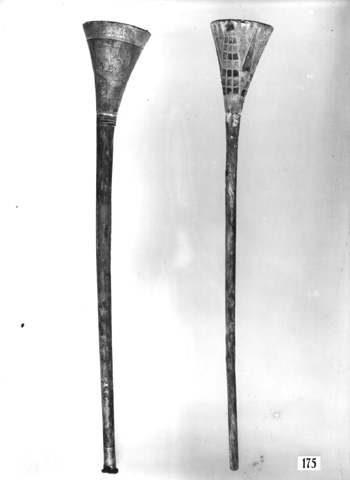
Tutankhamun's Trumpets
A pair of silver and bronze trumpets found in Tutankhamun's tomb, among the oldest playable instruments in the world.
These trumpets were part of Tutankhamun's tomb goods, likely used for royal or military signalling in his reign.
About this source
What it is
These are two trumpets, one of sterling silver and one of bronze or copper, found in 1922 by Howard Carter in Tutankhamun's tomb. They are considered the oldest operational trumpets in the world and the only surviving examples from ancient Egypt, now held at the Egyptian Museum.
Why it matters
Decorated with images of gods and the king's name, the trumpets were likely used for military signalling, linking Tutankhamun to Egypt's army. In 1939 they were sounded in a famous BBC broadcast heard by millions, connecting an ancient object directly to a modern audience, though the fragile instruments have rarely been played since.
Look closer
- Why might a trumpet be placed in a king's tomb rather than left for soldiers to use?
- What does the risk of damage when playing the trumpets tell us about balancing preservation and understanding of ancient objects?
- What stories, like claims about the trumpet causing wars, show how objects can gain new meanings over time?
This artifact is part of the curated material that grounds the AI version of Tutankhamun on Humy.ai — when students ask about related events, the AI can quote it and cite it.
More Tutankhamun sources
Meet the AI Tutankhamun →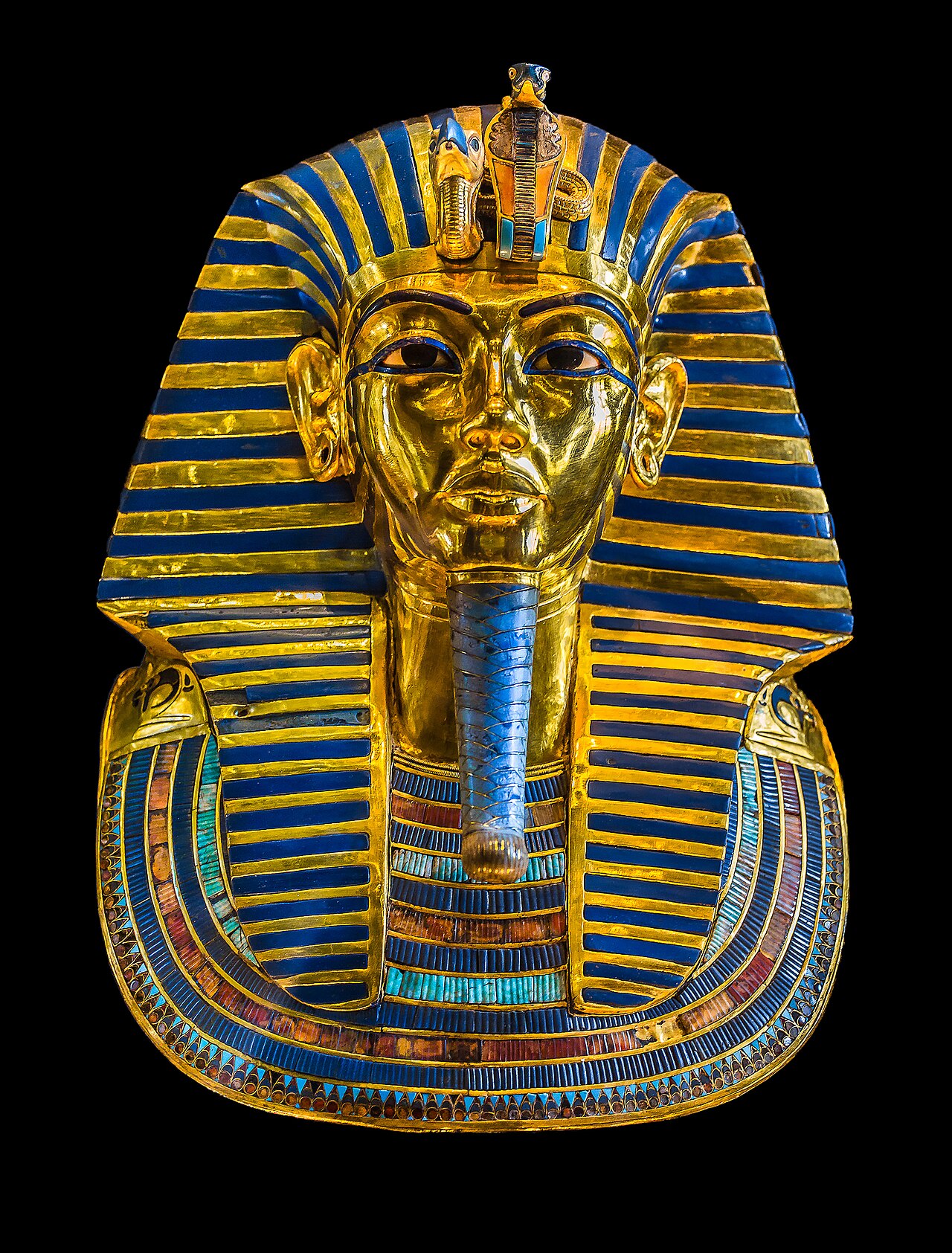 Artifact
Primary source
Mask of Tutankhamun
c. 1333 BCE
 Photograph
Primary source
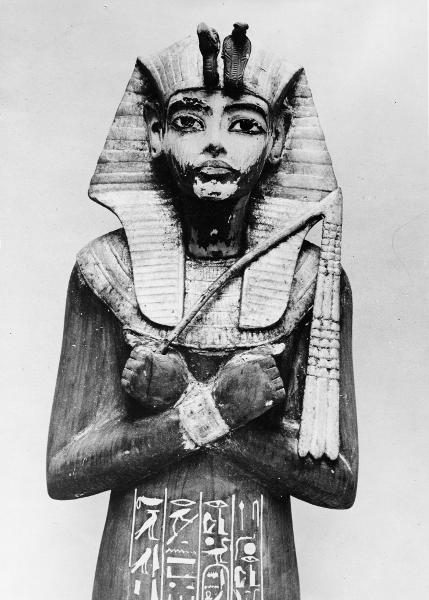
Photograph of Tutankhamun's Shawabti Figure
Harry Burton · 1920s
 Artifact
Primary source
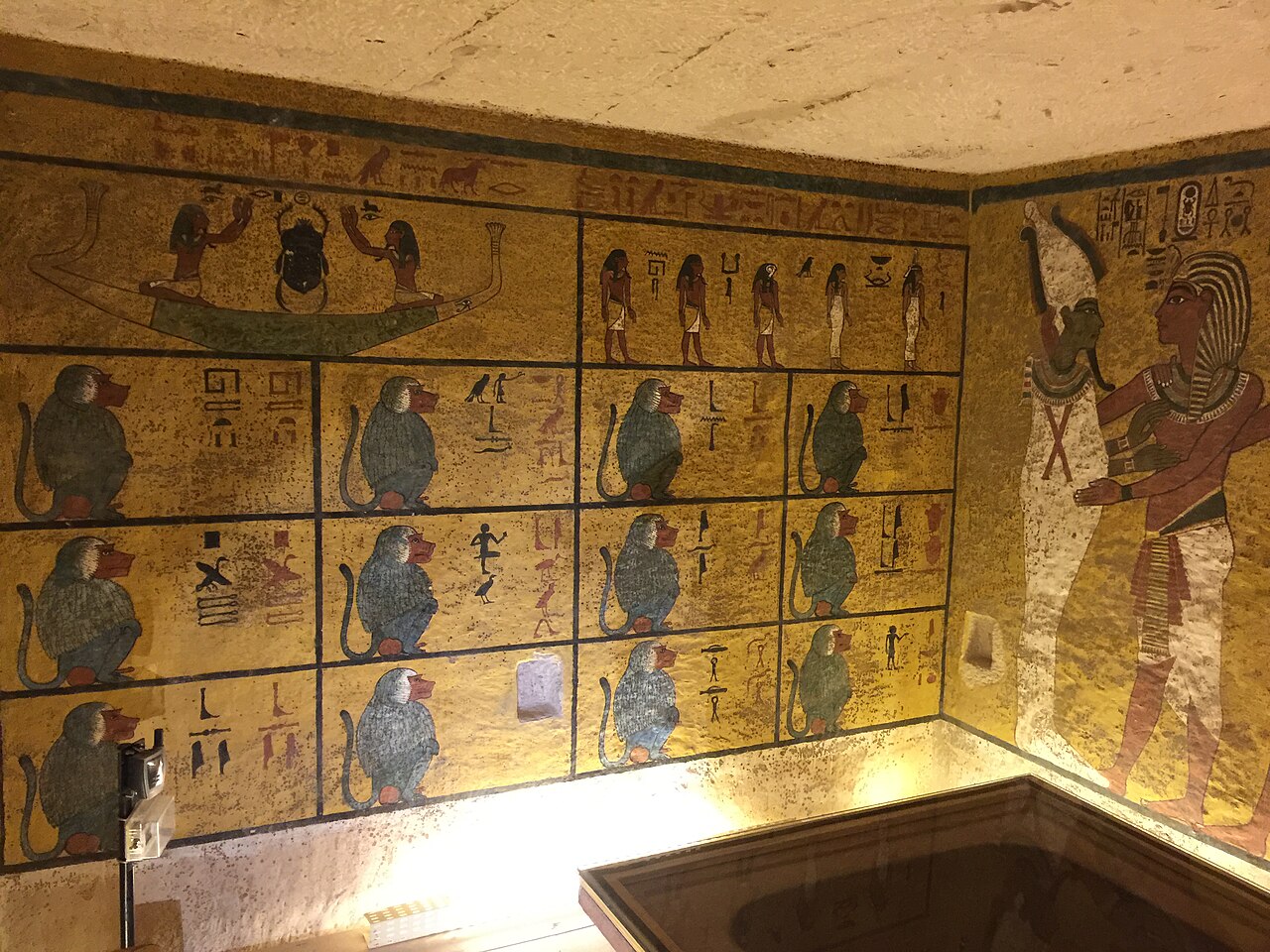
Tomb of Tutankhamun
14th century BCE
 Photograph
Primary source
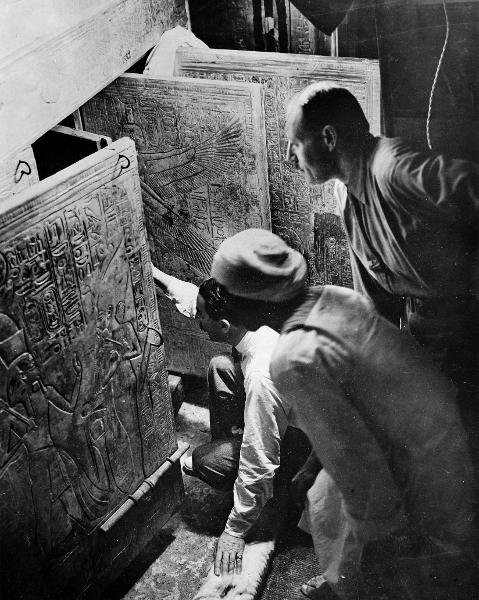
Opening the Doors of the Fourth Shrine in Tutankhamun's Tomb
Harry Burton · 1920s
 Document
Primary source
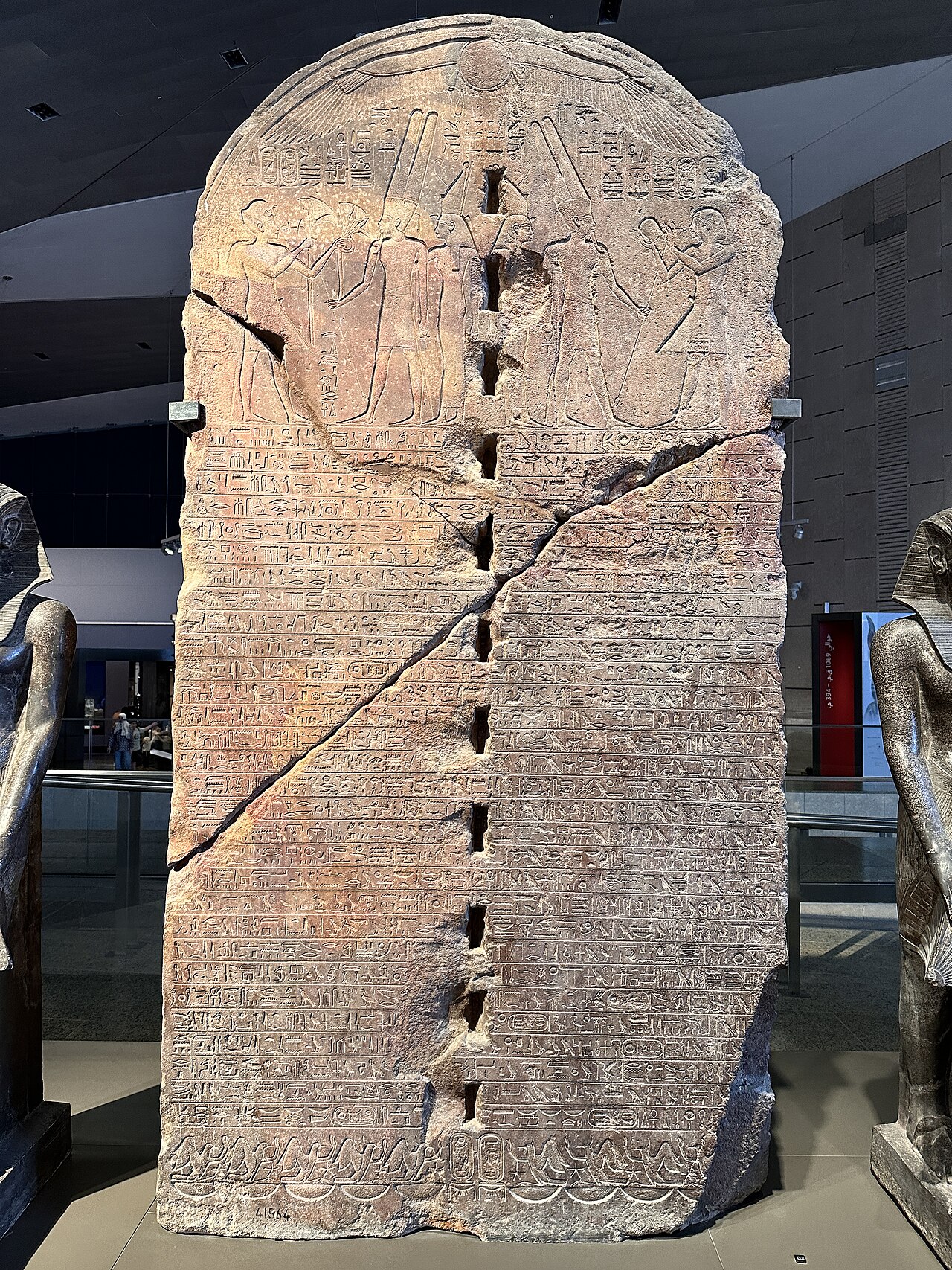
Restoration Stela
Tutankhamun · c. 1326 BCE
Ready when you are
Start chatting with Tutankhamun now.
20 messages free · No credit card · Available in 50+ languages.