


Primary sourcePainting1796-1798
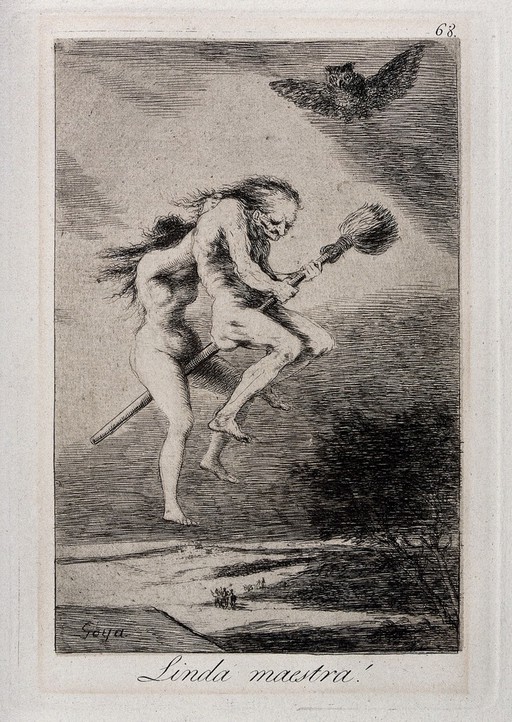
Two Naked Witches on a Broomstick
Francisco Goya y Lucientes · 1796-1798
A Goya etching from the Caprichos series showing two naked witches flying on a broomstick with an owl, satirising superstition.
Goya etched, captioned and signed this plate himself as part of his satirical witchcraft sequence.
About this source
What it is
Captioned Linda maestra!, this etching is plate 63 from Caprichos, made by Francisco Goya around 1796–1798 and signed by him. It shows two naked, thin witches flying on a broomstick beneath a dark sky, accompanied by an owl, above a dark landscape. It is held by the Wellcome Collection.
Why it matters
This image belongs to a cluster of witchcraft scenes within the Caprichos through which Goya mocked popular superstition in late 18th-century Spain. The flying witches and owl are traditional symbols of night and folly, which Goya reused to critique belief in magic rather than to illustrate it literally. The series as a whole reveals Goya working as a social satirist alongside his better-known career as a painter.
Look closer
- Why might Goya have chosen to show the witches as naked and thin?
- What role does the owl play in the composition?
- How does the title 'Linda maestra' (pretty teacher) change how we read the image?
This painting is part of the curated material that grounds the AI version of Francisco Goya on Humy.ai — when students ask about related events, the AI can quote it and cite it.
More Francisco Goya sources
Meet the AI Francisco Goya →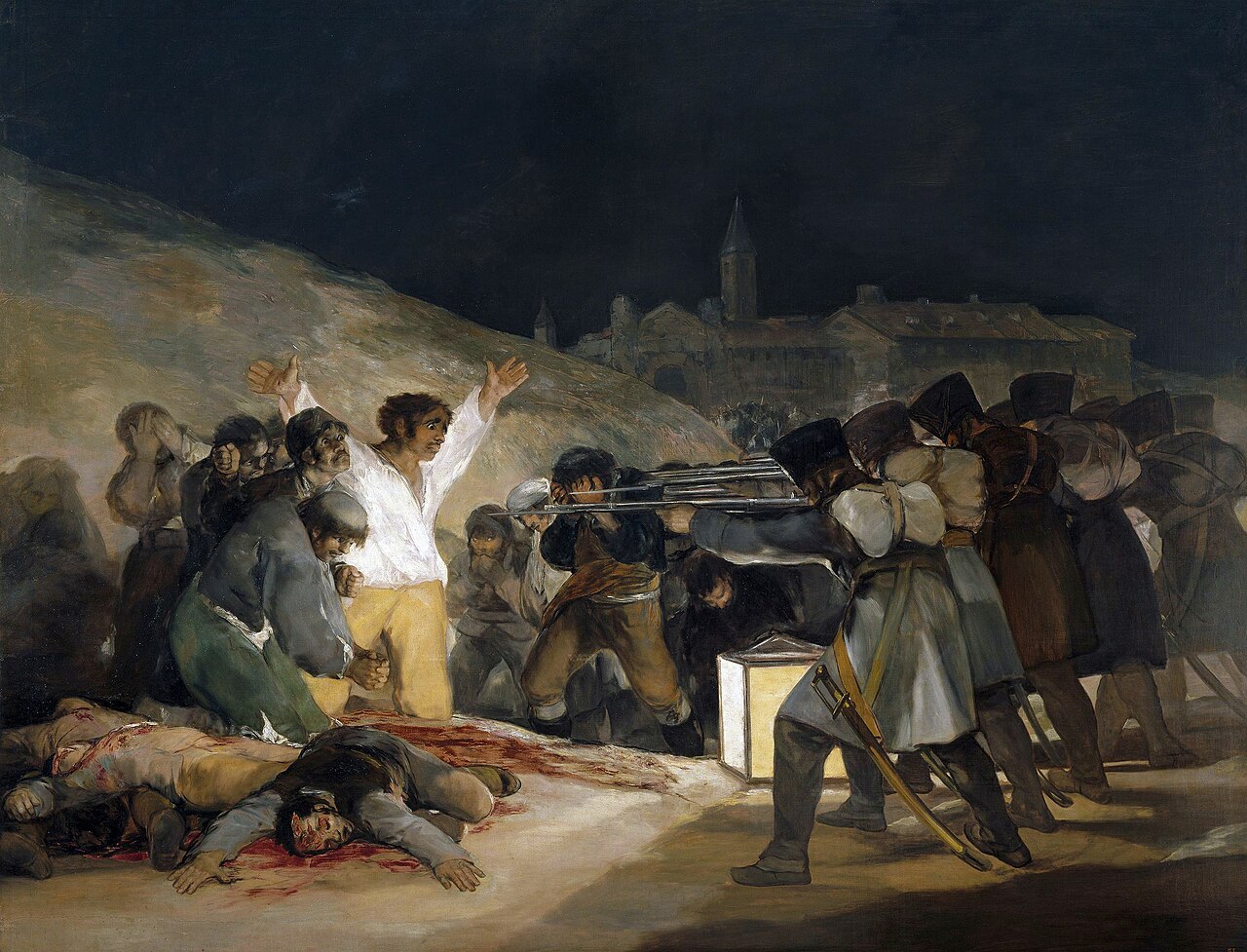 Painting
Secondary source
The Third of May 1808
Francisco Goya · 1814
 Painting
Primary source
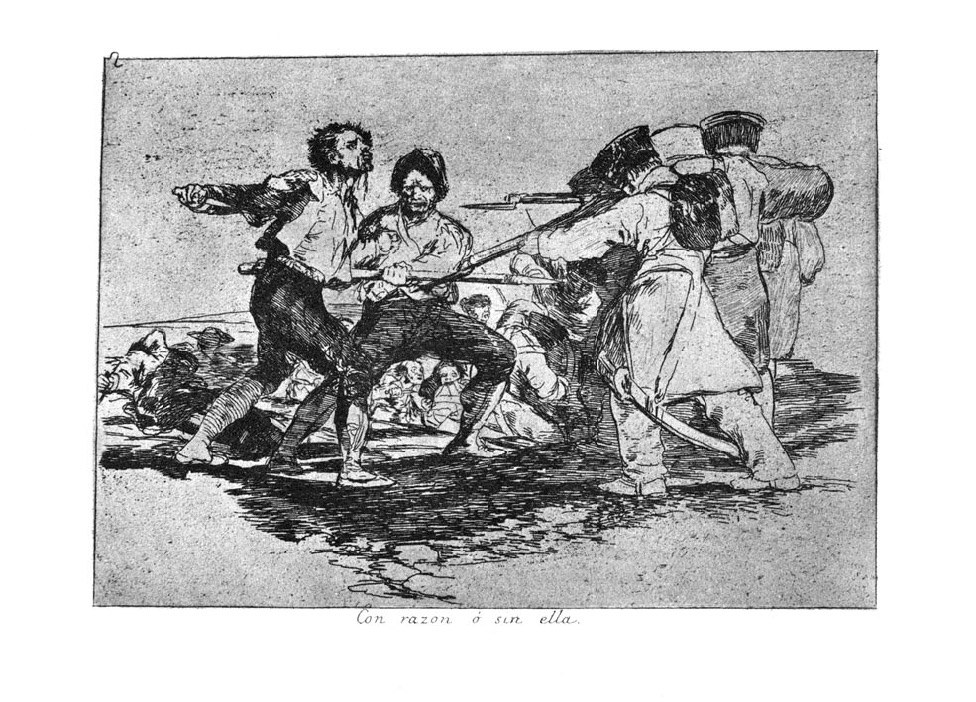
The Disasters of War
Francisco Goya · 1810-1820
 Painting
Primary source
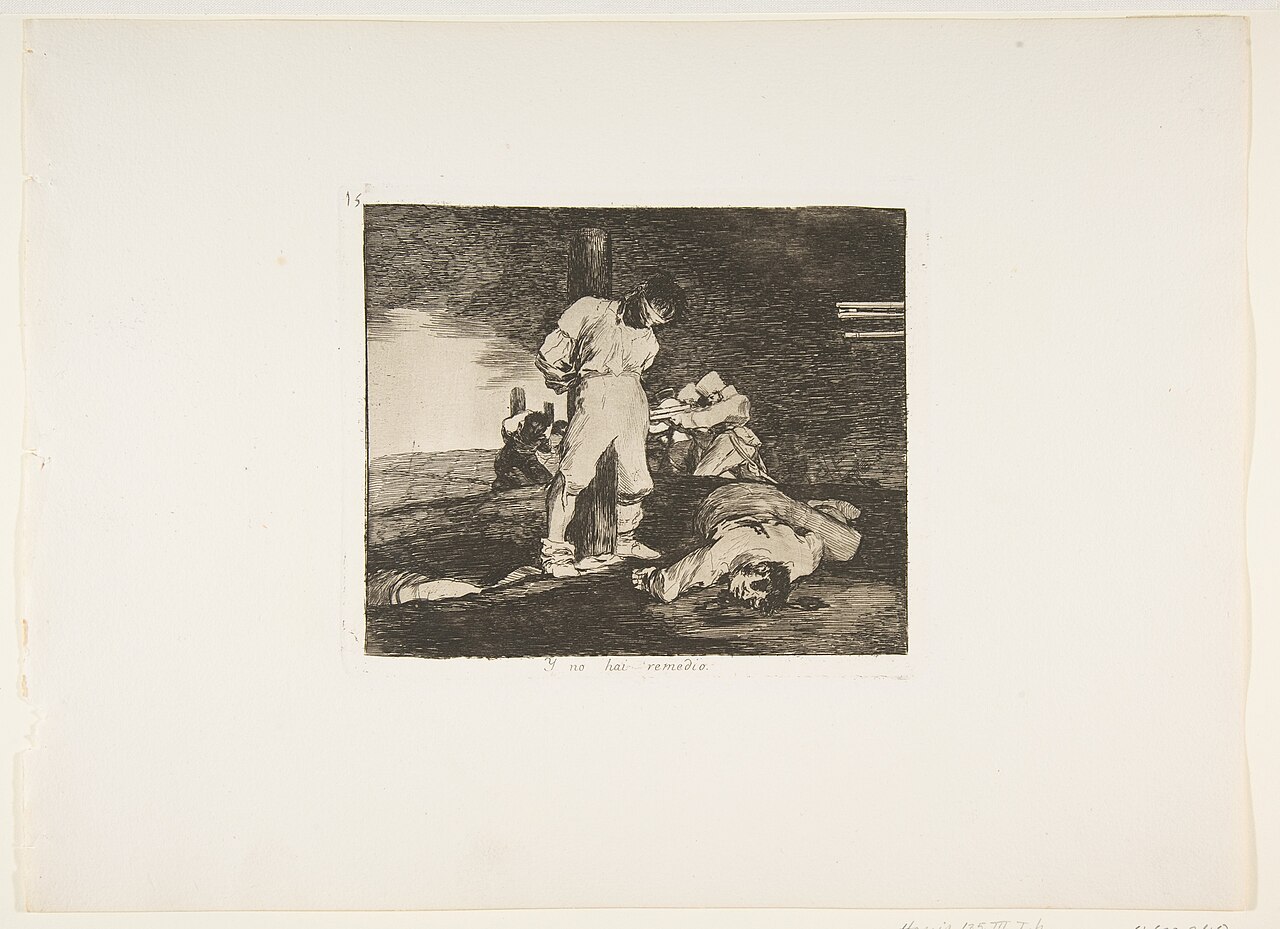
Y no hai remedio
Francisco de Goya · c. 1810-1814 (published 1863)
 Painting
Primary source
Caprichos
Francisco Goya · 1799 (created 1797-1798)
 Painting
Primary source
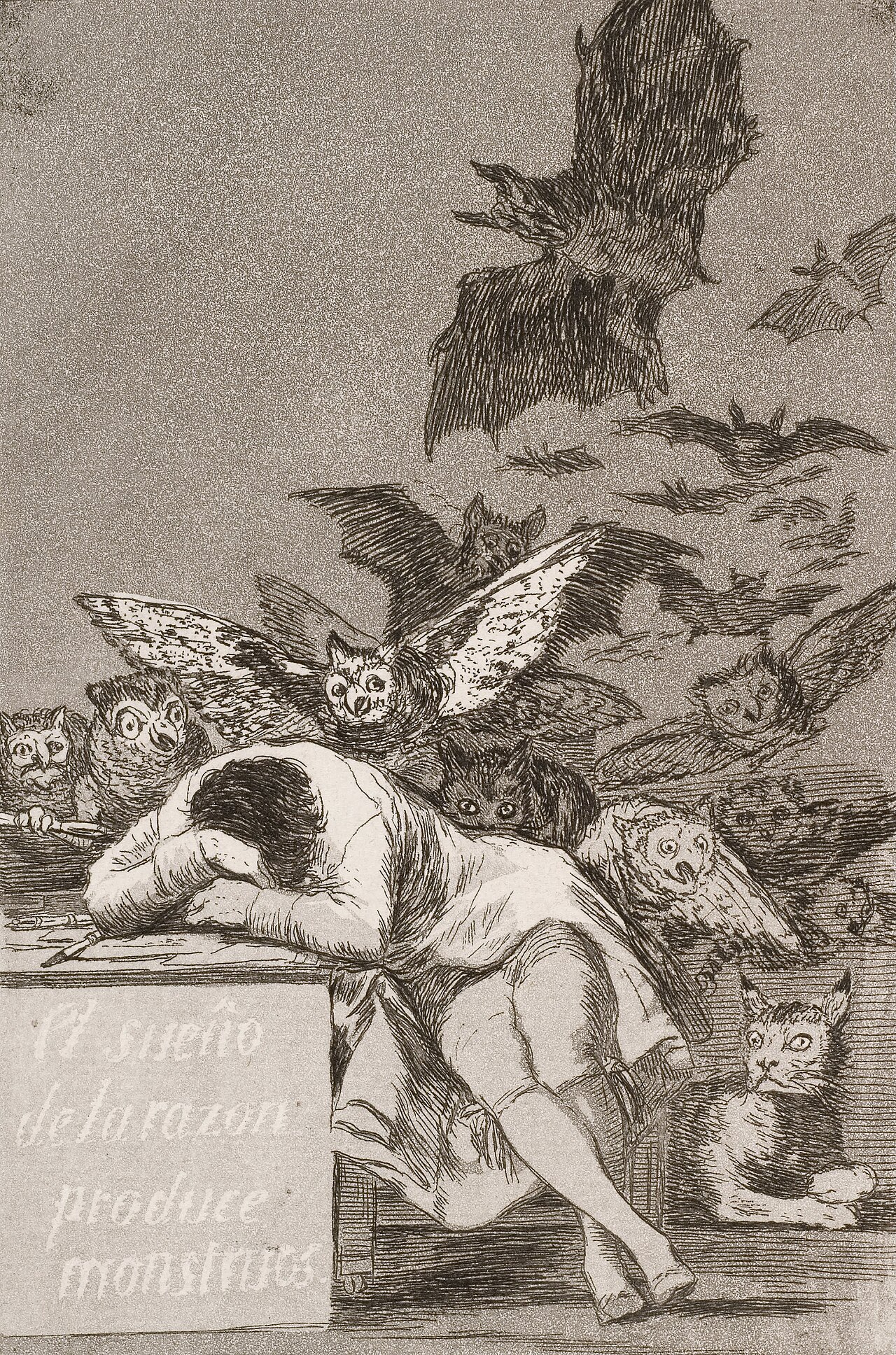
The Sleep of Reason Produces Monsters
Francisco Goya · 1797-1799
Ready when you are
Start chatting with Francisco Goya now.
20 messages free · No credit card · Available in 50+ languages.