


Primary sourceArtifact
Vajrasana Diamond Throne of Ashoka
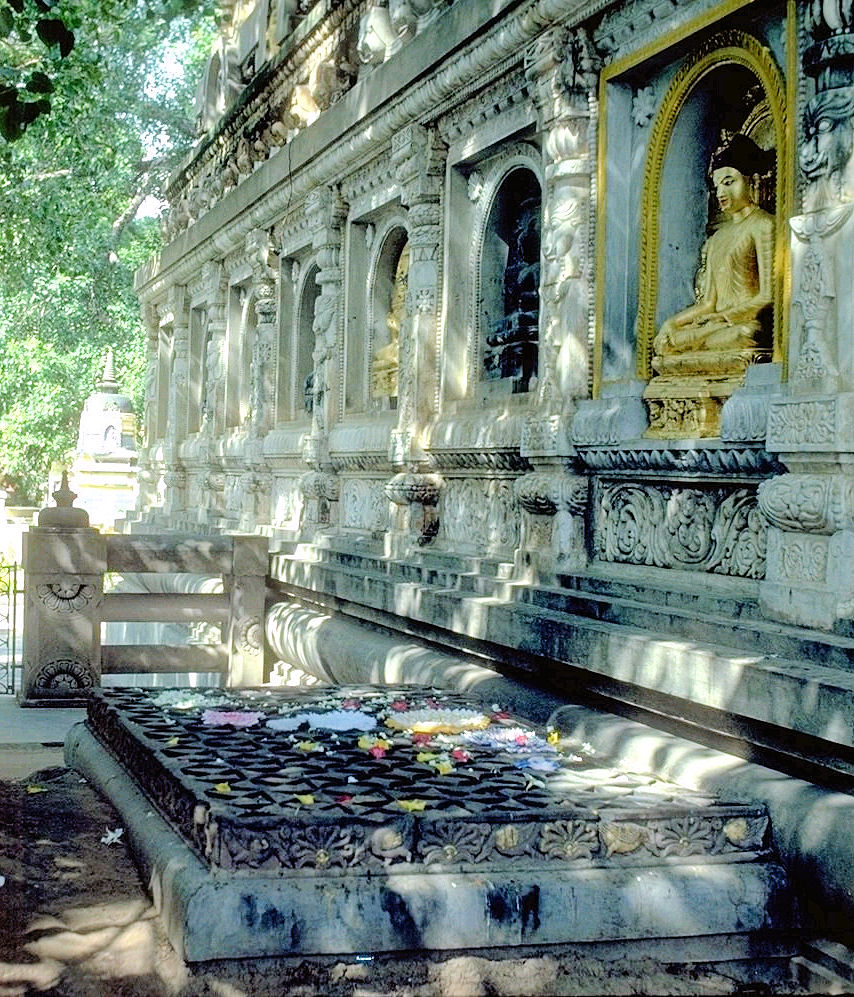
A stone throne placed by Ashoka at Bodh Gaya to mark the spot of the Buddha's enlightenment.
Ashoka commissioned this throne to mark and honour the site of the Buddha's enlightenment.
About this source
What it is
This photograph shows the Vajrasana, a dark stone slab set within a carved stone platform at Bodh Gaya, near a carved stone railing and the Mahabodhi temple. Ashoka had the throne placed there to mark the site where the Buddha is said to have reached enlightenment.
Why it matters
The Vajrasana shows Ashoka's personal devotion to Buddhism and his role in building up Bodh Gaya as a pilgrimage site. It connects his political power as emperor to his religious patronage, helping to turn a simple spot into one of the most important places in Buddhist tradition.
Look closer
- Why would a ruler mark a religious site with a permanent stone monument?
- What do the offerings and petals in the photograph tell us about how the site is used today?
- How might the site's appearance now differ from how it looked in Ashoka's time?
This artifact is part of the curated material that grounds the AI version of Ashoka the Great on Humy.ai — when students ask about related events, the AI can quote it and cite it.
More Ashoka the Great sources
Browse all 98 →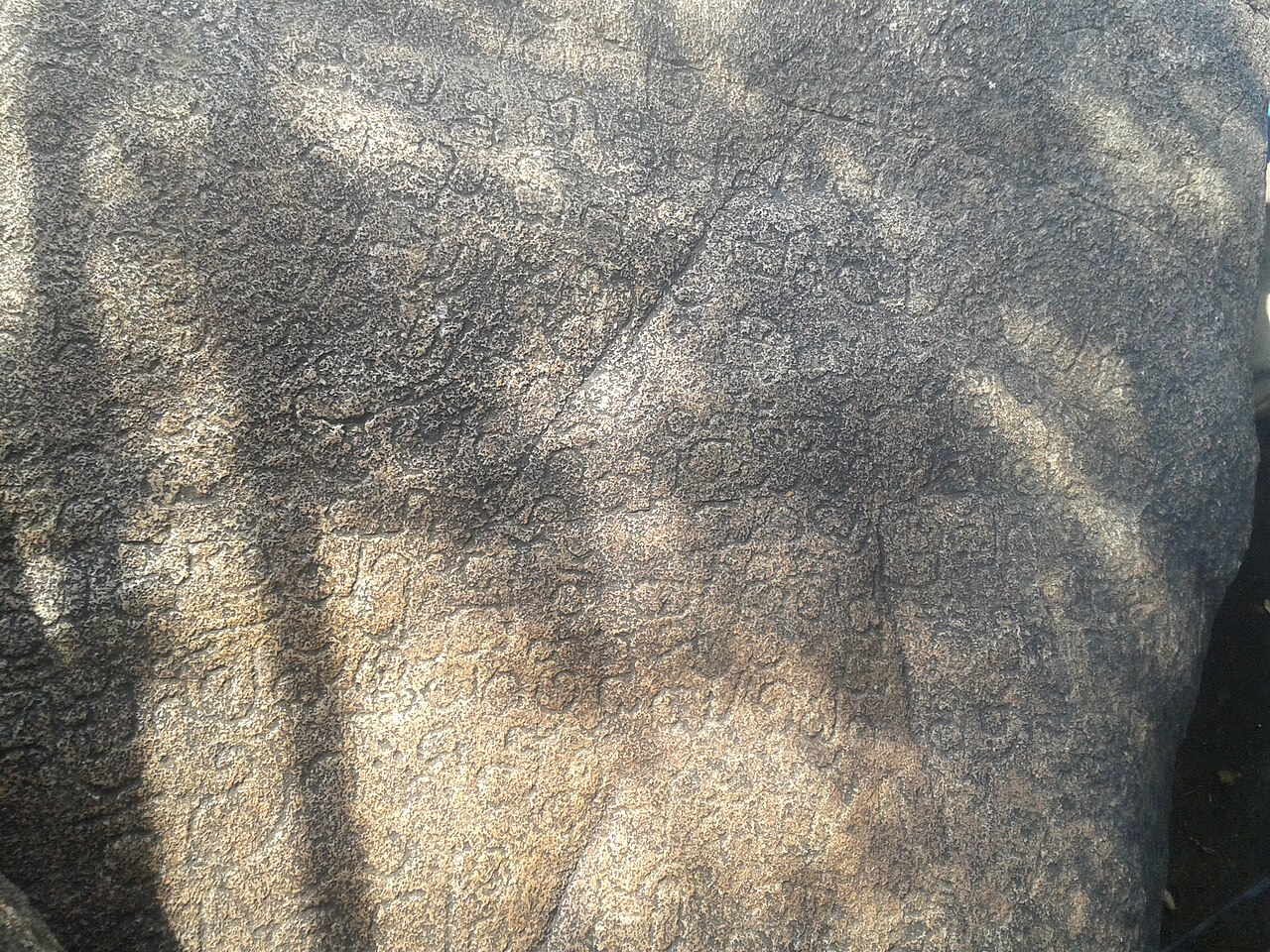 Document
Primary source
Major Rock Edicts
Ashoka · c. 257 BCE
 Sculpture
Secondary source
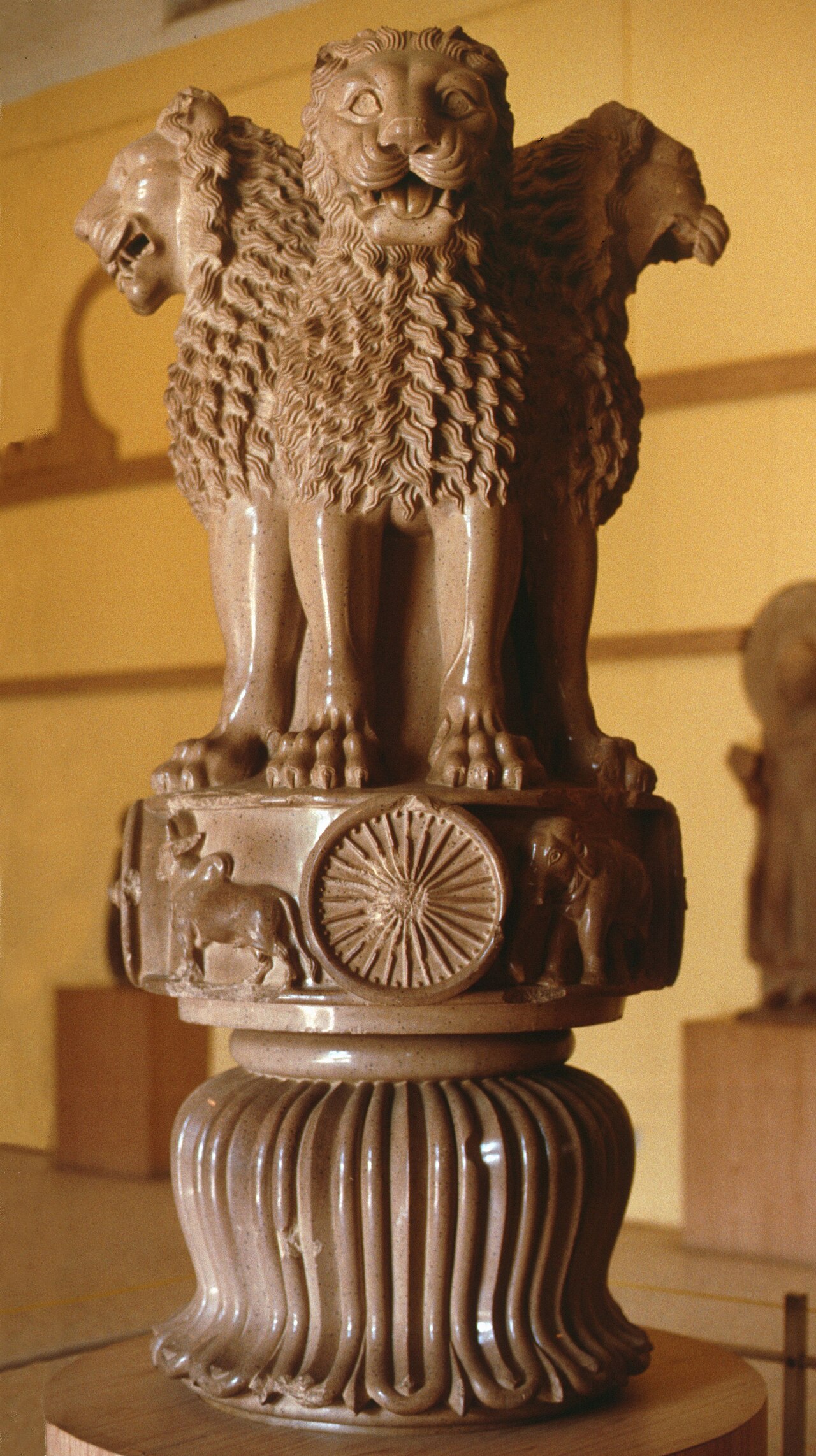
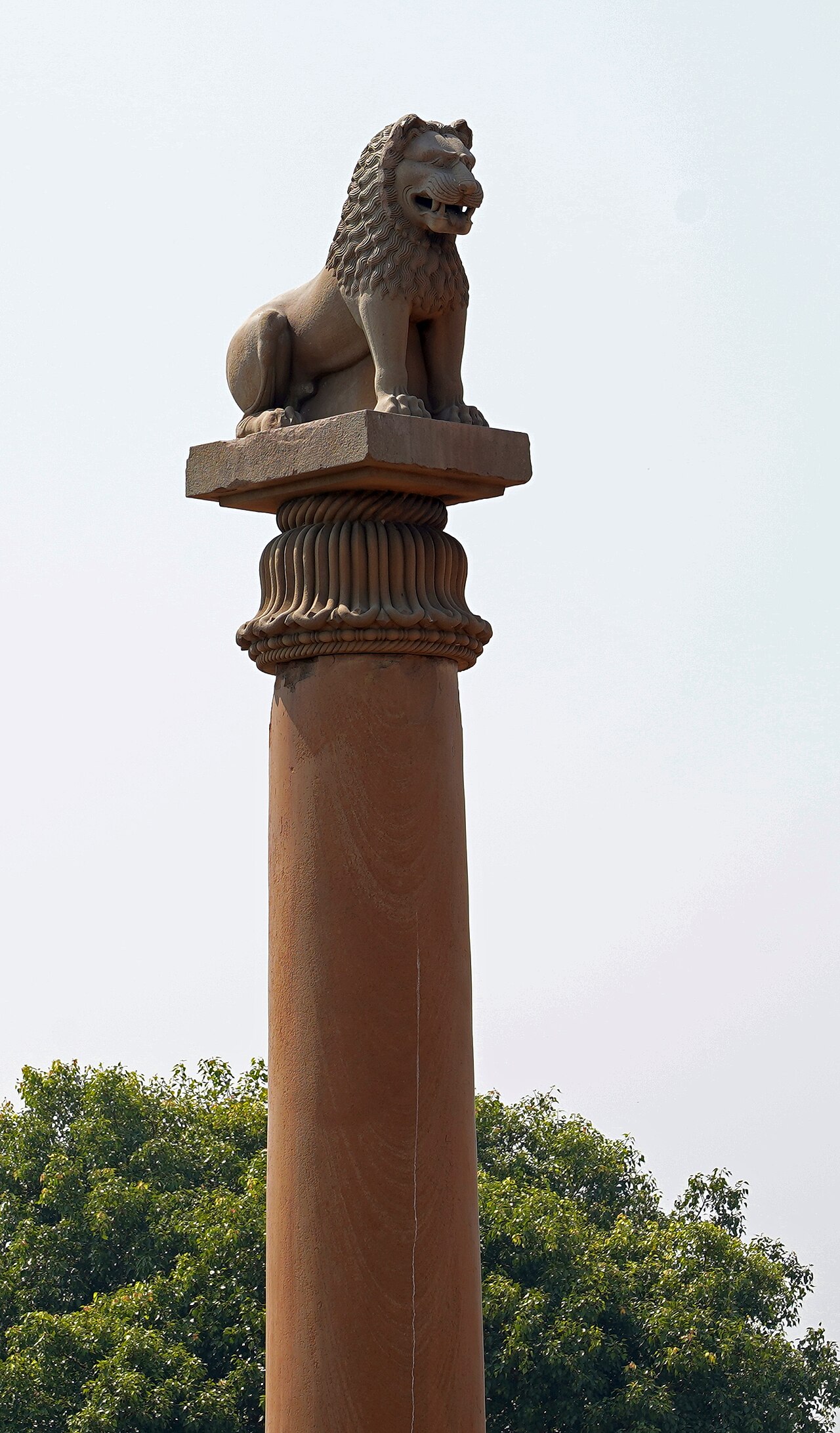
Lion Capital of Ashoka
Commissioned by Ashoka · c. 250 BCE
 Artifact
Secondary source
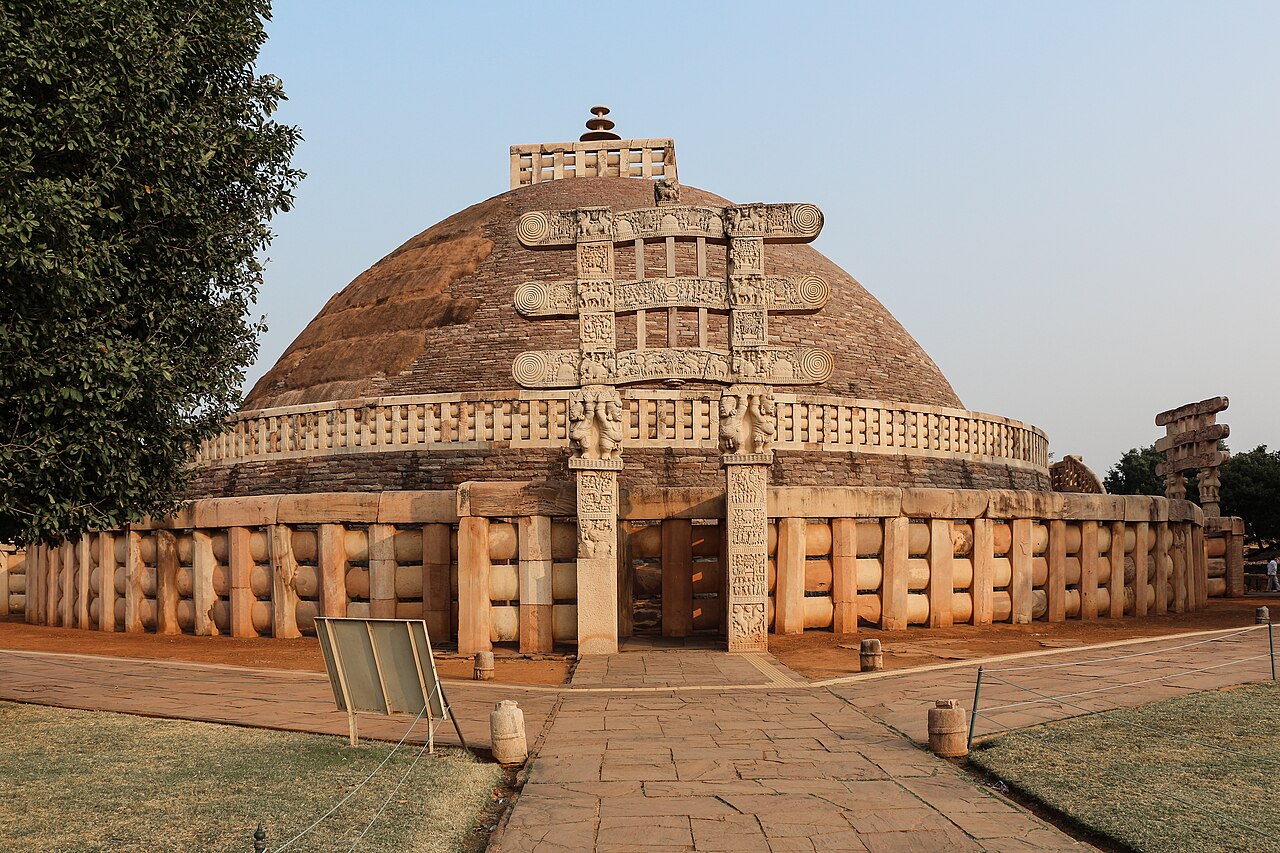
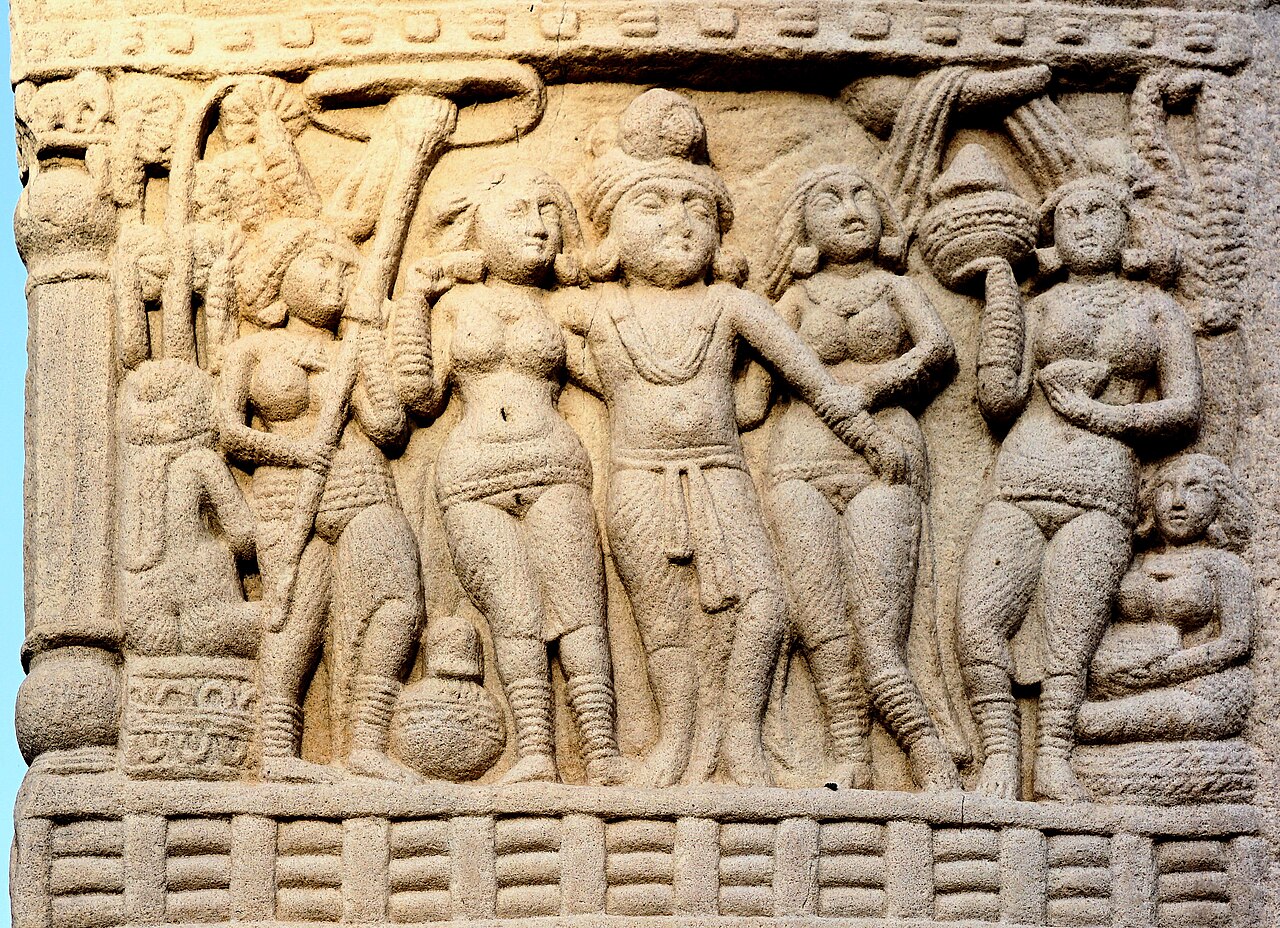
Sanchi Stupa
Commissioned by Ashoka · 3rd century BCE onward
 Document
Primary source
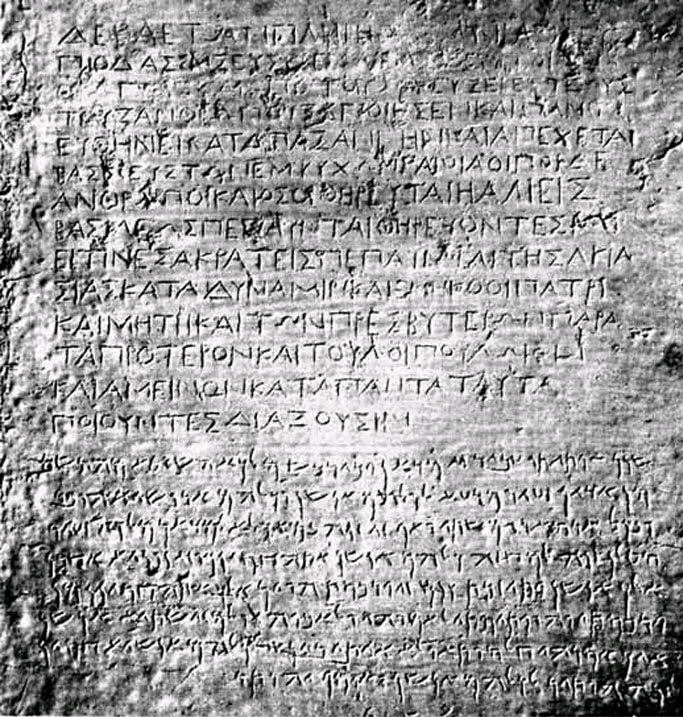
Kandahar Bilingual Rock Inscription
Ashoka · c. 260 BCE
Free account
Read every Ashoka the Great source
Sign up free →
Ready when you are
Start chatting with Ashoka the Great now.
20 messages free · No credit card · Available in 50+ languages.