


Secondary sourceDocumentNeo-Assyrian period copy, originally compiled c. mid-17th century BC
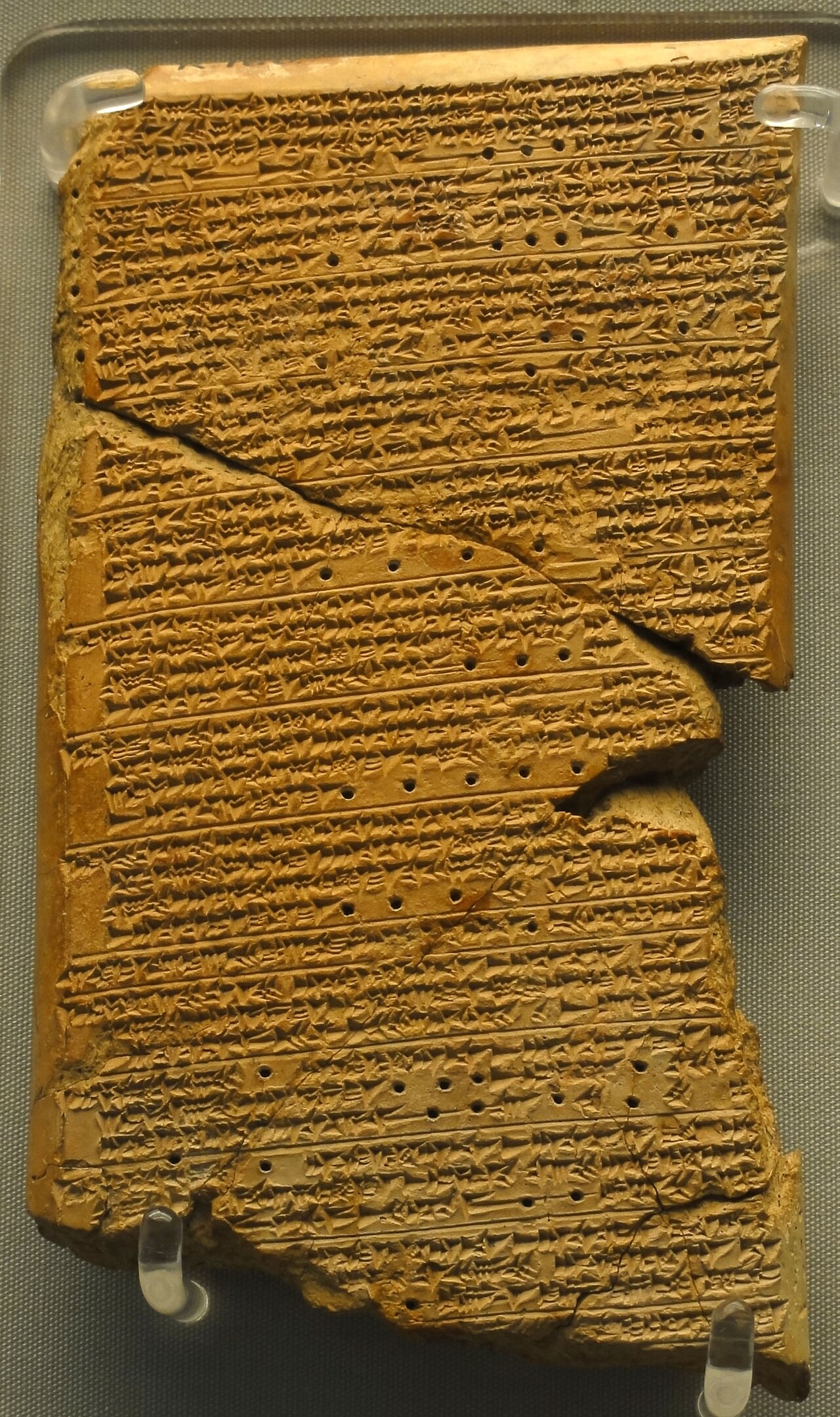
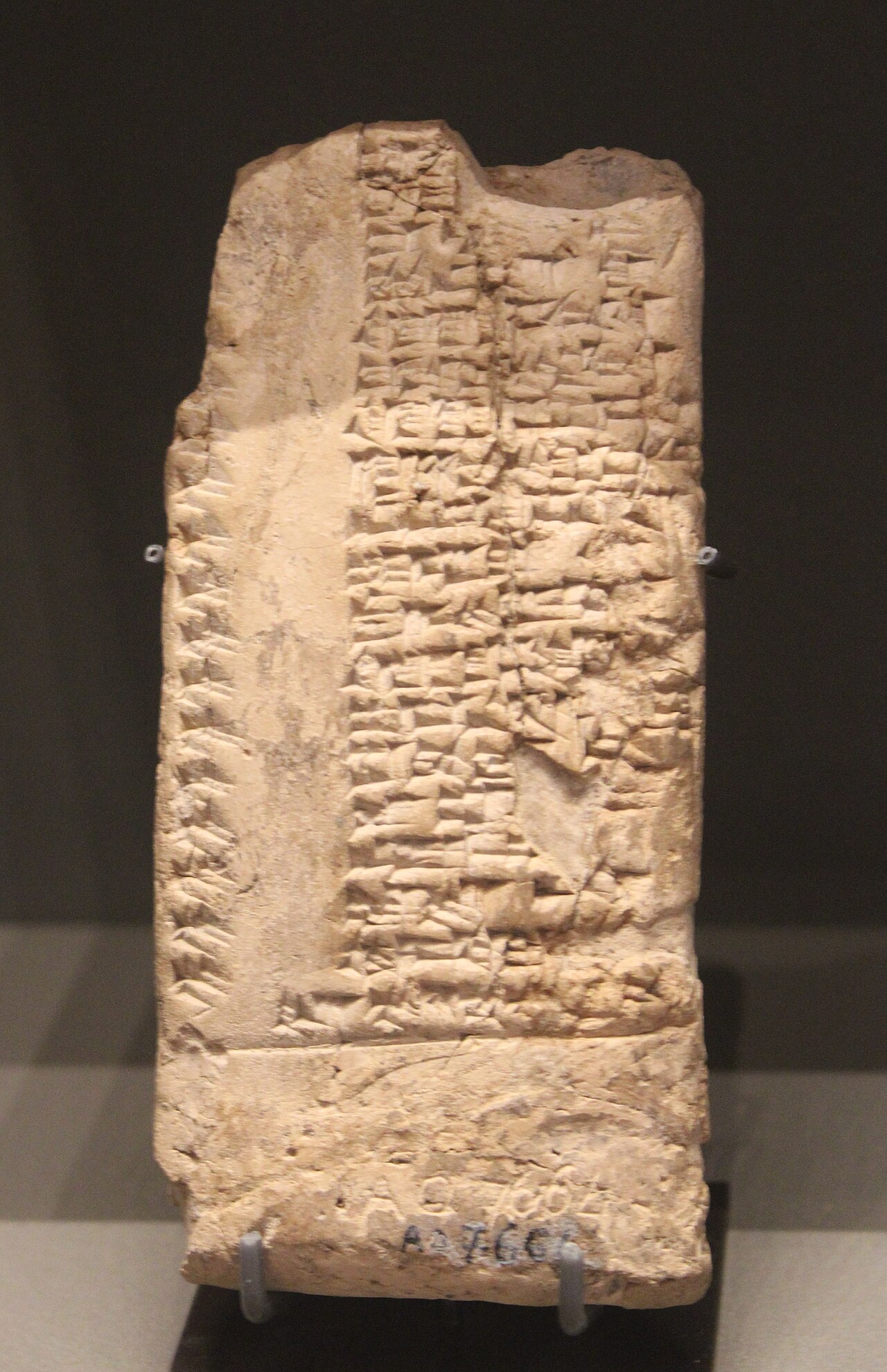
Venus Tablet of Ammisaduqa
Neo-Assyrian period copy, originally compiled c. mid-17th century BC
An ancient record of Venus's positions in the sky, compiled under a later king of Hammurabi's dynasty and used to date his reign.
This astronomical record from Hammurabi's dynasty is the main evidence scholars use to calculate the dates of his reign.
About this source
What it is
This cuneiform tablet records the rising and setting times of the planet Venus over a 21-year period. Scholars believe the observations were first compiled during the reign of King Ammi-Saduqa, the fourth ruler after Hammurabi, though the surviving copies date from the first millennium BC. It is held by the British Museum.
Why it matters
Because the tablet records specific astronomical events, modern scholars have used it to work out possible dates for Ammi-Saduqa's reign, and from there, to calculate when Hammurabi himself ruled. This makes it a key piece of evidence in the long scholarly debate over Mesopotamian chronology.
Look closer
- Why would an astronomical record be useful for dating a king who reigned centuries earlier?
- What problems might arise from using a copy made centuries after the original observations?
- What does this tablet suggest about how important astronomy was to Babylonian rulers and scribes?
This document is part of the curated material that grounds the AI version of Hammurabi and Ashurbanipal on Humy.ai — when students ask about related events, the AI can quote it and cite it.
More Hammurabi sources
Meet the AI Hammurabi →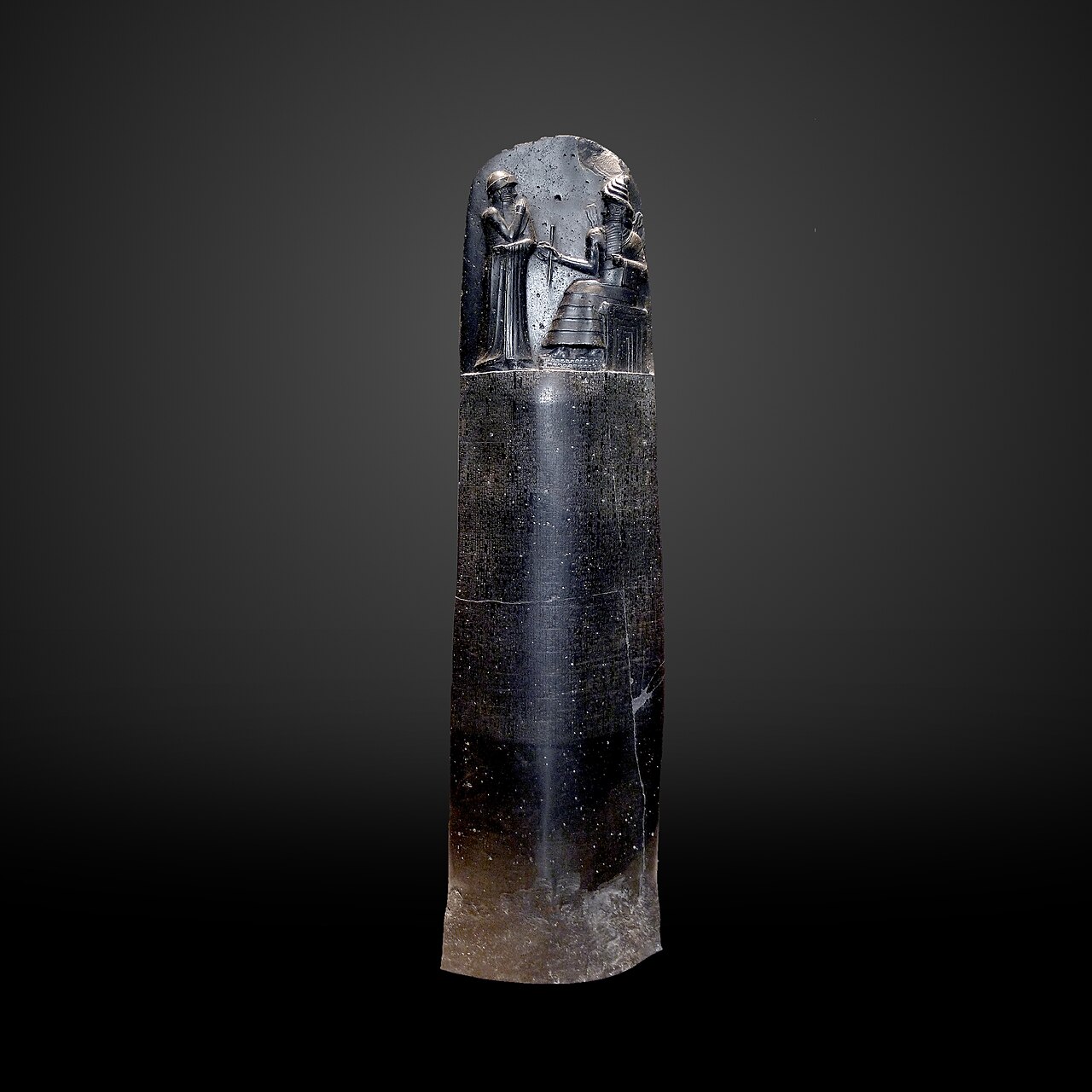 Document
Primary source
Code of Hammurabi
Hammurabi · c. 1753 BCE
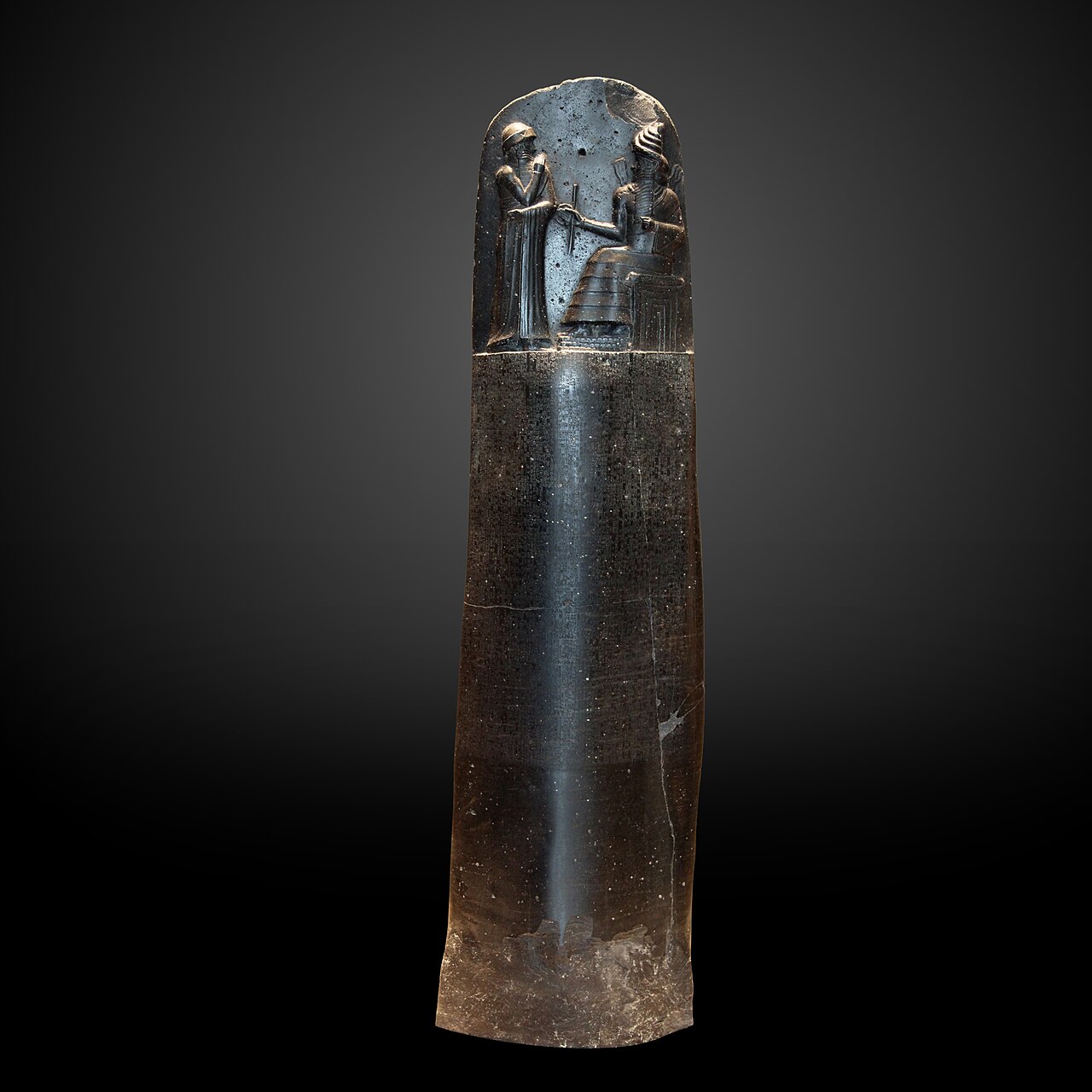 Sculpture
Primary source
Stele with the Code of Hammurabi
Hammurabi · c. 1792 BCE
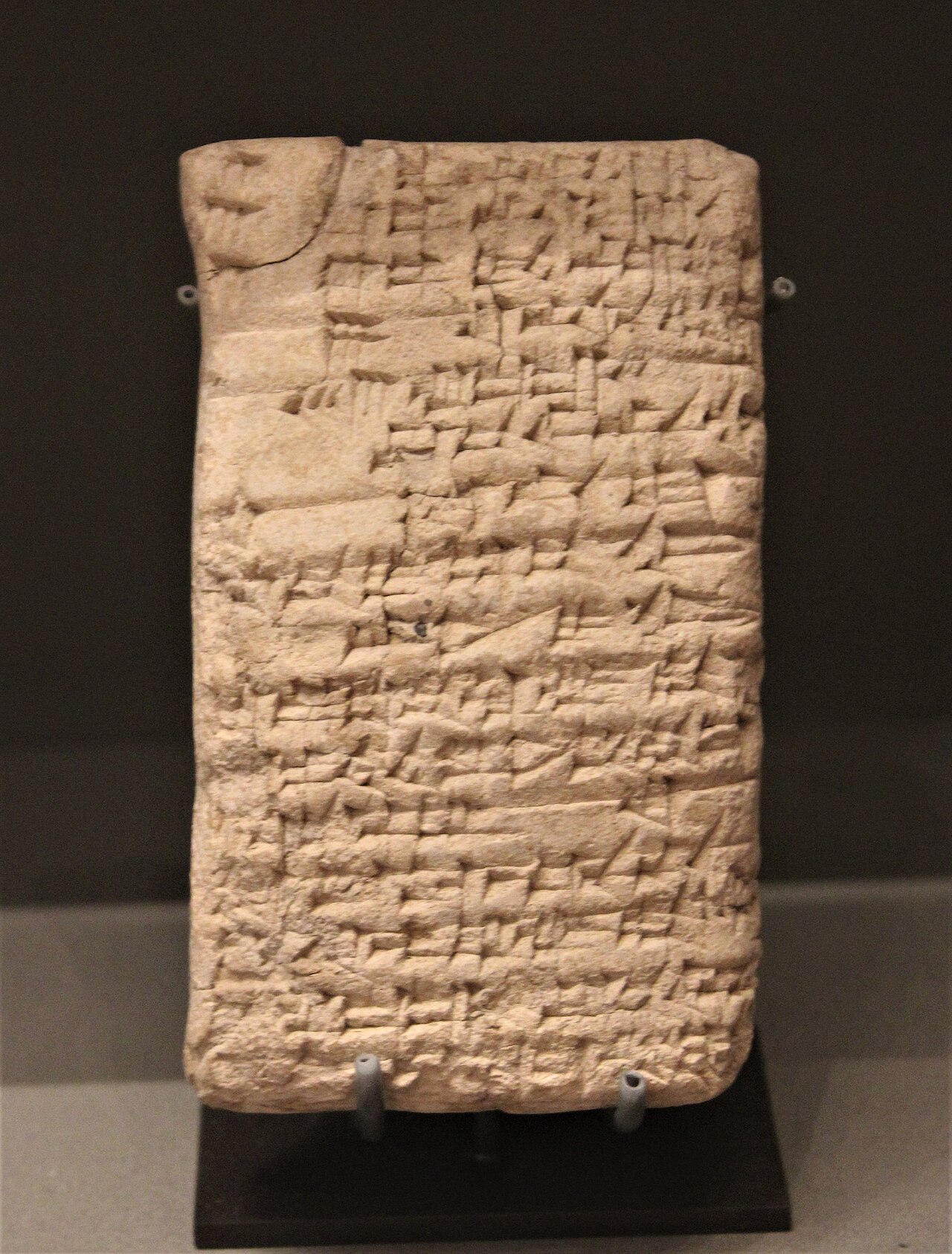 Letter
Primary source
Letter from Hammurabi to Sîn-iddinam
Hammurabi · c. 1792-1750 BCE
 Document
Primary source
List of the year-names of Hammurabi's reign
Old Babylonian period, reign of Hammurabi (c. 1792-1750 BCE)
 Document
Secondary source
Chronicle of Early Kings
Babylonian scribes · c. 6th century BCE copy
Ready when you are
Start chatting with Hammurabi now.
20 messages free · No credit card · Available in 50+ languages.