


Primary sourceDocument1801
Violin Sonata No. 5 (Spring Sonata)
Ludwig van Beethoven · 1801
A sunny four-movement violin sonata by Beethoven, composed in 1801 as his hearing was beginning to fail.
Composed by Beethoven in 1801, around the time he first became aware of his deafness.
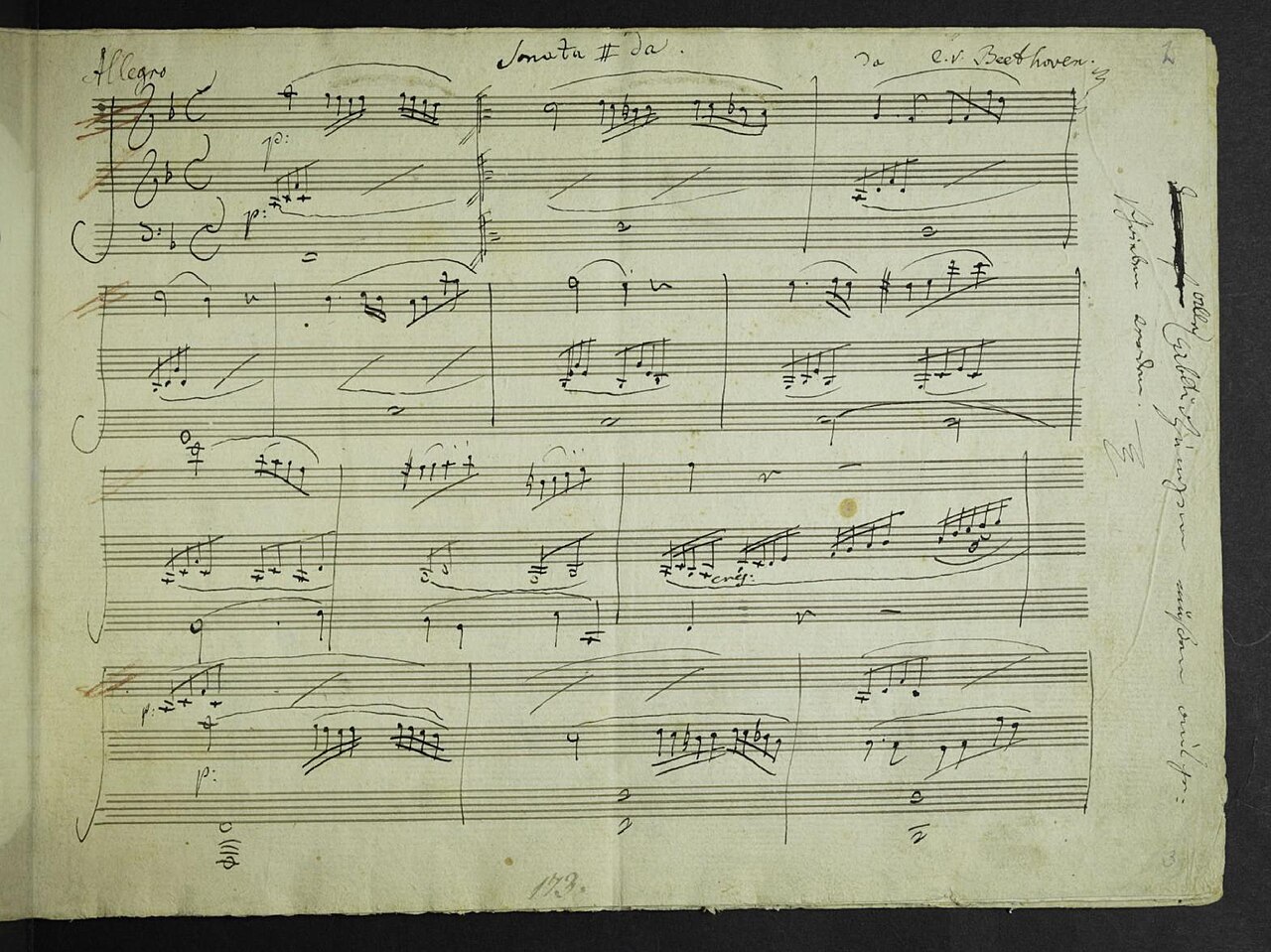
About this source
What it is
The Violin Sonata No. 5 in F major, known as the "Spring" Sonata, is a four-movement work for violin and piano, first published in 1801. The nickname was given after Beethoven's death. It was dedicated to Count Moritz von Fries, who also received dedications of several other Beethoven works from the same year. The autograph manuscript survives in the Austrian National Library.
Why it matters
Written as Beethoven was becoming aware of his growing deafness, the sonata's bright, lyrical character contrasts with the private struggles he was facing. It shows his skill in chamber music and his relationships with wealthy patrons like Count von Fries who supported his career.
Look closer
- What might the handwriting and corrections on the manuscript page tell us about how Beethoven composed?
- Why might a nickname given after a composer's death shape how we hear a piece today?
- How does knowing about Beethoven's hearing loss change how we might listen to this music?
This document is part of the curated material that grounds the AI version of Ludwig van Beethoven on Humy.ai — when students ask about related events, the AI can quote it and cite it.
More Ludwig van Beethoven sources
Meet the AI Ludwig van Beethoven →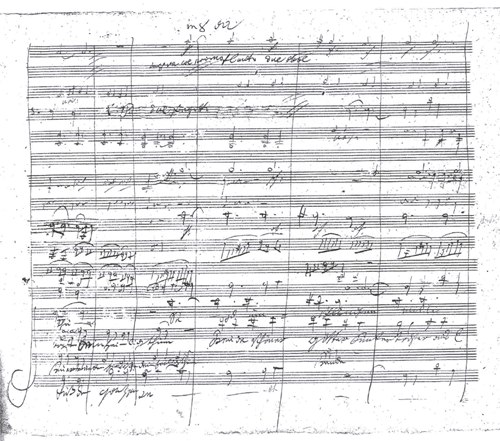 Document
Primary source
Symphony No. 9
Ludwig van Beethoven · 1824
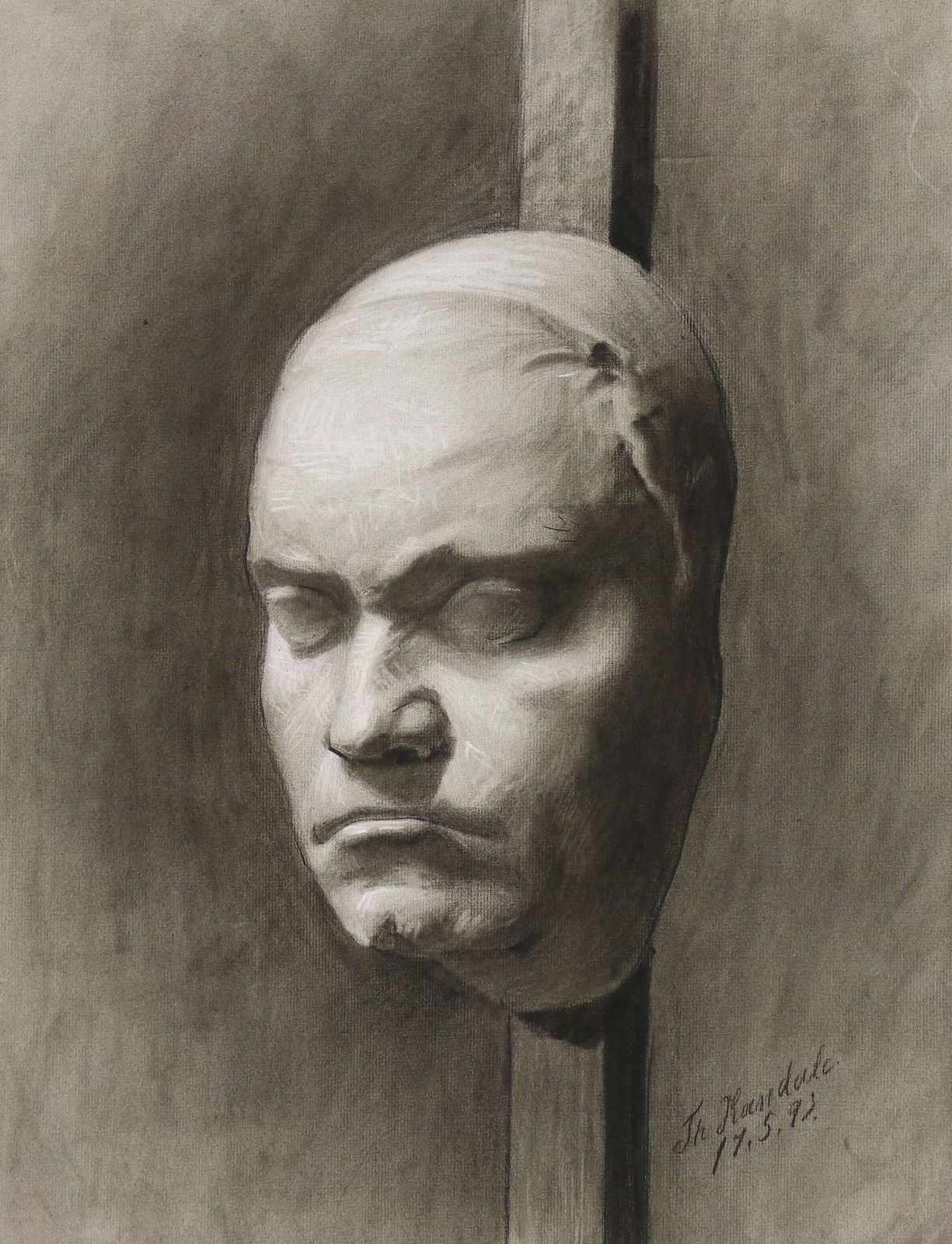 Sculpture
Secondary source
Death of Ludwig van Beethoven
Theodor Kandale (after Josef Danhauser) · 1827 (mask); drawing 1893
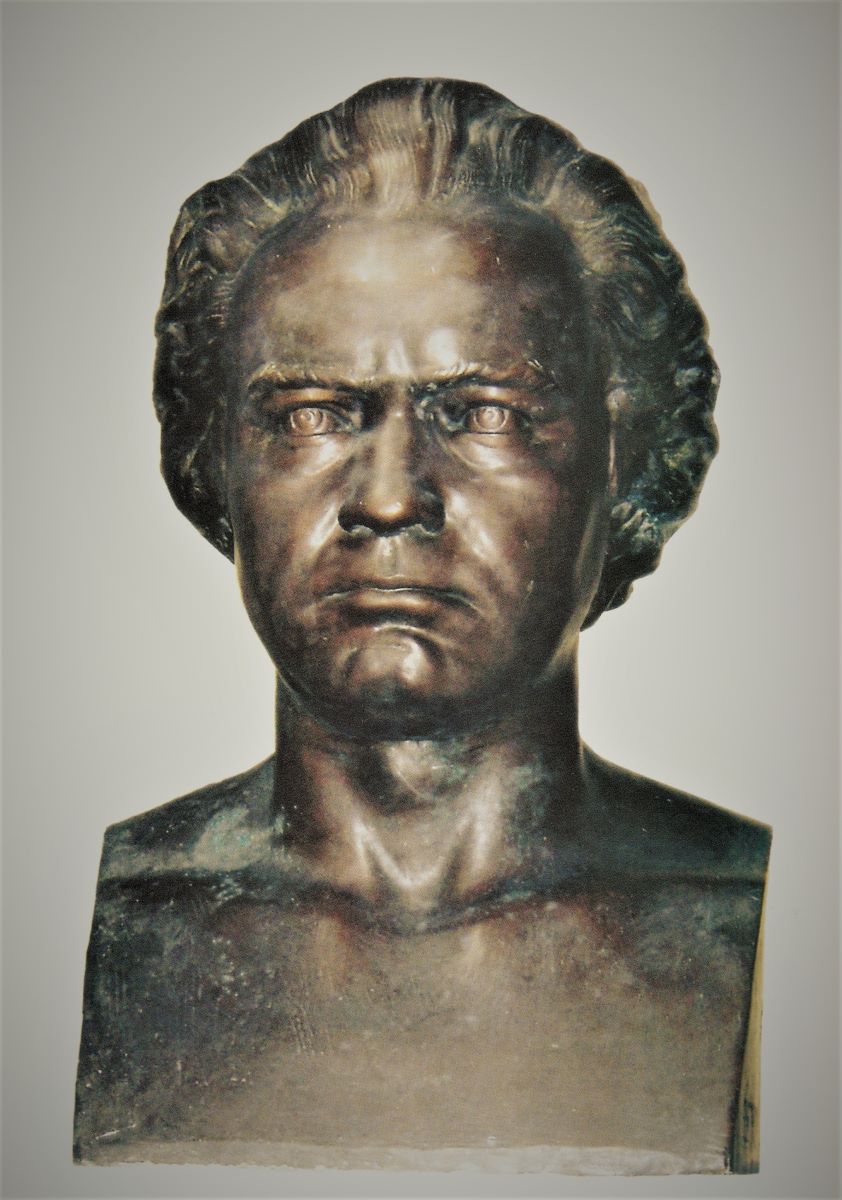 Sculpture
Secondary source
Bust of Ludwig van Beethoven by Frederic Storck
Frederic Storck · 1930
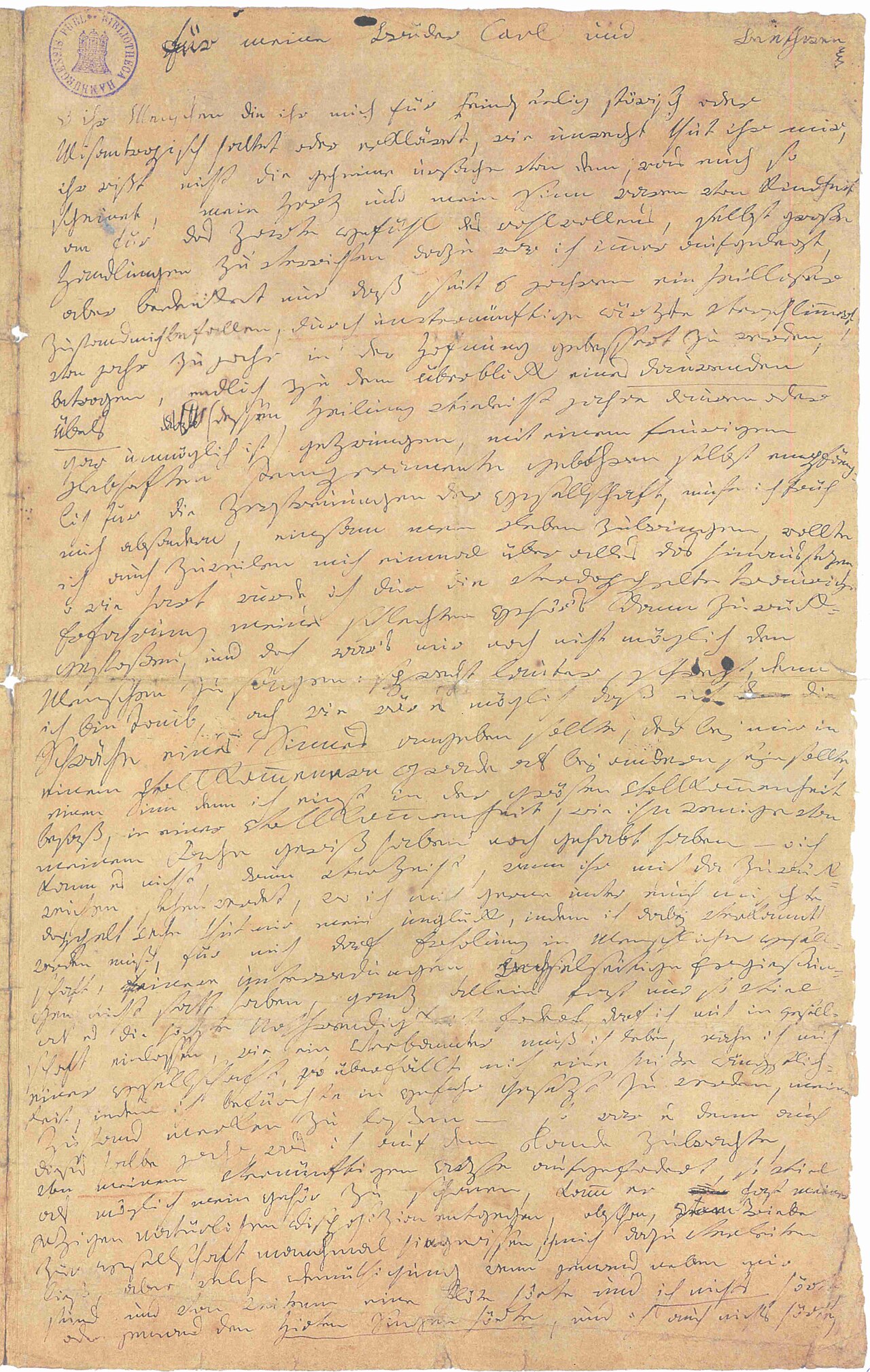 Letter
Primary source
Heiligenstadt Testament
Ludwig van Beethoven · 6 October 1802
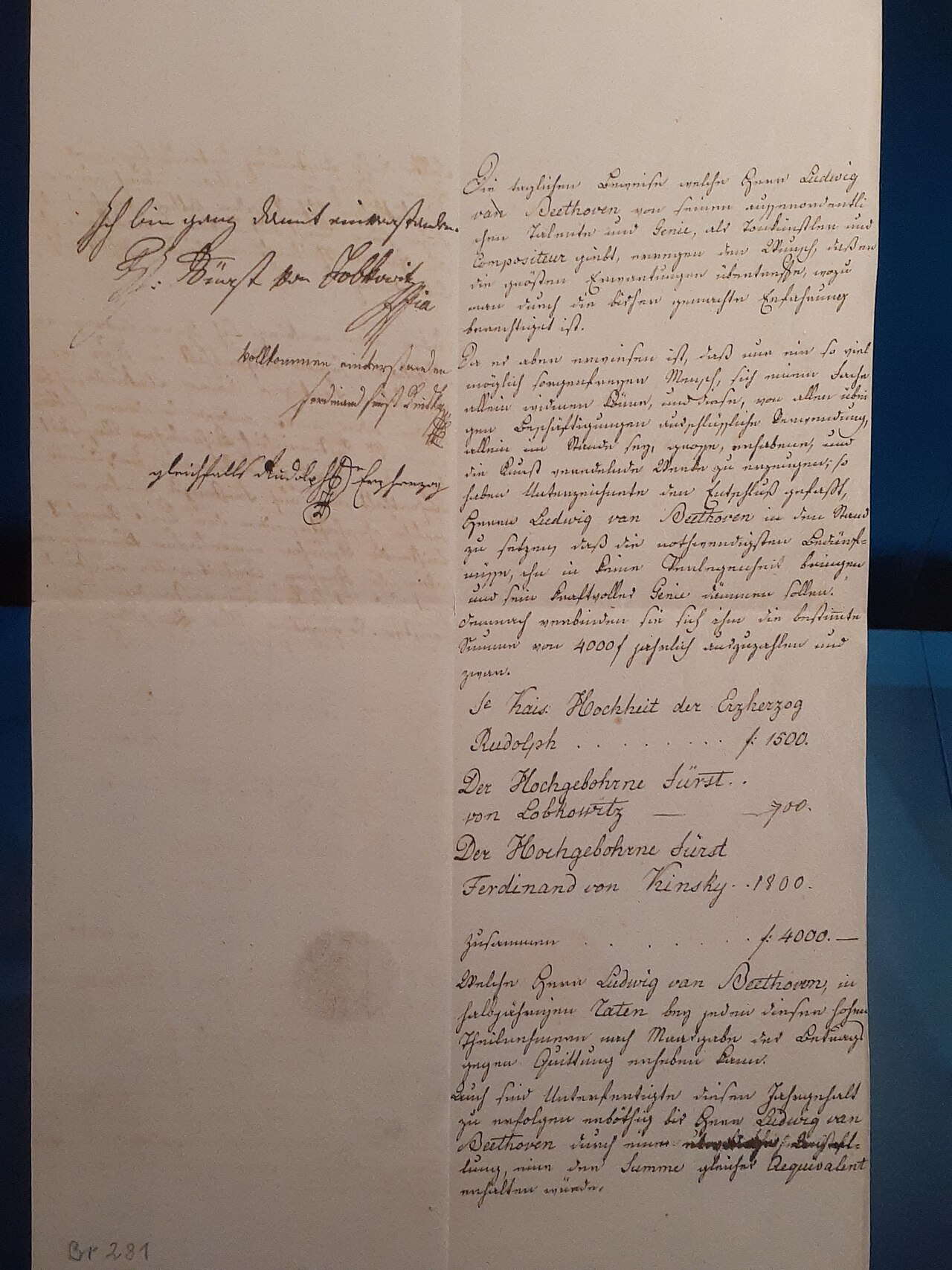 Document
Primary source
Agreement between Beethoven and Archduke Rudolph, Prince Kinsky and Prince Lobkowitz
1 March 1809
Ready when you are
Start chatting with Ludwig van Beethoven now.
20 messages free · No credit card · Available in 50+ languages.