


Primary sourcePaintingmid-1st century BCE
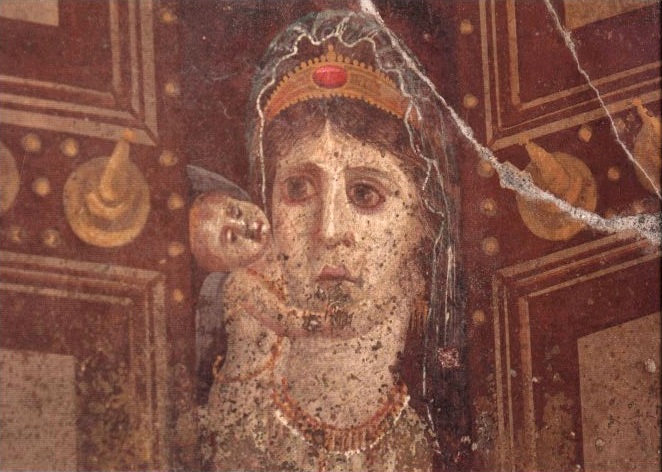
Wall Painting of a Queen as Venus with Cupid
Unknown Roman painter · mid-1st century BCE
A Roman fresco from Pompeii thought by some scholars to depict Cleopatra as the goddess Venus with her son Caesarion as a cupid.
Possibly a Roman depiction of Cleopatra as Venus with her son Caesarion, echoing a statue Caesar erected in her honor.
About this source
What it is
This wall painting was made by an unknown Roman artist in the mid-1st century BC and decorates the House of Marcus Fabius Rufus at Pompeii, Italy. It shows the goddess Venus holding a cupid near large temple doors.
Why it matters
Scholars think the painting may show Cleopatra portrayed as Venus Genetrix with Caesarion, echoing a gilded statue of Cleopatra that Julius Caesar set up in his temple to Venus in Rome. If so, it shows how Cleopatra's image was connected to Roman religion and politics even far from Egypt.
Look closer
- Why might Romans want to show a foreign queen as one of their own goddesses?
- What clues in the painting make scholars think it could be Cleopatra rather than just Venus?
- What does it mean that we are not completely certain who is depicted?
This painting is part of the curated material that grounds the AI version of Cleopatra on Humy.ai — when students ask about related events, the AI can quote it and cite it.
More Cleopatra sources
Meet the AI Cleopatra →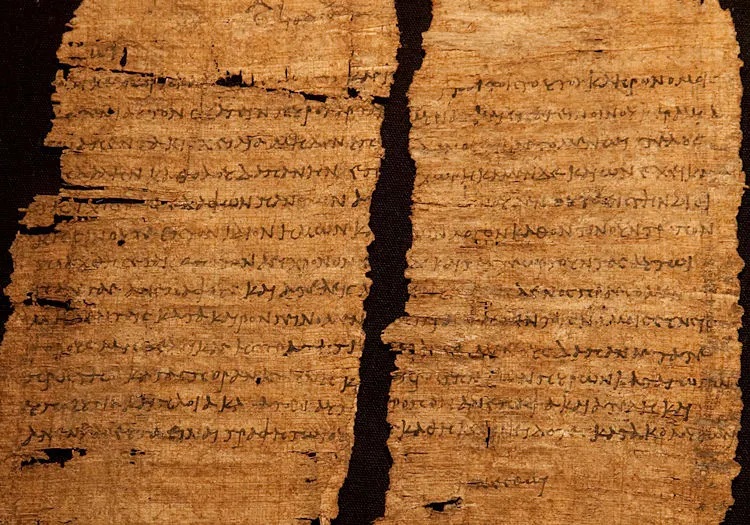 Document
Primary source
Papyrus with Signature of Cleopatra VII
Ptolemaic scribe; possibly countersigned by Cleopatra VII · February 33 BCE
 Painting
Secondary source
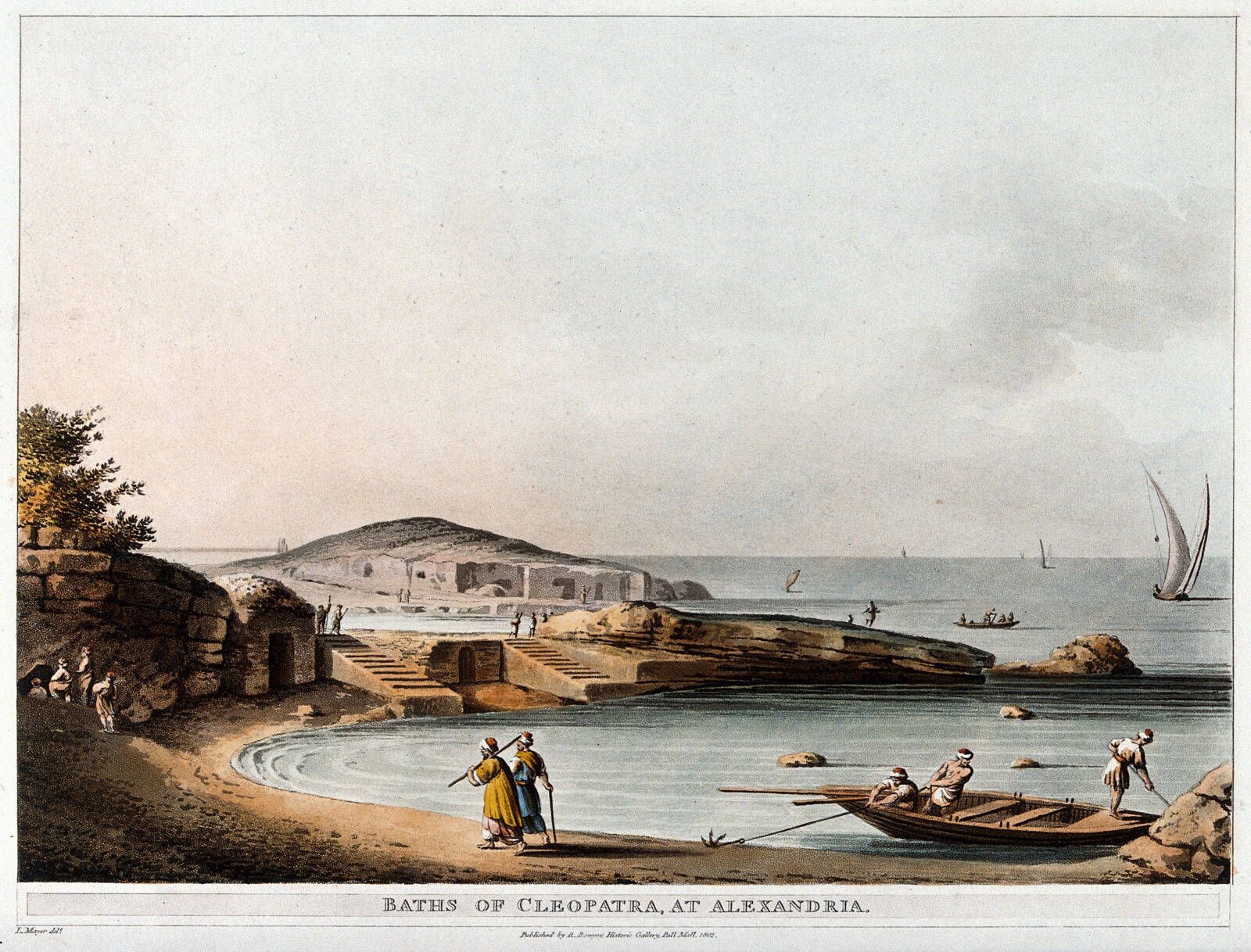
Baths of Cleopatra, at Alexandria
Luigi Mayer · 1802
 Sculpture
Secondary source
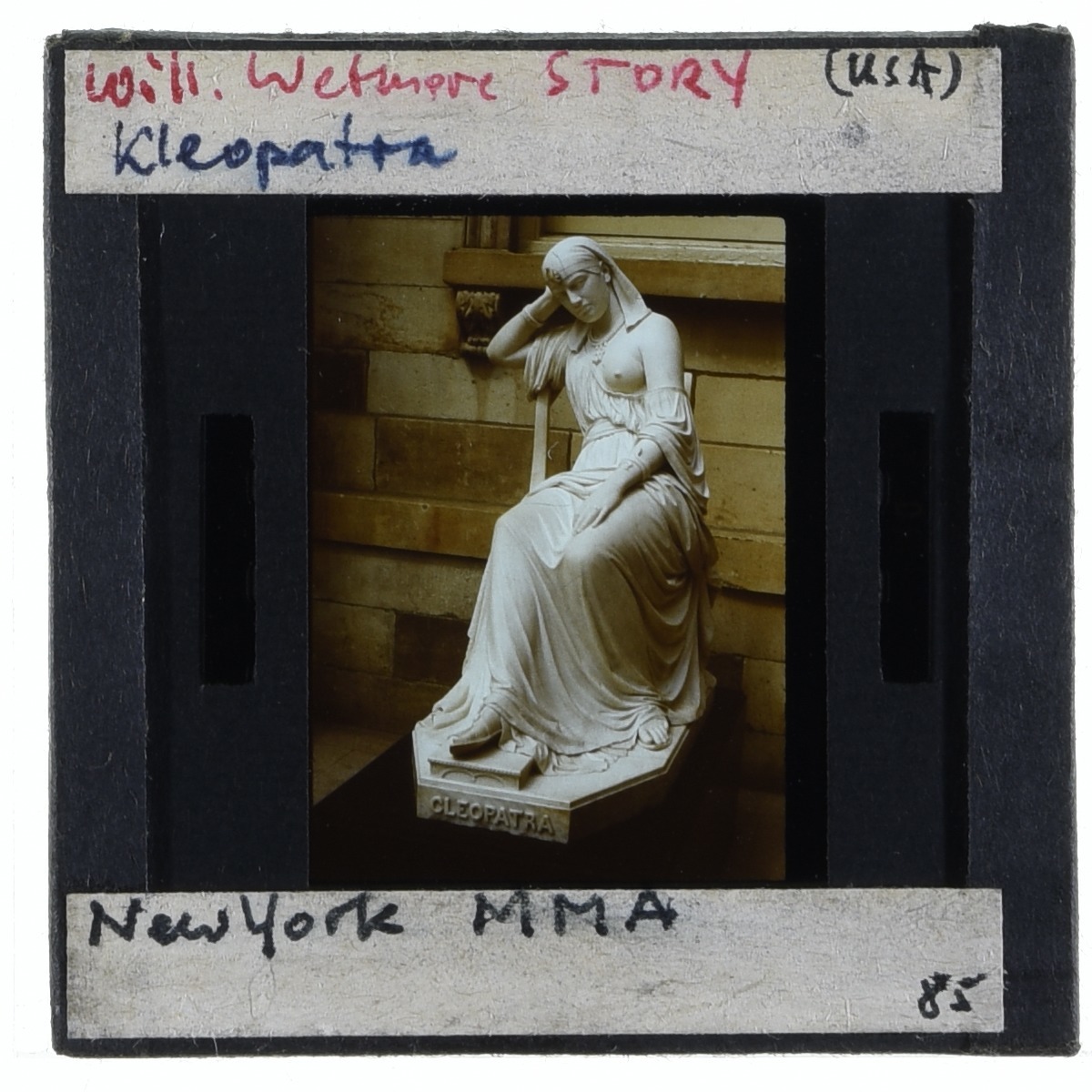
Cleopatra
William Wetmore Story
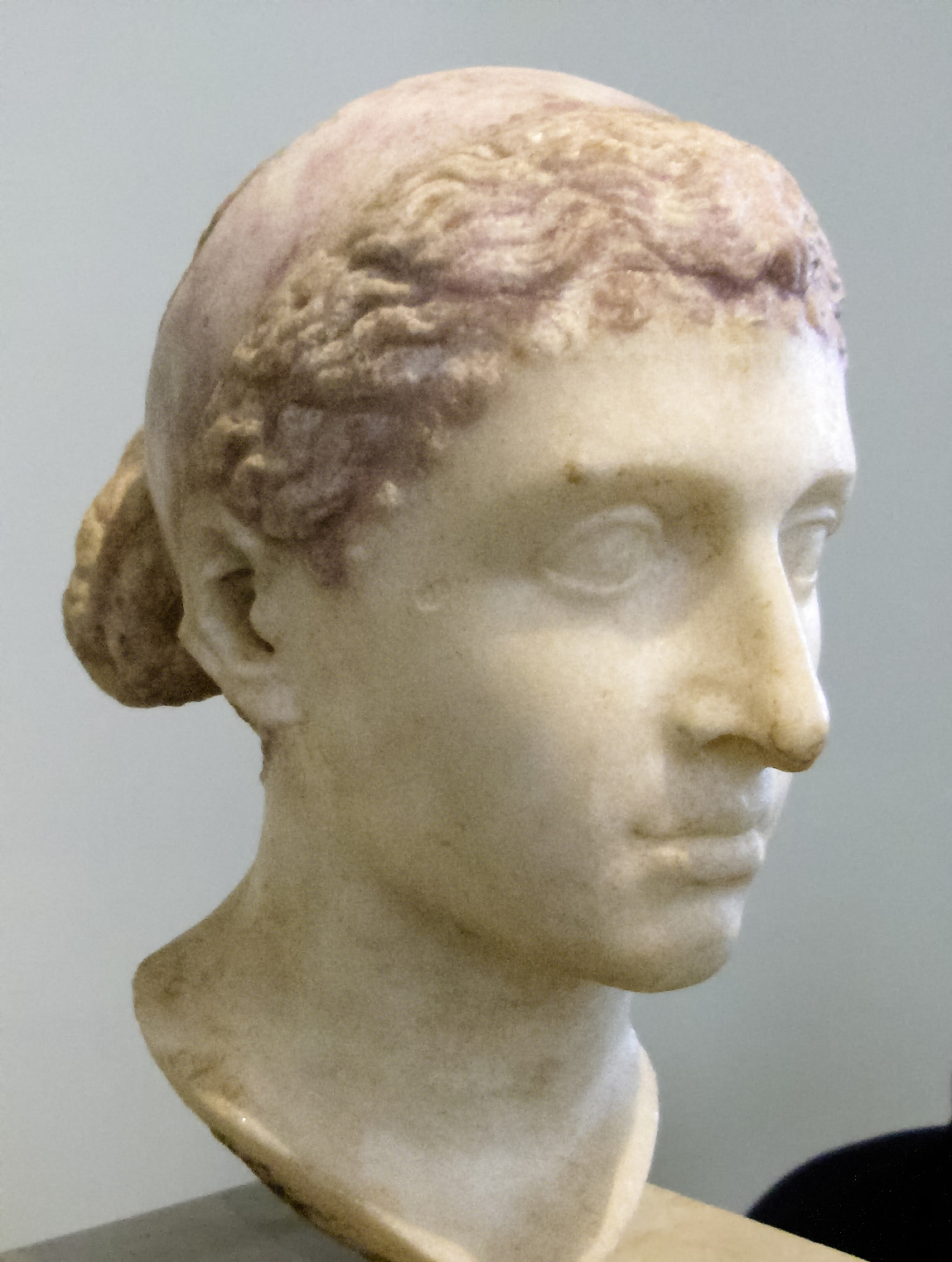 Sculpture
Primary source
Portrait of Cleopatra (Berlin Bust)
c. 40-30 BCE
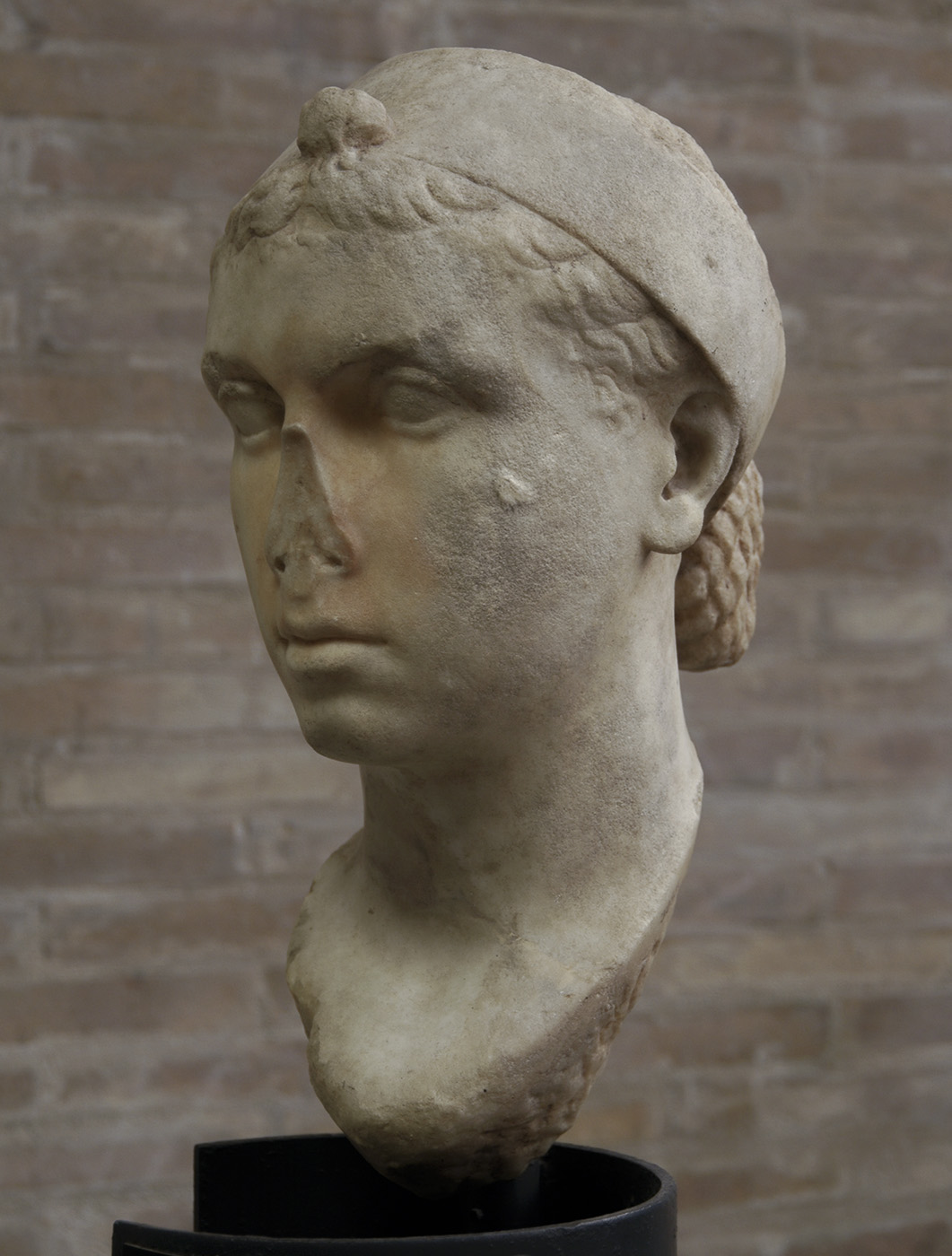 Sculpture
Primary source
Head-Portrait of Cleopatra VII (Vatican Bust)
c. 40-30 BCE
Ready when you are
Start chatting with Cleopatra now.
20 messages free · No credit card · Available in 50+ languages.