


Secondary sourceBook6th century
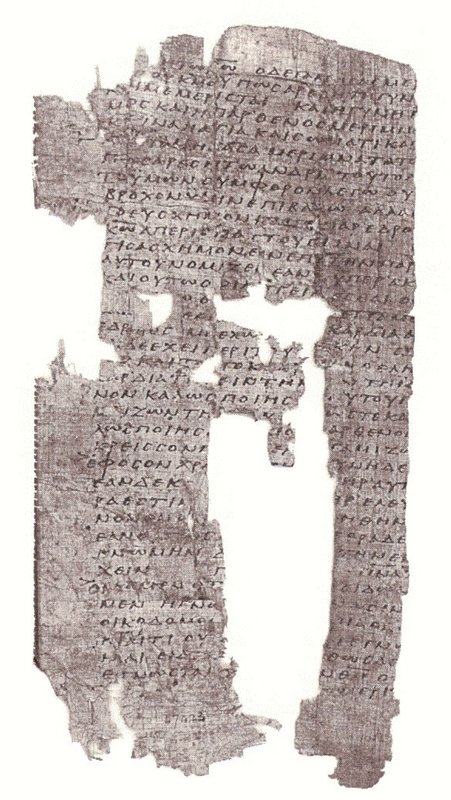
Washington Manuscript IV, Epistles of Paul
6th century
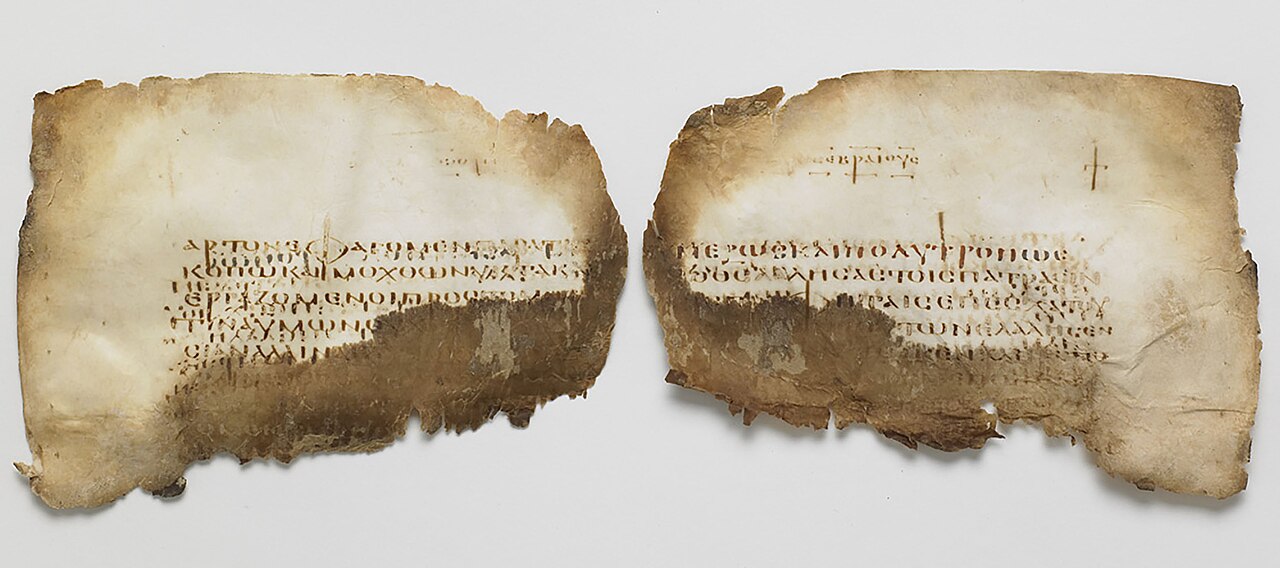
A sixth-century Egyptian parchment manuscript containing the letters of Paul, one of the earliest surviving copies of his writings.
This manuscript preserves copies of letters written by Paul, giving a rare early physical trace of his own words.
About this source
What it is
This is a parchment manuscript made in Egypt in the 6th century, containing copies of the epistles written by Paul. It survives as fragmentary leaves, now held by the Freer Gallery of Art.
The leaves are written in Greek uncial script, the formal style of lettering used by scribes copying religious texts in that period.
Why it matters
Although made centuries after Paul's lifetime, this manuscript preserves his words through a long chain of copying that let his letters reach later generations. It shows how early Christian communities valued and preserved his writings, and gives historians a rare physical trace of how his texts were transmitted.
Look closer
- What does the damage to the parchment tell you about how old and fragile this object is?
- Why might scribes in Egypt have taken the effort to copy Paul's letters by hand?
- What is missing from this fragment that a complete letter would include?
This book is part of the curated material that grounds the AI version of Saint Paul on Humy.ai — when students ask about related events, the AI can quote it and cite it.
More Saint Paul sources
Meet the AI Saint Paul →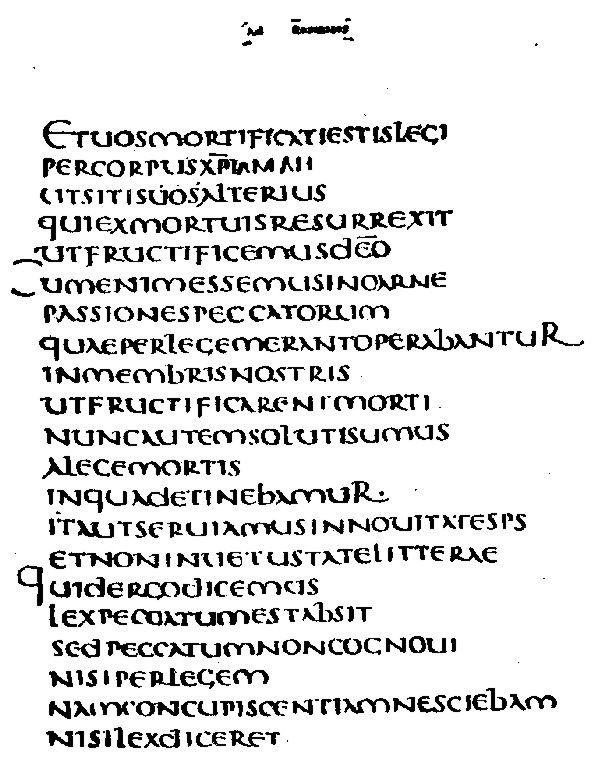 Letter
Primary source
Epistle to the Romans
Paul the Apostle · c. AD 57
 Painting
Secondary source
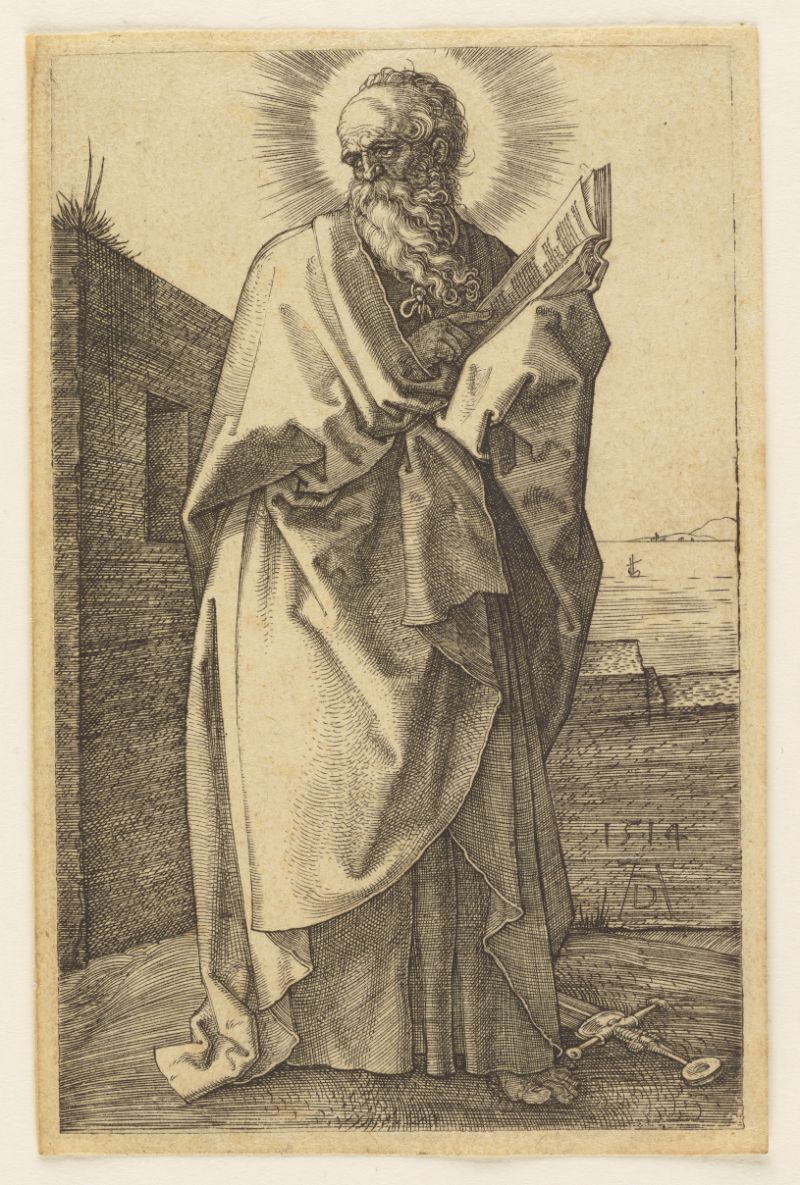
Saint Paul
Albrecht Dürer · 1514
 Letter
Secondary source
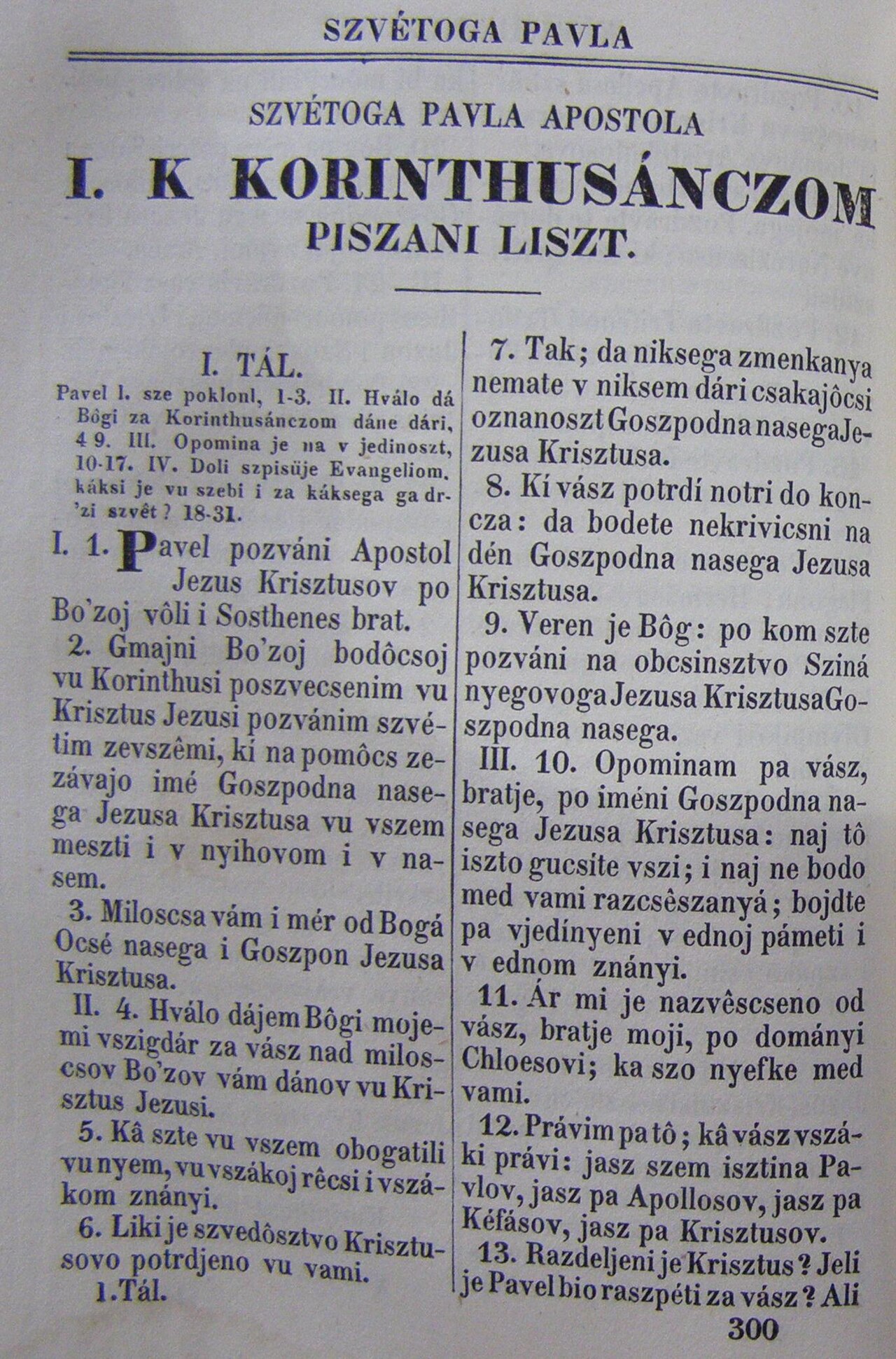
First Epistle to the Corinthians
Paul the Apostle · c. 54 AD
 Book
Primary source
1 Corinthians 13
Paul the Apostle · c. AD 53-57
 Document
Secondary source
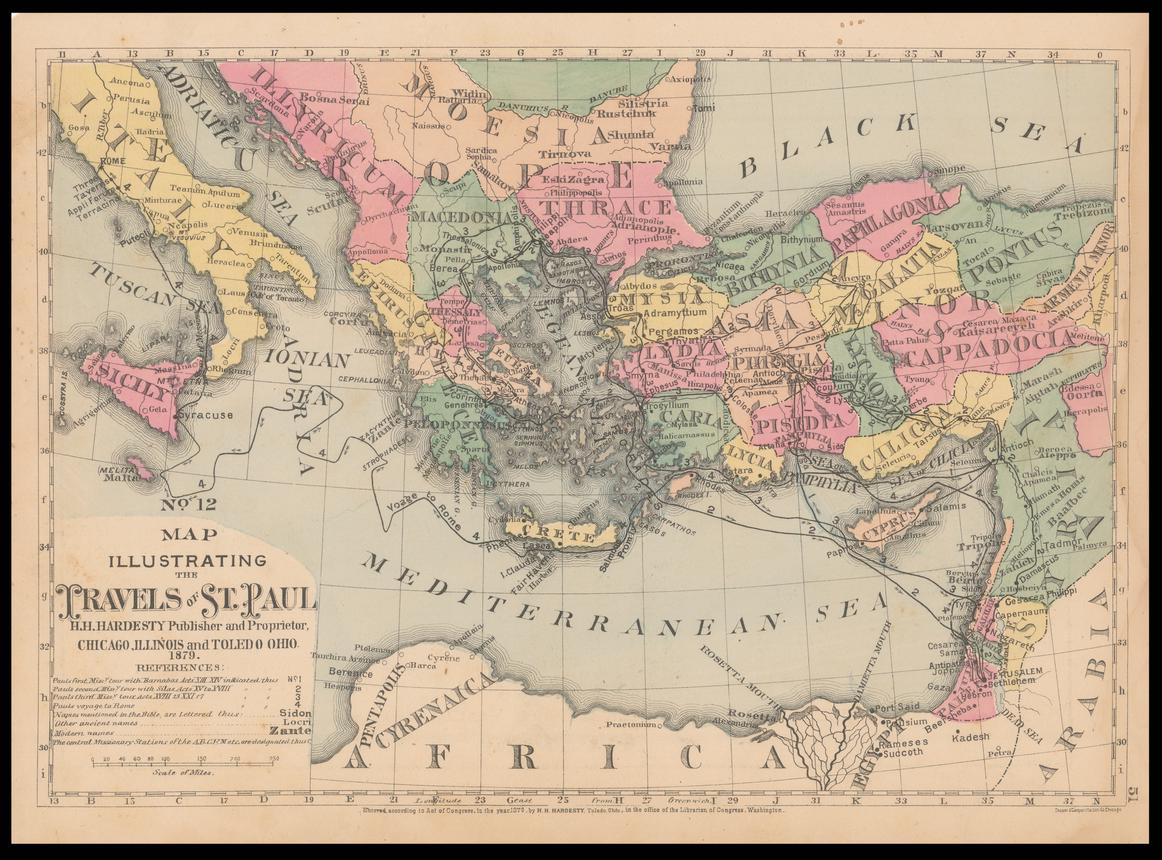
Map Illustrating the Travels of St. Paul
H.H. Hardesty · 1879
Ready when you are
Start chatting with Saint Paul now.
20 messages free · No credit card · Available in 50+ languages.