


Primary sourceBook1795–96
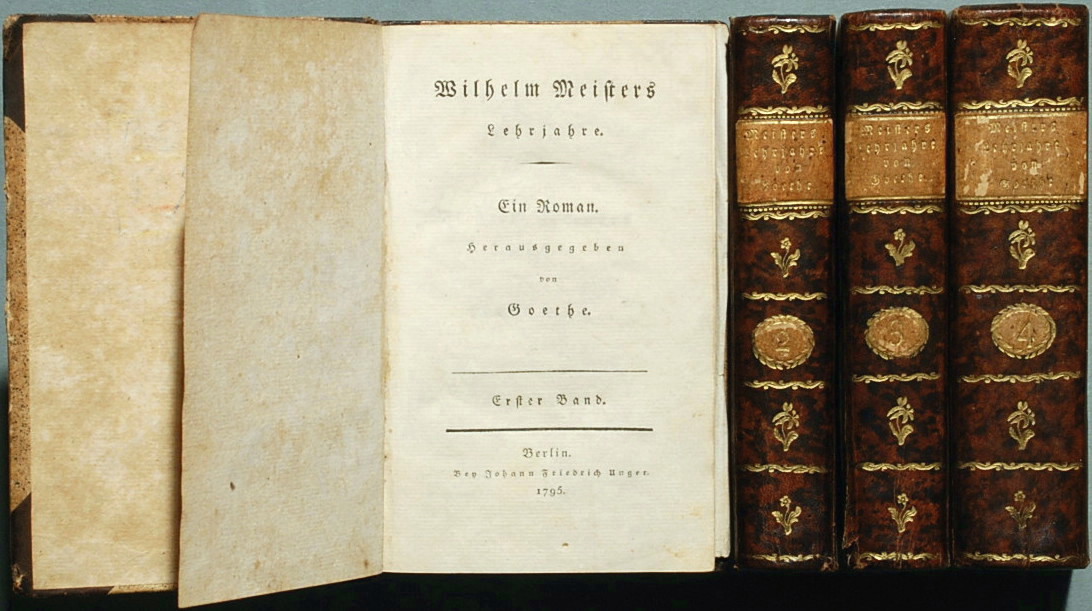
Wilhelm Meister's Apprenticeship
Johann Wolfgang von Goethe · 1795–96
Goethe's novel about a young man's journey of self-discovery through the theatre, which created the German Bildungsroman genre.
Goethe wrote this novel, which founded the German Bildungsroman and drew on his own youthful theatrical passions.
About this source
What it is
A novel in eight books by Johann Wolfgang von Goethe, published in 1795–96. It follows Wilhelm Meister as he abandons a business career for a passion for theatre, eventually joining a mysterious society. It built on an earlier unpublished fragment, 'Wilhelm Meister's Theatrical Mission'.
Why it matters
This book is considered the first great German Bildungsroman, a story of a young person's moral and psychological growth. It reflects Goethe's own early fascination with theatre and shaped how later writers told coming-of-age stories.
Look closer
- Why might Goethe have chosen the theatre world to explore questions of growing up?
- What does the detailed description of puppet shows and plays tell us about childhood imagination in this period?
- How might a novel about self-realization differ depending on the author's own life experience?
This book is part of the curated material that grounds the AI version of Johann Wolfgang von Goethe on Humy.ai — when students ask about related events, the AI can quote it and cite it.
More Johann Wolfgang von Goethe sources
Meet the AI Johann Wolfgang von Goethe →Primary source
Faust
Johann Wolfgang von Goethe · drafted 1770s-1831
 Painting
Primary source
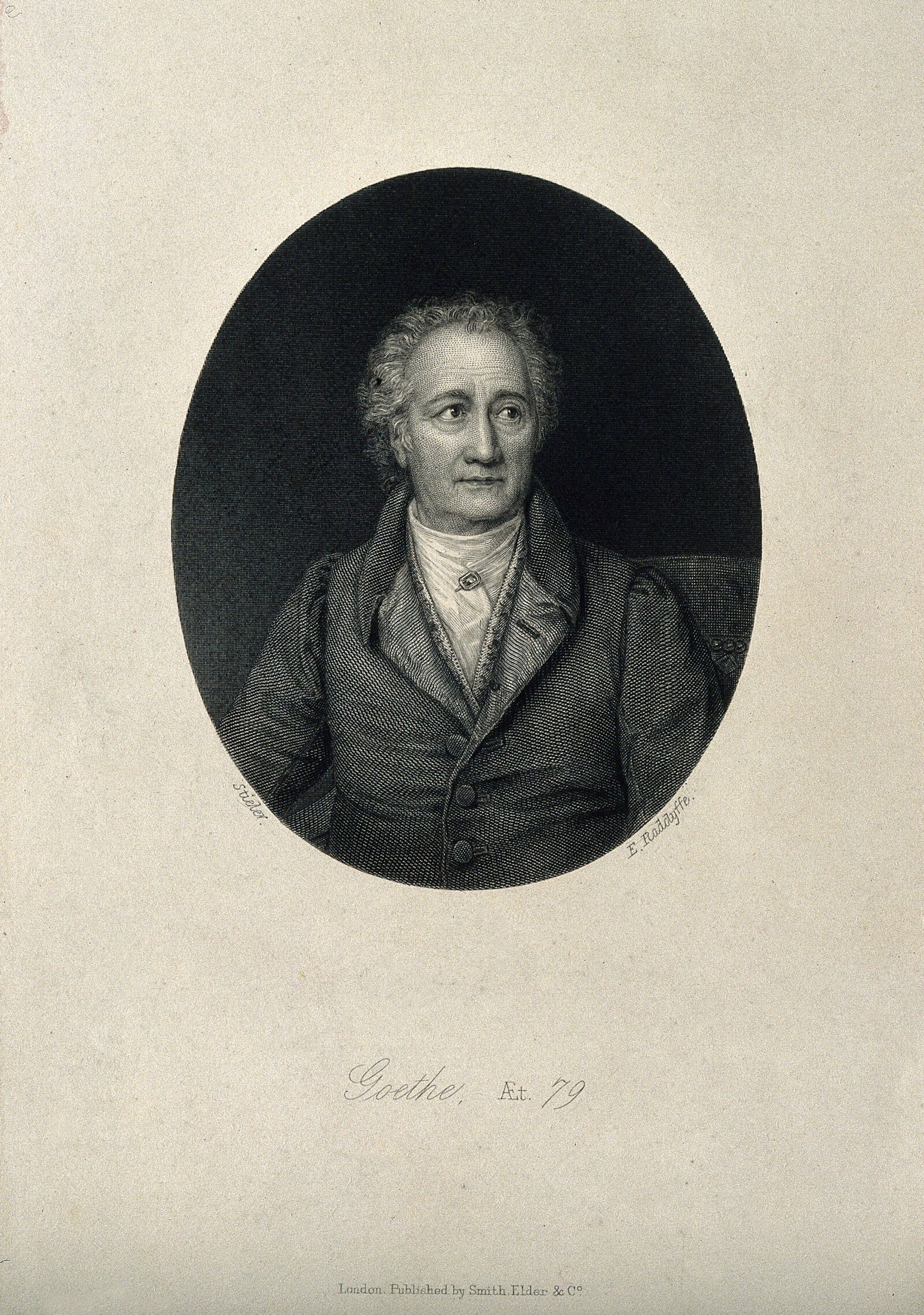
Goethe Line Engraving by Radclyffe after Stieler
E. Radclyffe after J. K. Stieler · 1828
 Book
Primary source
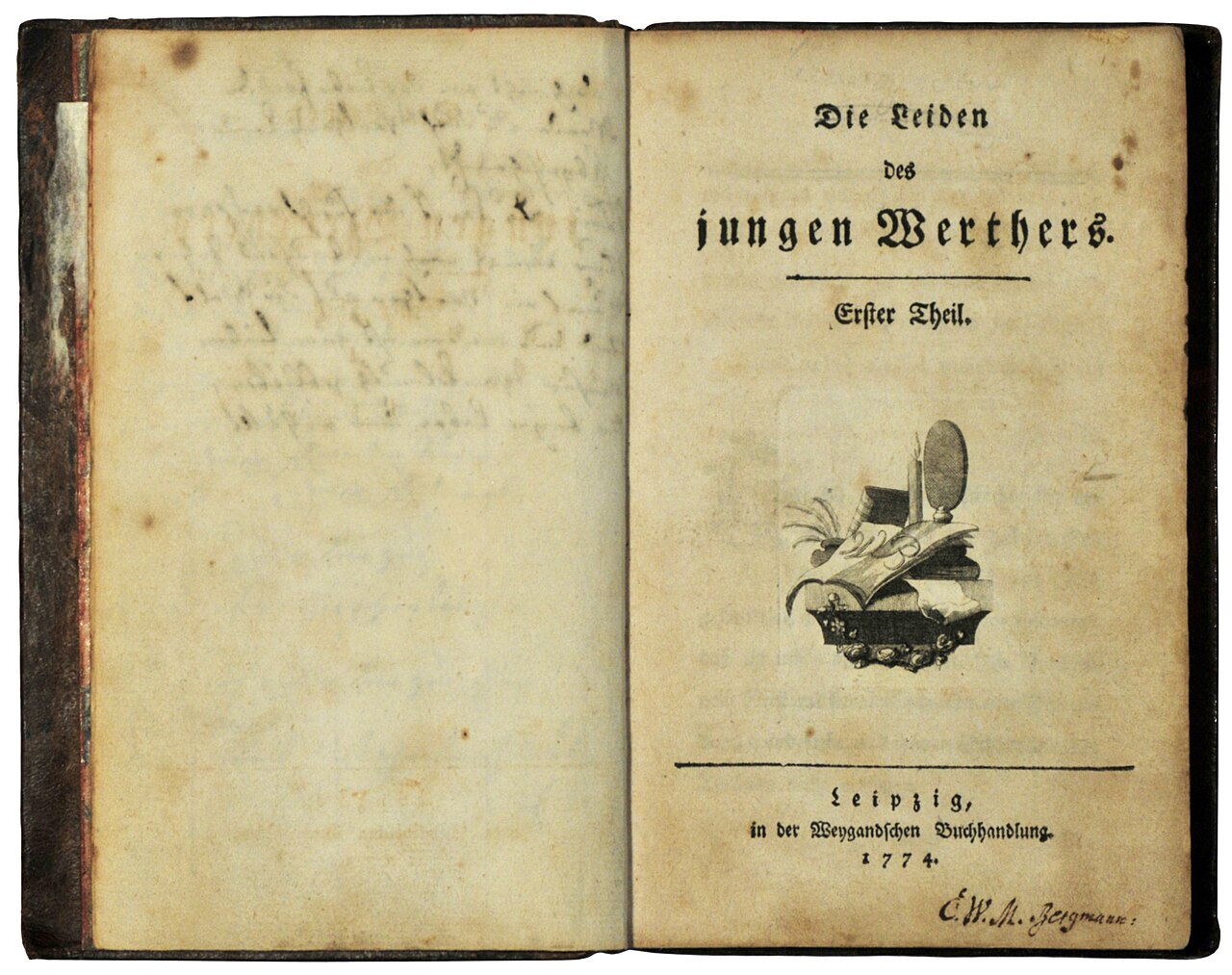
The Sorrows of Young Werther
Johann Wolfgang von Goethe · 1774
 Painting
Primary source
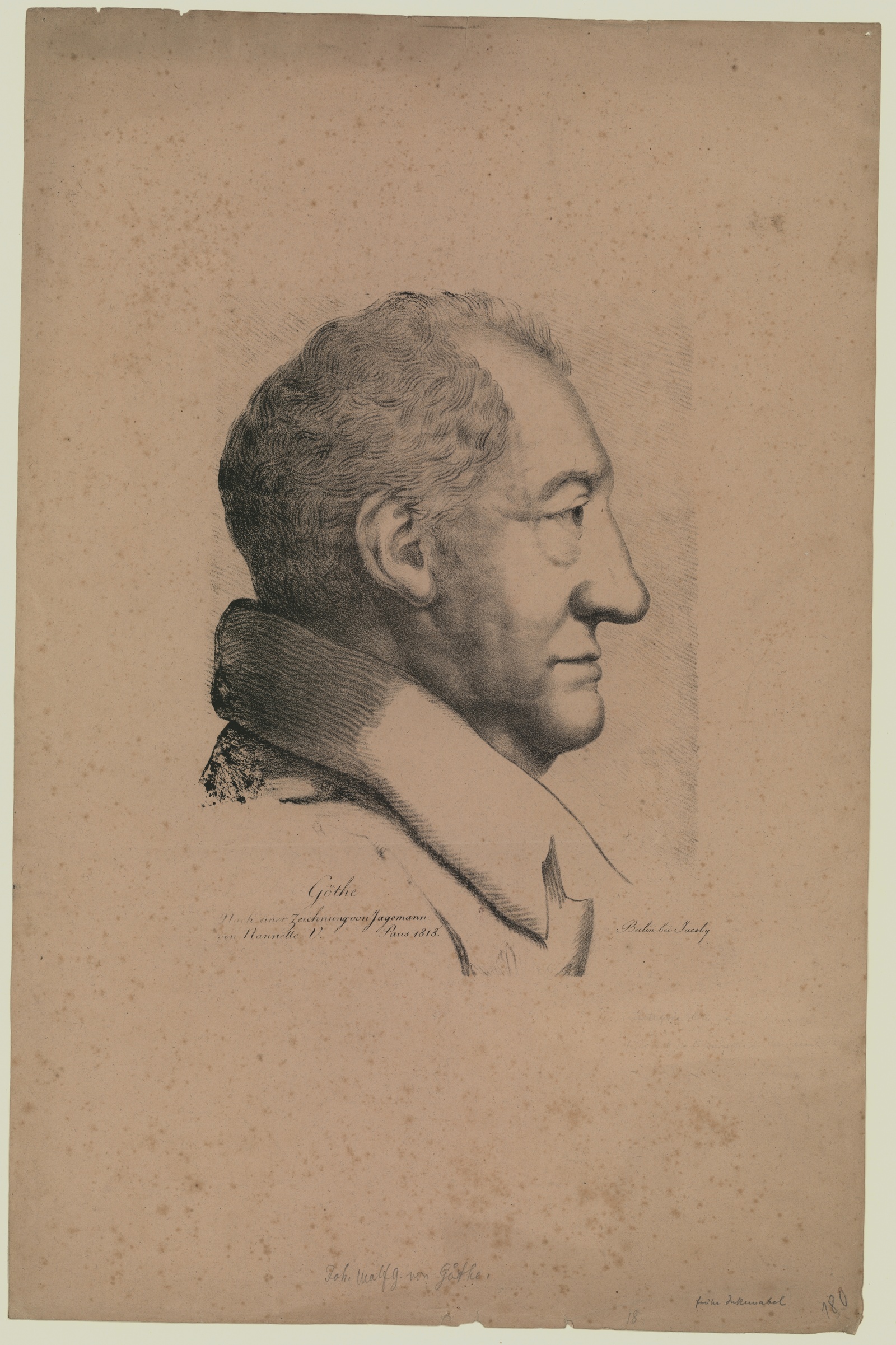
Lithograph Portrait of Goethe by Jagemann and Nanette
F. Jagemann and Nanette · c. 1818
Primary source
Der Erlkönig
Johann Wolfgang von Goethe · 1782
Ready when you are
Start chatting with Johann Wolfgang von Goethe now.
20 messages free · No credit card · Available in 50+ languages.