


Primary sourcePainting1798
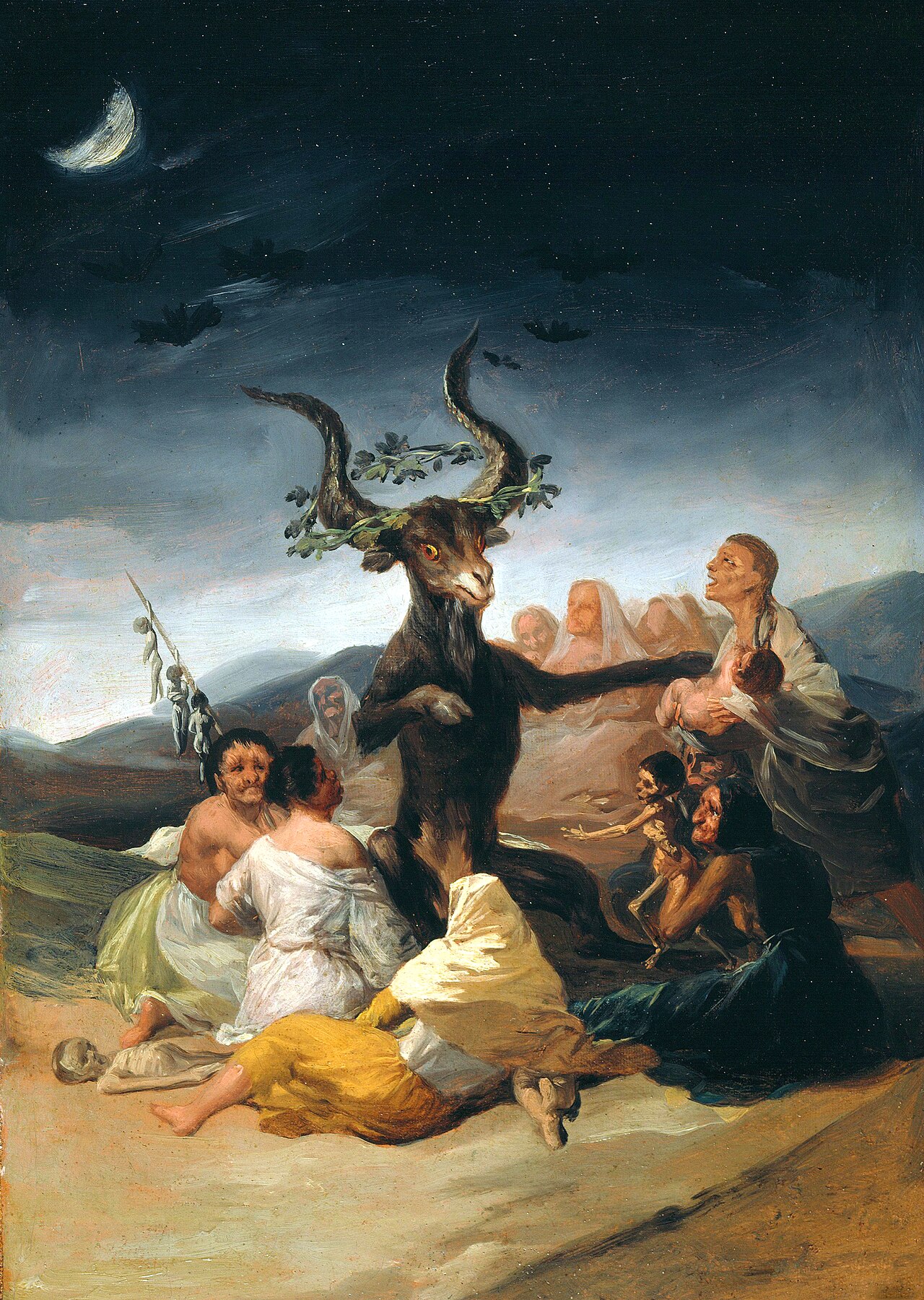
Witches' Sabbath
Francisco Goya · 1798
An oil painting by Francisco Goya from 1798 showing a goat-devil presiding over a coven of witches, part of a set bought by the Duke and Duchess of Osuna.
Goya painted this work himself, making it a direct expression of his early critique of superstition.
About this source
What it is
This is an oil painting on canvas made by Francisco Goya in 1798. It shows a horned, goat-like devil surrounded by witches, children and skeletal figures in a night landscape. It was bought along with five related witchcraft paintings by the Duke and Duchess of Osuna, and is now held at the Museo Lázaro Galdiano in Madrid.
Why it matters
The painting is an early example of Goya using supernatural and folk imagery to criticise superstition in Spanish society. It reflects the tastes of aristocratic patrons like the Osuna family, who collected scenes of witchcraft, and shows Goya's growing interest in the darker, irrational side of human belief that he returned to throughout his career.
Look closer
- What details make this scene feel frightening or unsettling?
- Why might wealthy patrons have wanted paintings like this in their homes?
- What might Goya be saying about superstition rather than actual witches?
This painting is part of the curated material that grounds the AI version of Francisco Goya on Humy.ai — when students ask about related events, the AI can quote it and cite it.
More Francisco Goya sources
Meet the AI Francisco Goya →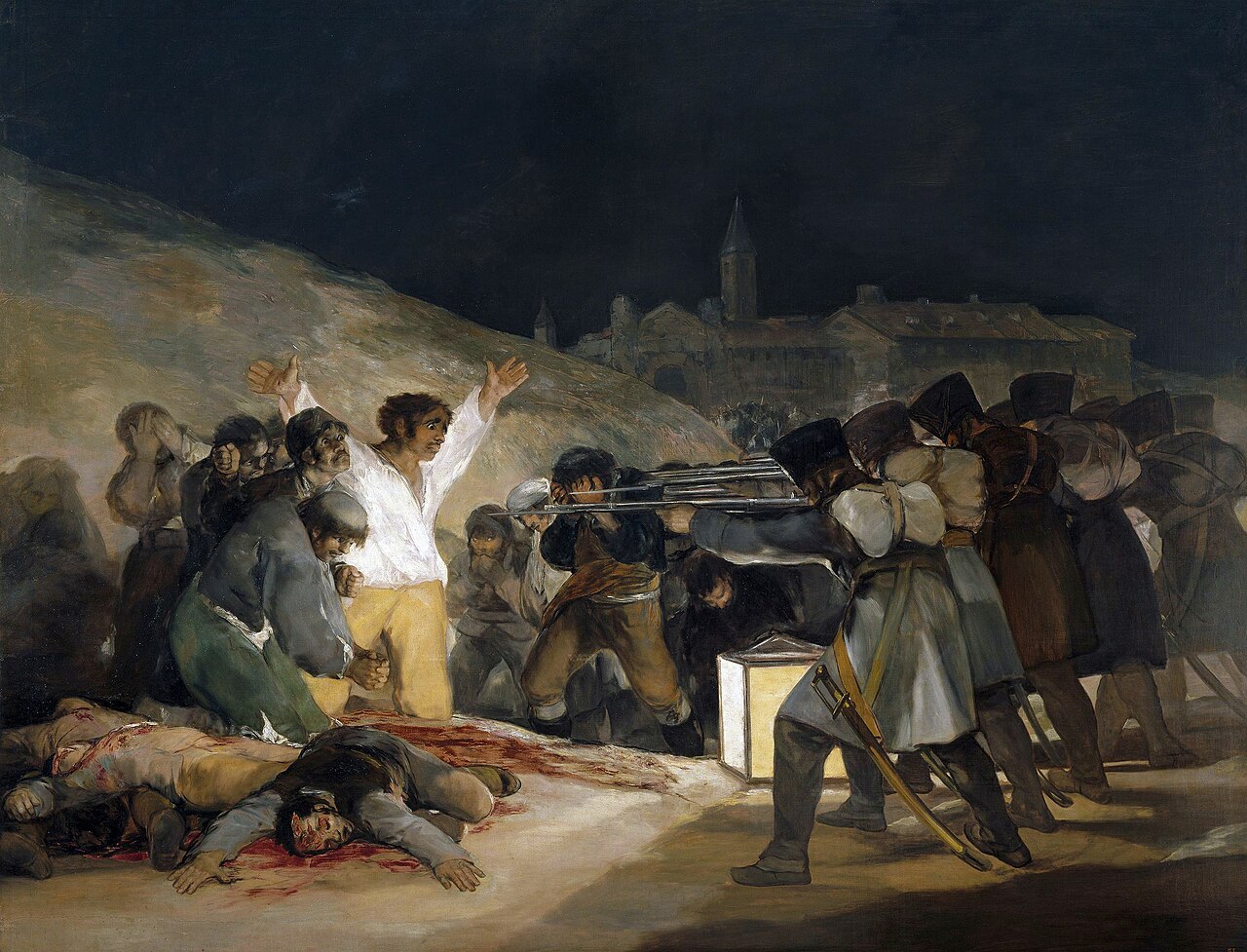 Painting
Secondary source
The Third of May 1808
Francisco Goya · 1814
 Painting
Primary source
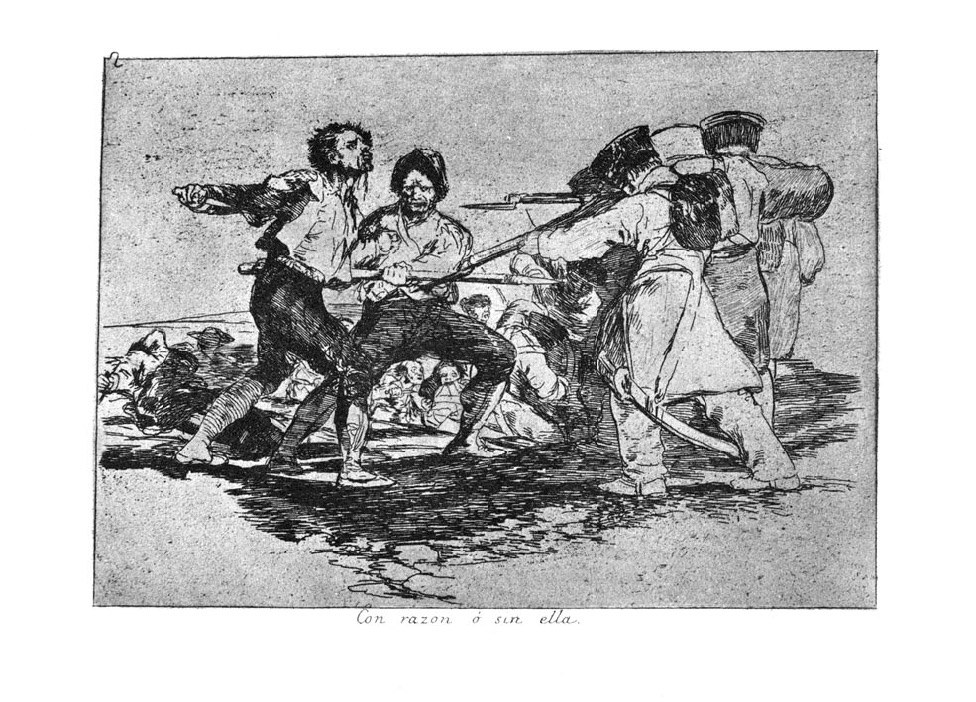
The Disasters of War
Francisco Goya · 1810-1820
 Painting
Primary source
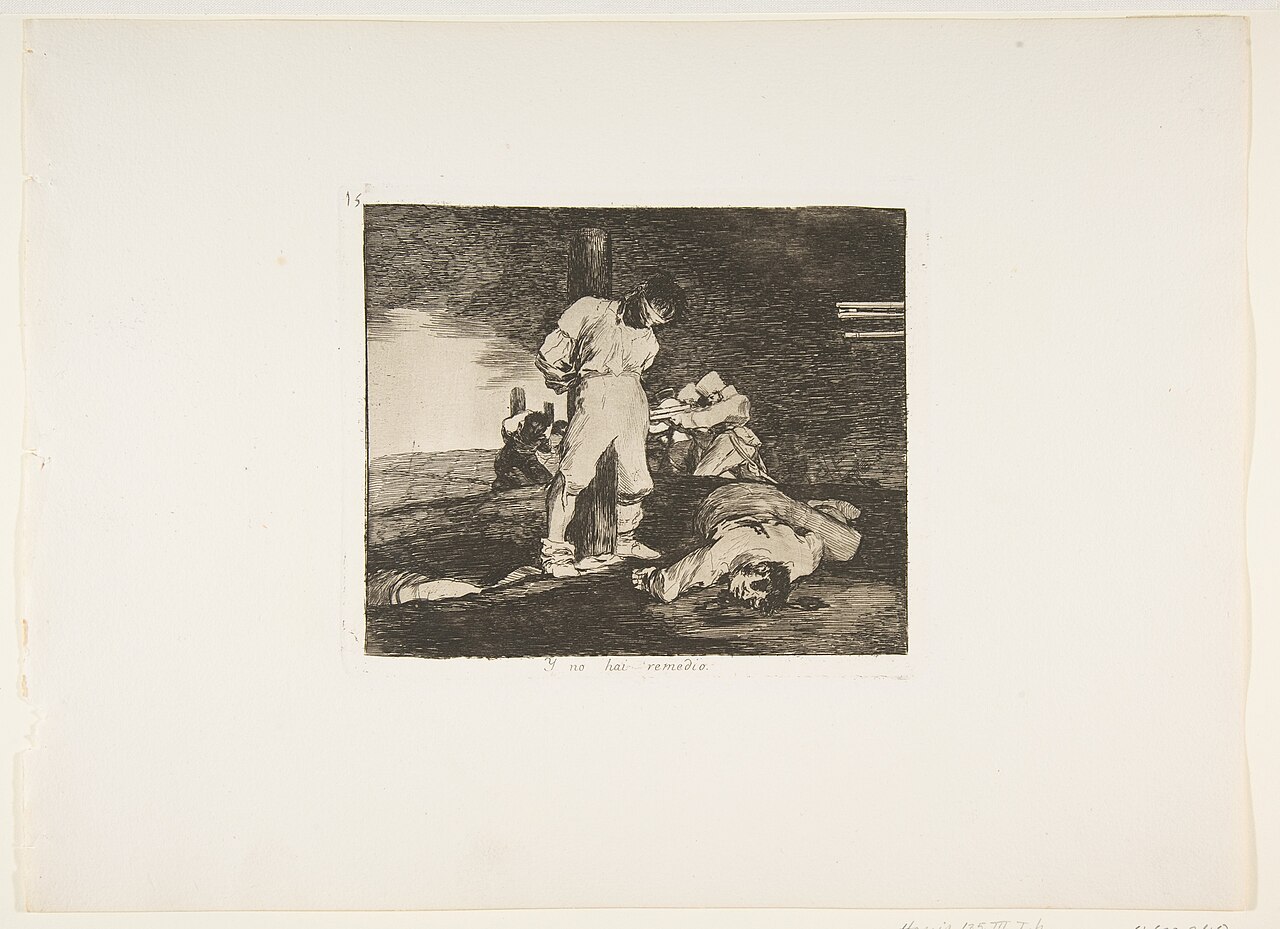
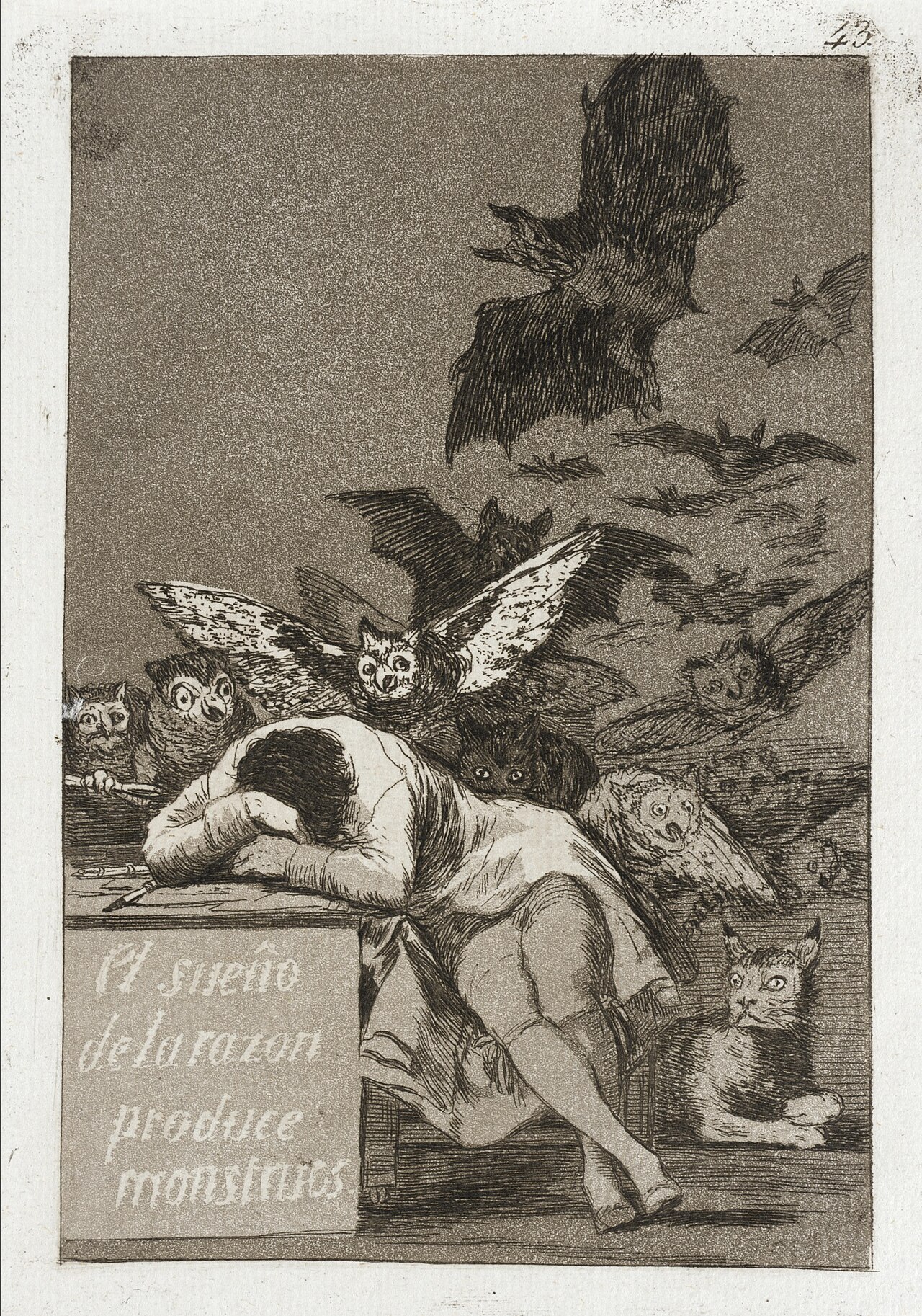
Y no hai remedio
Francisco de Goya · c. 1810-1814 (published 1863)
 Painting
Primary source
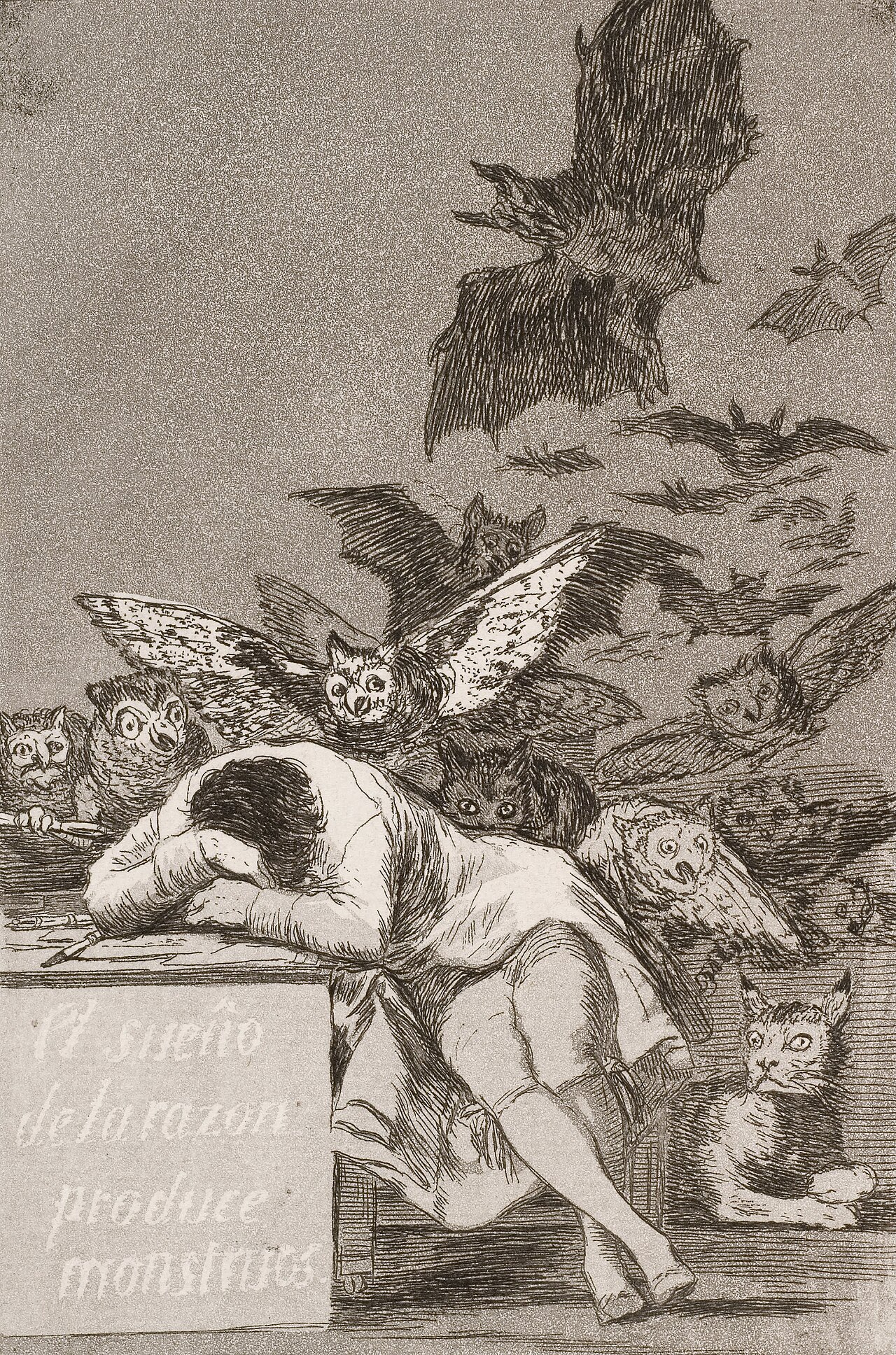
Caprichos
Francisco Goya · 1799 (created 1797-1798)
 Painting
Primary source
The Sleep of Reason Produces Monsters
Francisco Goya · 1797-1799
Ready when you are
Start chatting with Francisco Goya now.
20 messages free · No credit card · Available in 50+ languages.