


Secondary sourcePhotograph1885
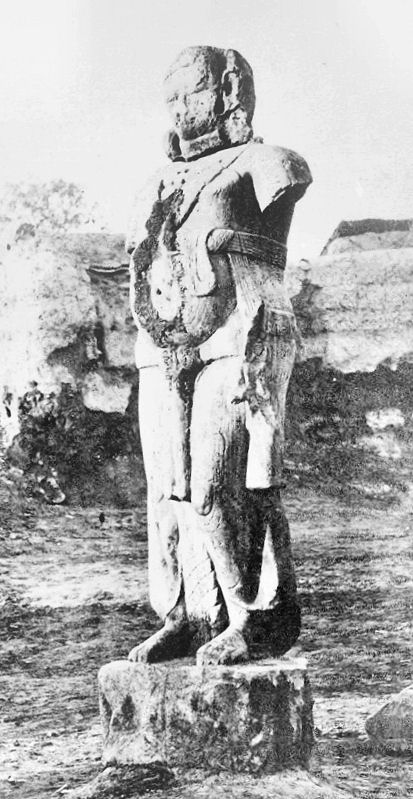
Yaksha with Ashokan inscription
Unknown · 1885
An 1885 photograph of a Mauryan-period stone statue of a yaksha found at Parkham, bearing an Ashokan inscription, now in the Mathura Museum.
The statue's inscription connects it to Ashoka's era, showing popular art alongside his official court art.
About this source
What it is
This is a black-and-white photograph, taken in 1885, of a large standing stone statue of a yaksha (a male nature-spirit figure) unearthed at Parkham in the Mathura District of India. The statue dates to the 3rd century BC and carries an inscription linking it to the Ashokan period. It is now kept in the Mathura Museum.
Why it matters
The statue shows a kind of popular religious art that existed alongside the polished royal art of Ashoka's pillars. Comparing the two styles helps historians understand what everyday worship and sculpture looked like under Ashoka's empire, beyond the official imperial monuments he commissioned.
Look closer
- What does the size and pose of the statue suggest about how it was meant to be seen?
- Why might historians compare 'popular' art like this to the polished pillars made for Ashoka's court?
- What is missing from a photograph that you could learn by seeing the statue in person?
This photograph is part of the curated material that grounds the AI version of Ashoka the Great on Humy.ai — when students ask about related events, the AI can quote it and cite it.
More Ashoka the Great sources
Browse all 98 →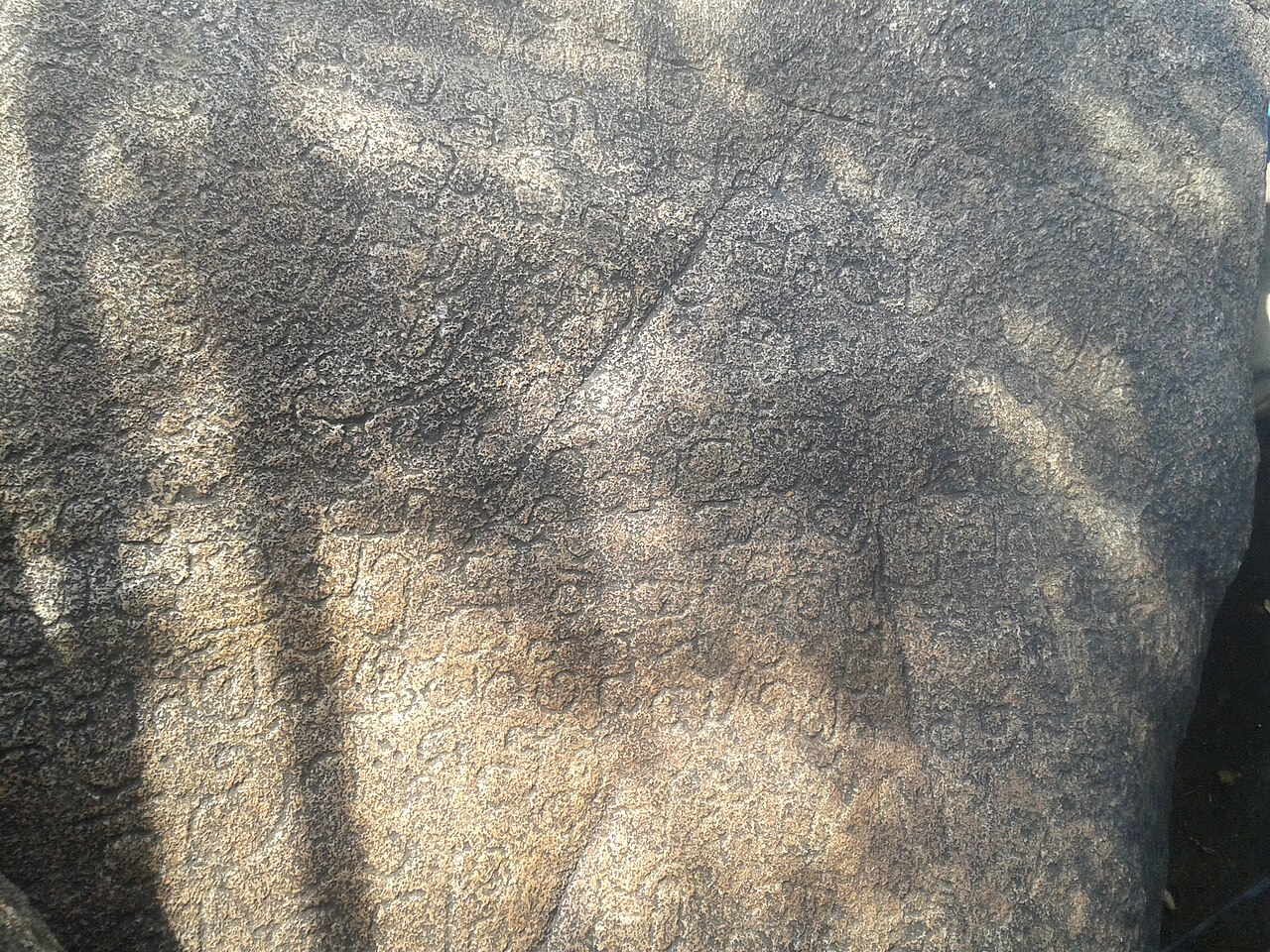 Document
Primary source
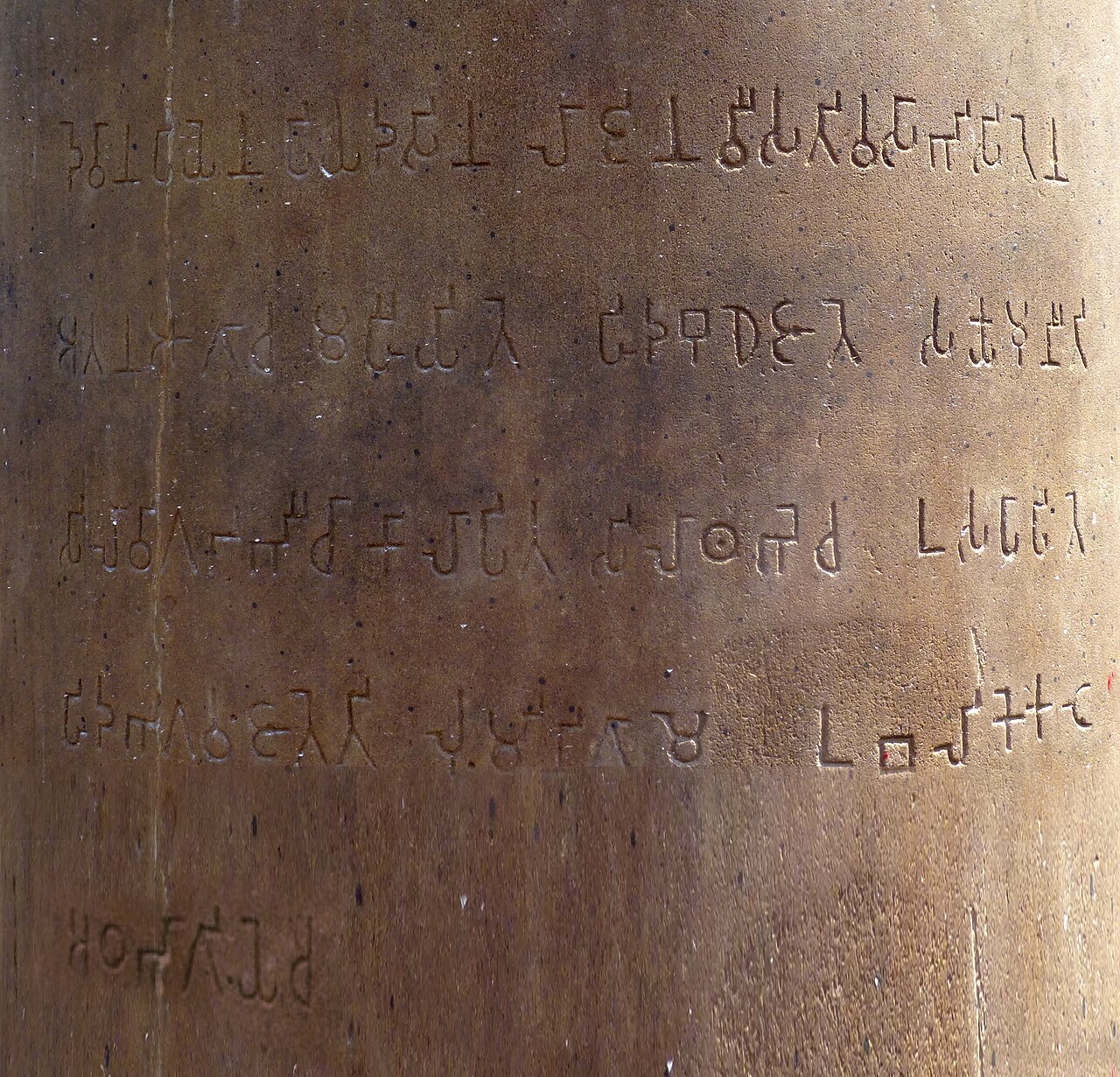
Major Rock Edicts
Ashoka · c. 257 BCE
 Sculpture
Secondary source
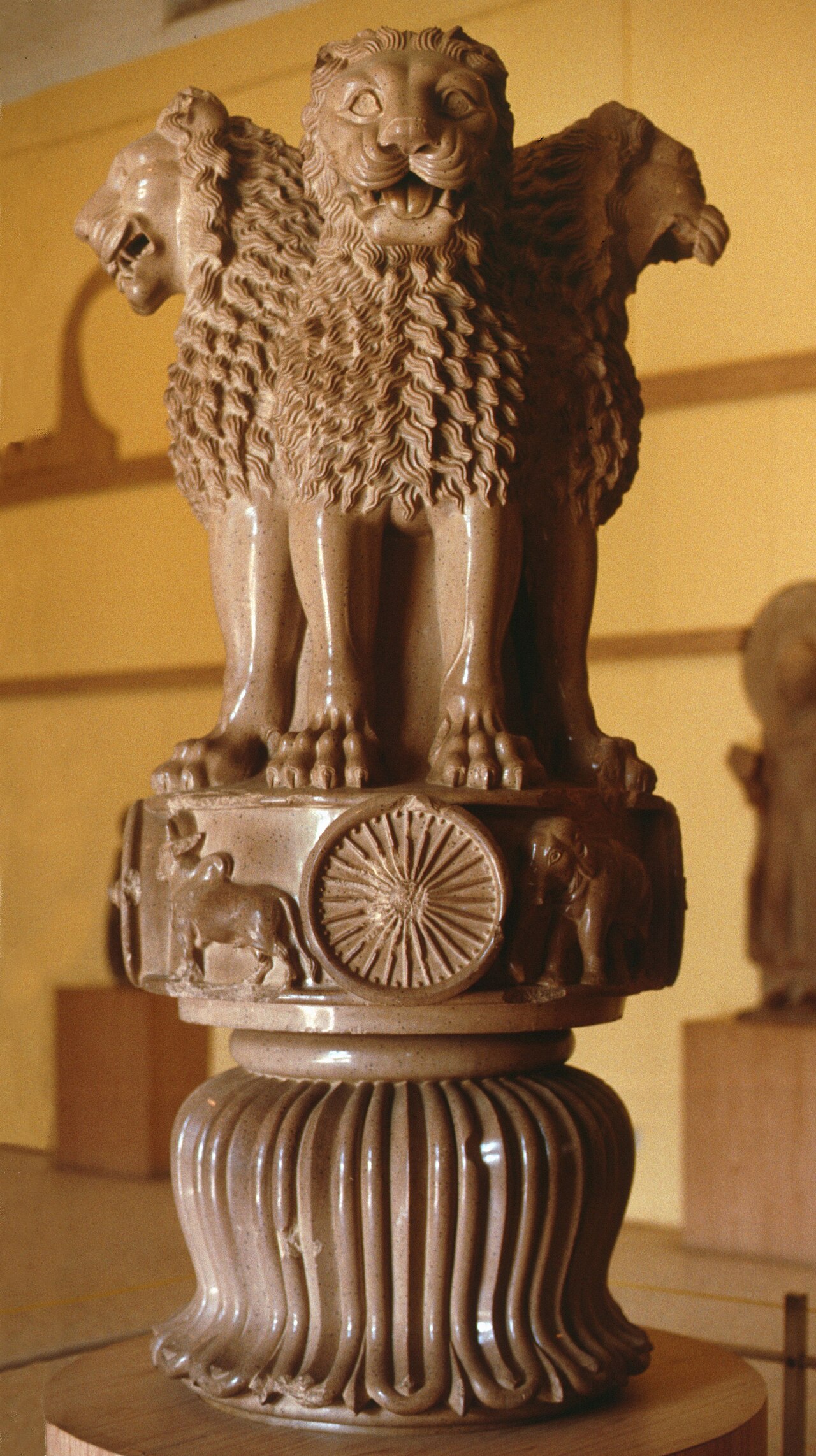
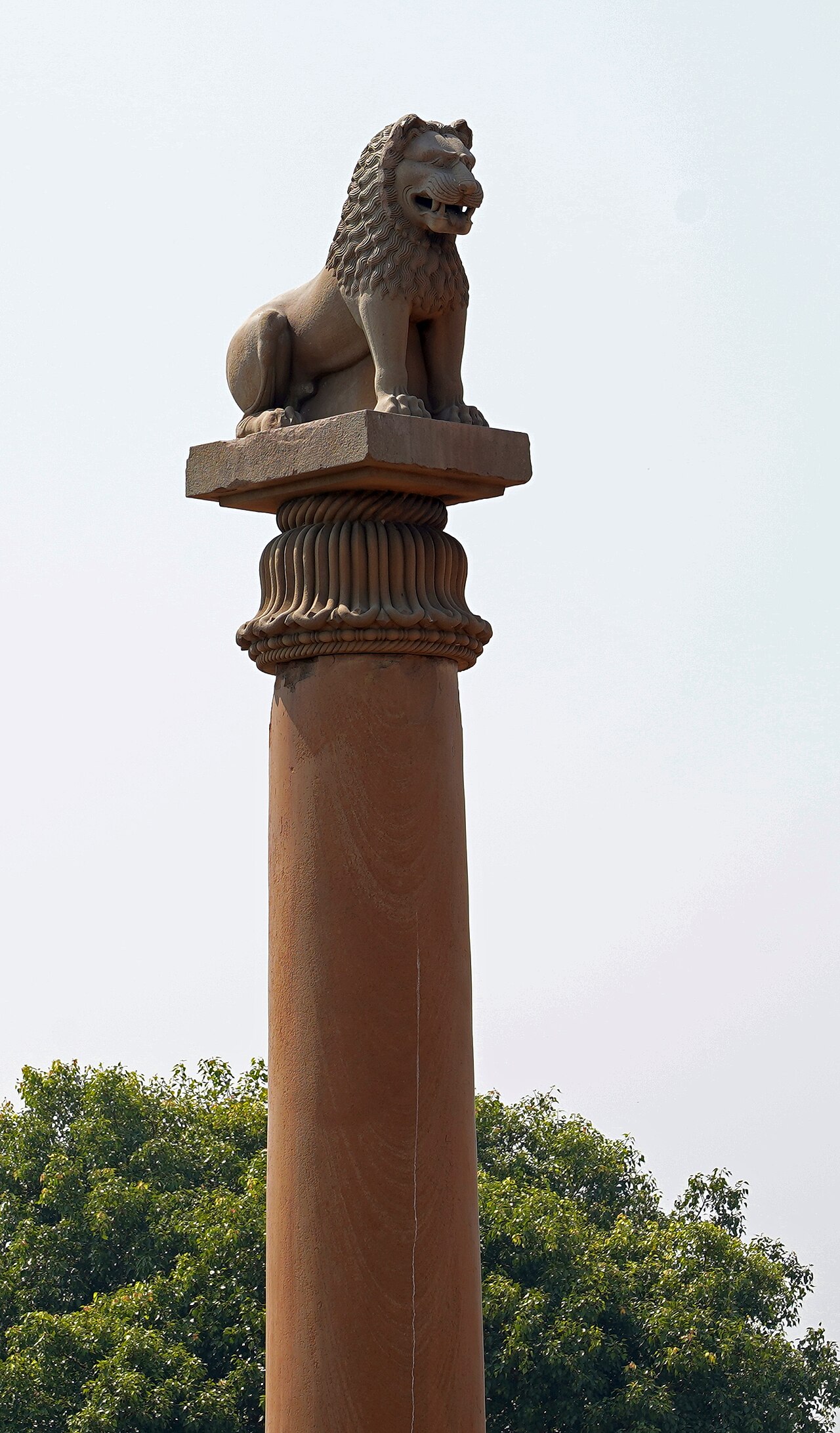
Lion Capital of Ashoka
Commissioned by Ashoka · c. 250 BCE
 Artifact
Secondary source
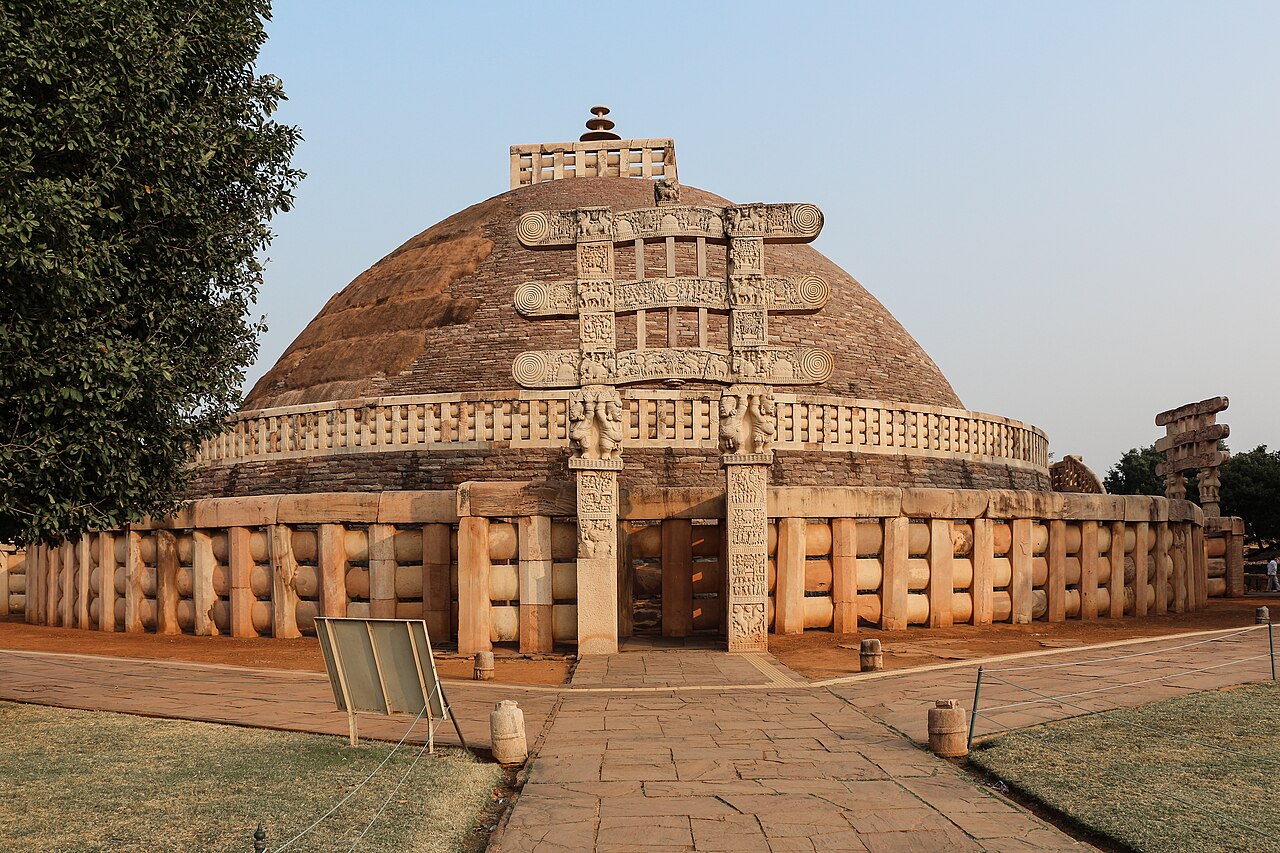
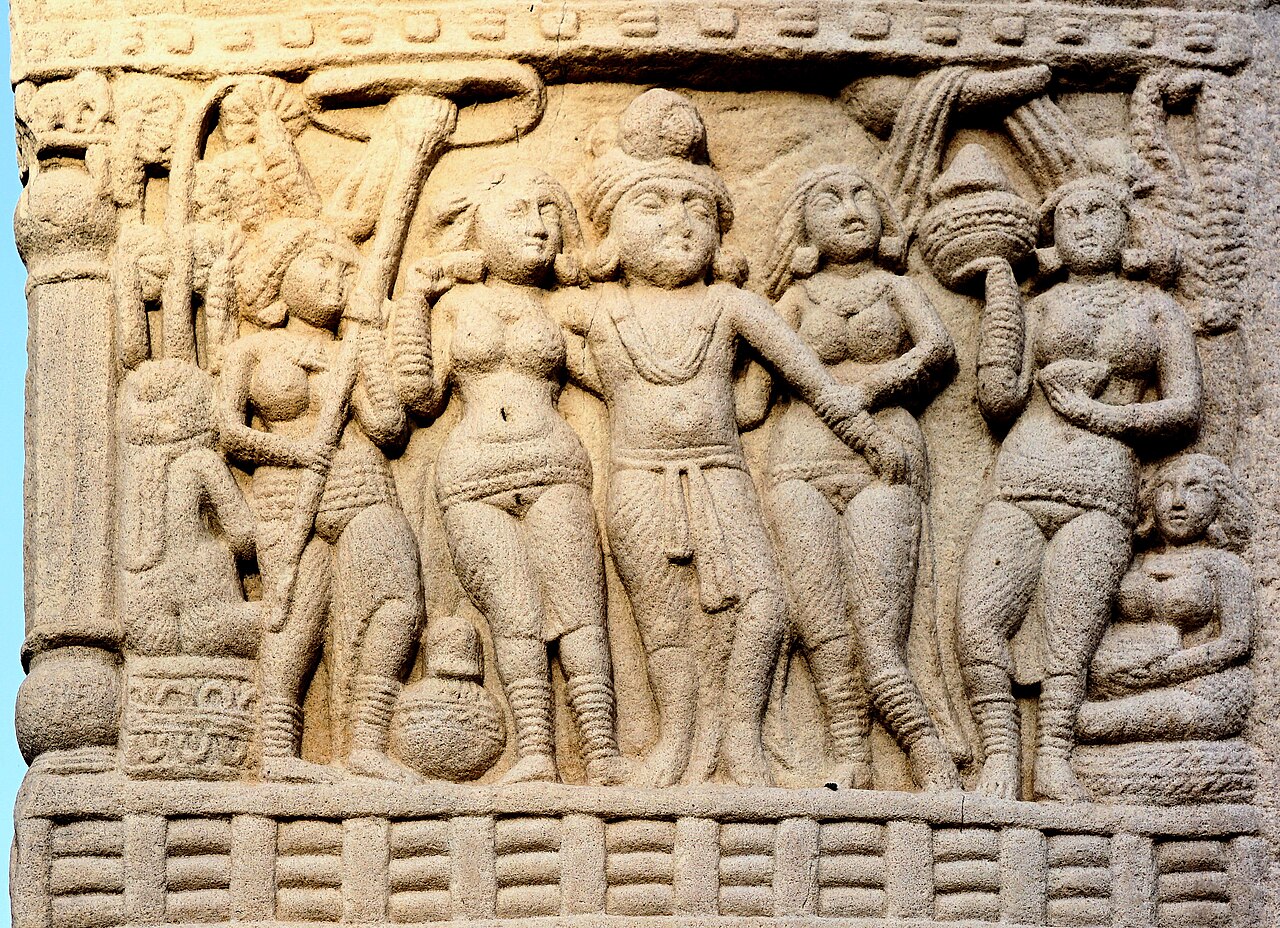
Sanchi Stupa
Commissioned by Ashoka · 3rd century BCE onward
 Document
Primary source
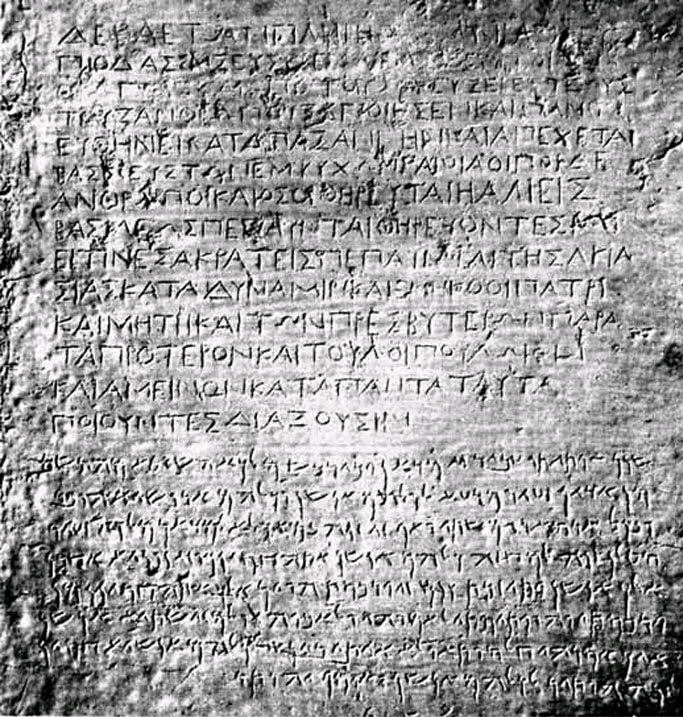
Kandahar Bilingual Rock Inscription
Ashoka · c. 260 BCE
Free account
Read every Ashoka the Great source
Sign up free →
Ready when you are
Start chatting with Ashoka the Great now.
20 messages free · No credit card · Available in 50+ languages.