


Primary sourceDocument7th century BCE
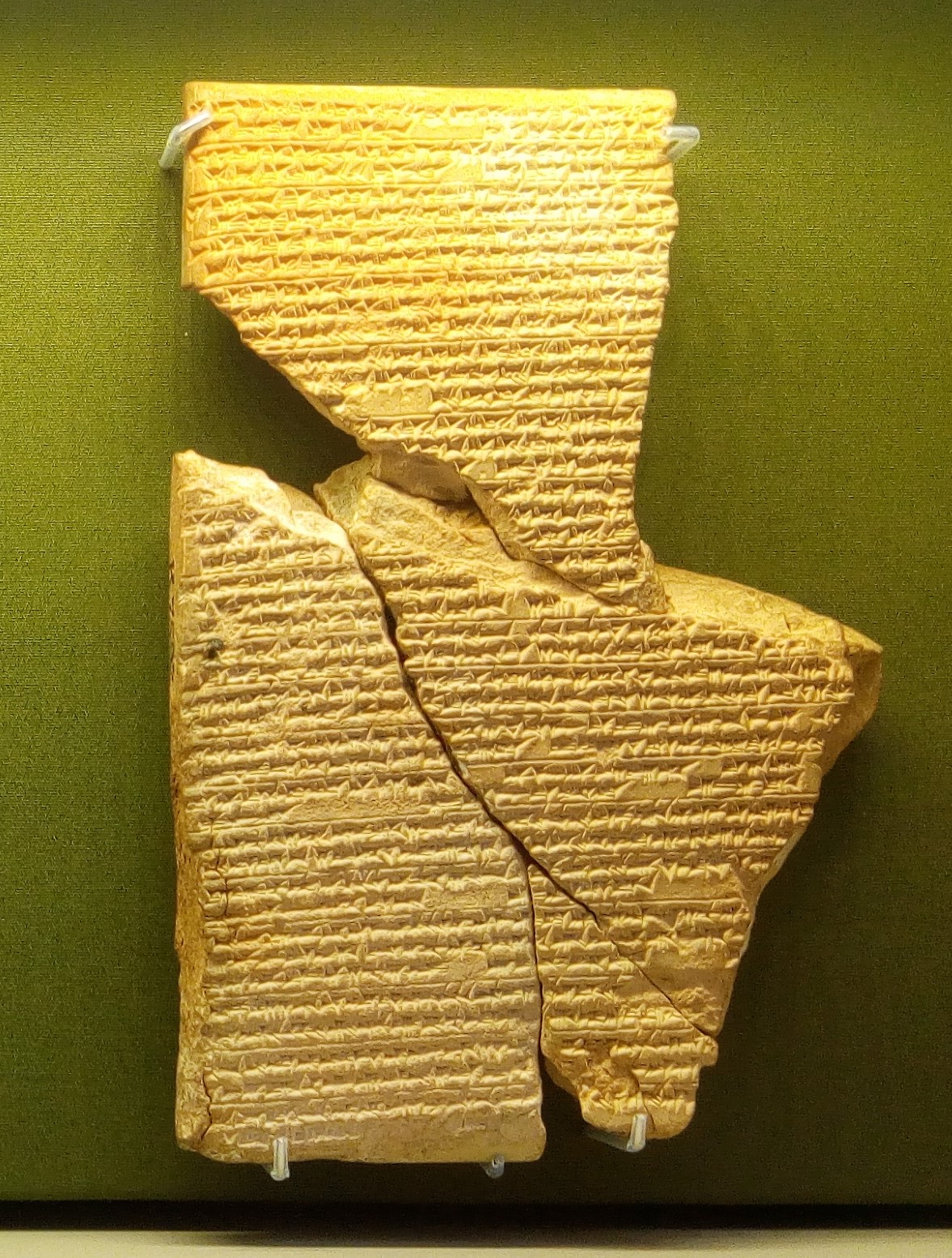
Acrostic Hymn to Marduk and Zarpanitu
Ashurbanipal · 7th century BCE
A hymn composed in Ashurbanipal's name praising the Babylonian gods Marduk and Zarpanitu, with his name spelled out acrostically in the opening signs of each line.
This hymn was composed in Ashurbanipal's own name, reflecting his claimed scholarship and religious devotion.
About this source
What it is
This cuneiform clay tablet, broken into fragments and reassembled, records a hymn dedicated by Ashurbanipal to the divine pair Marduk and Zarpanitu. It is an acrostic composition, meaning the first sign of each line spells out a message reading "I am Assurbanipal, who has called out to you: give me life, Marduk, and I will praise you!" It comes from Nineveh.
Why it matters
This hymn reflects Ashurbanipal's efforts to present himself as a learned and pious king, skilled enough to craft an acrostic text and devoted to the Babylonian gods, which also served his policy of easing relations with Babylon after his civil war against his brother.
Look closer
- Why might a king want to show off his skill in composing a clever acrostic?
- What does worshipping Marduk and Zarpanitu suggest about Ashurbanipal's relationship with Babylon?
- What does the physical condition of the tablet tell you about how fragile these records are?
This document is part of the curated material that grounds the AI version of Ashurbanipal on Humy.ai — when students ask about related events, the AI can quote it and cite it.
More Ashurbanipal sources
Meet the AI Ashurbanipal →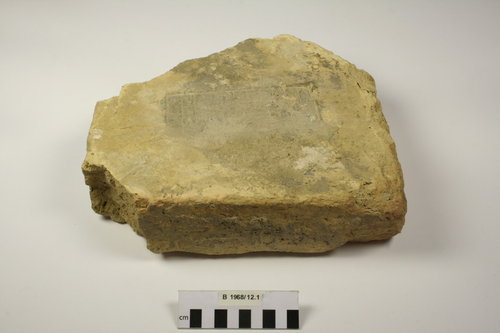 Artifact
Primary source
Baked Brick Naming King Ashurbanipal
7th century BCE
 Sculpture
Primary source
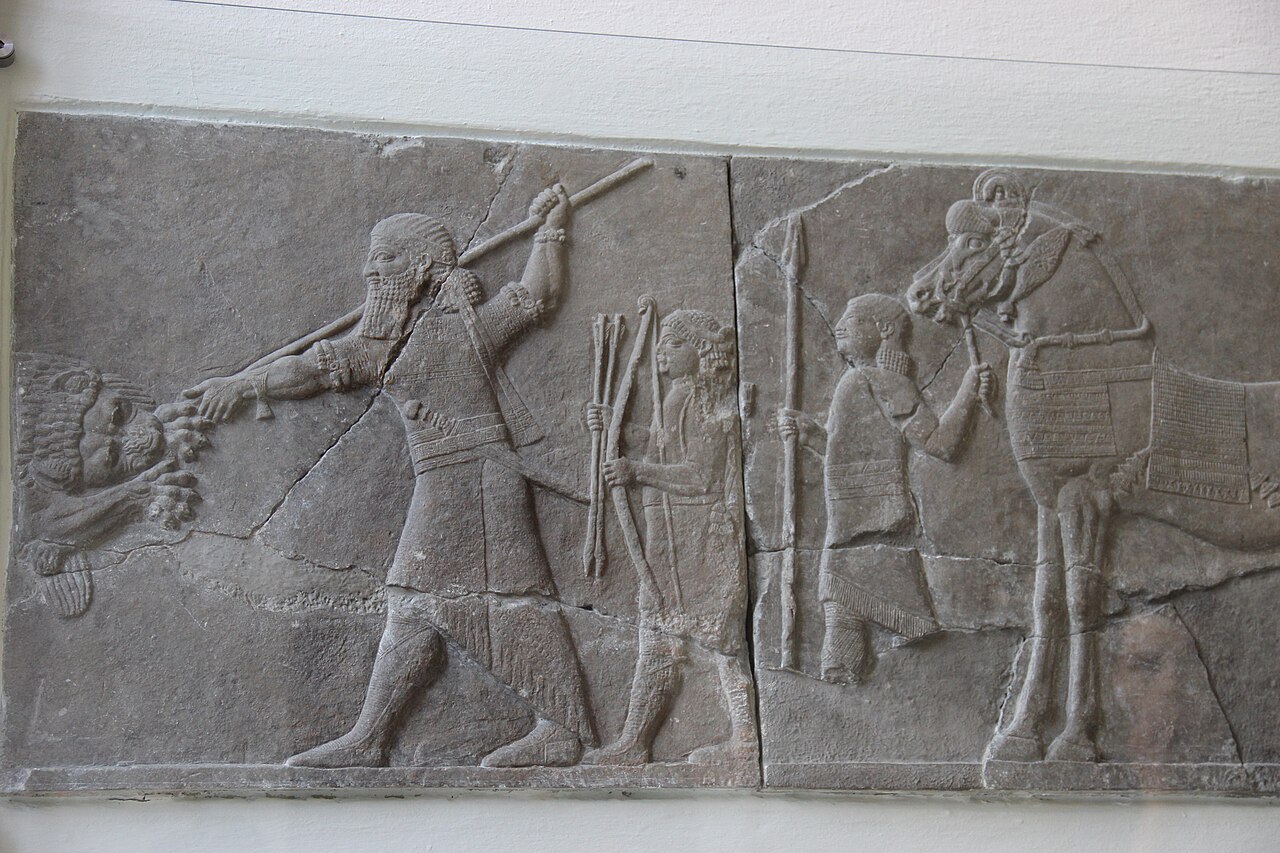
Lion Hunt of Ashurbanipal
Assyrian royal sculptors · c. 645–635 BCE
 Document
Primary source
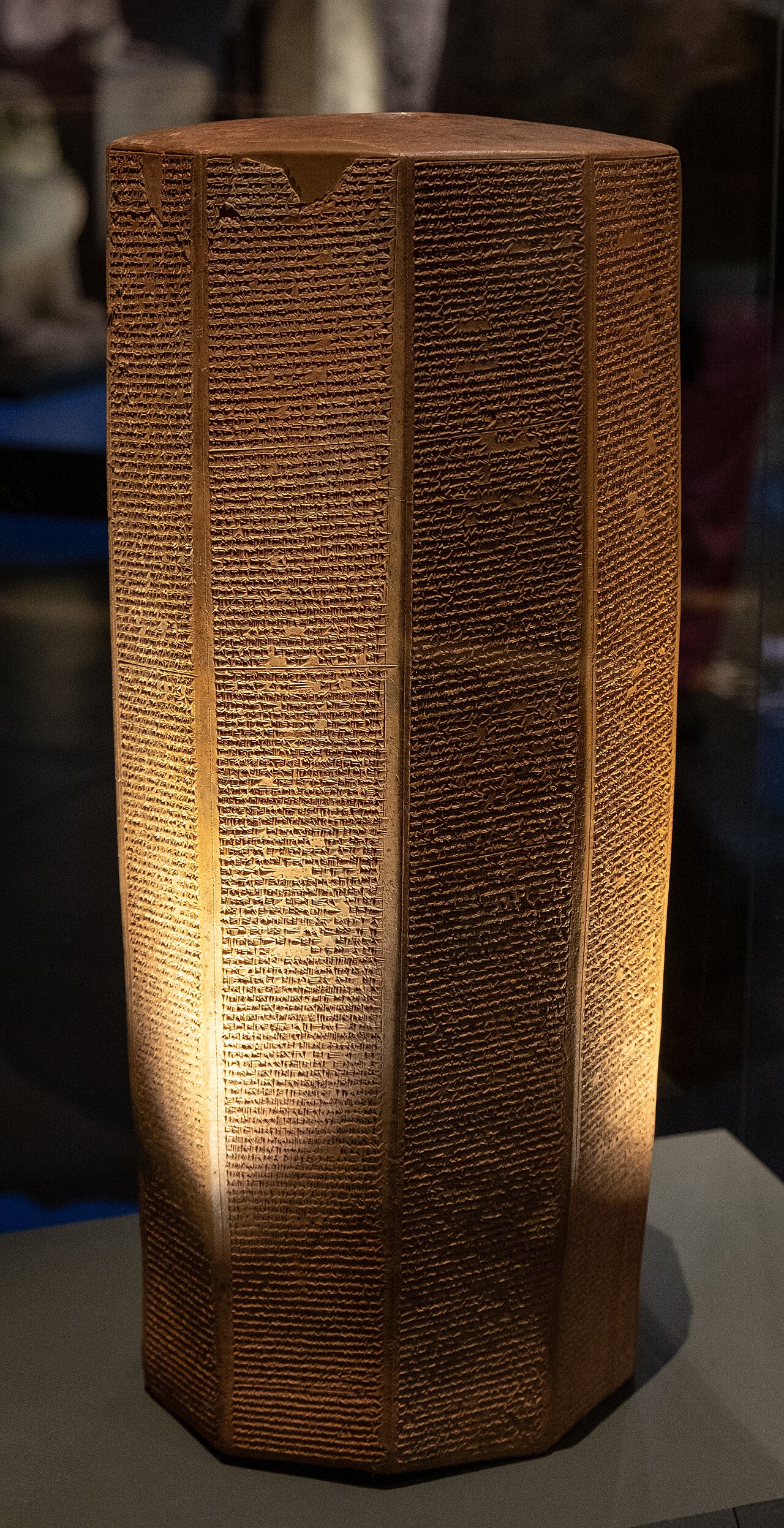
Rassam Prism of Ashurbanipal
643 BCE
 Painting
Secondary source
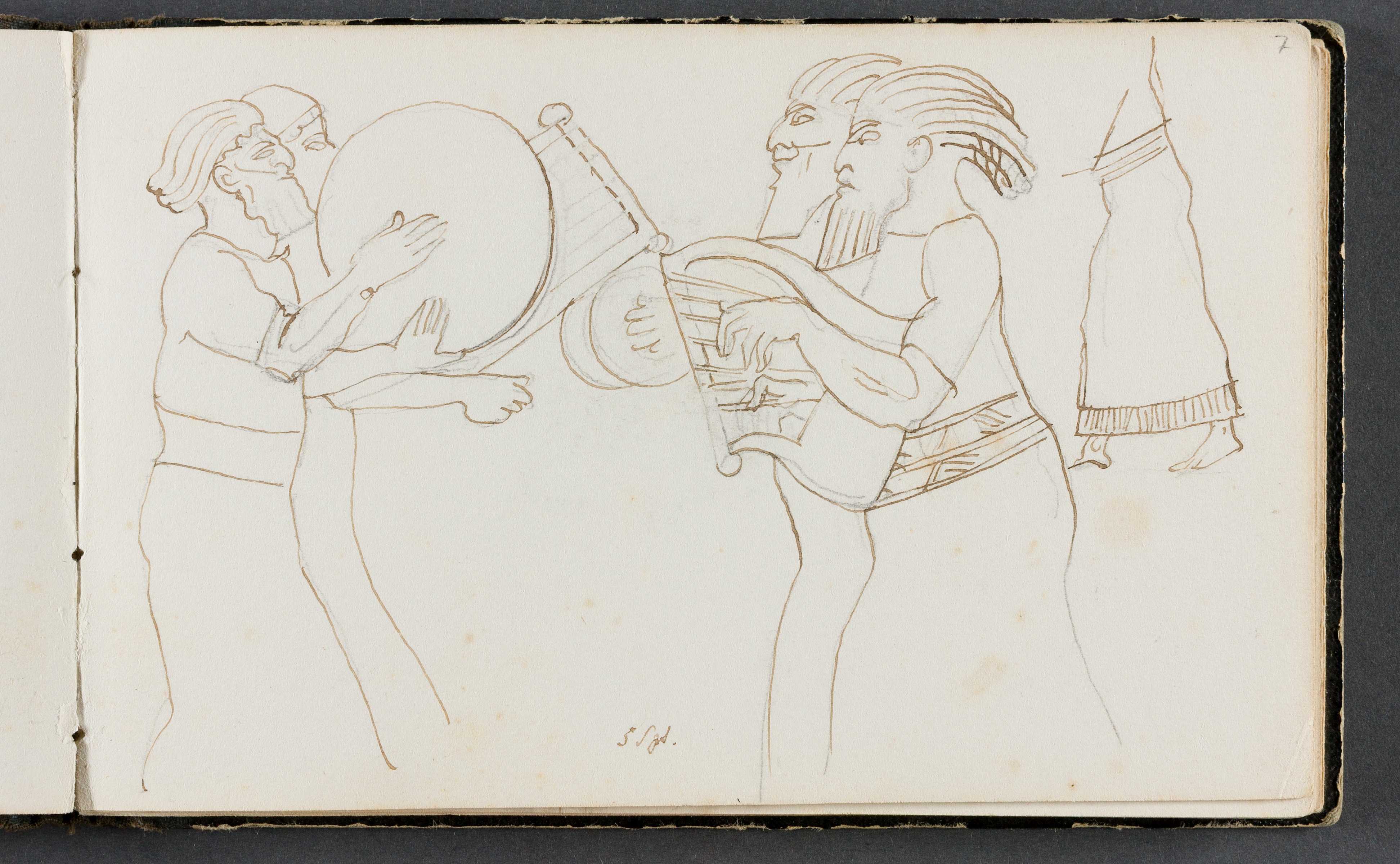
Relief with Musicians from the Palace of Ashurbanipal in Nineveh
 Document
Primary source
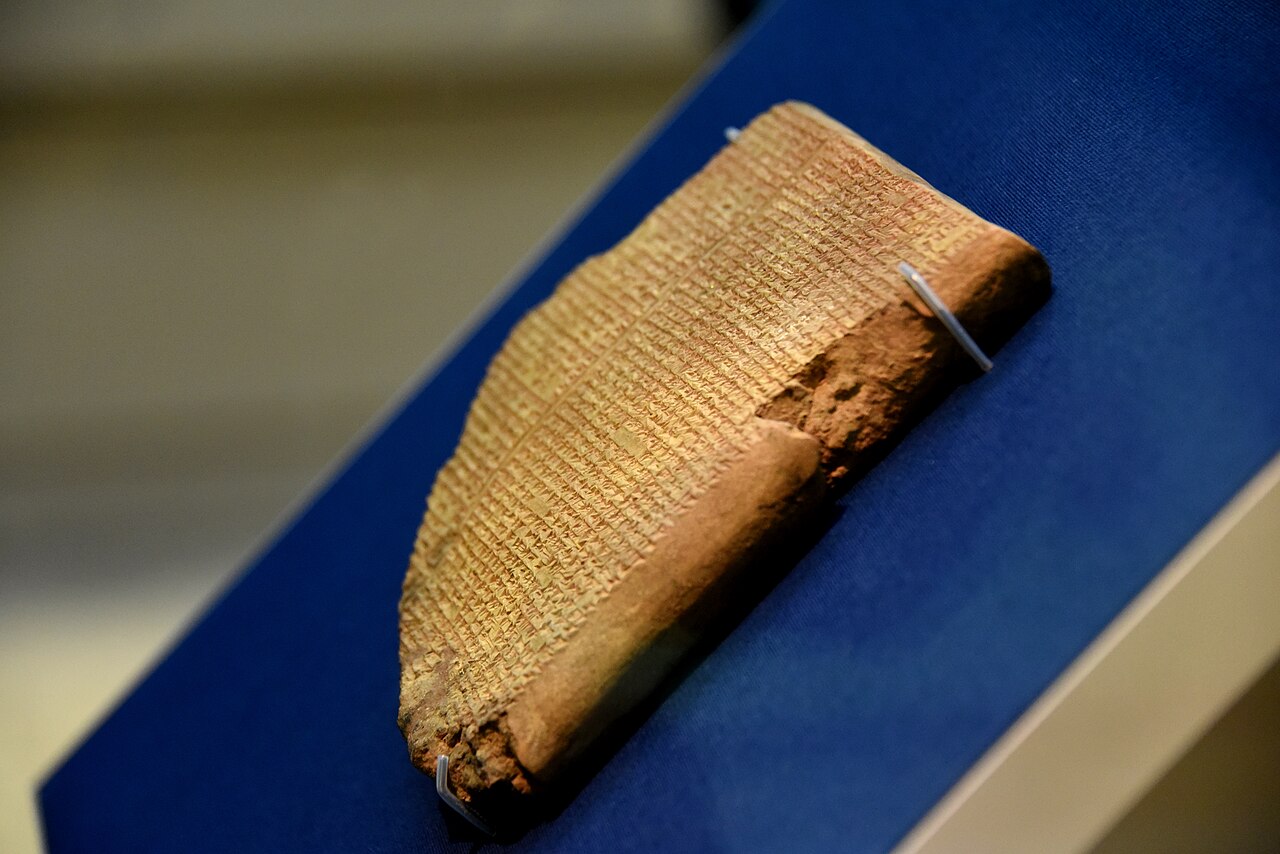
Flood Tablet
Scribes of Ashurbanipal's library · 7th century BCE
Ready when you are
Start chatting with Ashurbanipal now.
20 messages free · No credit card · Available in 50+ languages.