


Secondary sourceArtifactcompleted in stages, major addition 1235
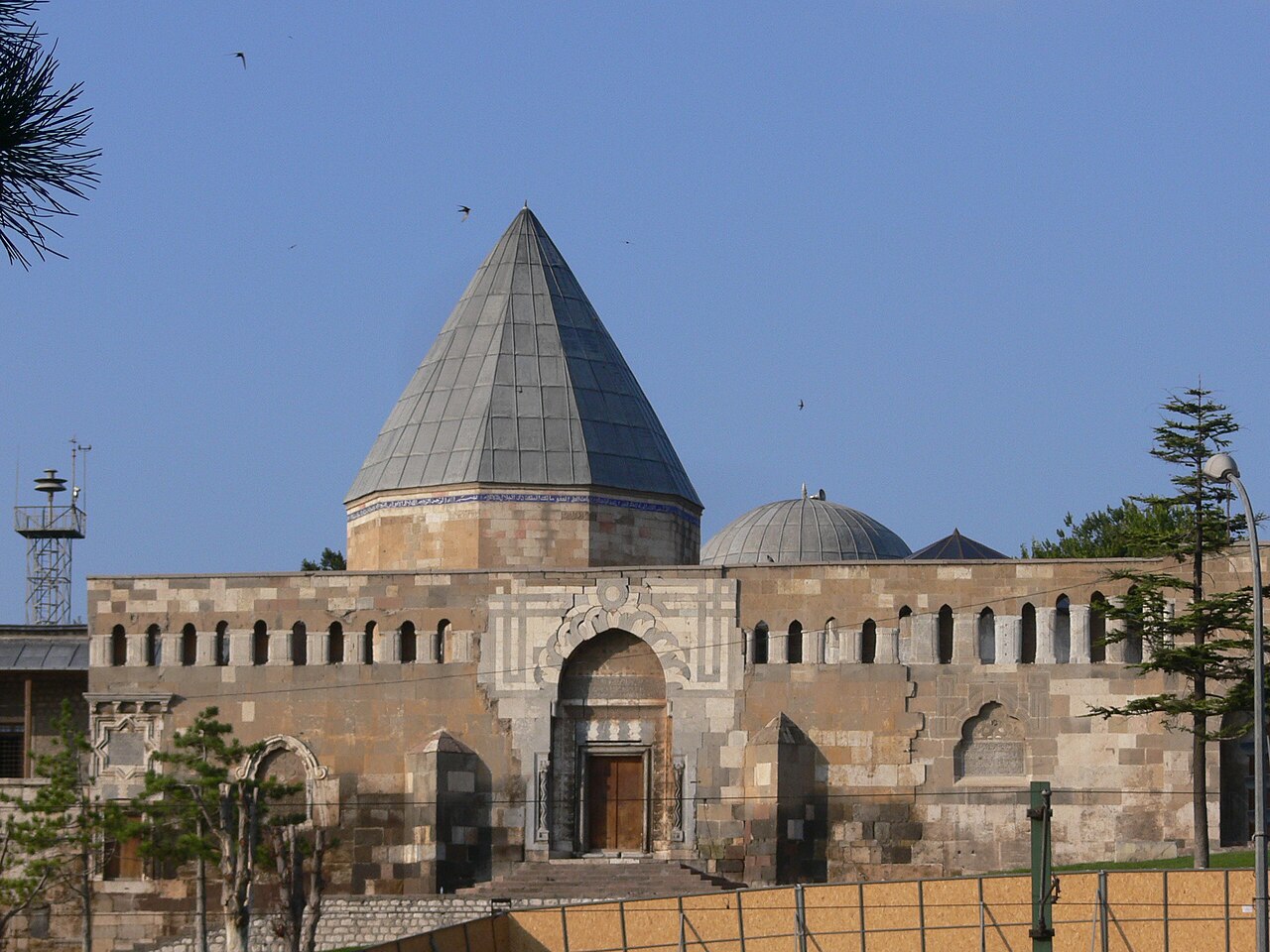
Alâeddin Mosque
completed in stages, major addition 1235
The main Seljuk congregational mosque of Konya, built under the sultans who invited Rumi's family to the city.
Built by the Seljuk sultans who invited Rumi's family to Konya, this mosque was central to the religious life Rumi led.
About this source
What it is
The Alâeddin Mosque stands on Alaaddin Hill in Konya, Turkey. Built in stages from the mid-12th to mid-13th century under Seljuk sultans including Alaaddin Keykubad I, it served as the main prayer hall for the Seljuk Sultans of Rum, whose tombs lie in its courtyard.
Why it matters
Sultan Alaaddin Keykubad I, for whom the mosque is named, invited Rumi's family to settle in Konya. The mosque was therefore part of the religious life of the city where Rumi later lived, taught and preached, and it shows the power and patronage of the dynasty that shaped his world.
Look closer
- What does the scale and decoration of the mosque tell us about the sultans who built and expanded it?
- Why might several sultans have wanted to be buried in its courtyard?
- What has changed about the building's use over time, and what does that reveal about its continuing importance?
This artifact is part of the curated material that grounds the AI version of Rumi (Jalāl ad-Dīn Muhammad Rūmī) on Humy.ai — when students ask about related events, the AI can quote it and cite it.
More Rumi (Jalāl ad-Dīn Muhammad Rūmī) sources
Meet the AI Rumi (Jalāl ad-Dīn Muhammad Rūmī) → Book
Primary source
Masnavi
Rumi · c. 1258-1273
 Book
Primary source
Diwan-e Shams-e Tabrizi
Rumi · c. 1247 onward
 Artifact
Secondary source
Grave of Rumi
soon after 1273
 Book
Primary source
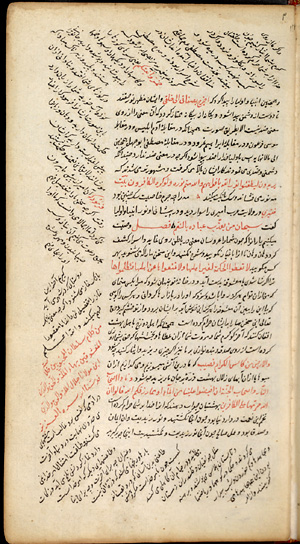
Fihi Ma Fihi
Rumi · c. 1260-1273
 Artifact
Secondary source
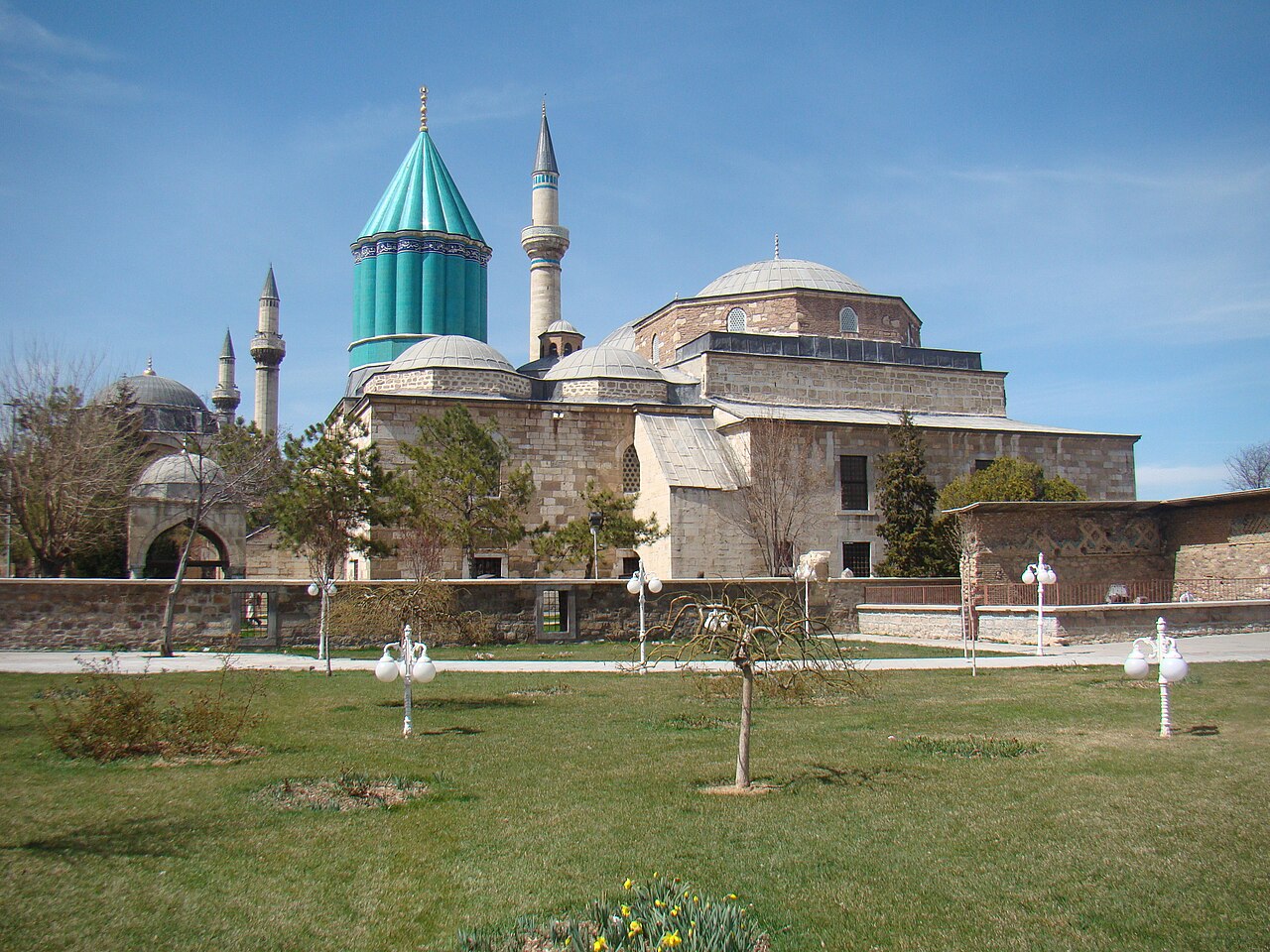
Mevlâna Museum
Badr al-Din Tabrizi (architect) · built soon after 1273; museum since 1926
Ready when you are
Start chatting with Rumi (Jalāl ad-Dīn Muhammad Rūmī) now.
20 messages free · No credit card · Available in 50+ languages.