


Primary sourceBookc. 1247 onward
Diwan-e Shams-e Tabrizi
Rumi · c. 1247 onward
A vast collection of Rumi's lyric poems, many signed with the name of his beloved teacher Shams-i Tabrizi, written after Shams vanished.
Rumi's grief and devotion after Shams-i Tabrizi's disappearance produced this enormous body of lyric poetry.
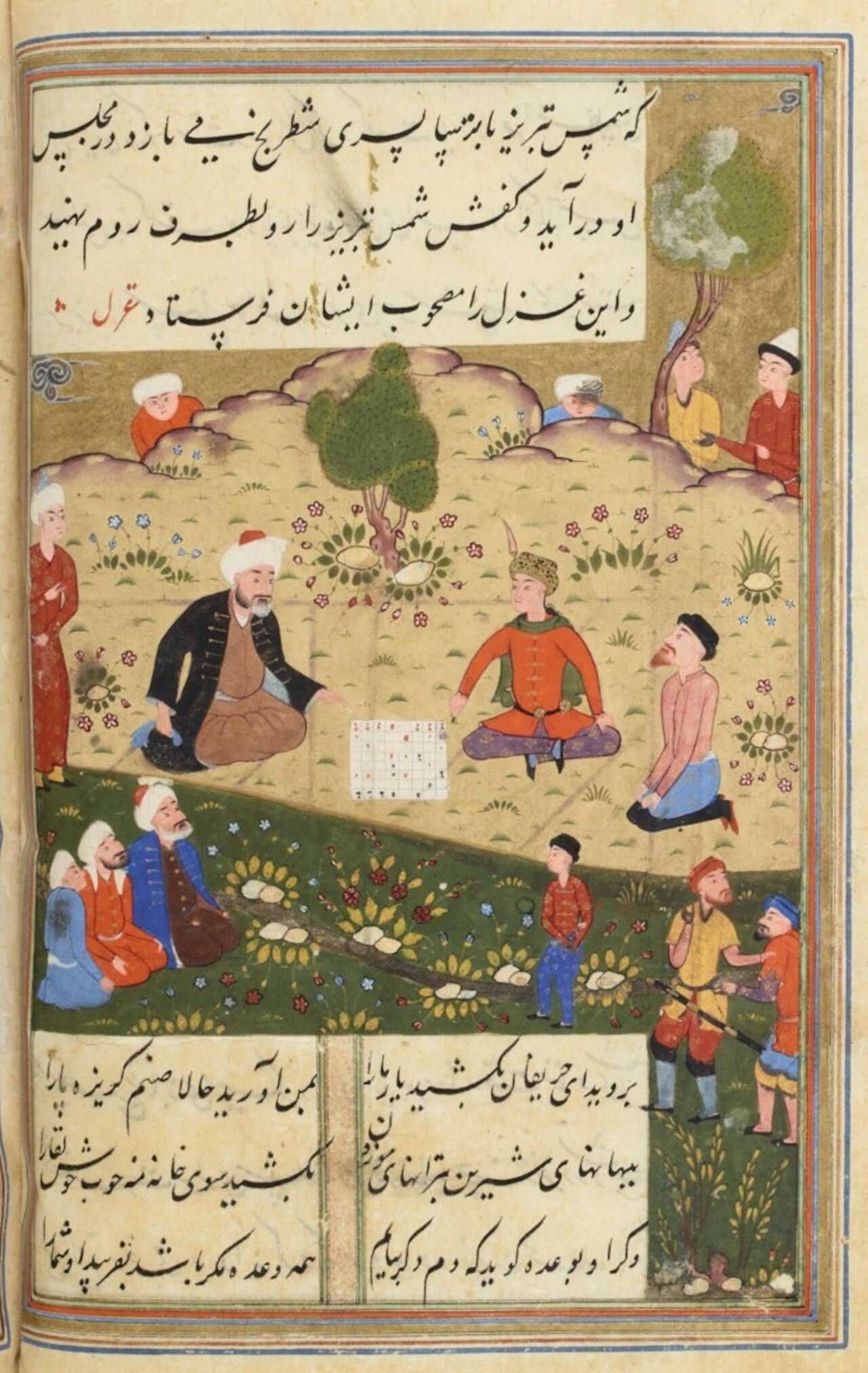
About this source
What it is
The Divan is a collection of lyric poems by Rumi containing more than 40,000 verses, mostly in Persian with some Arabic and Turkish. Most poems are ghazals, and Rumi often signed them with the name of his teacher, Shams-i Tabrizi, instead of his own.
Why it matters
Rumi met Shams-i Tabrizi in Konya and was transformed from a jurist into a poet through their friendship. When Shams disappeared, probably for the final time around 1248, Rumi poured his grief and longing into these poems, later also dedicating some to his friend Salah al-Din Zarkub. The collection shows how deeply personal relationships shaped Rumi's mystical writing.
Look closer
- Why might Rumi have signed his own poems with someone else's name?
- What does the manuscript illustration suggest about how later generations imagined Shams and Rumi together?
- What is missing from the text itself about what really happened to Shams?
This book is part of the curated material that grounds the AI version of Rumi (Jalāl ad-Dīn Muhammad Rūmī) on Humy.ai — when students ask about related events, the AI can quote it and cite it.
More Rumi (Jalāl ad-Dīn Muhammad Rūmī) sources
Meet the AI Rumi (Jalāl ad-Dīn Muhammad Rūmī) →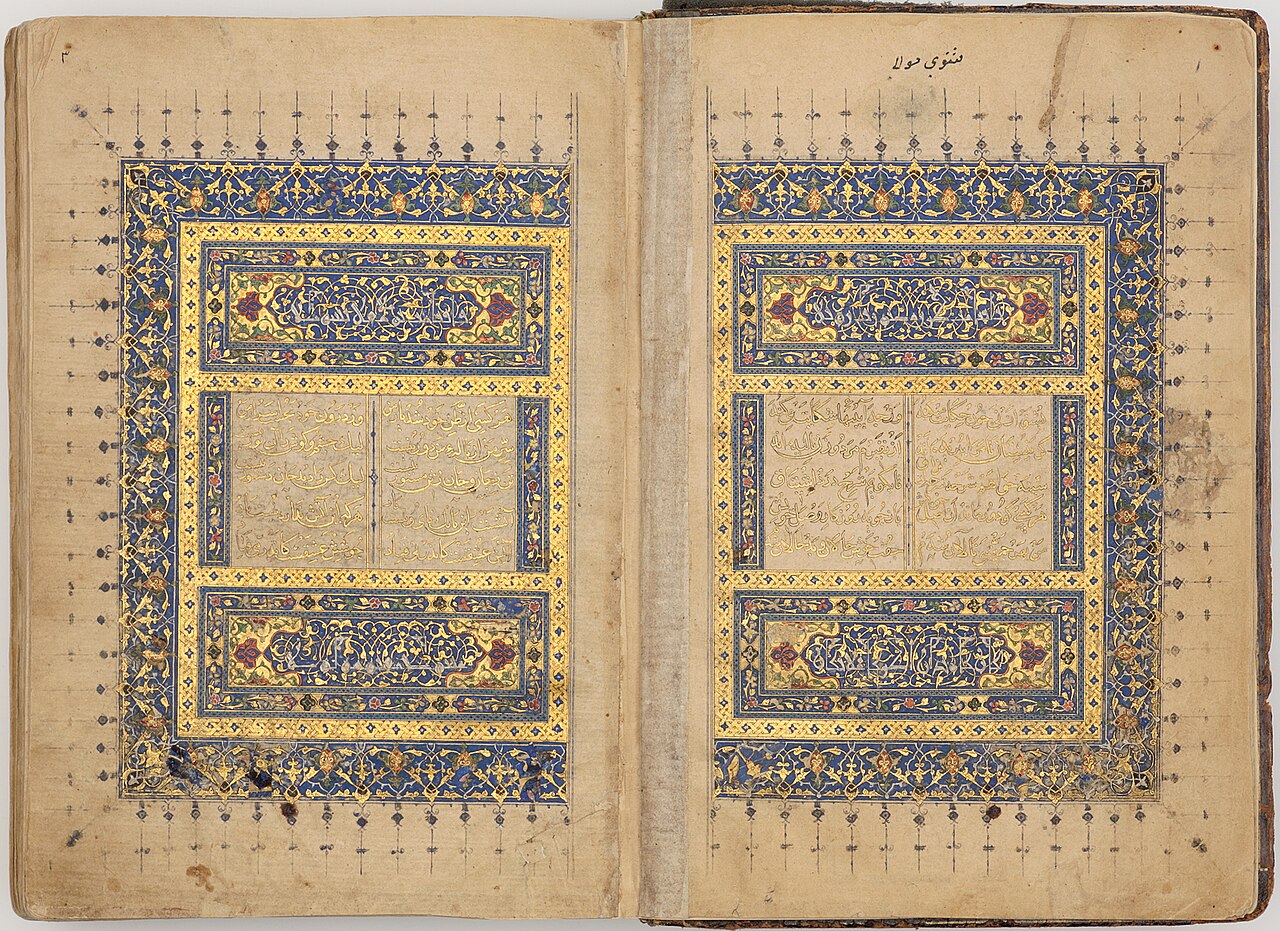 Book
Primary source
Masnavi
Rumi · c. 1258-1273
 Artifact
Secondary source
Grave of Rumi
soon after 1273
 Book
Primary source
Fihi Ma Fihi
Rumi · c. 1260-1273
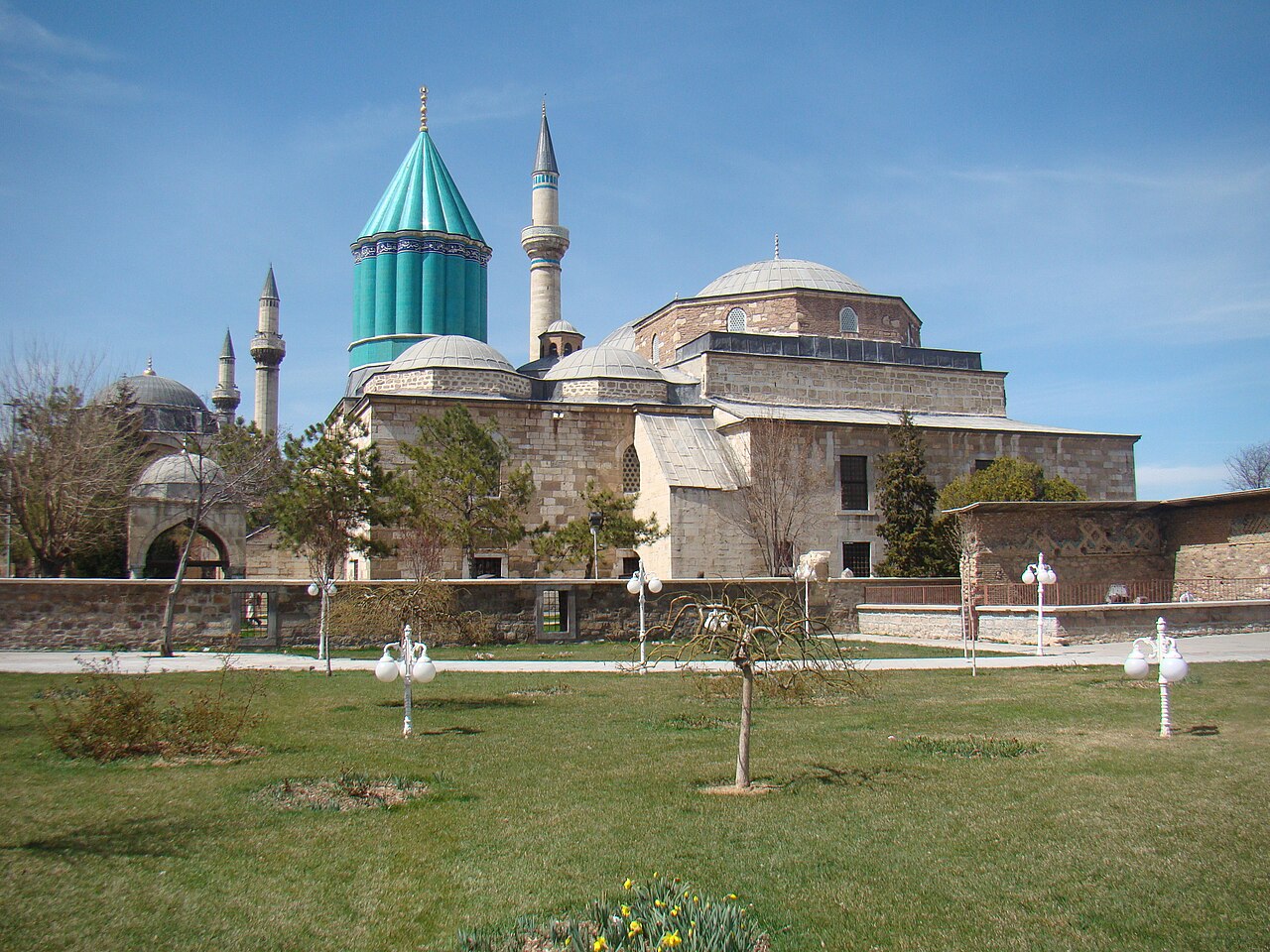 Artifact
Secondary source
Mevlâna Museum
Badr al-Din Tabrizi (architect) · built soon after 1273; museum since 1926
 Photograph
Secondary source
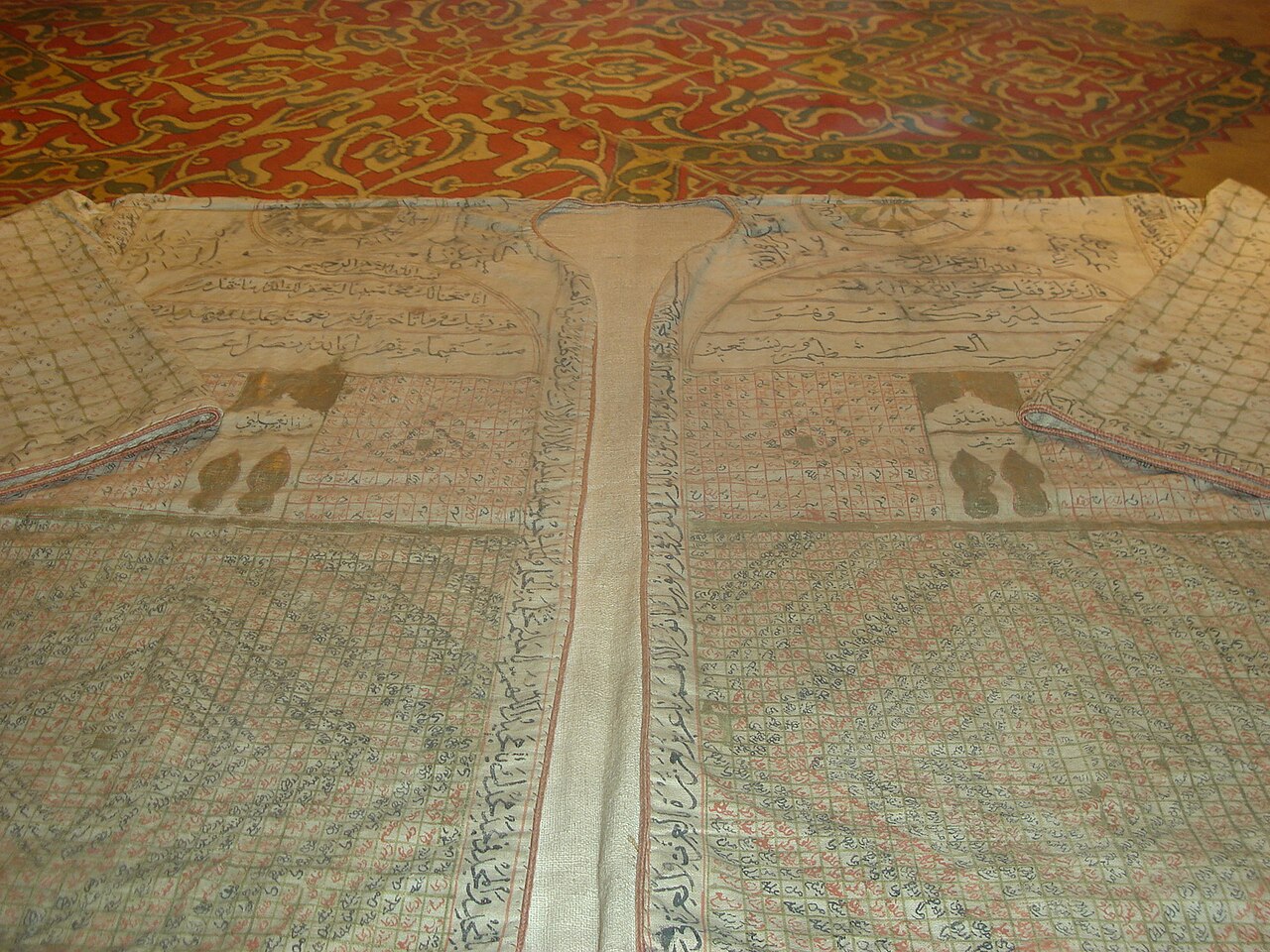
Maulana Rumi - Jubba
Ahmed Nisar
Ready when you are
Start chatting with Rumi (Jalāl ad-Dīn Muhammad Rūmī) now.
20 messages free · No credit card · Available in 50+ languages.