


Secondary sourcePhotograph
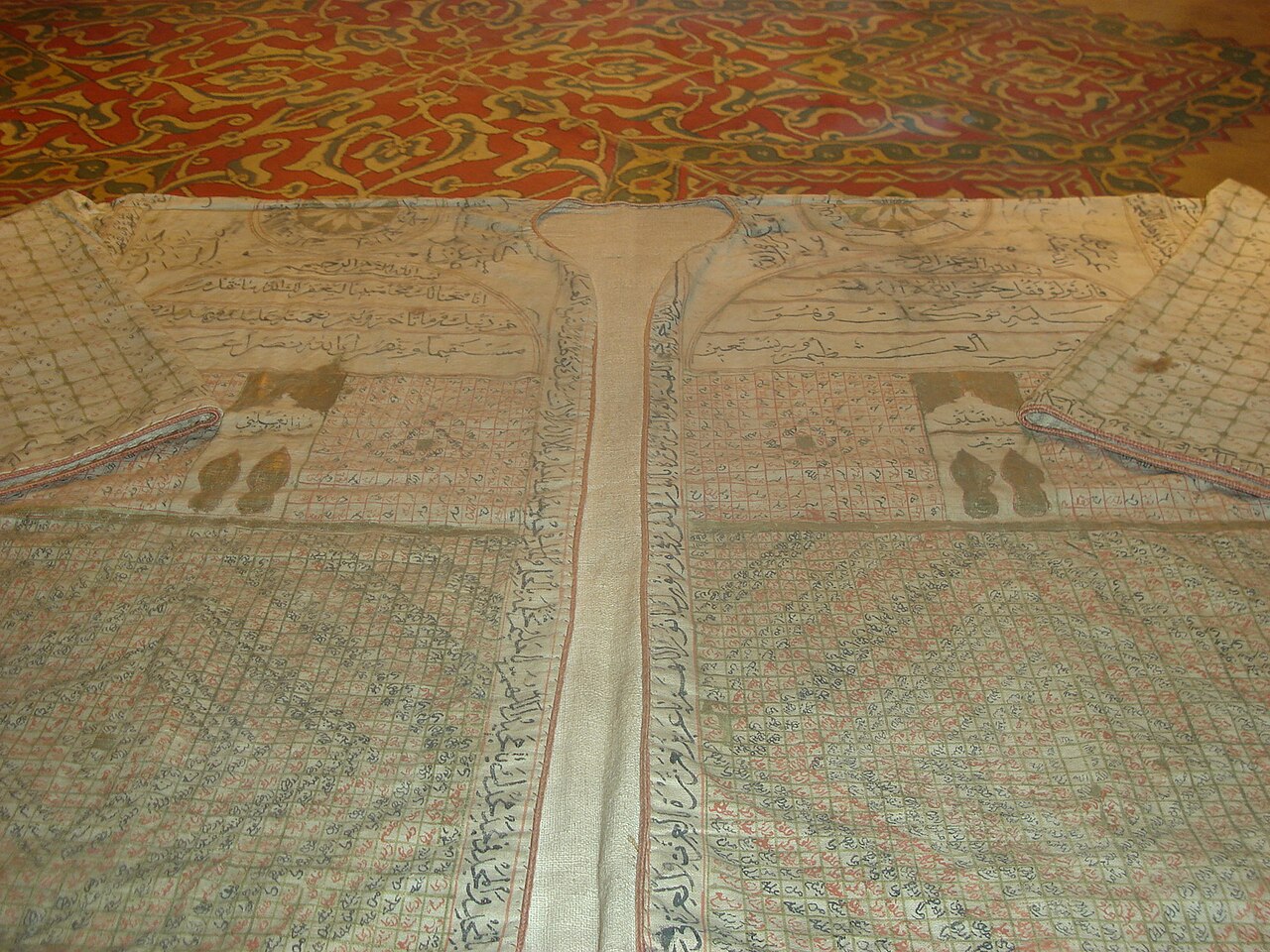
Maulana Rumi - Jubba
Ahmed Nisar
A photograph of a robe preserved at the Mevlana Museum and identified as having belonged to Rumi.
This robe, preserved at Rumi's shrine, is presented as a personal relic of his dervish life.
About this source
What it is
This photograph, taken by Ahmed Nisar, shows a long cream-colored robe with Arabic calligraphy and script patterns, preserved at the Mevlana Museum in Konya and identified as Rumi's jubba, or robe.
Why it matters
Relics like this robe connect students to the everyday, physical life of Rumi as a teacher within the dervish tradition, beyond his poetry and writings. Such garments were part of the dress of Sufi dervishes and are preserved as objects of devotion and memory at the museum built around his tomb.
Look closer
- What can an object like a robe tell us about a person that their writing cannot?
- Why might a museum choose to display and preserve clothing like this alongside manuscripts?
- What questions would you want to ask about how this robe was identified as belonging to Rumi?
This photograph is part of the curated material that grounds the AI version of Rumi (Jalāl ad-Dīn Muhammad Rūmī) on Humy.ai — when students ask about related events, the AI can quote it and cite it.
More Rumi (Jalāl ad-Dīn Muhammad Rūmī) sources
Meet the AI Rumi (Jalāl ad-Dīn Muhammad Rūmī) → Book
Primary source
Masnavi
Rumi · c. 1258-1273
 Book
Primary source
Diwan-e Shams-e Tabrizi
Rumi · c. 1247 onward
 Artifact
Secondary source
Grave of Rumi
soon after 1273
 Book
Primary source
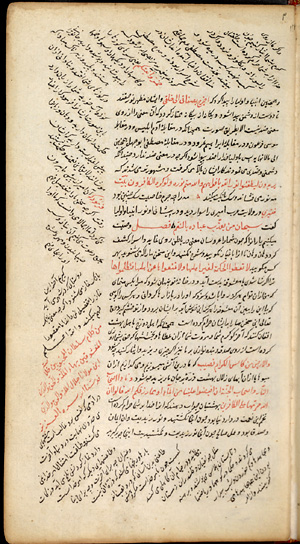
Fihi Ma Fihi
Rumi · c. 1260-1273
 Artifact
Secondary source
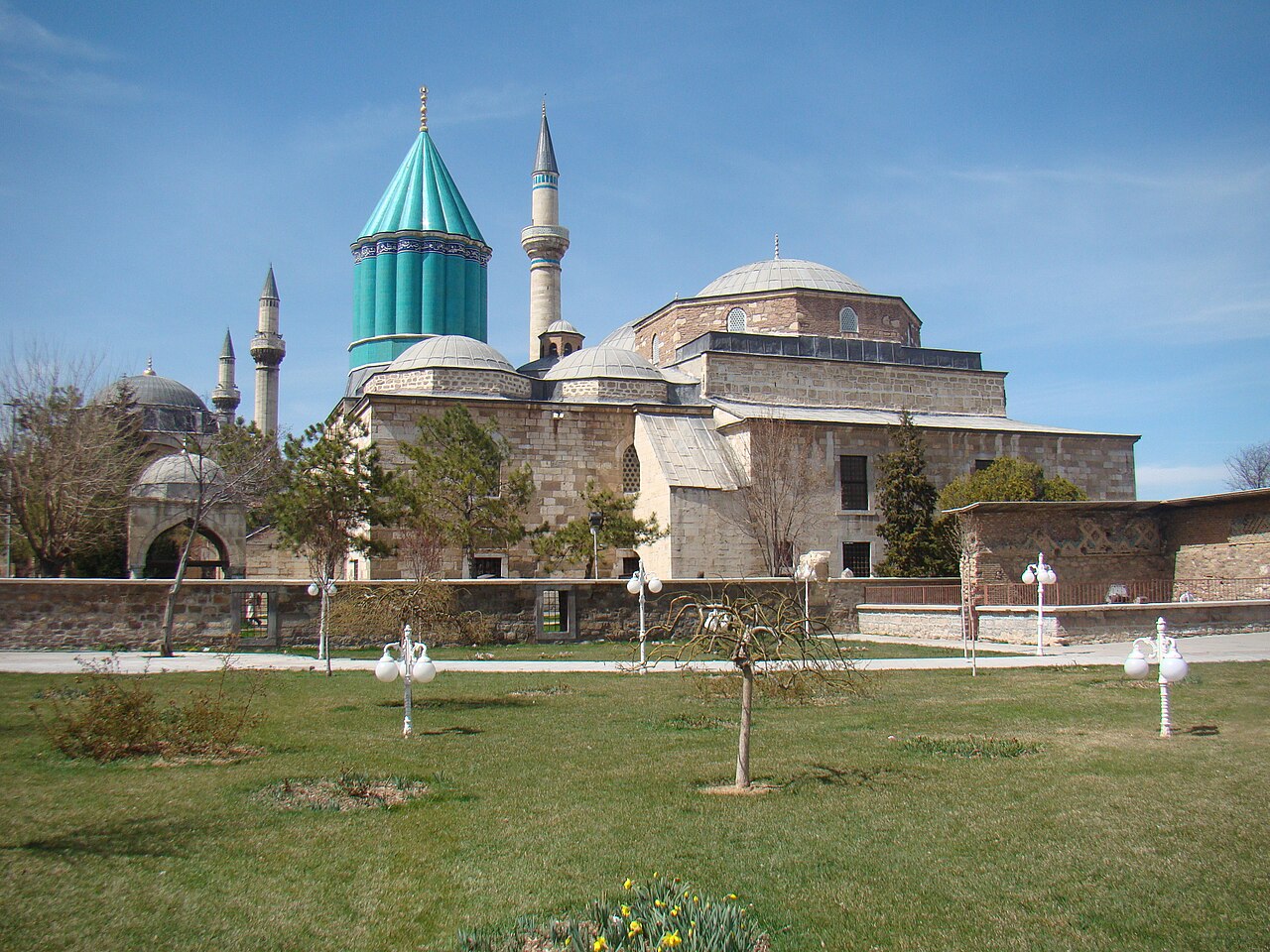
Mevlâna Museum
Badr al-Din Tabrizi (architect) · built soon after 1273; museum since 1926
Ready when you are
Start chatting with Rumi (Jalāl ad-Dīn Muhammad Rūmī) now.
20 messages free · No credit card · Available in 50+ languages.