


Primary sourceBookc. 1258-1273
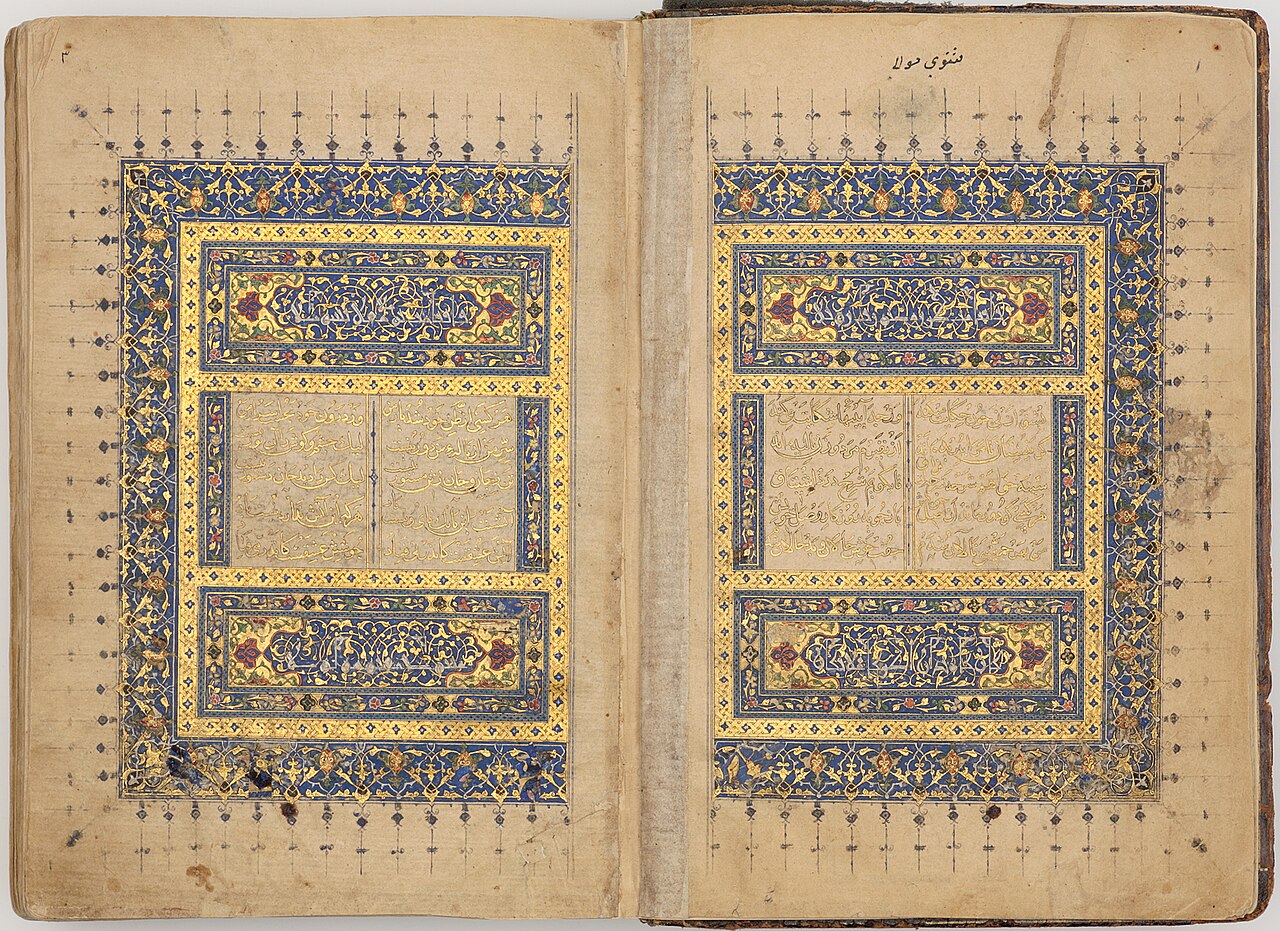
Masnavi
Rumi · c. 1258-1273
Rumi's six-book collection of mystical poetry, dictated over about twelve years to his disciple Hussam al-Din Chelebi.
Rumi composed this masterwork by dictation across his final years, making it the core of his spiritual teaching.
About this source
What it is
The Masnavi is a long Persian poem in six books, totalling around 25,000 verses. Rumi dictated it to his disciple Husam al-Din Chalabi, who wrote down and recited back the lines, over the final years of Rumi's life until his death; the sixth book was left unfinished.
Why it matters
Many consider the Masnavi one of the most important works of Islamic and Sufi literature. It weaves stories from the Quran, hadith, and everyday life into teachings about the soul's longing for God, showing how Rumi used storytelling to pass on spiritual wisdom to his followers, especially Husam al-Din Chalabi who preserved it.
Look closer
- Why might Rumi have chosen to dictate rather than write the poem himself?
- The opening lines compare a reed-flute's complaint to human longing — what feeling is Rumi trying to capture?
- What might be missing or changed because Chalabi wrote down Rumi's spoken words rather than Rumi writing them himself?
This book is part of the curated material that grounds the AI version of Rumi (Jalāl ad-Dīn Muhammad Rūmī) on Humy.ai — when students ask about related events, the AI can quote it and cite it.
More Rumi (Jalāl ad-Dīn Muhammad Rūmī) sources
Meet the AI Rumi (Jalāl ad-Dīn Muhammad Rūmī) →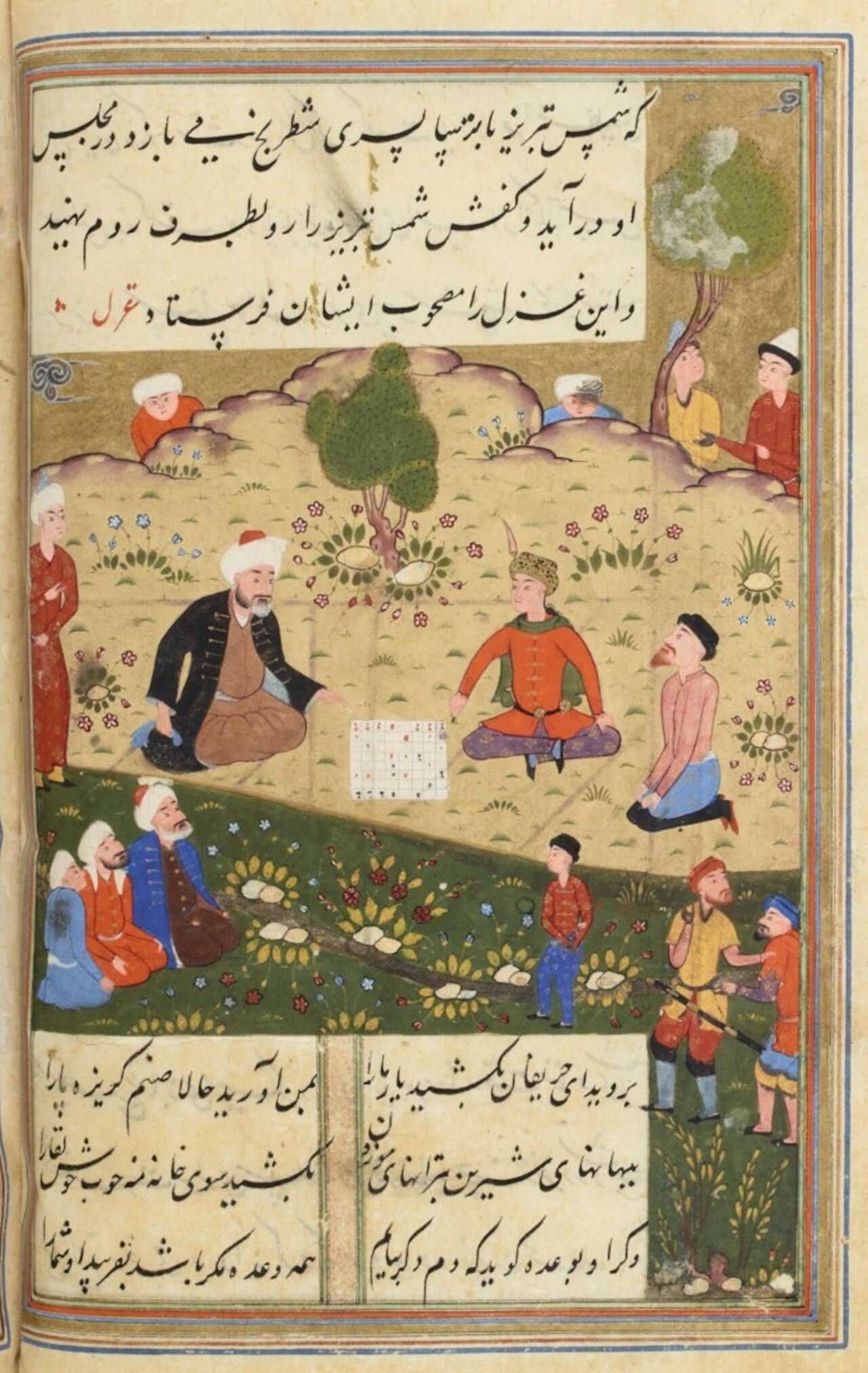 Book
Primary source
Diwan-e Shams-e Tabrizi
Rumi · c. 1247 onward
 Artifact
Secondary source
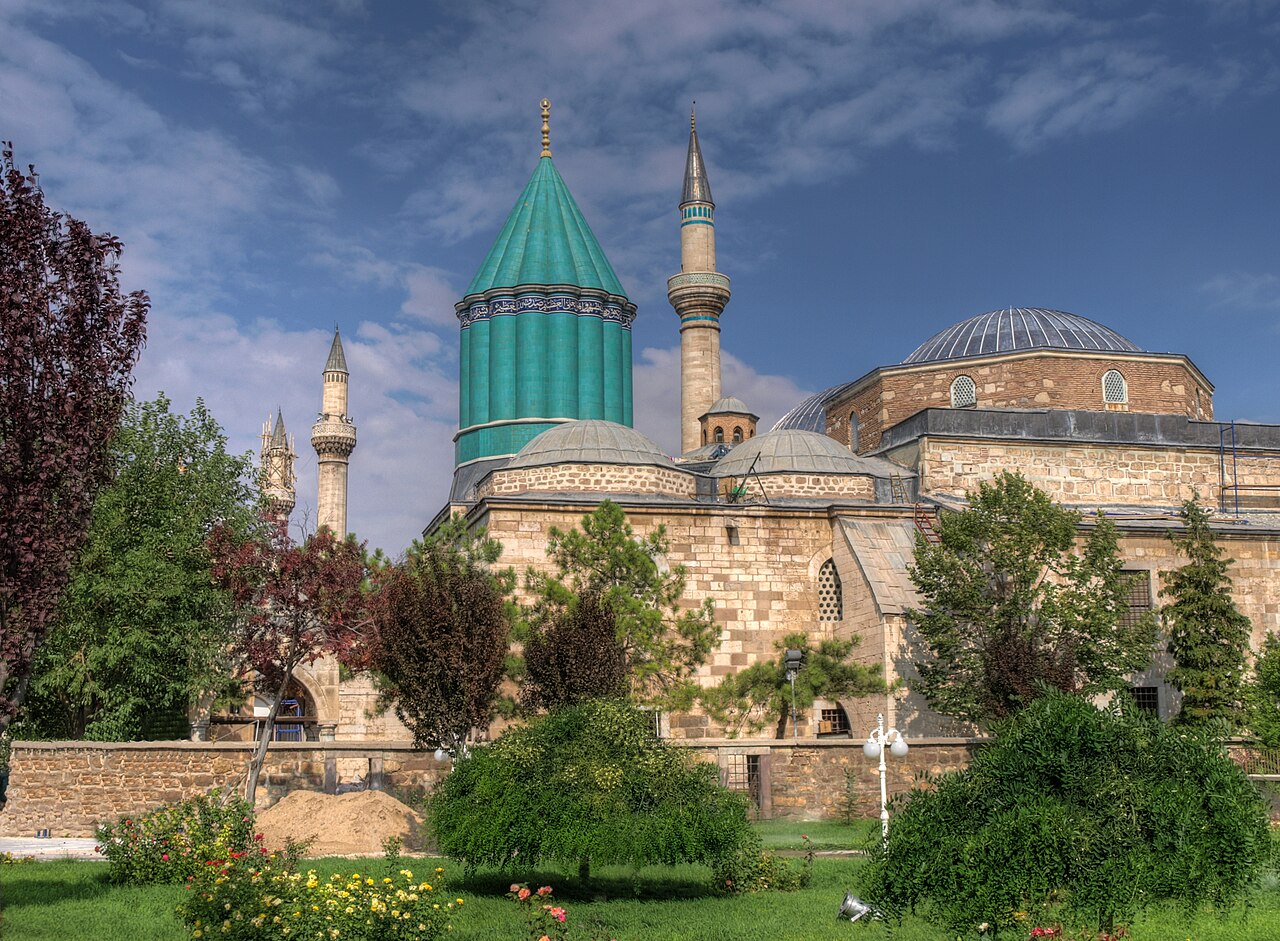
Grave of Rumi
soon after 1273
 Book
Primary source
Fihi Ma Fihi
Rumi · c. 1260-1273
 Artifact
Secondary source
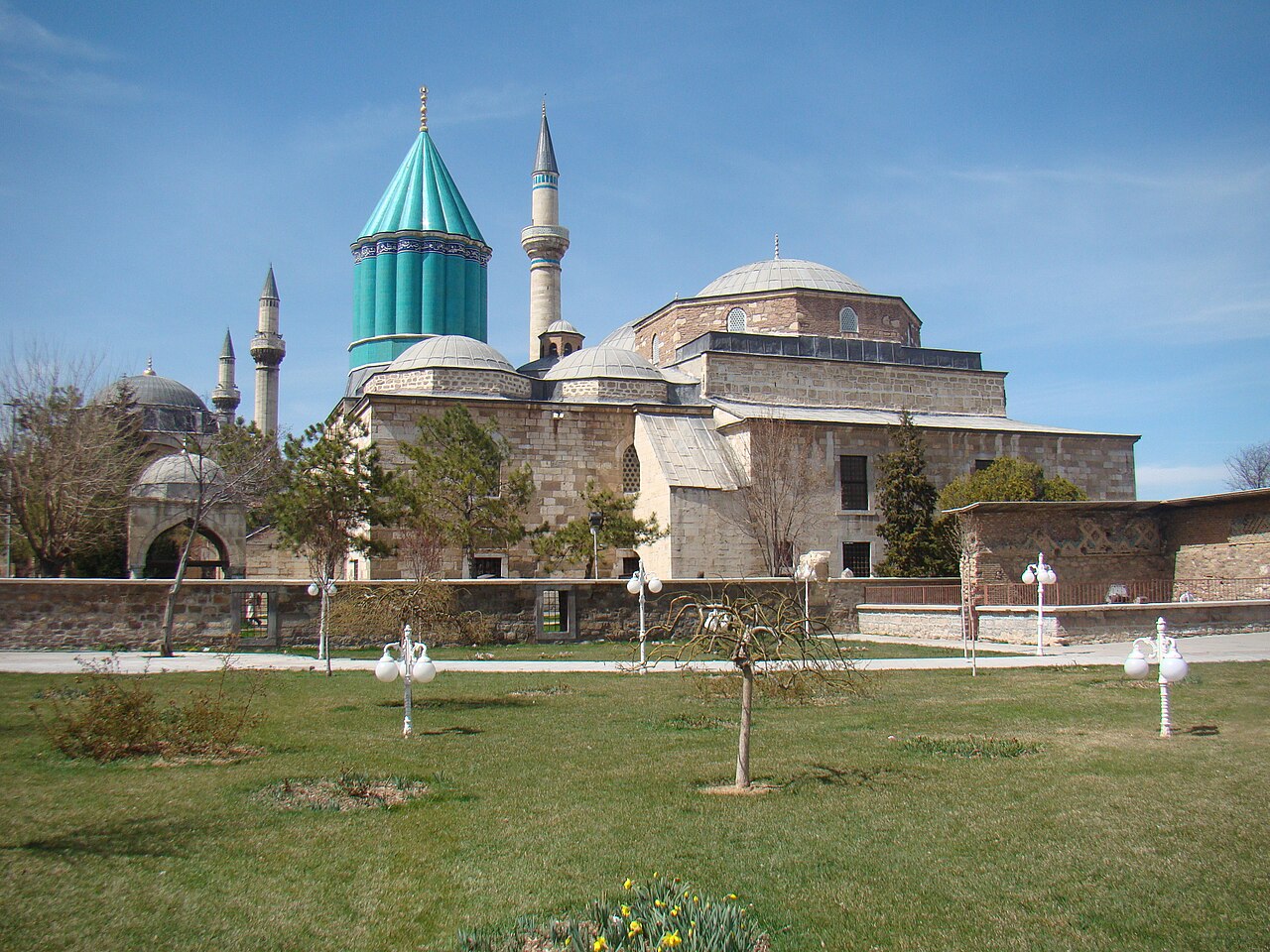
Mevlâna Museum
Badr al-Din Tabrizi (architect) · built soon after 1273; museum since 1926
 Photograph
Secondary source
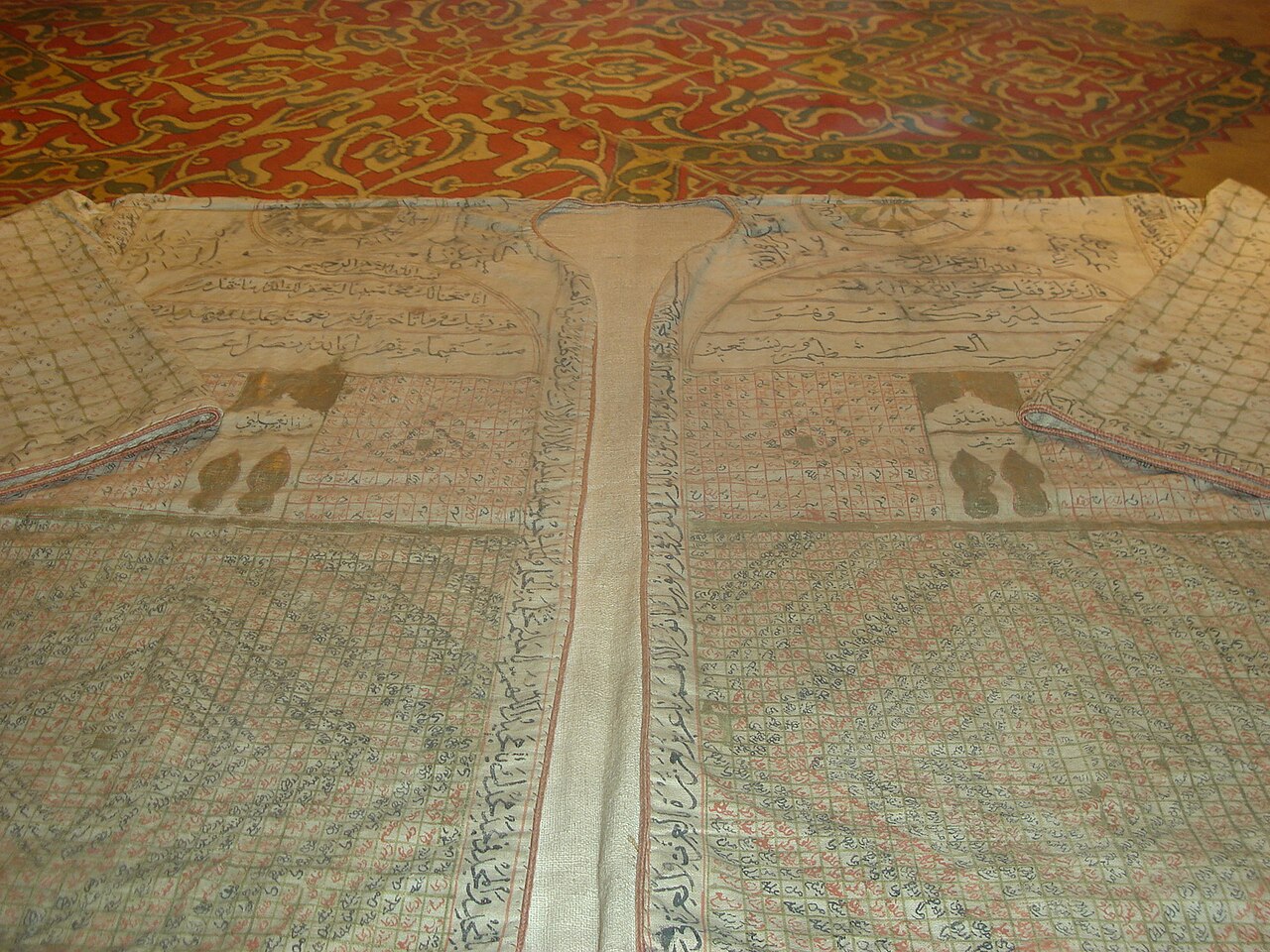
Maulana Rumi - Jubba
Ahmed Nisar
Ready when you are
Start chatting with Rumi (Jalāl ad-Dīn Muhammad Rūmī) now.
20 messages free · No credit card · Available in 50+ languages.