


Primary sourceBookc. 1260-1273
Fihi Ma Fihi
Rumi · c. 1260-1273
A Persian prose work recording informal talks and teachings given by Rumi to disciples and Seljuk notables.
This prose work preserves Rumi's own spoken teachings to his followers and Seljuk notables.
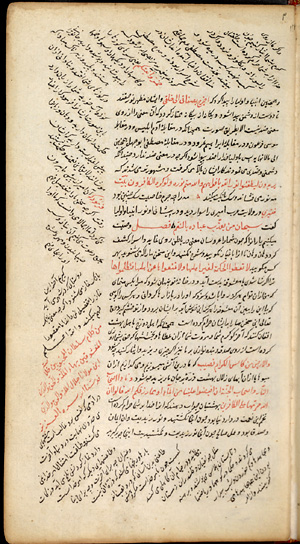
About this source
What it is
Fihi Ma Fihi, meaning "It Is What It Is," is a Persian prose work made up of 72 short discourses. It is believed to have been compiled, likely by Rumi's son Sultan Walad, from notes taken during Rumi's lectures, probably written in the later part of Rumi's life.
Why it matters
Unlike Rumi's poetry, this book records his everyday spoken teaching, showing him explaining Sufi ideas in simple terms and engaging with the politics and people around him, including Seljuk notables. It is considered one of the earliest Persian prose works of its era and an introduction to his longer poem, the Masnavi.
Look closer
- How might a record of spoken teaching differ from a poem that Rumi composed carefully?
- Why might Rumi's son have wanted to preserve these talks in writing?
- What historical details might this text reveal about Seljuk society that poetry alone would not?
This book is part of the curated material that grounds the AI version of Rumi (Jalāl ad-Dīn Muhammad Rūmī) on Humy.ai — when students ask about related events, the AI can quote it and cite it.
More Rumi (Jalāl ad-Dīn Muhammad Rūmī) sources
Meet the AI Rumi (Jalāl ad-Dīn Muhammad Rūmī) →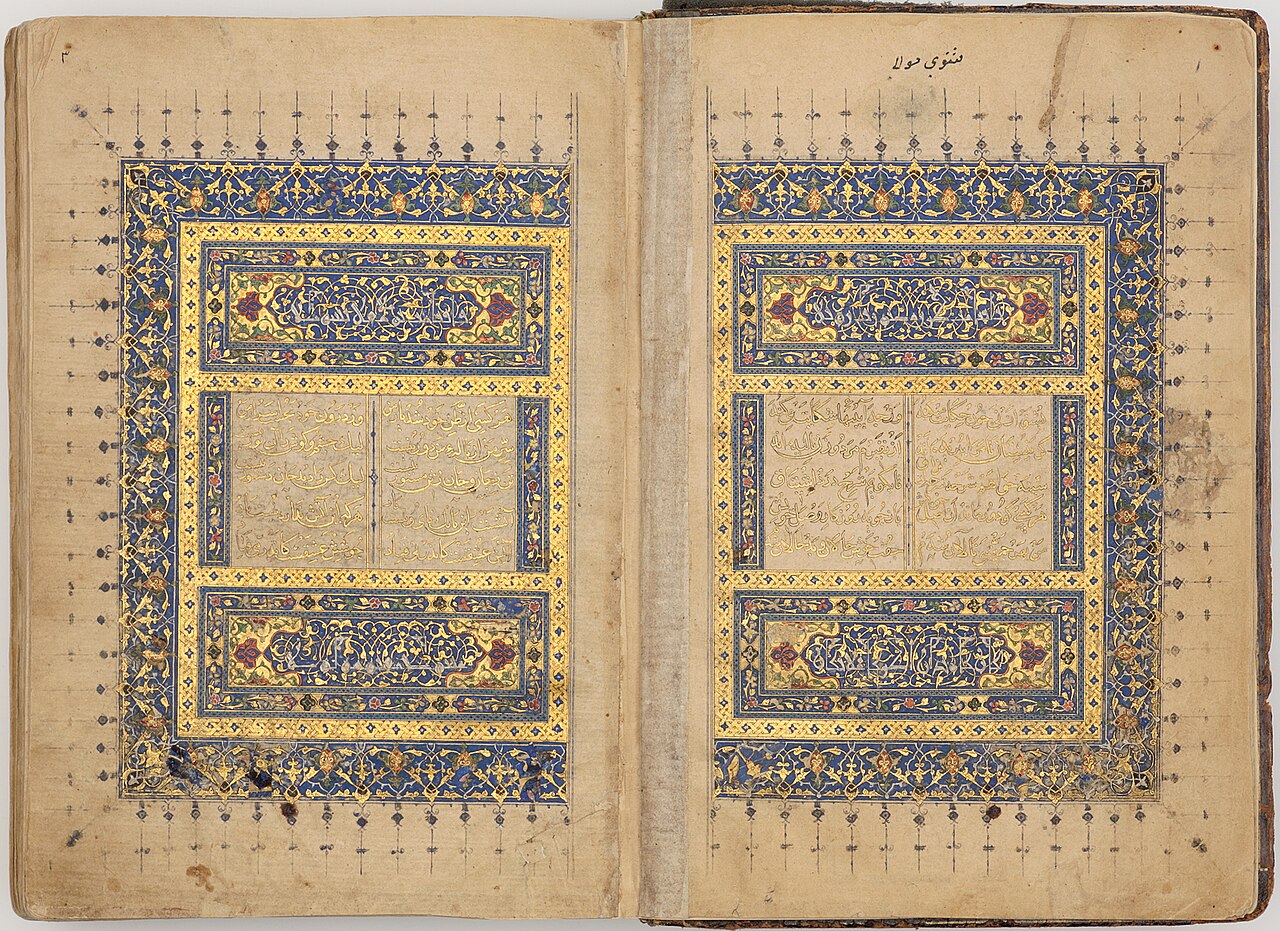 Book
Primary source
Masnavi
Rumi · c. 1258-1273
 Book
Primary source
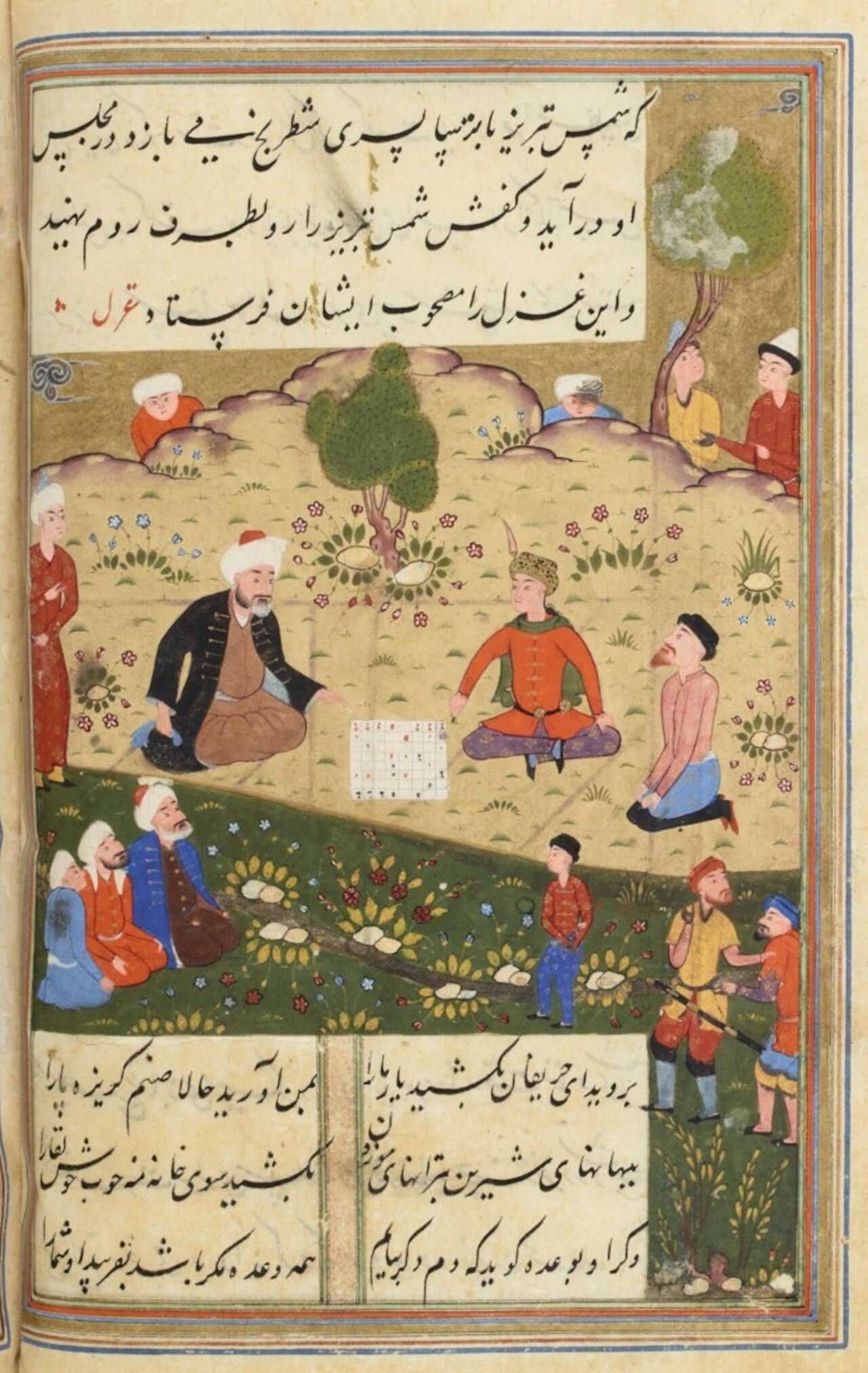
Diwan-e Shams-e Tabrizi
Rumi · c. 1247 onward
 Artifact
Secondary source
Grave of Rumi
soon after 1273
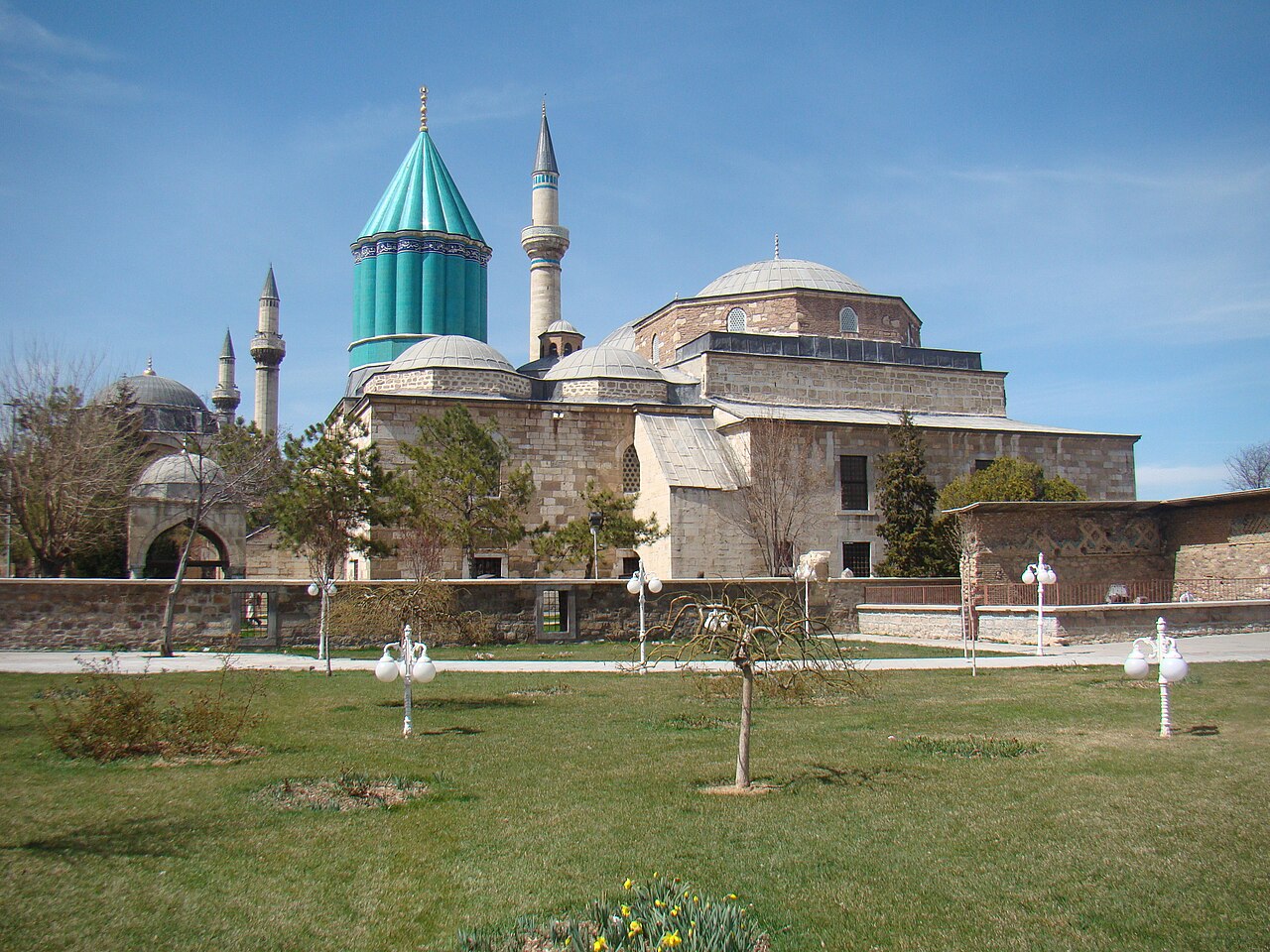 Artifact
Secondary source
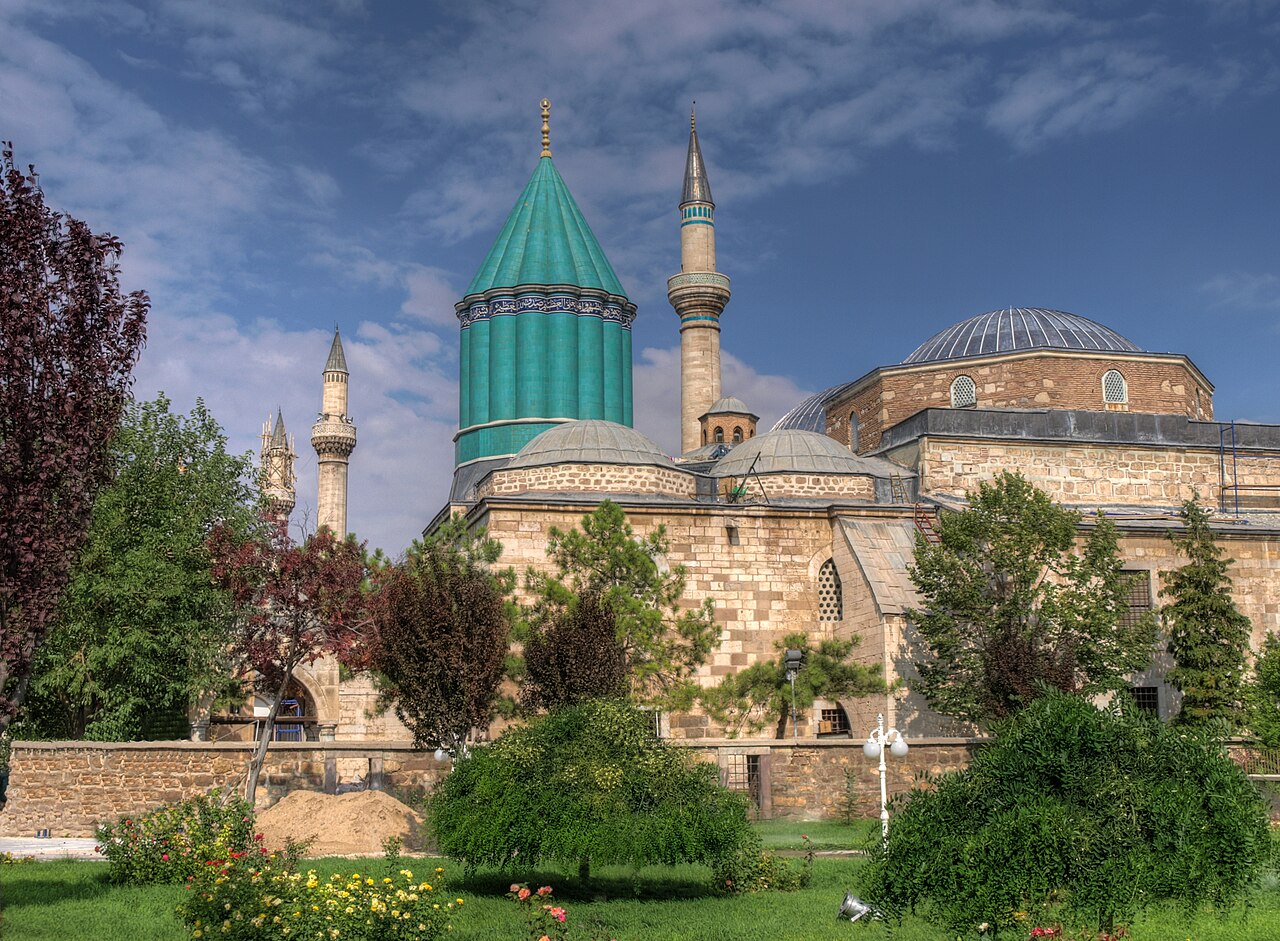
Mevlâna Museum
Badr al-Din Tabrizi (architect) · built soon after 1273; museum since 1926
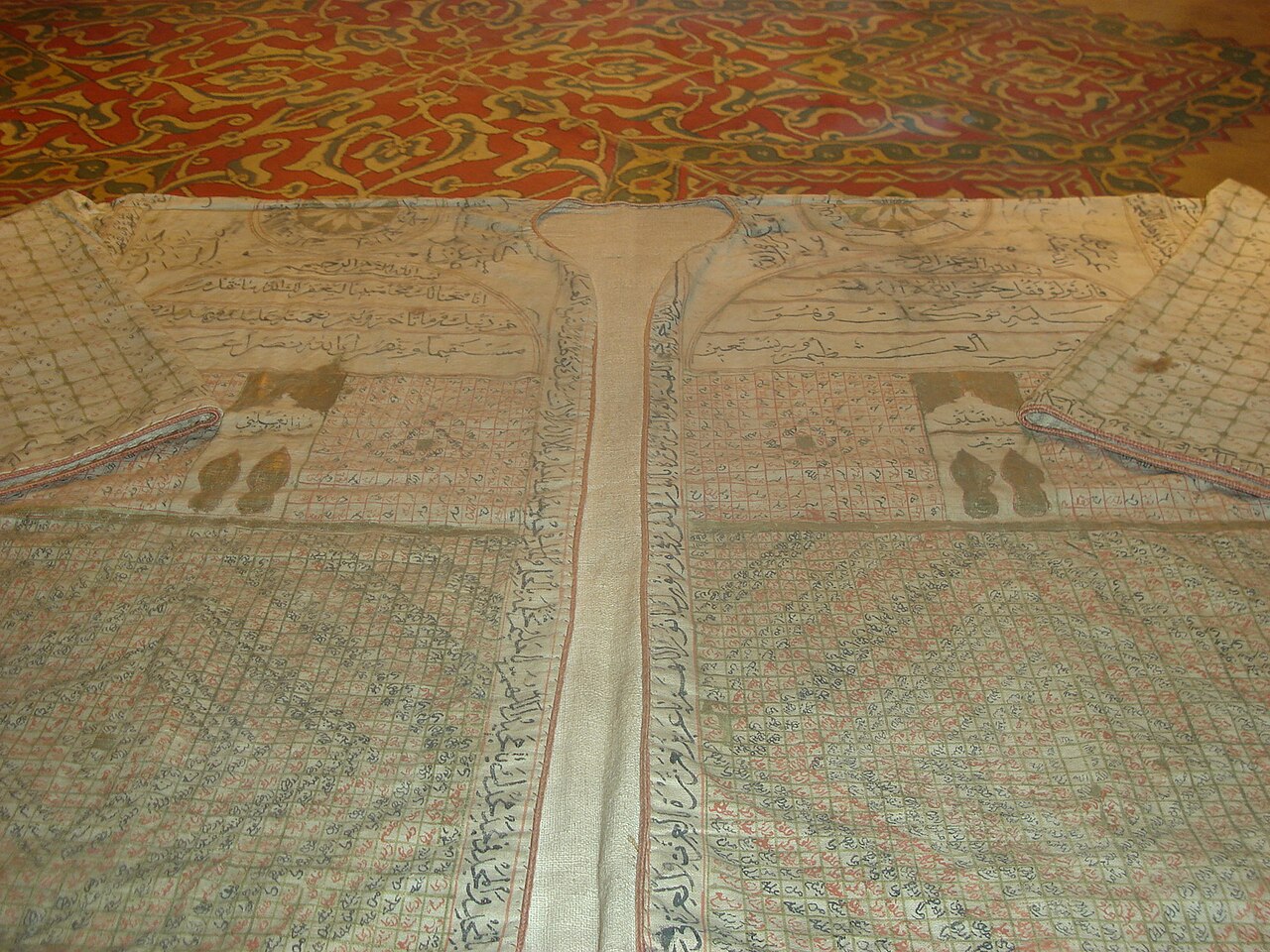 Photograph
Secondary source
Maulana Rumi - Jubba
Ahmed Nisar
Ready when you are
Start chatting with Rumi (Jalāl ad-Dīn Muhammad Rūmī) now.
20 messages free · No credit card · Available in 50+ languages.