


Secondary sourceSculpture1st century BCE – 8th century CE
Amaravati Sculptures
1st century BCE – 8th century CE
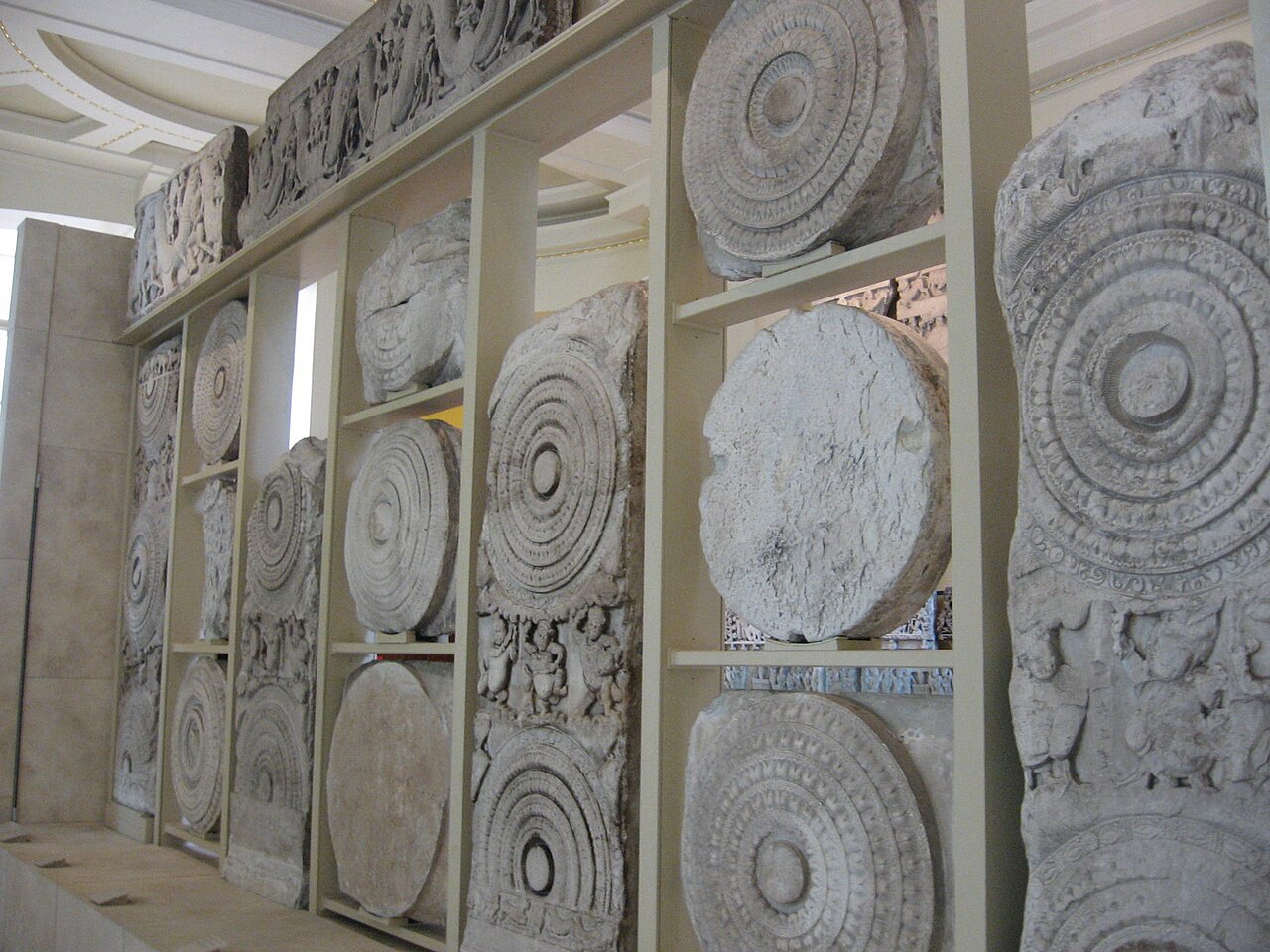
Limestone reliefs from the Great Stupa at Amaravati showing scenes from the Buddha's life, now in the British Museum.
These reliefs depict episodes from the Buddha's life, showing both symbolic and human representations of him.
About this source
What it is
This is a collection of over 120 carved limestone pieces from the Amaravati Stupa in Andhra Pradesh, India, dating from around the 1st century BCE to the 8th century CE. The pieces were removed in the 1840s by Sir Walter Elliot, then shipped to London in the 1850s and later entered the British Museum.
Why it matters
The carvings show scenes from the Buddha's life and stories from the Jataka tales. Early images avoid showing the Buddha directly, using symbols like an empty throne or footprints, while later carvings show him in human form. This shift reveals how Buddhist art and belief changed over centuries. The sculptures' journey to Britain also reflects the history of British colonial rule in India.
Look closer
- Why might early artists have avoided showing the Buddha as a person?
- What does the move of these sculptures from India to London tell us about power and ownership in the 19th century?
- What story elements can you find in the crowded relief scenes?
This sculpture is part of the curated material that grounds the AI version of Buddha on Humy.ai — when students ask about related events, the AI can quote it and cite it.
More Buddha sources
Meet the AI Buddha →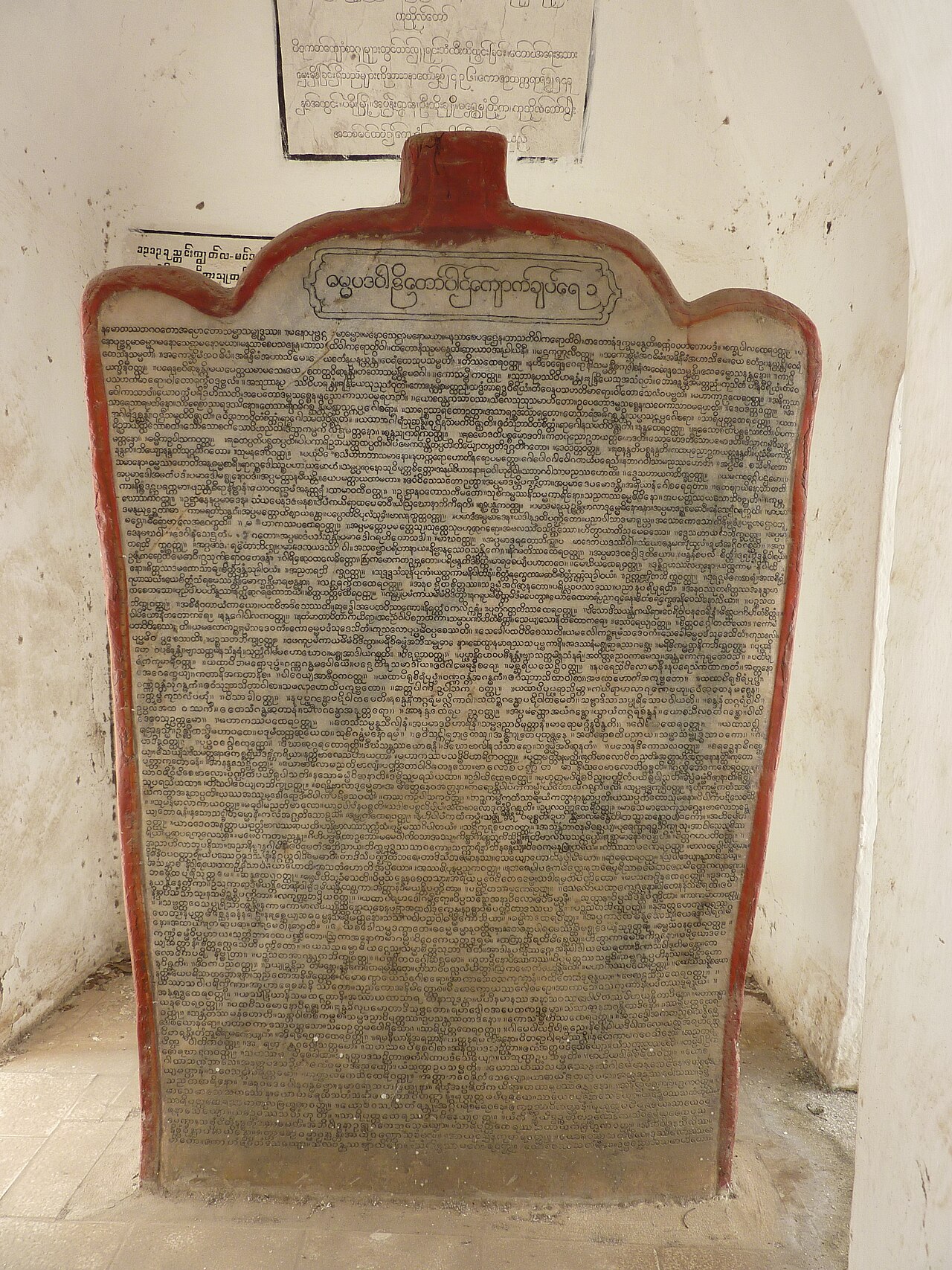 Book
Secondary source
Dhammapada
Attributed to the Buddha · c. 3rd century BCE compilation
 Painting
Secondary source
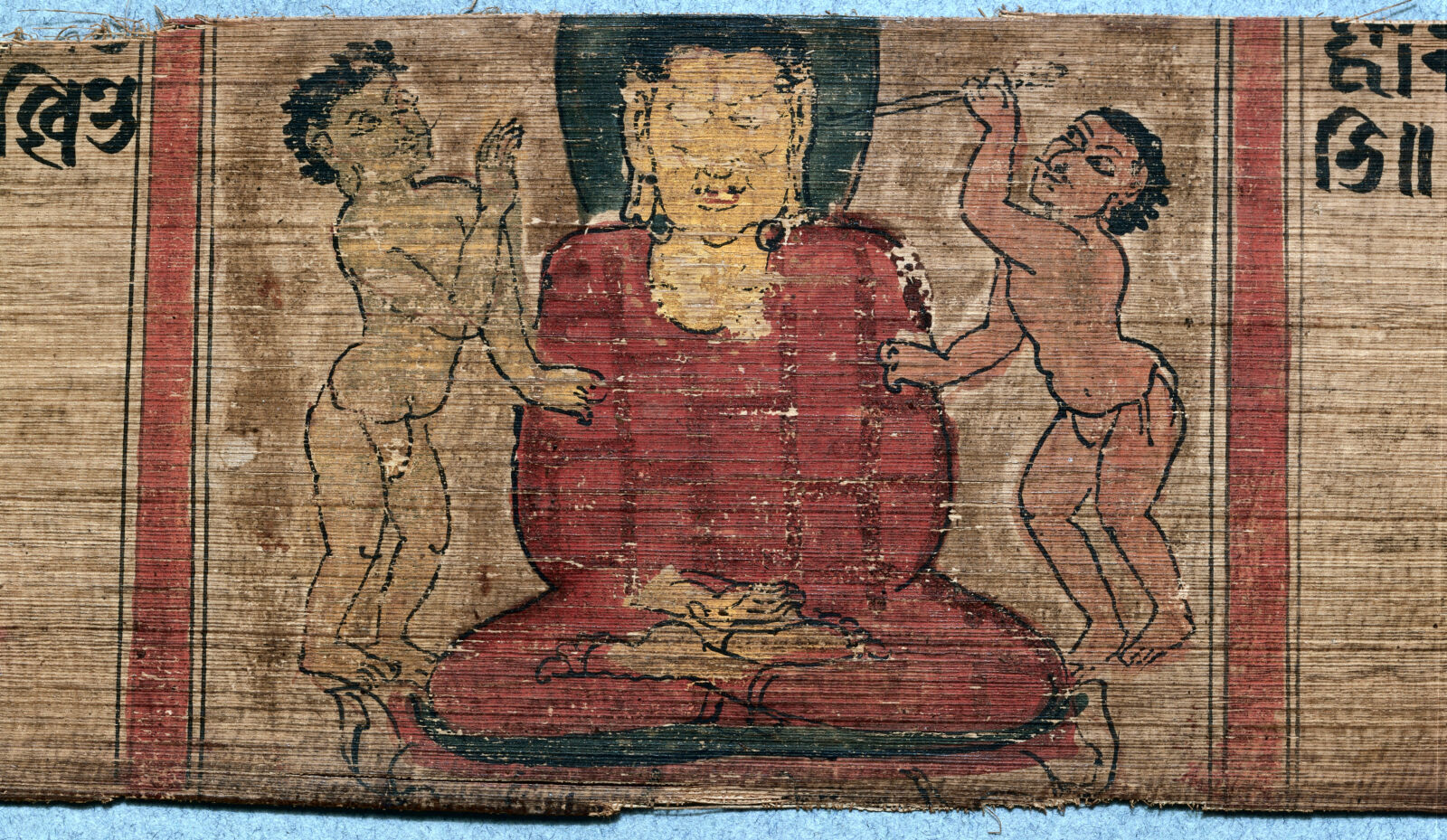
Buddha in Dhyana, Perfection of Wisdom Sutra Manuscript
1074
 Sculpture
Secondary source
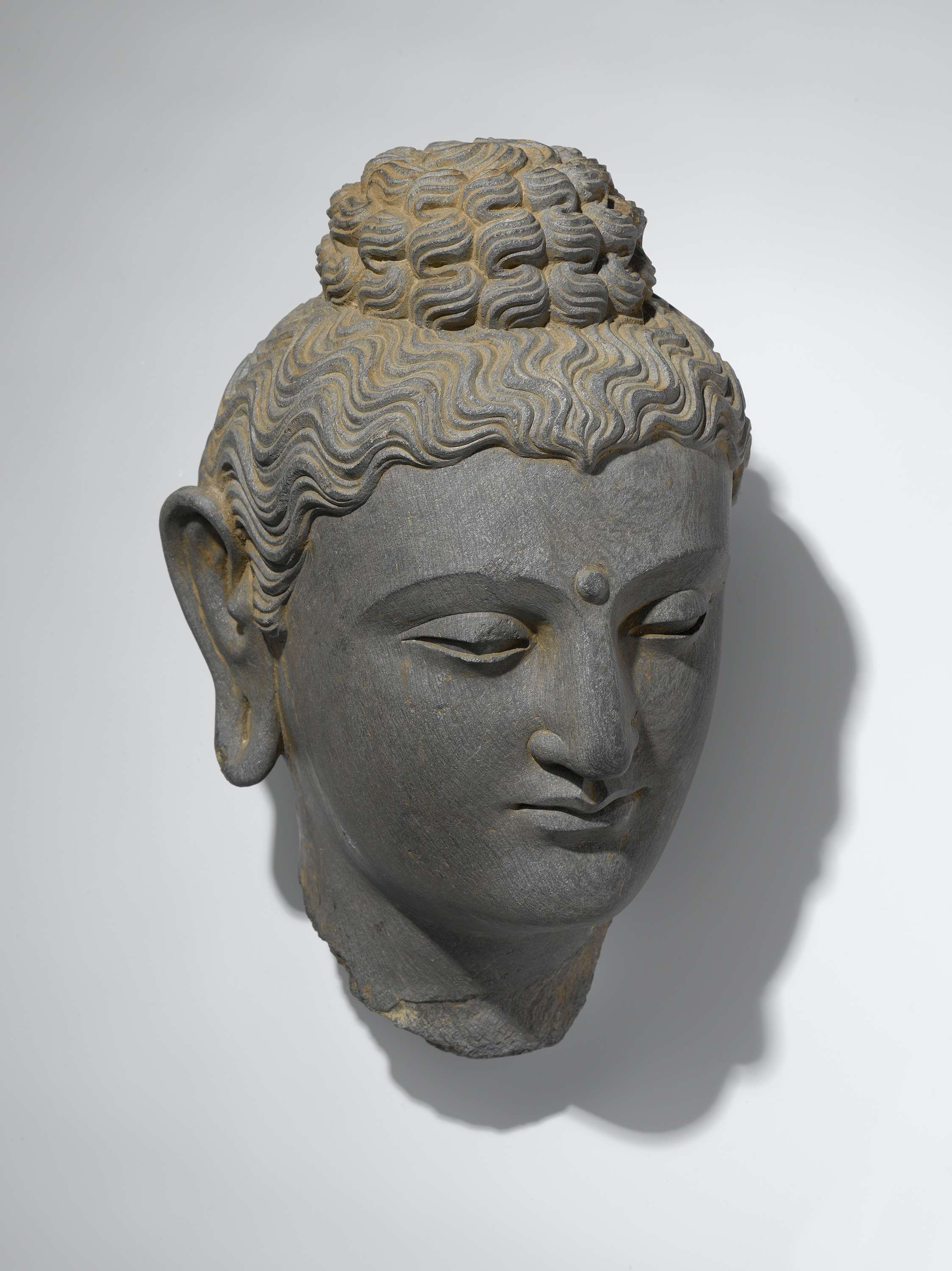
Head of the Buddha, Gandhara style
 Book
Secondary source
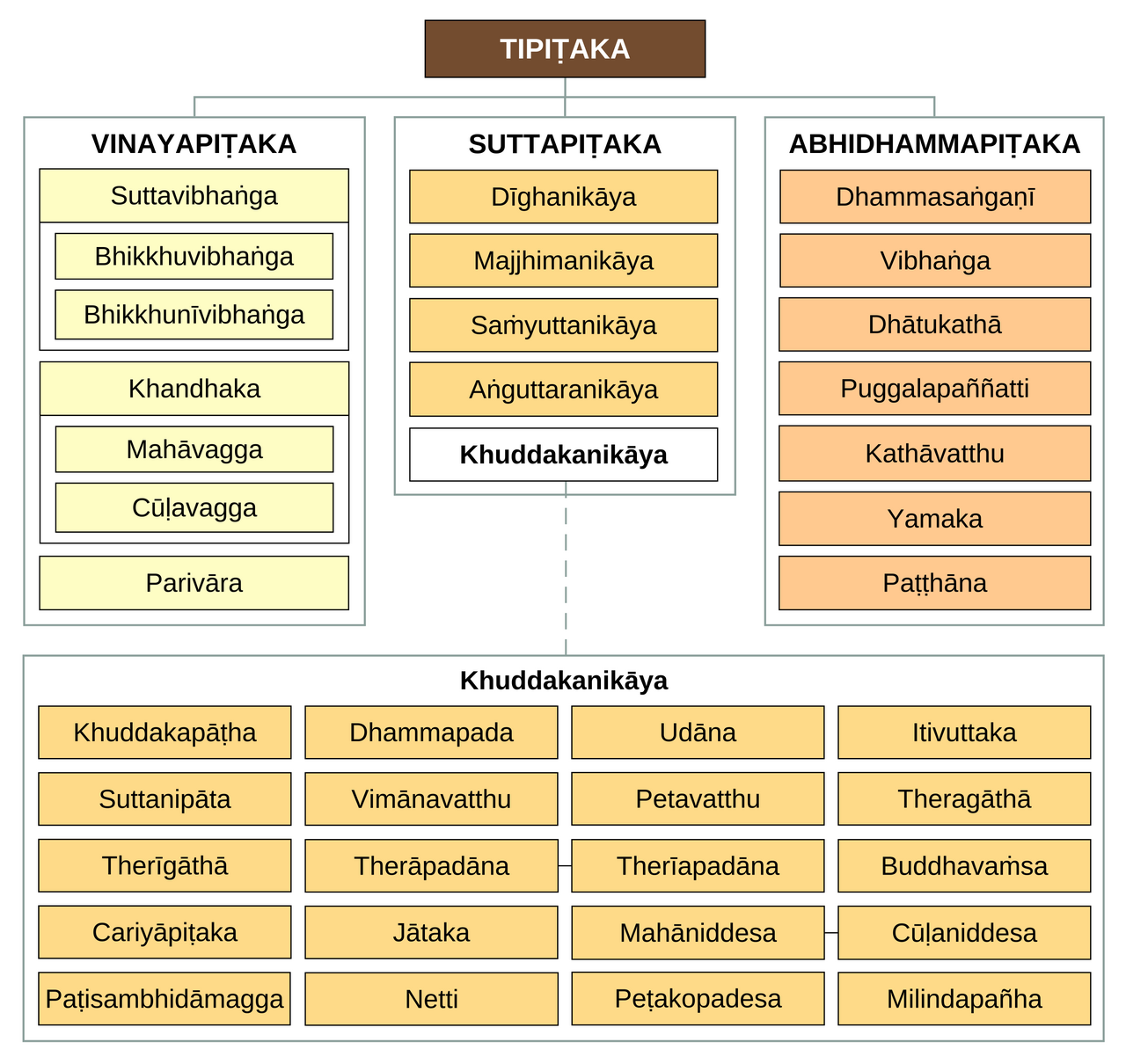
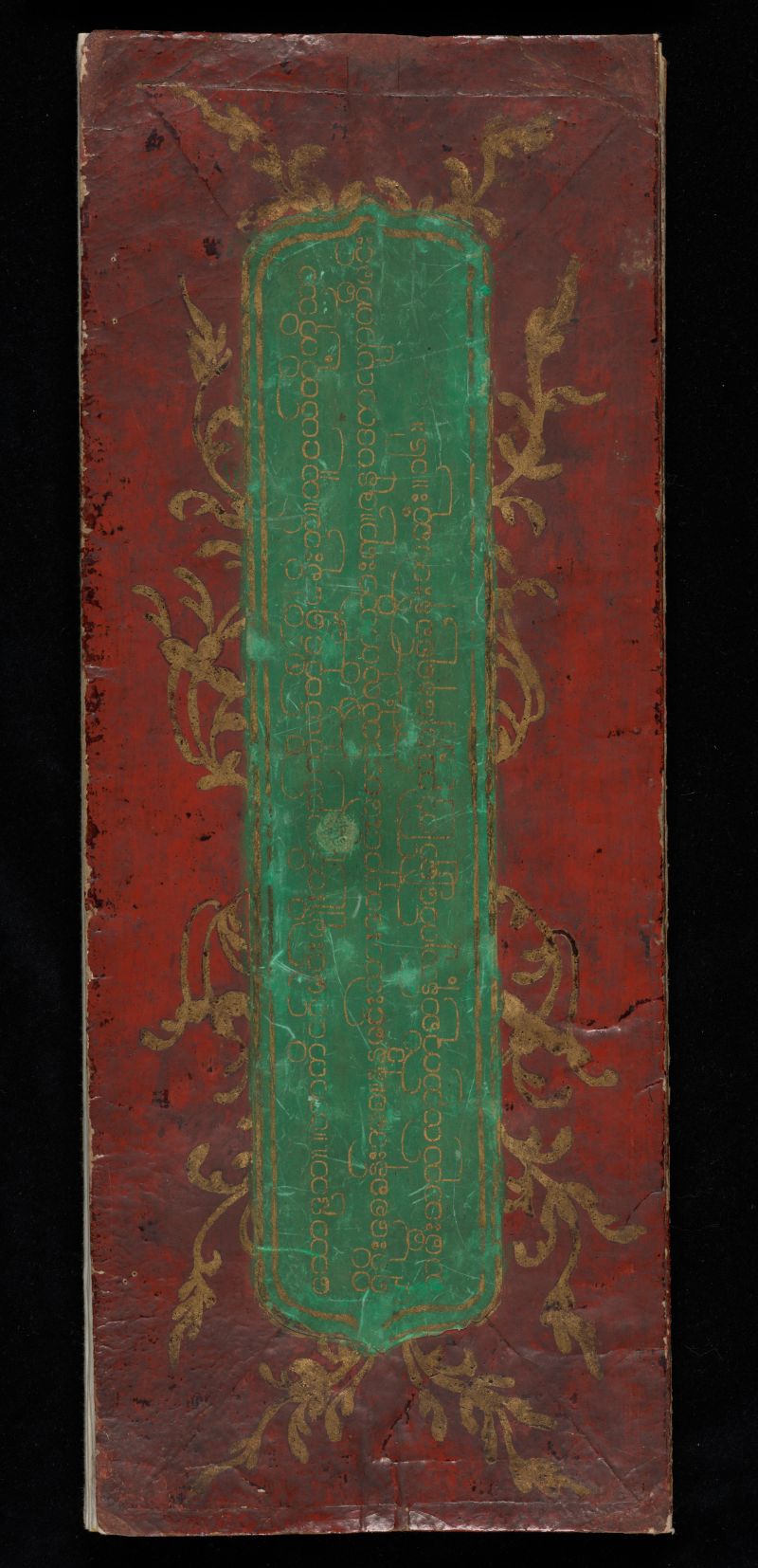
Pali Canon (Tipitaka)
Early Buddhist sangha · oral from 5th century BCE; written c. 29 BCE
 Document
Secondary source
Life of the Buddha
19th century
Ready when you are
Start chatting with Buddha now.
20 messages free · No credit card · Available in 50+ languages.