


Primary sourceBook1st century CE (text as published 1902)
Apocolocyntosis divi Claudii
Seneca · 1st century CE (text as published 1902)
Seneca's original Latin satire mocking the deification of the Roman emperor Claudius after his death.
This satire is Seneca's own composition, showing his political wit and his complicated relationship with Rome's imperial family.
About this source
What it is
This is the original Latin text of the Apocolocyntosis, a satirical work attributed to Seneca that mocks the official deification of the emperor Claudius. The text survives through later manuscript tradition and was published on Wikisource in 1902.
Why it matters
Seneca wrote this satire during the reign of Nero, whom he served as advisor. The piece pokes fun at Claudius, Nero's predecessor, revealing both Seneca's sharp wit and the political tensions of the imperial court. It shows a very different side of Seneca than his serious philosophical essays—he could be biting and satirical when writing about the powerful men around him.
Look closer
- Why might Seneca have wanted to mock Claudius so soon after his death?
- What does writing in Latin, rather than Greek, tell us about the audience Seneca expected?
- How risky might it have been for Seneca to write satire about an emperor, even a dead one?
This book is part of the curated material that grounds the AI version of Seneca on Humy.ai — when students ask about related events, the AI can quote it and cite it.
More Seneca sources
Meet the AI Seneca →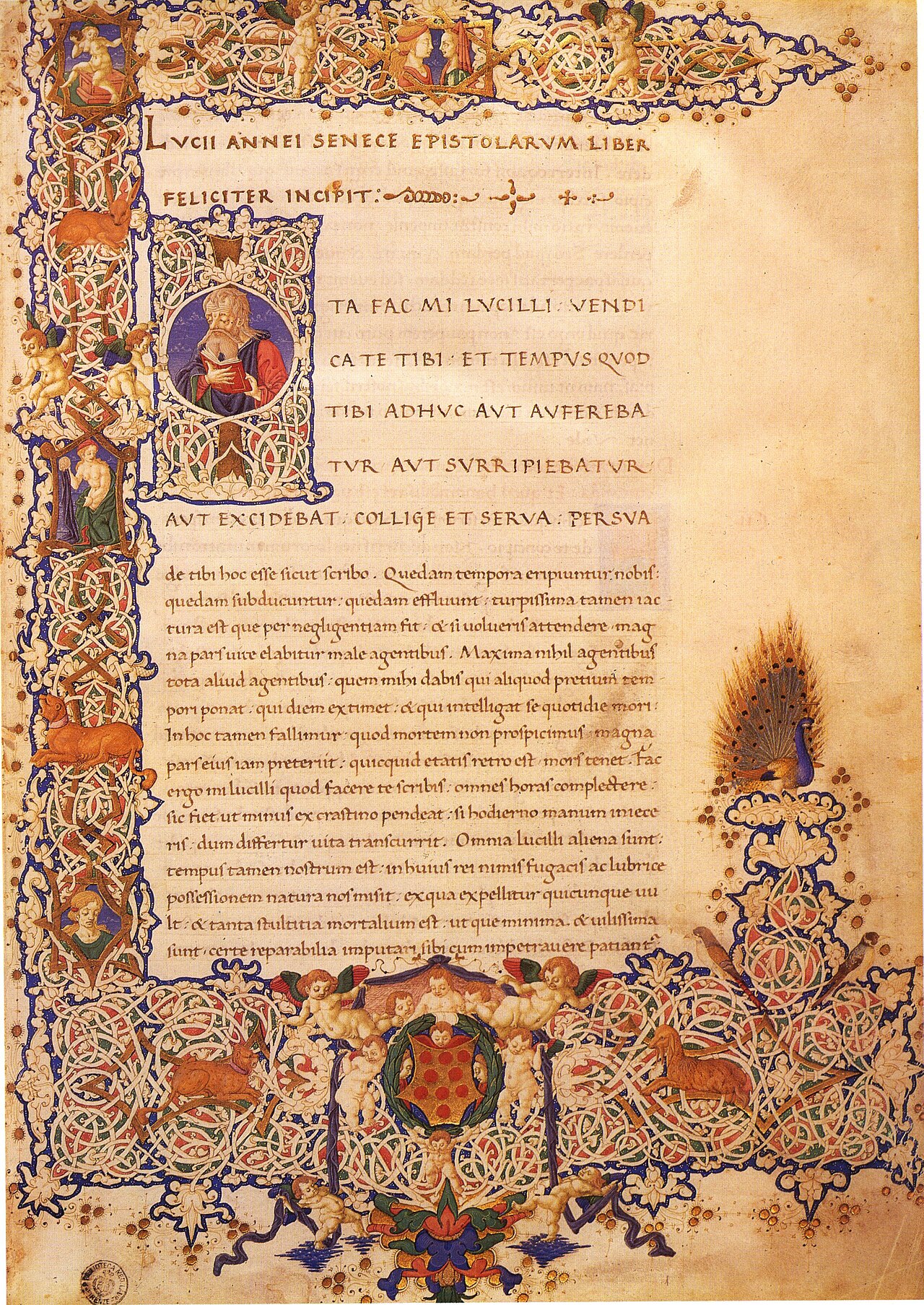 Letter
Primary source
Epistulae Morales ad Lucilium
Seneca · c. 62-65 CE
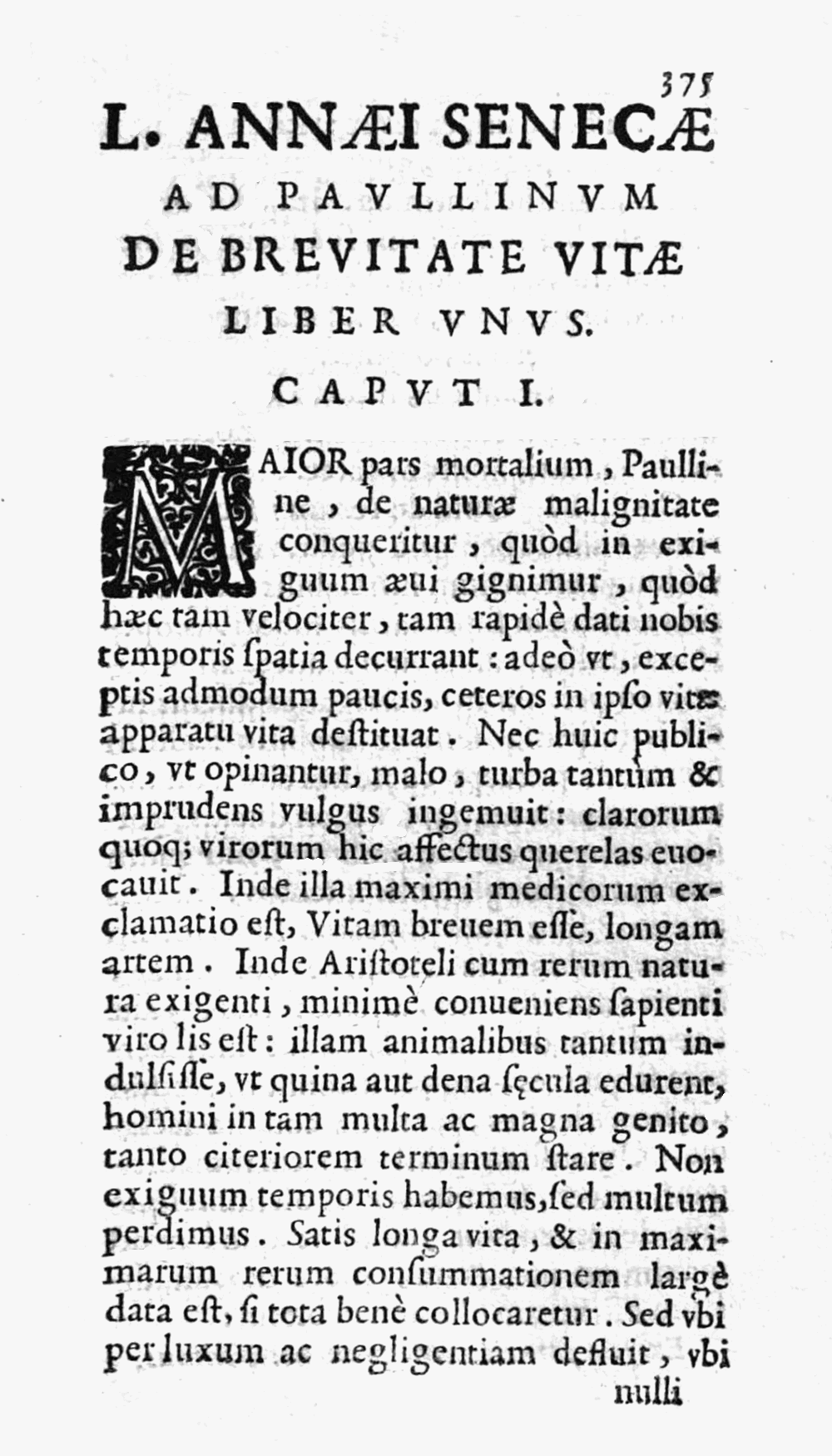 Book
Primary source
De Brevitate Vitae
Seneca · c. 49 CE
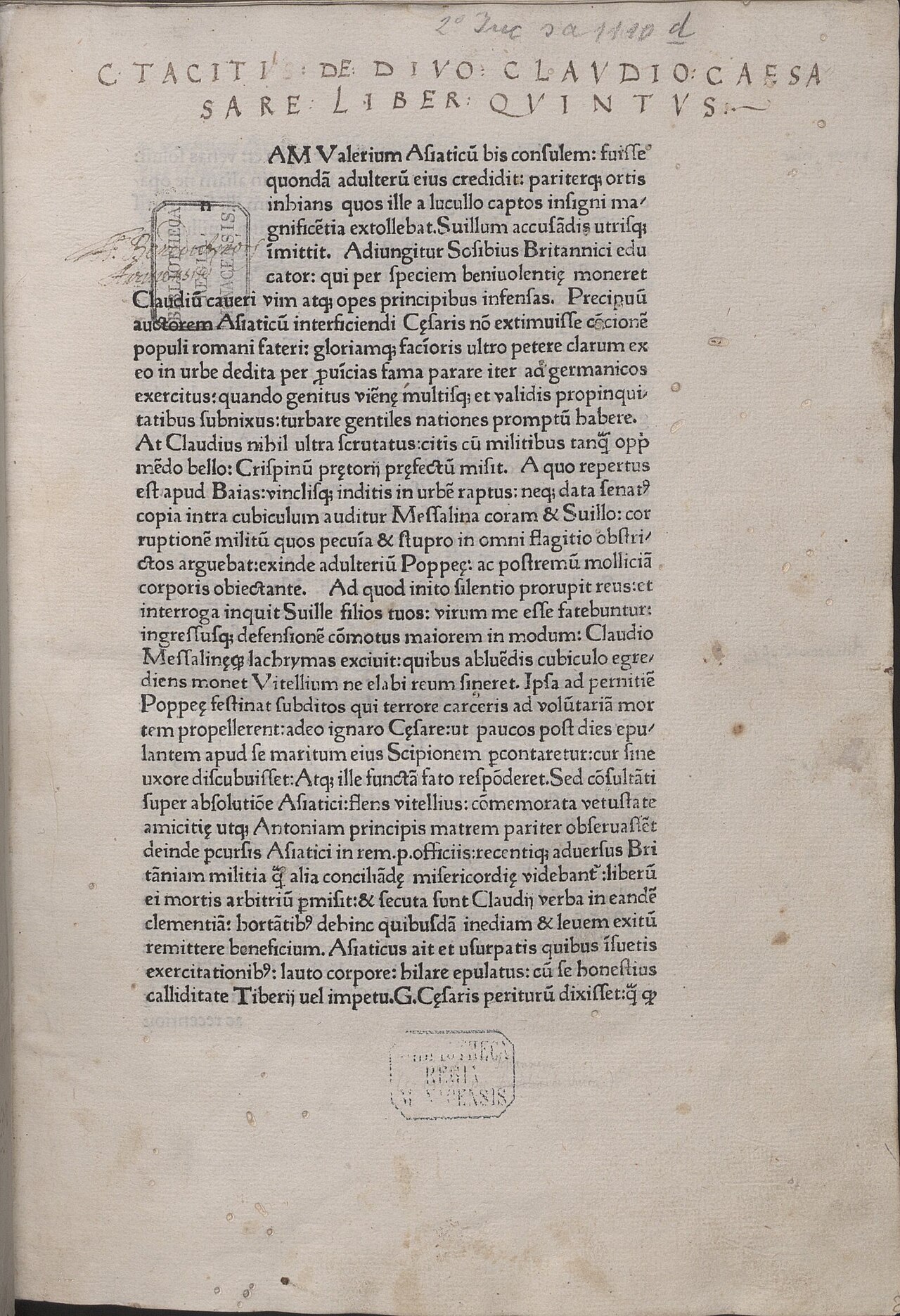 Book
Secondary source
Annals
Tacitus · c. AD 116 or later
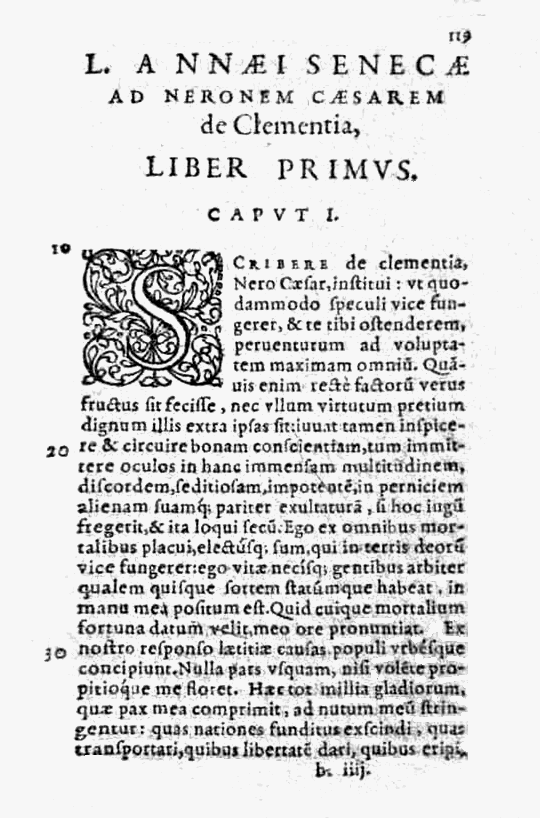 Book
Primary source
De Clementia
Seneca · 55-56 CE
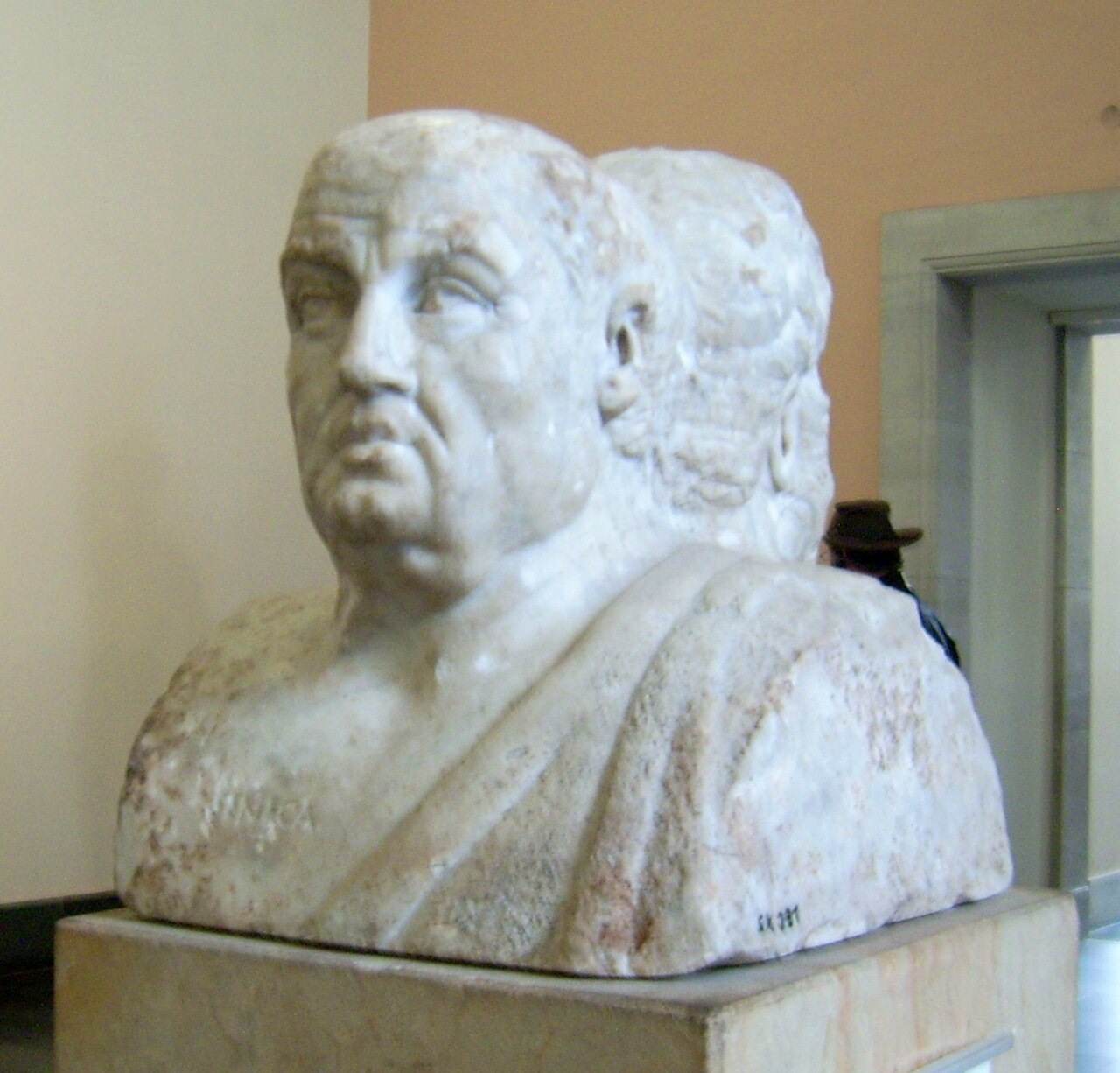 Sculpture
Secondary source
Double Herm of Socrates and Seneca
first half of the 3rd century AD
Ready when you are
Start chatting with Seneca now.
20 messages free · No credit card · Available in 50+ languages.