


Primary sourceBook1902 (translation; original by Seneca, 1st century CE)
Apocolocyntosis
Seneca (translated by Allan Perley Ball) · 1902 (translation; original by Seneca, 1st century CE)
An English translation of Seneca's satire mocking the deification of the emperor Claudius, with scholarly commentary.
This translated satire is Seneca's own work, illustrating his wit and his position within the imperial court.
About this source
What it is
This is an English translation of Seneca's satirical work the Apocolocyntosis, made by Allan Perley Ball and published with commentary in 1902. The original work mocks the official deification of the Roman emperor Claudius after his death.
Why it matters
Seneca composed this piece while serving as an advisor to the emperor Nero, and it reveals his talent for satire alongside his more famous philosophical writing. It also offers insight into how Romans viewed the practice of deifying emperors, and the political dangers and freedoms writers like Seneca navigated at court.
Look closer
- What tone does the translator capture—serious, funny, bitter? How can you tell?
- Why might Seneca choose satire rather than a direct essay to criticize an emperor?
- What does this text suggest about Seneca's relationship with Nero's court and its politics?
This book is part of the curated material that grounds the AI version of Seneca on Humy.ai — when students ask about related events, the AI can quote it and cite it.
More Seneca sources
Meet the AI Seneca →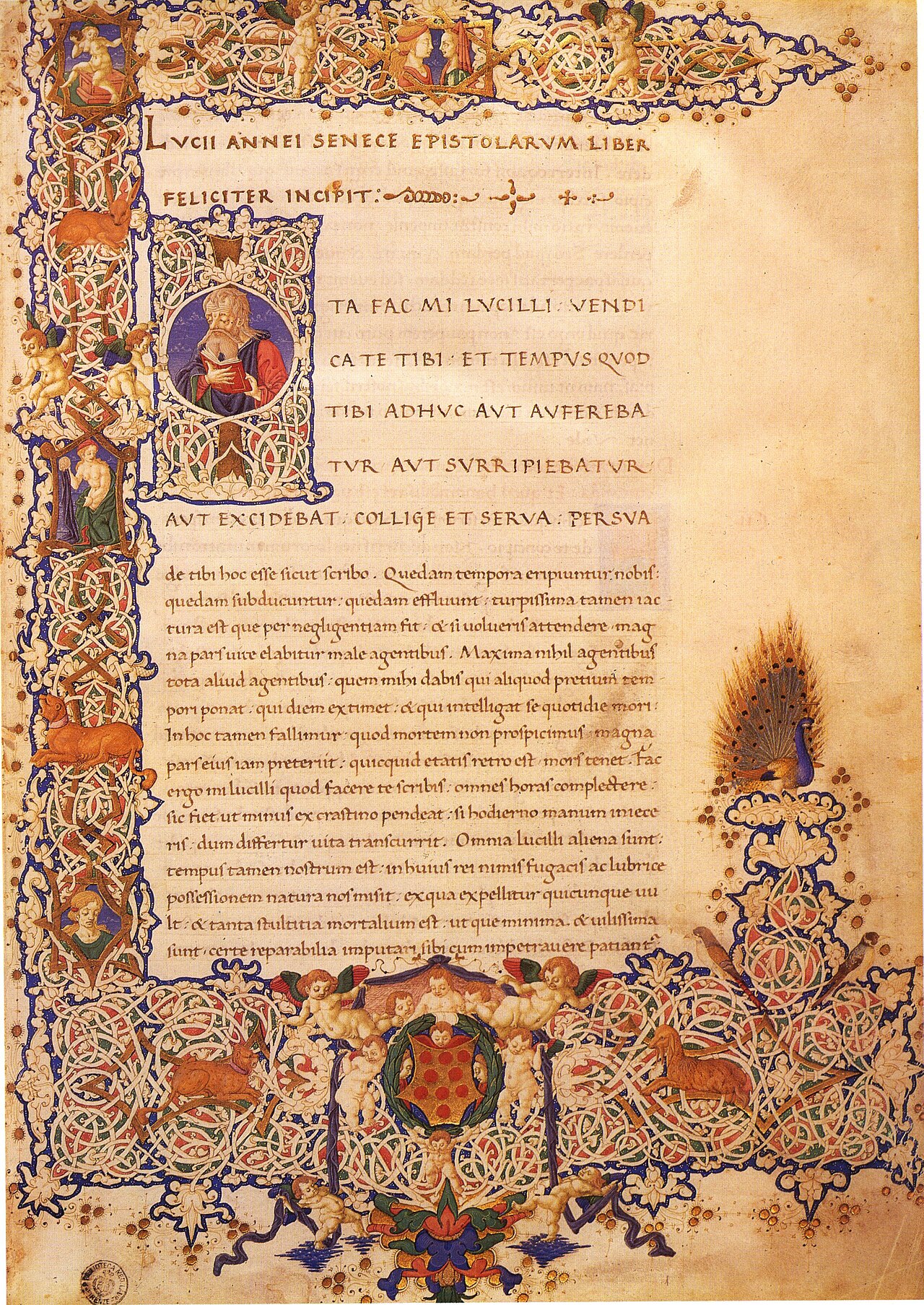 Letter
Primary source
Epistulae Morales ad Lucilium
Seneca · c. 62-65 CE
 Book
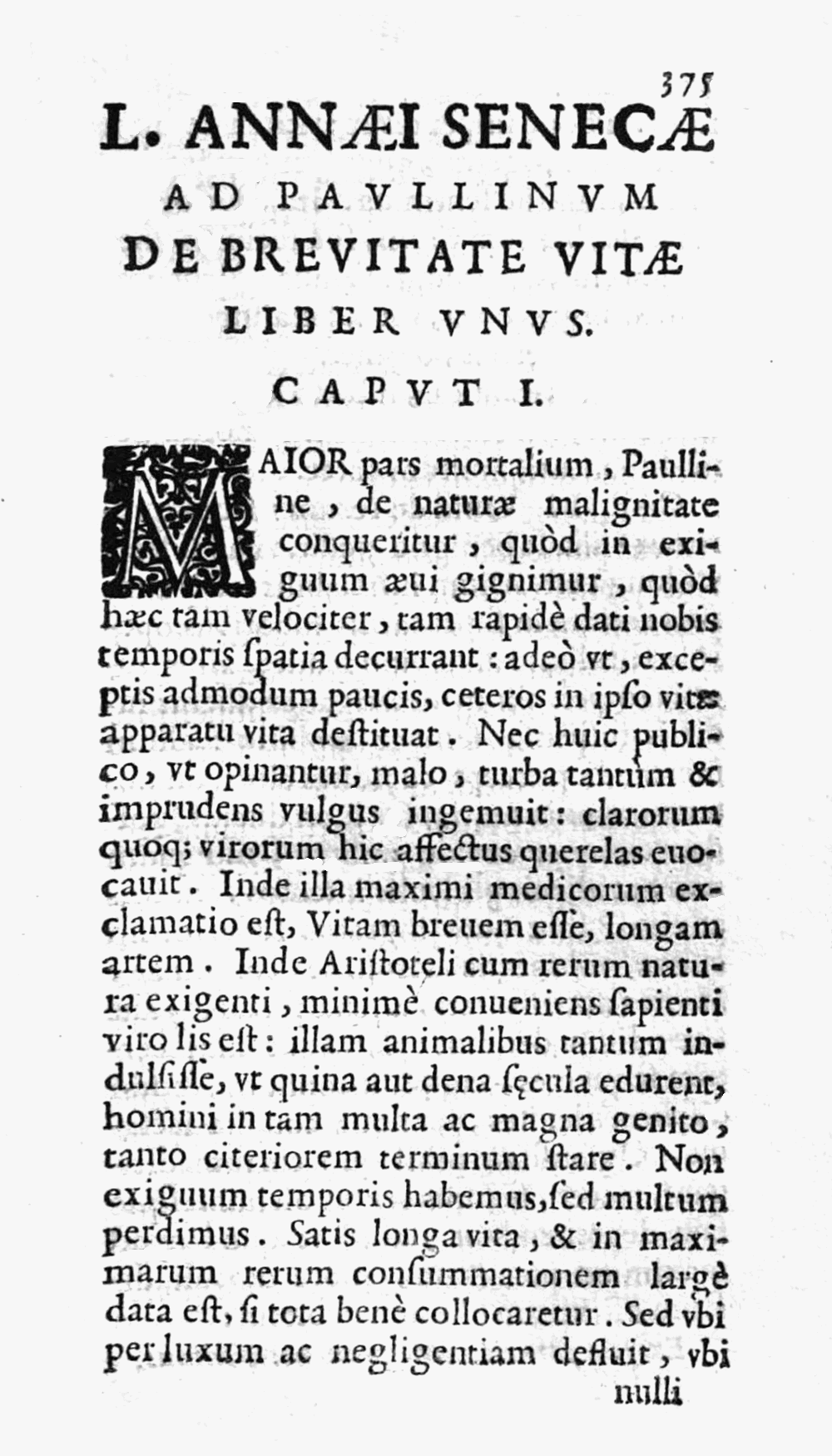
Primary source
De Brevitate Vitae
Seneca · c. 49 CE
 Book
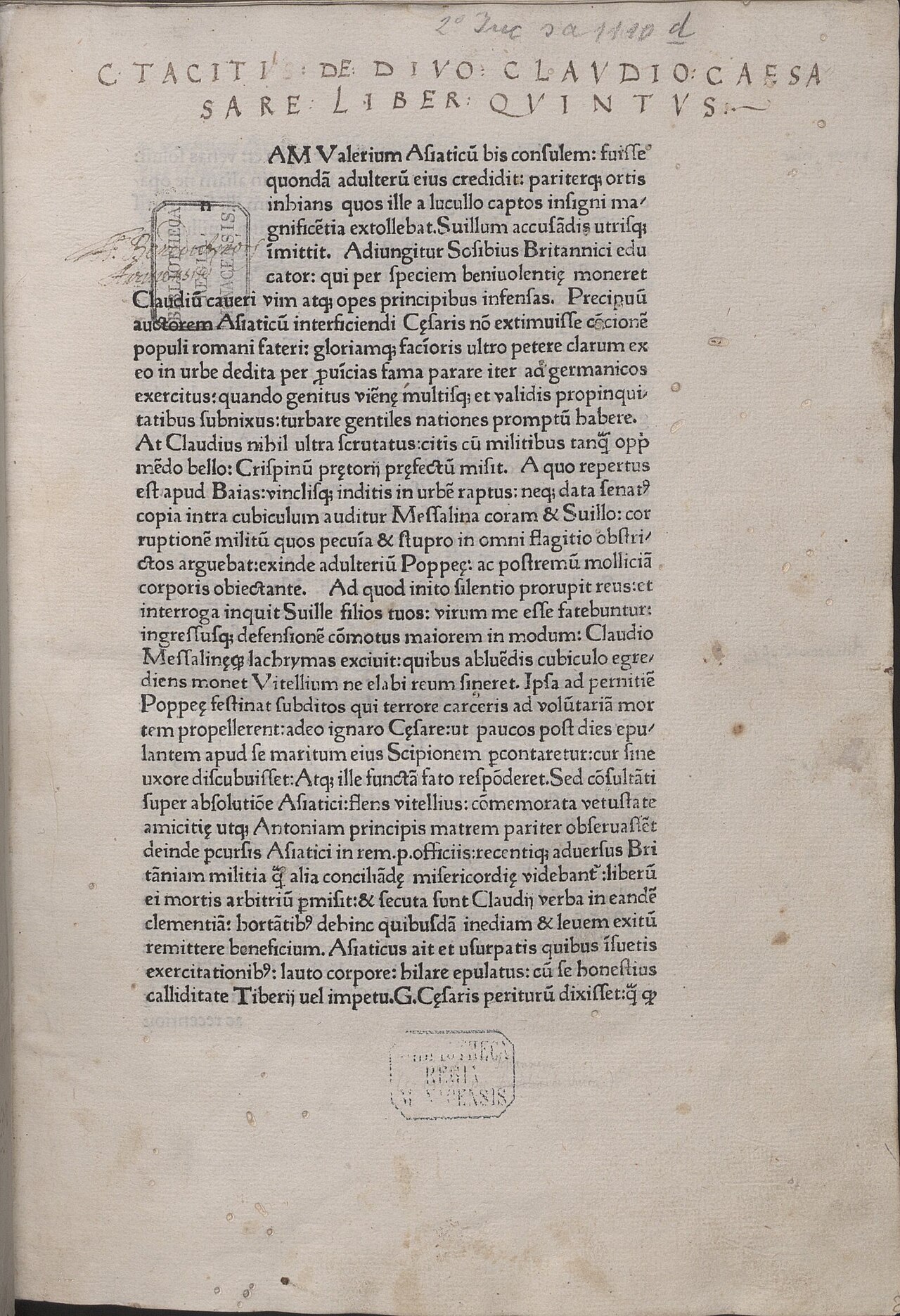
Secondary source
Annals
Tacitus · c. AD 116 or later
 Book
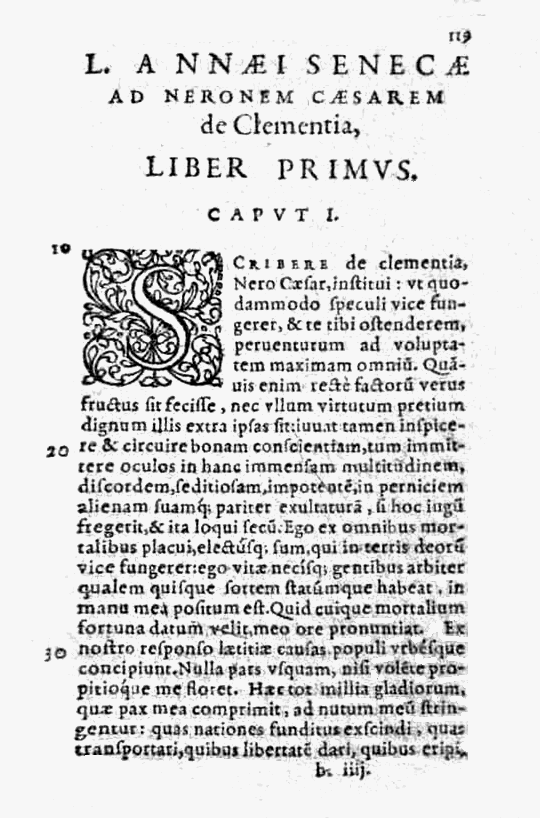
Primary source
De Clementia
Seneca · 55-56 CE
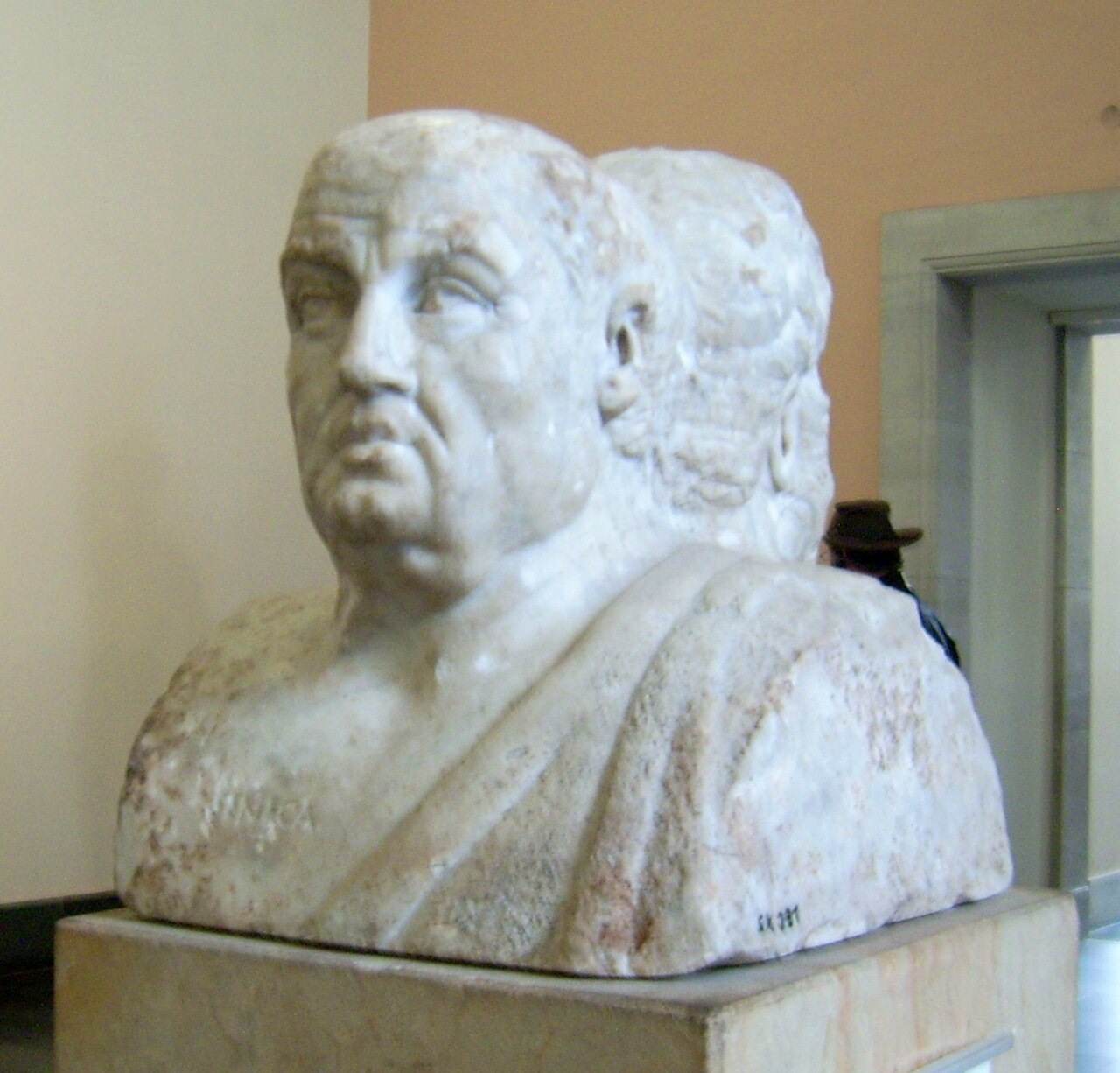 Sculpture
Secondary source
Double Herm of Socrates and Seneca
first half of the 3rd century AD
Ready when you are
Start chatting with Seneca now.
20 messages free · No credit card · Available in 50+ languages.