


Primary sourceArtifact9–8 BC
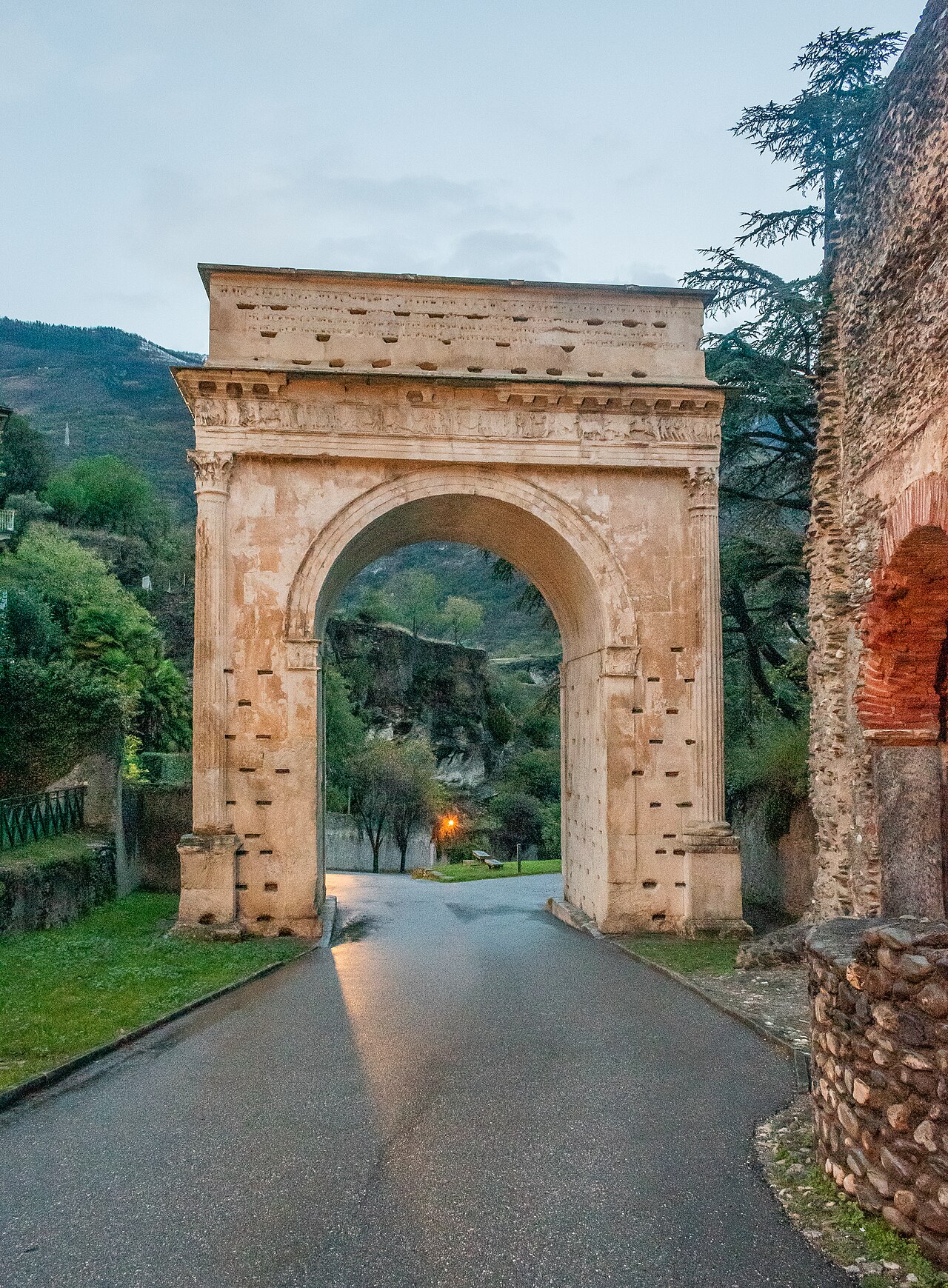
Arch of Augustus (Susa)
Marcus Julius Cottius · 9–8 BC
A triumphal arch built by an Alpine client king to honour Augustus, recording the bond between local rulers and the emperor.
Erected by a client king to honour Augustus, documenting the loyalty of local rulers to him.
About this source
What it is
This stone triumphal arch stands in Susa, in Piedmont, Italy. It was built in 9–8 BC by Marcus Julius Cottius, a local Alpine ruler, to honour Augustus.
Why it matters
The arch's inscription and its carved sacrifice frieze record how Cottius, as a client king, publicly declared his loyalty to Augustus. It shows how Rome controlled distant Alpine regions not only by force but through alliances with local rulers, who used monuments like this to show their submission and gain Roman favour.
Look closer
- Why would a local king spend resources building a monument to a foreign emperor?
- What does the frieze of a sacrifice suggest about the relationship being celebrated?
- What is missing from this monument about the people who were ruled, rather than the rulers themselves?
This artifact is part of the curated material that grounds the AI version of Augustus on Humy.ai — when students ask about related events, the AI can quote it and cite it.
More Augustus sources
Meet the AI Augustus →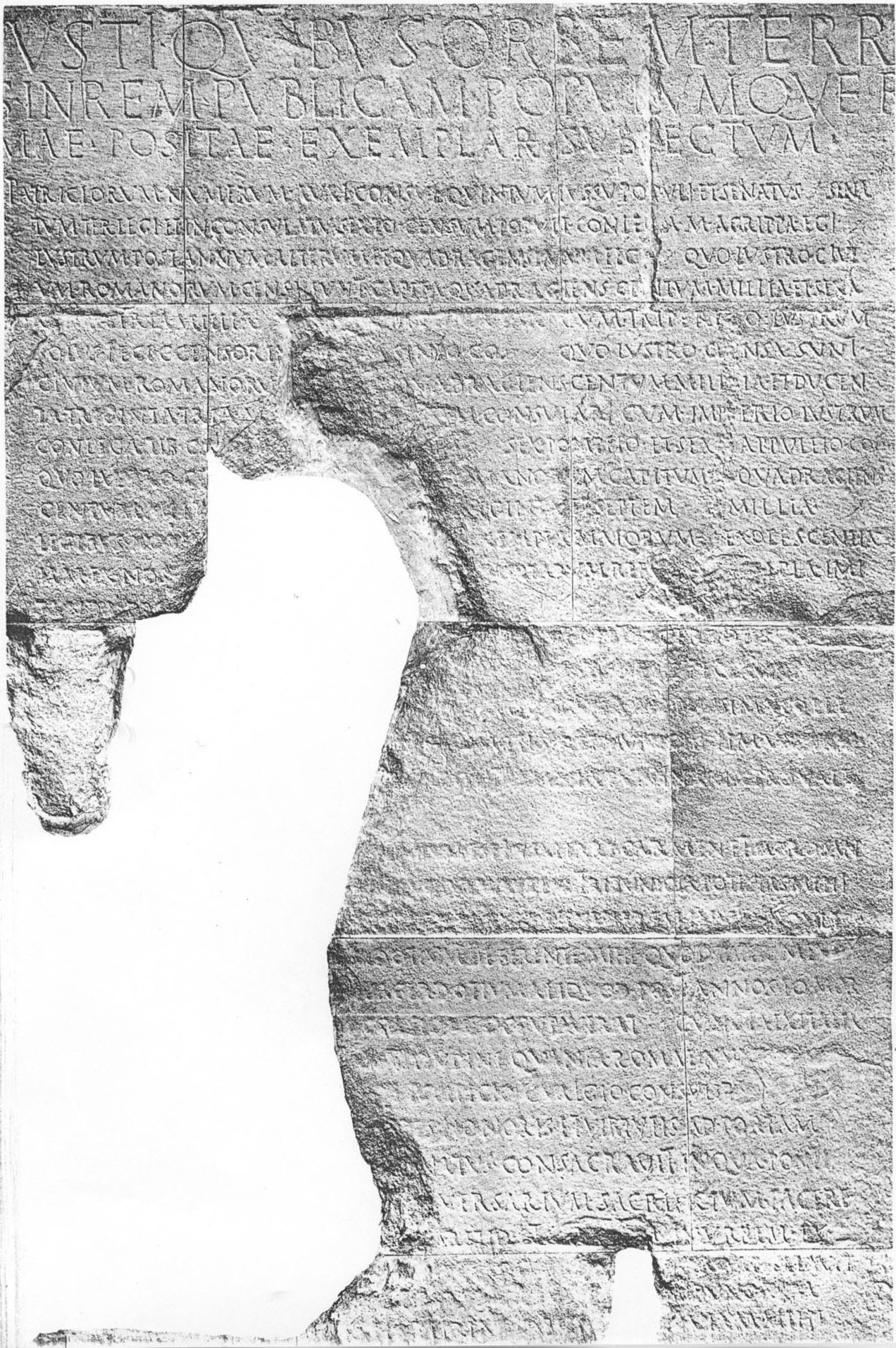 Document
Primary source
Res Gestae Divi Augusti
Augustus · 14 AD
 Painting
Secondary source
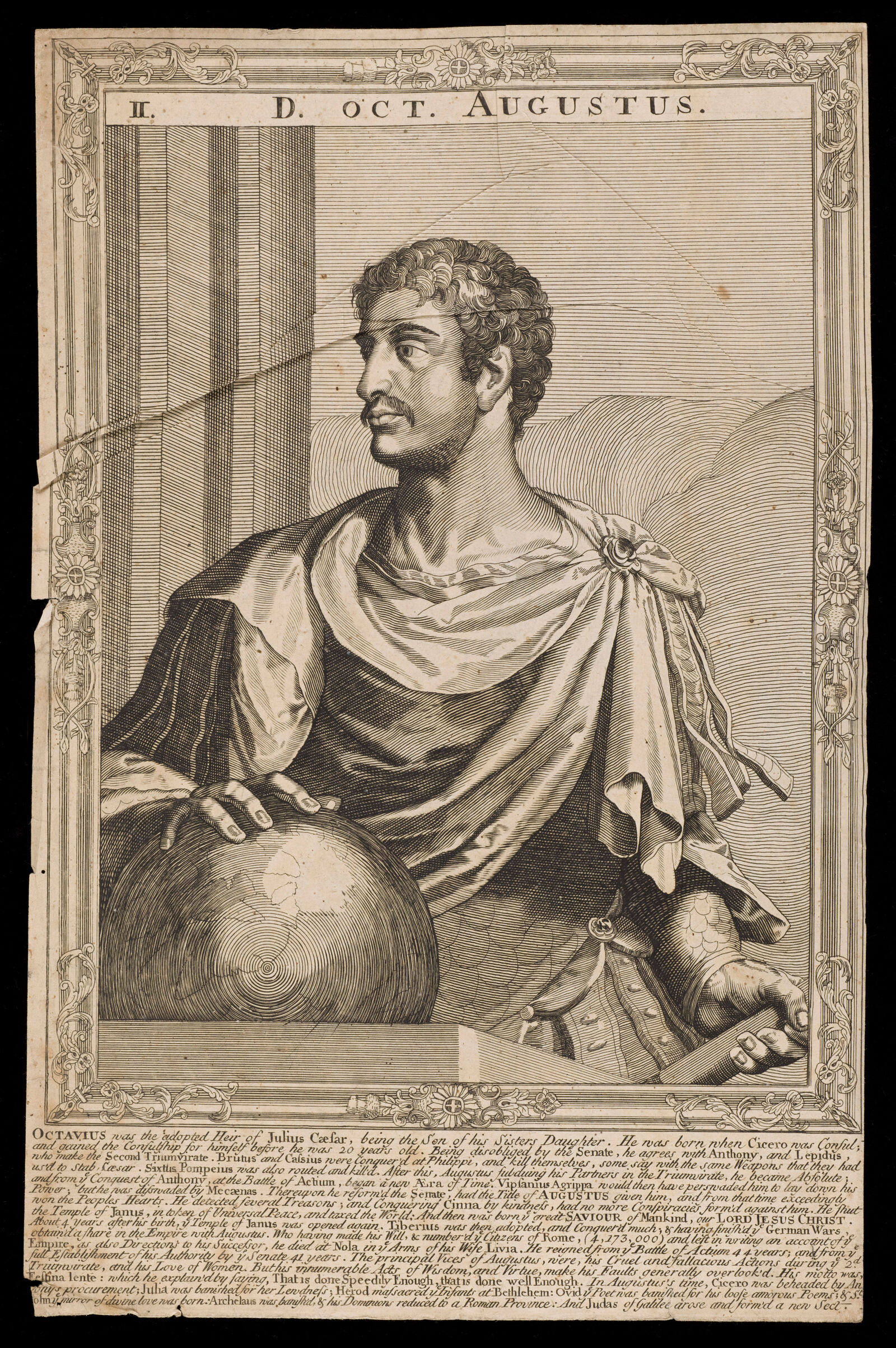
Emperor Augustus with Globe
After Titian (engraving by A. Sadeler, after Titian) · between 1700 and 1799 (possibly 17th century)
 Sculpture
Primary source
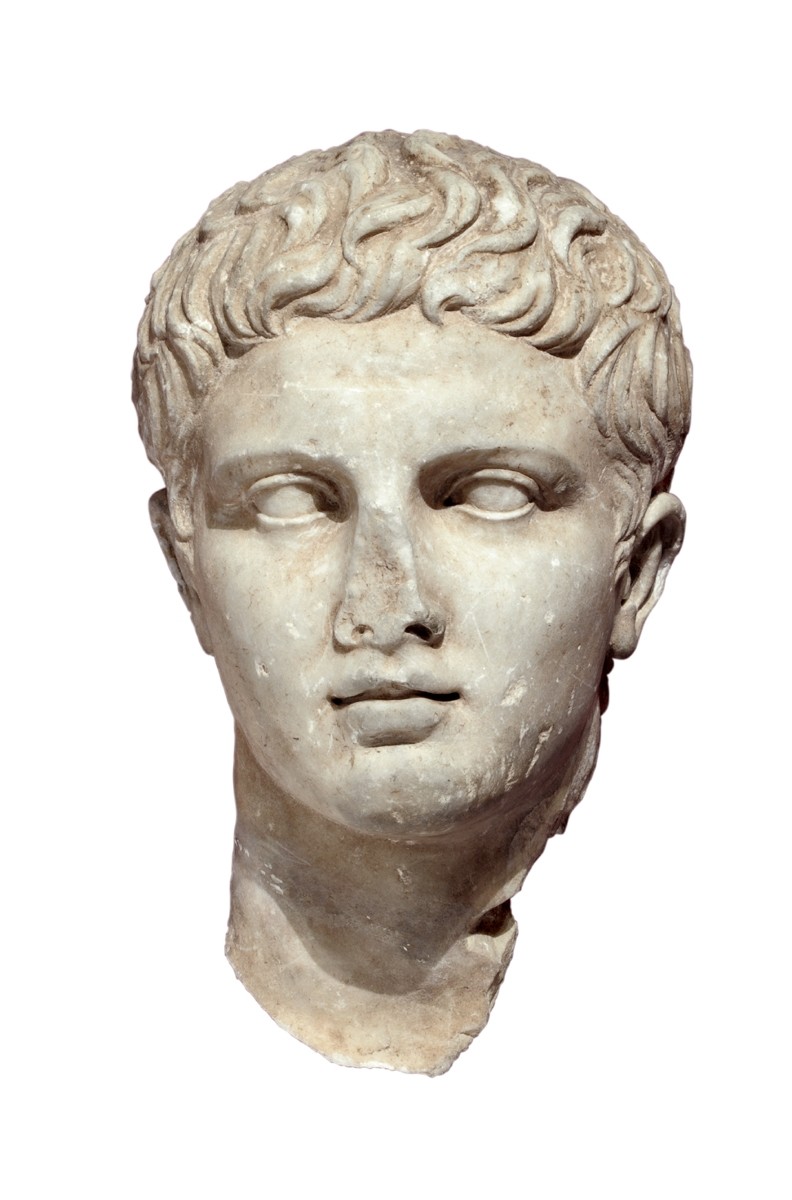
Relief Head of the Young Augustus
 Sculpture
Secondary source
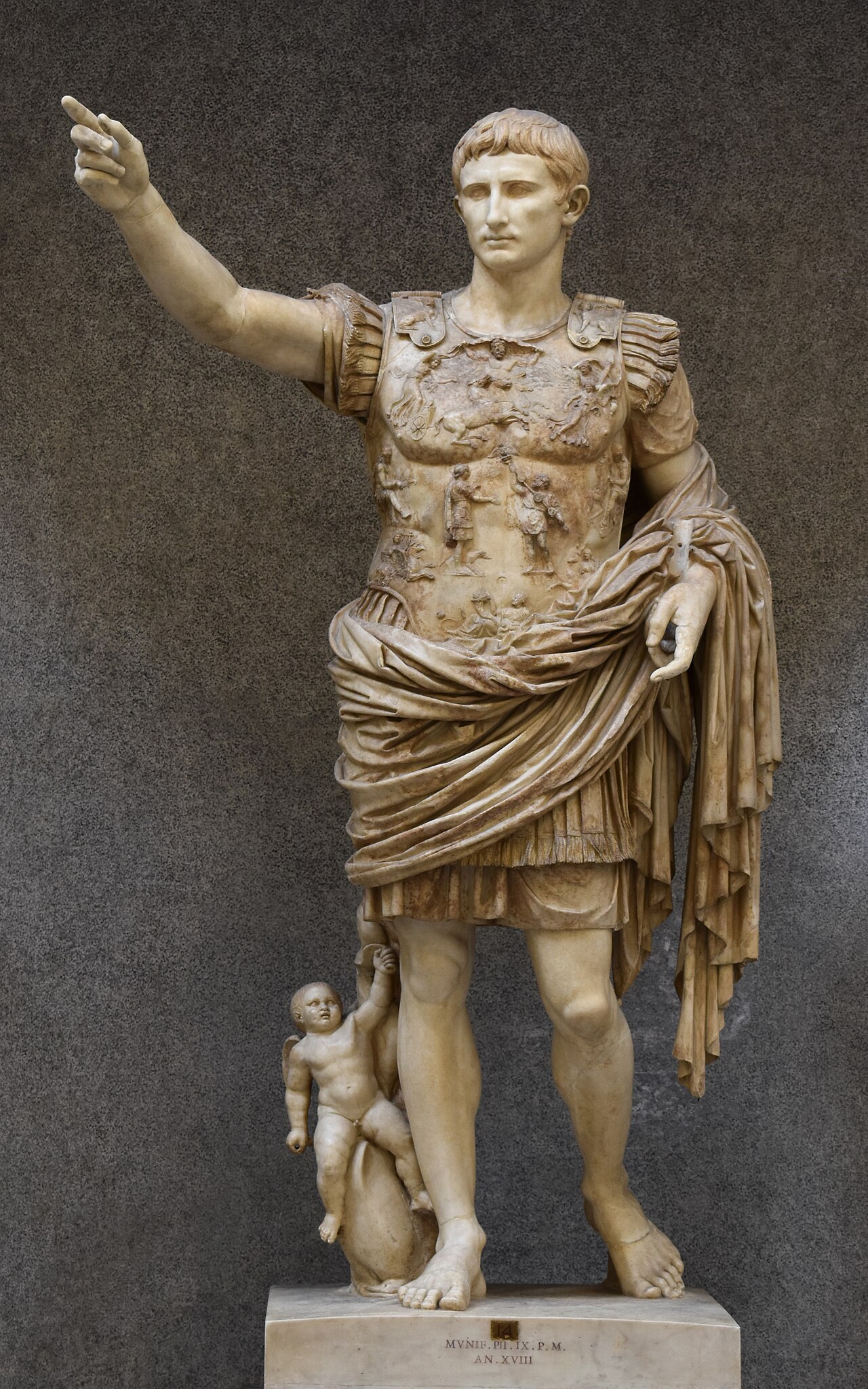
Augustus of Prima Porta
c. 19 BCE or later
 Artifact
Primary source
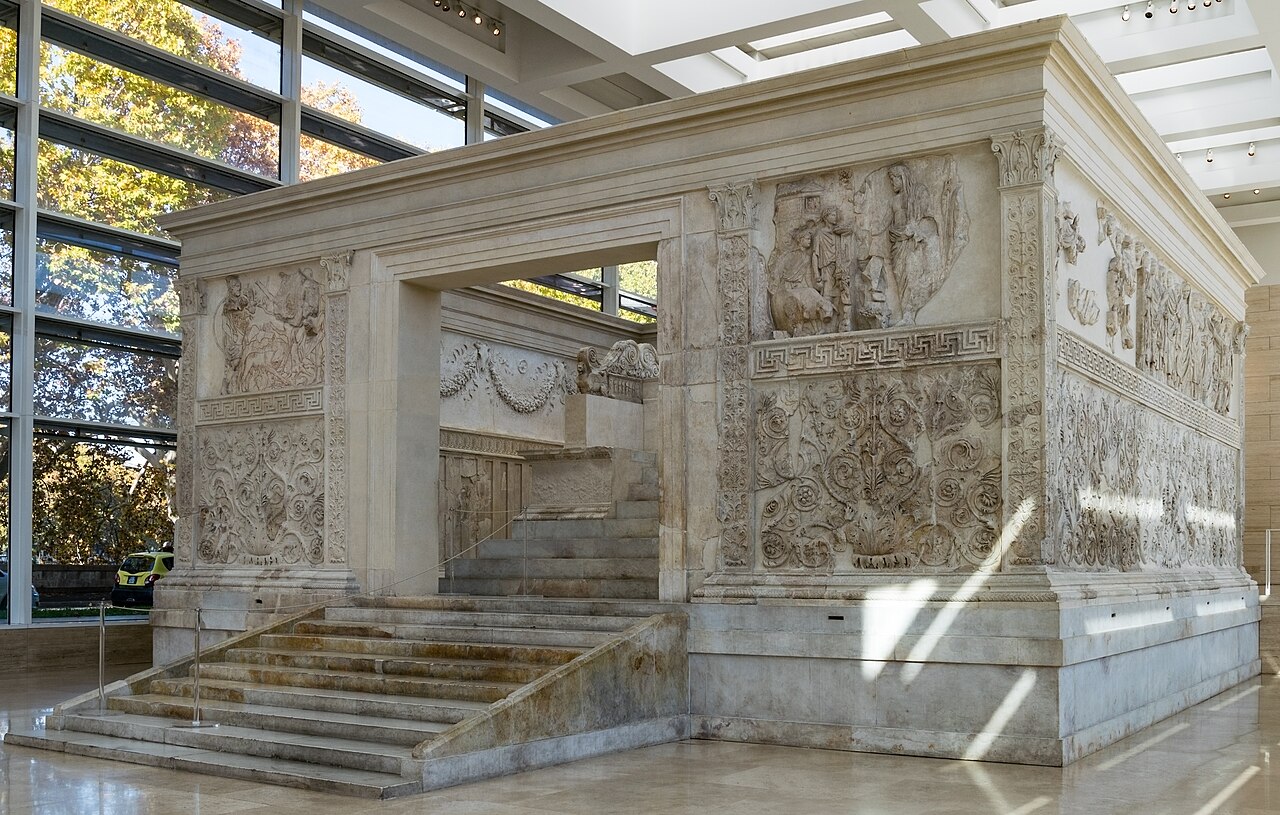
Ara Pacis
13-9 BCE
Ready when you are
Start chatting with Augustus now.
20 messages free · No credit card · Available in 50+ languages.