


Primary sourceSculpture668-627 BCE
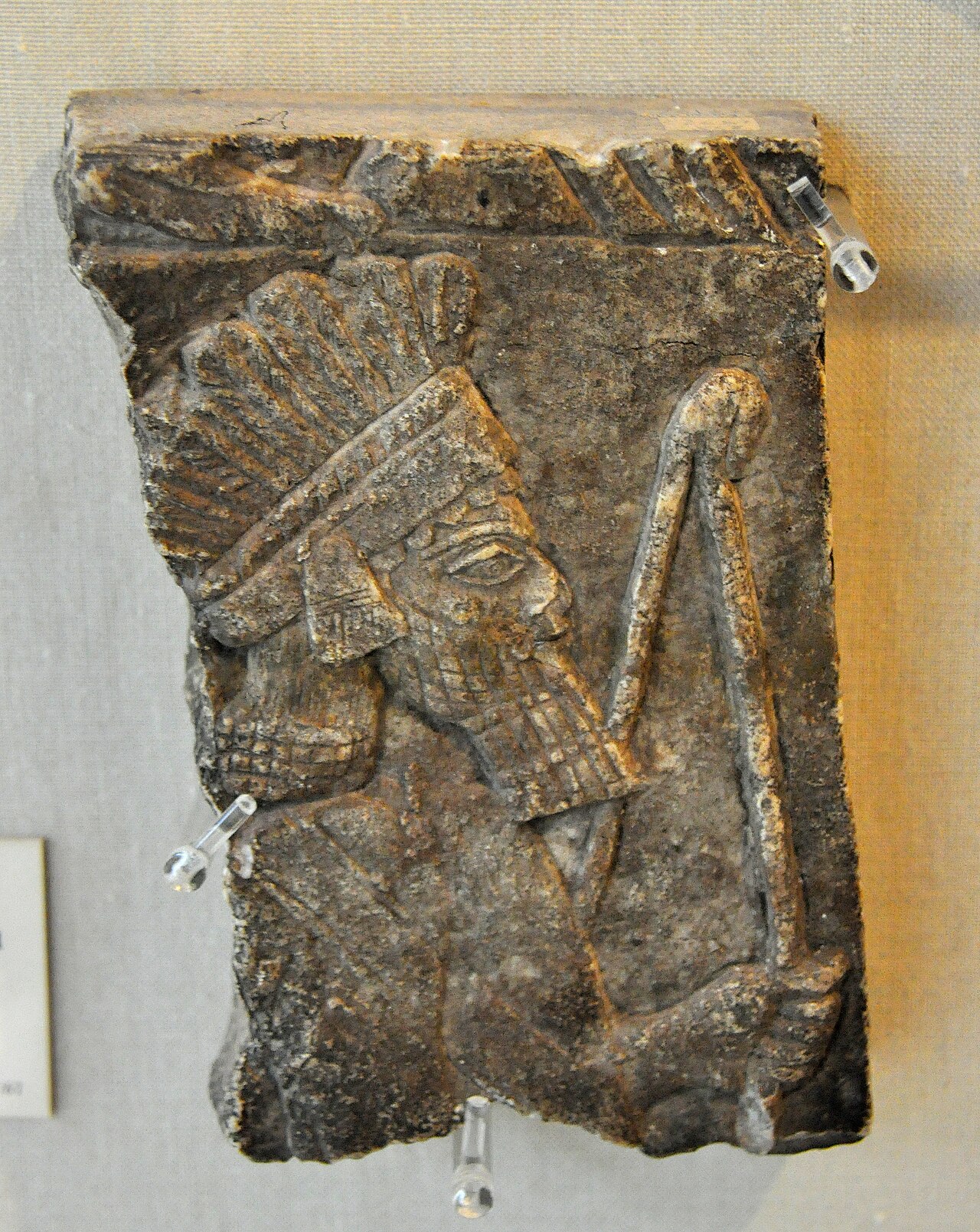
Archer Wearing Feather Headdress Relief
668-627 BCE
An alabaster relief fragment from Nineveh showing an archer, dating from the reign of Ashurbanipal, illustrating the soldiers of his campaigns.
This relief fragment dates from Ashurbanipal's reign and illustrates the soldiers who fought in his campaigns.
About this source
What it is
This is a fragment of an alabaster relief carving from Nineveh, Iraq, dated to the reign of Ashurbanipal (668-627 BCE). It shows a bearded archer wearing a feathered headdress, drawing a bow. The fragment is held in the Burrell Collection, Glasgow.
Why it matters
Assyrian palace reliefs often showed soldiers and military campaigns to celebrate royal victories. This archer gives a glimpse of the warriors who fought in the campaigns carried out during Ashurbanipal's reign, and of how the Assyrians recorded their armies in stone.
Look closer
- What details of the archer's equipment can you make out in the carving?
- Why would a palace be decorated with images of soldiers in action?
- What does this single fragment not tell you about the wider battle it may have been part of?
This sculpture is part of the curated material that grounds the AI version of Ashurbanipal on Humy.ai — when students ask about related events, the AI can quote it and cite it.
More Ashurbanipal sources
Meet the AI Ashurbanipal →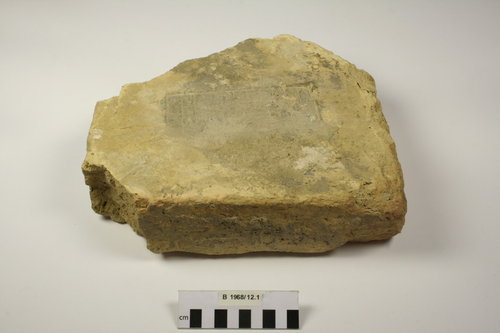 Artifact
Primary source
Baked Brick Naming King Ashurbanipal
7th century BCE
 Sculpture
Primary source
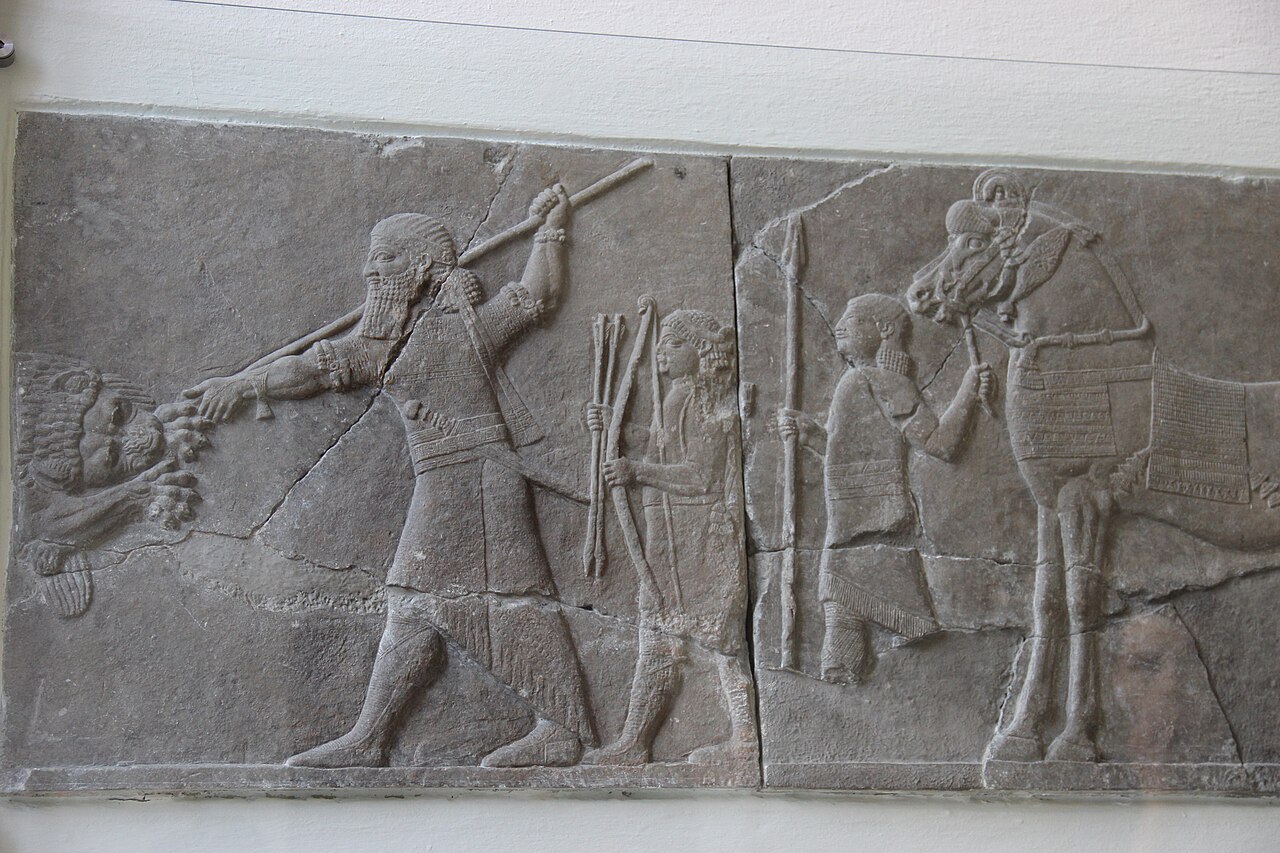
Lion Hunt of Ashurbanipal
Assyrian royal sculptors · c. 645–635 BCE
 Document
Primary source
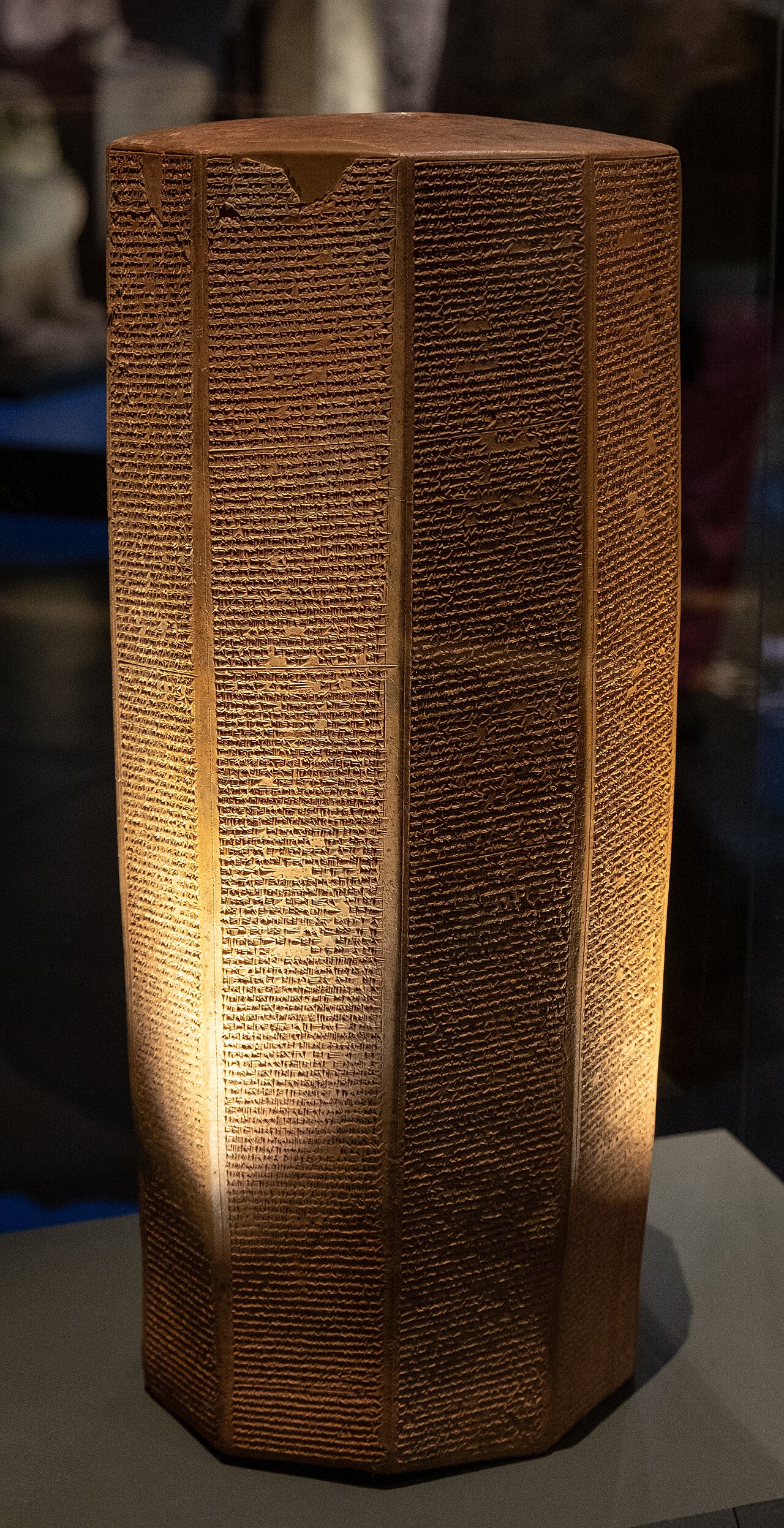
Rassam Prism of Ashurbanipal
643 BCE
 Painting
Secondary source
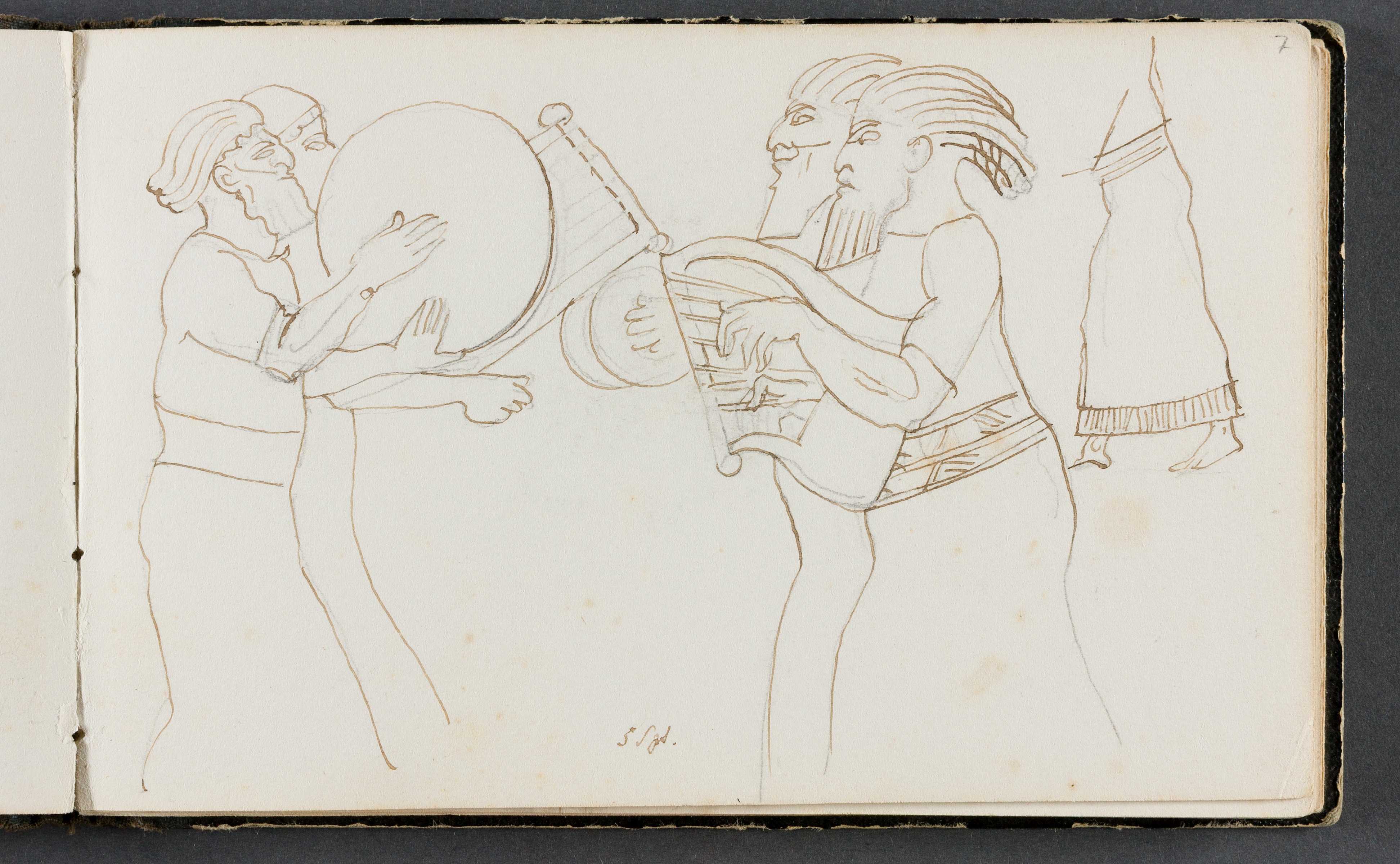
Relief with Musicians from the Palace of Ashurbanipal in Nineveh
 Document
Primary source
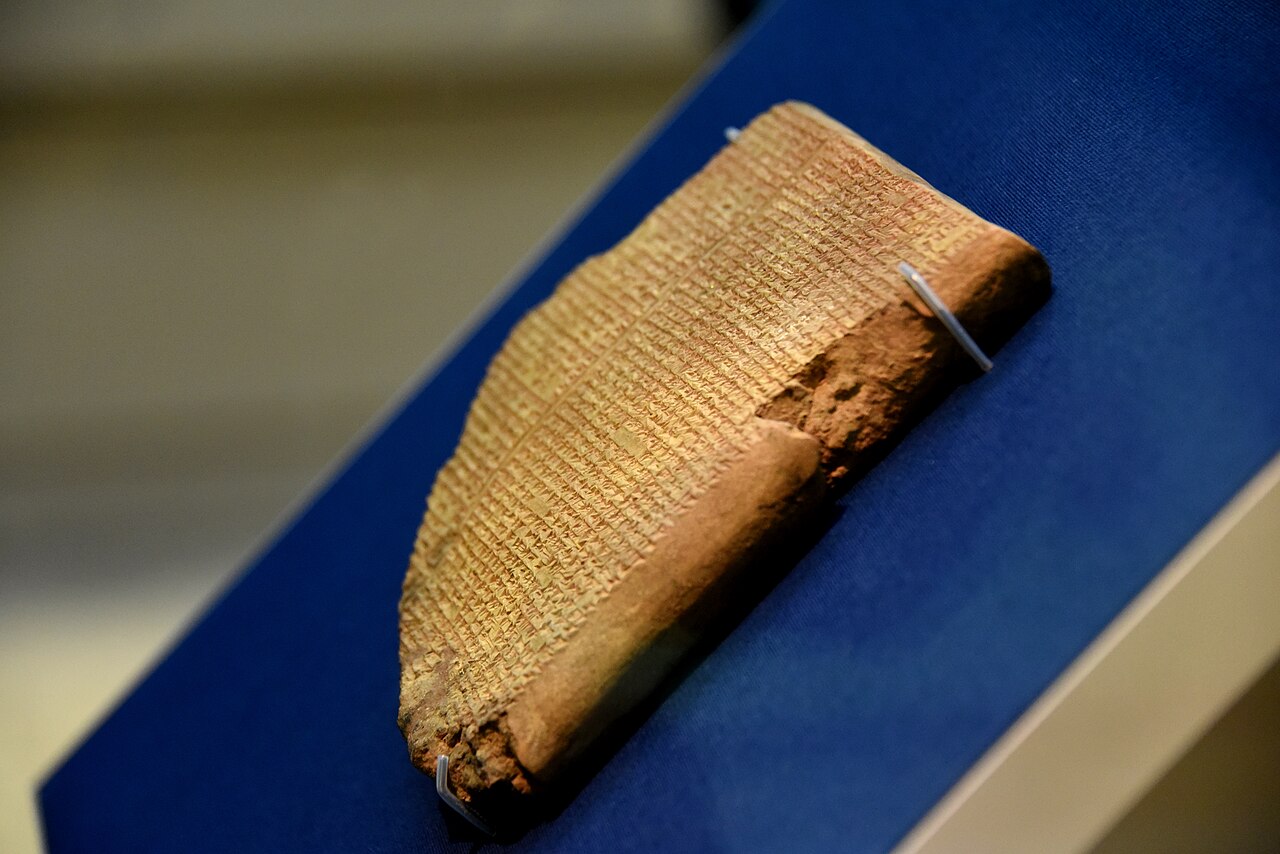
Flood Tablet
Scribes of Ashurbanipal's library · 7th century BCE
Ready when you are
Start chatting with Ashurbanipal now.
20 messages free · No credit card · Available in 50+ languages.