


Secondary sourcePaintingc. 1515-1520
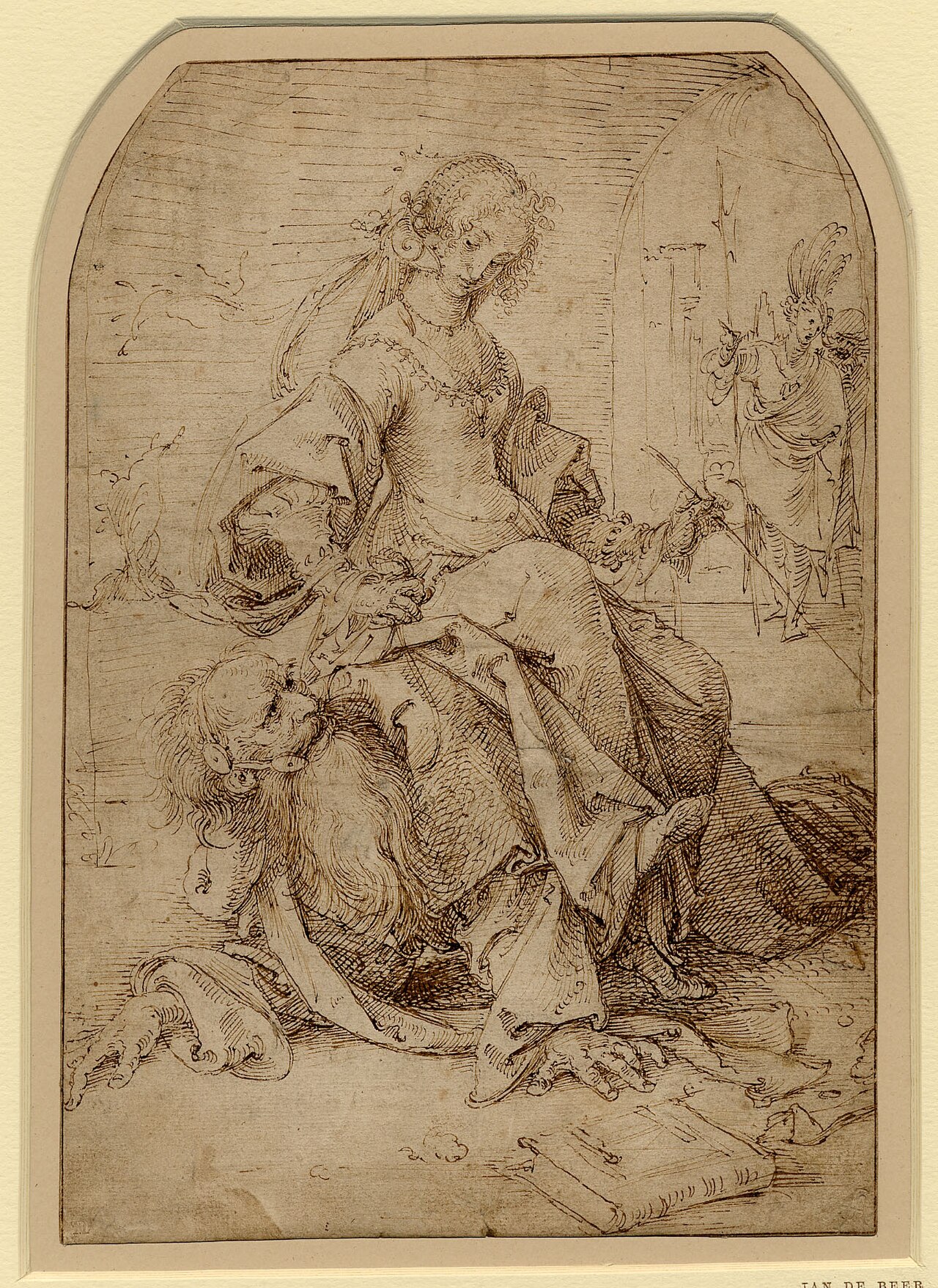
Aristotle and Phyllis
Jan de Beer · c. 1515-1520
A Renaissance-era drawing illustrating the legend of Aristotle and Phyllis, in which the philosopher is shown humiliated on hands and knees.
This drawing uses Aristotle's image in a moral legend, far removed from his philosophical legacy, showing how later artists depicted him.
About this source
What it is
This is a pen and brown ink drawing by Jan de Beer, made between about 1515 and 1520. It illustrates the popular medieval and Renaissance legend of 'Aristotle and Phyllis,' showing a seated woman looking back at an older bearded man crawling on hands and knees, with an open book on the ground nearby.
Why it matters
The legend of Aristotle and Phyllis was a popular moral tale in medieval and Renaissance Europe, often used to warn about the dangers of being led astray by desire, even for a wise philosopher. This drawing by Jan de Beer shows how Aristotle's image was reused centuries later in art, often far removed from his actual philosophical work.
Look closer
- What is happening in this drawing, and how is Aristotle being portrayed?
- Why might artists like Jan de Beer have been drawn to this legend rather than to Aristotle's philosophy?
- What does this image tell us about how Aristotle's reputation was used by later generations?
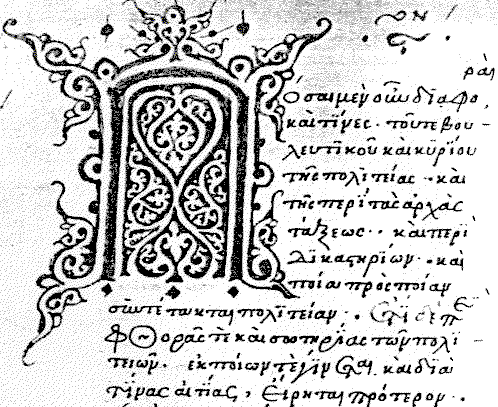
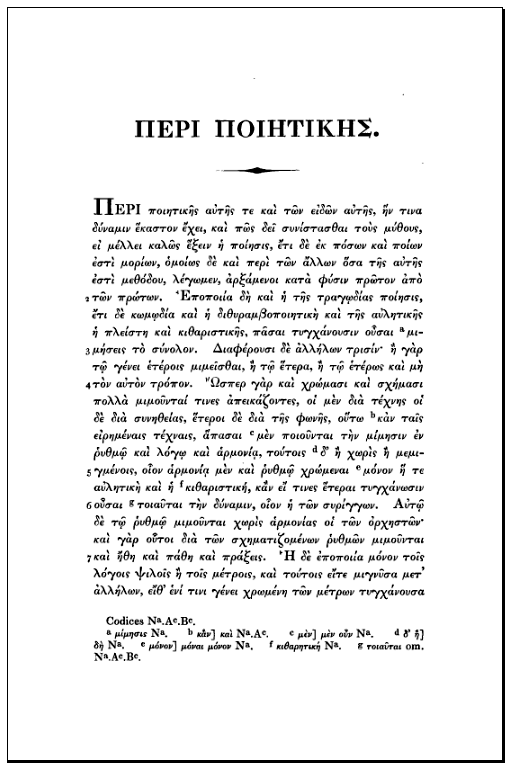
This painting is part of the curated material that grounds the AI version of Aristotle on Humy.ai — when students ask about related events, the AI can quote it and cite it.
More Aristotle sources
Meet the AI Aristotle →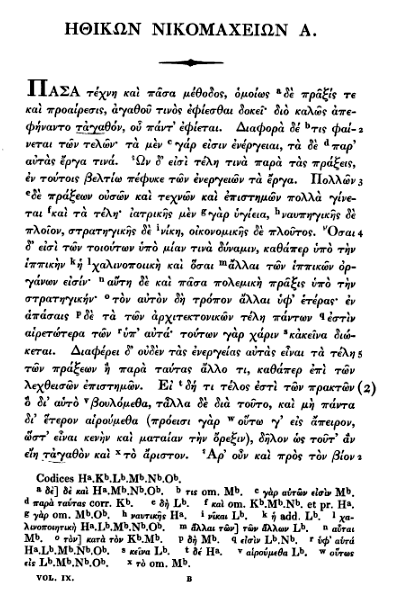

Ready when you are
Start chatting with Aristotle now.
20 messages free · No credit card · Available in 50+ languages.