


Secondary sourcePainting1637
Aristotle
Jusepe de Ribera · 1637
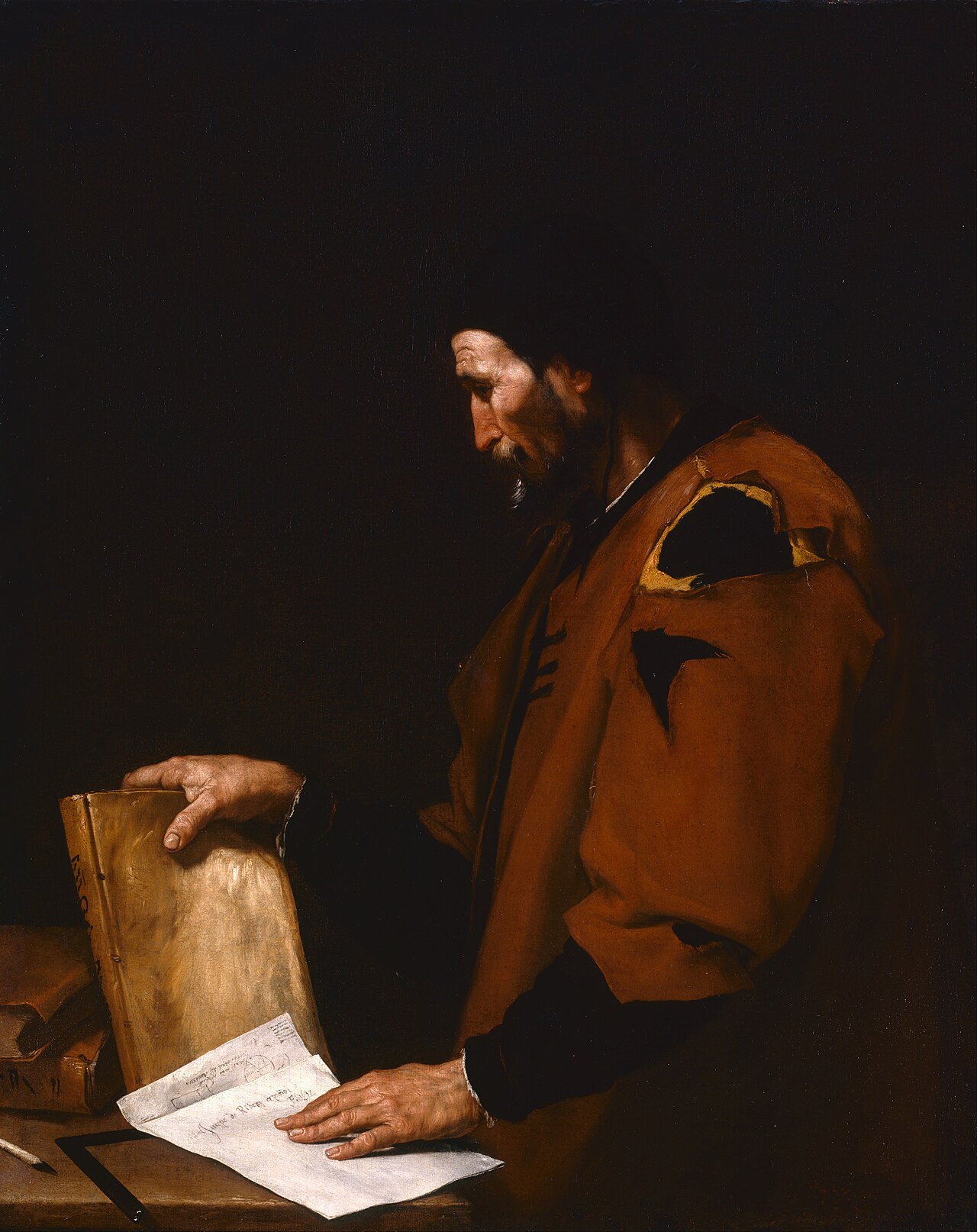
A Baroque oil painting imagining Aristotle as a humble scholar, part of a series of ancient philosophers commissioned for the Prince of Liechtenstein.
This Baroque painting imagines Aristotle as a humble scholar, part of a series on ancient philosophers.
About this source
What it is
This 1637 oil painting by Spanish artist Jusepe de Ribera is held at the Indianapolis Museum of Art. It was part of a series of six philosopher portraits commissioned by Karl Eusebius, Prince of Liechtenstein in 1636, alongside images of Plato, Crates, Anaxagoras, Protagoras, and Diogenes.
Why it matters
Ribera portrays Aristotle as a beggar-philosopher, a style popular in the seventeenth century that linked ancient wisdom to Christian asceticism. Painted in Ribera's naturalistic, Caravaggio-influenced style, it shows deep creases in the face and hands, and Ribera signed it proudly with "español" added to his name. The identification as Aristotle, rather than another philosopher, has been debated by scholars over the years.
Look closer
- Why might Ribera have chosen to show a famous philosopher as a poor, worn old man?
- What clues in the painting (clothing, objects, lighting) helped scholars identify the figure as Aristotle?
- What does the signature and style tell us about the artist's own pride in his work?
This painting is part of the curated material that grounds the AI version of Aristotle on Humy.ai — when students ask about related events, the AI can quote it and cite it.
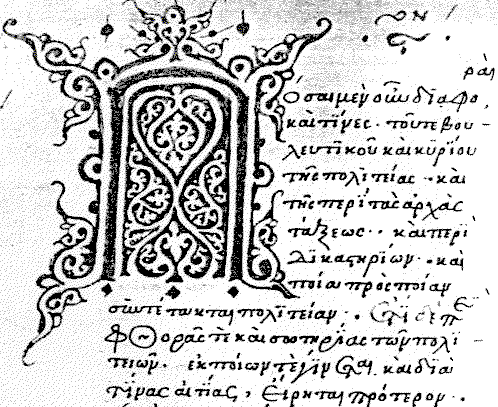
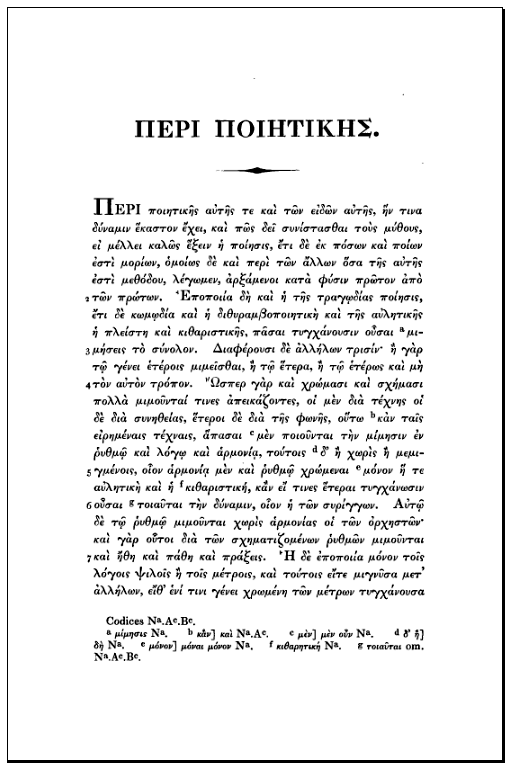
More Aristotle sources
Meet the AI Aristotle →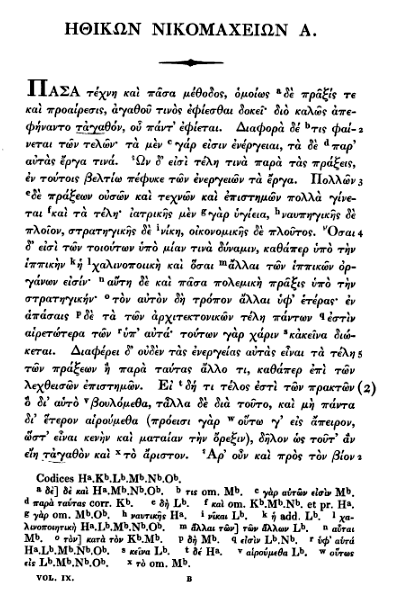
Ready when you are
Start chatting with Aristotle now.
20 messages free · No credit card · Available in 50+ languages.