


Secondary sourcePainting1476
Aristotle
Pedro Berruguete · 1476
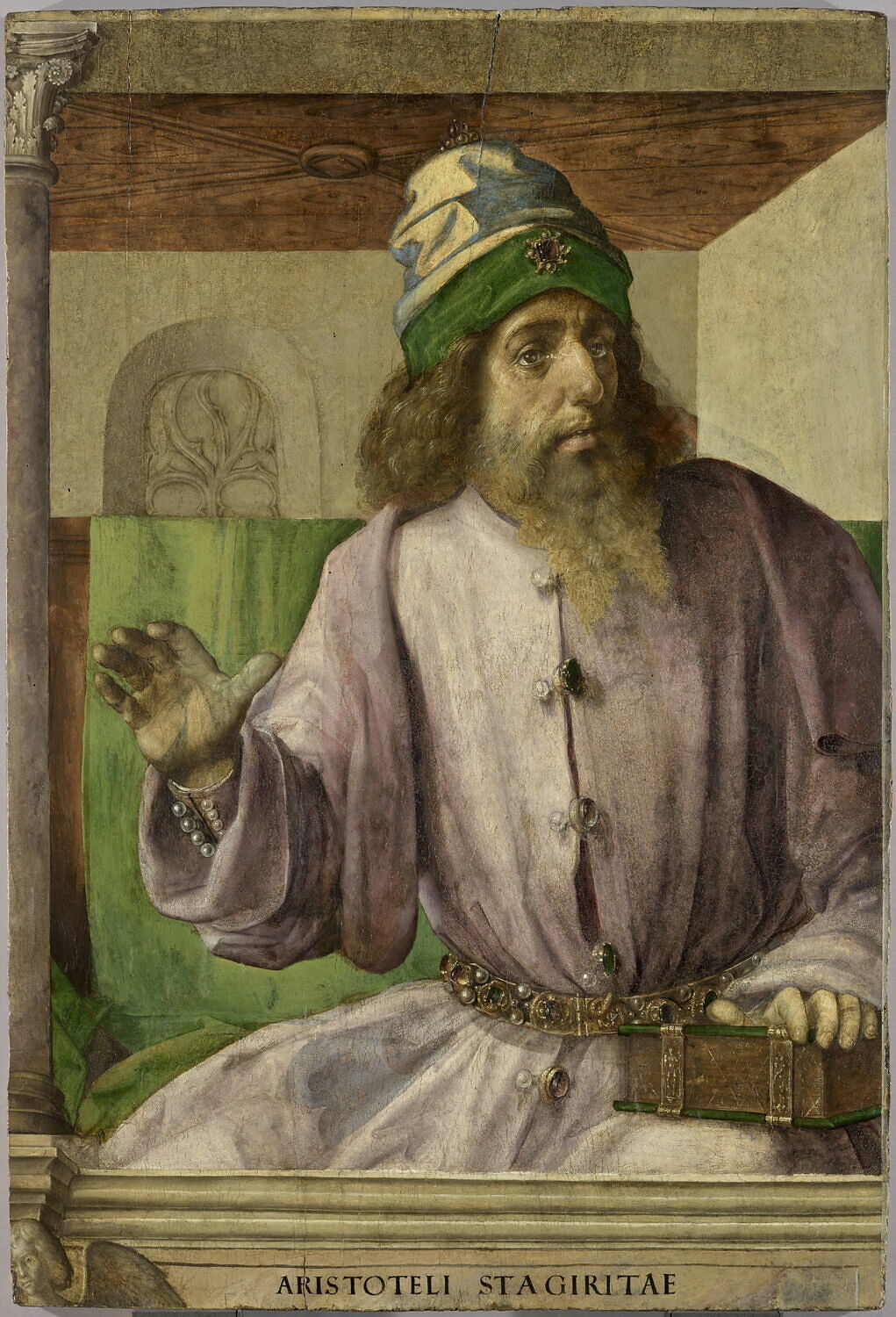
A Renaissance portrait of Aristotle, part of a series of famous men painted for a prince's private study.
This imagined Renaissance portrait depicts Aristotle as a model of wisdom for a prince's study.
About this source
What it is
This painting, attributed to Pedro Berruguete (sometimes to Justus van Gent), dates from 1476 and is now held by the Department of Paintings of the Louvre. It shows an imagined portrait of Aristotle, identified by the inscription "ARISTOTELI STAGIRITAE" at the bottom.
Why it matters
The painting was part of a series of famous men created for the studiolo (private study) of Federico da Montefeltro, an Italian Renaissance ruler. Such series presented ancient philosophers as models of wisdom for a prince to emulate. The richly dressed, turbaned figure shows how Renaissance artists imagined ancient Greek philosophers through their own cultural lens rather than historical accuracy.
Look closer
- Why might the artist have dressed Aristotle in a turban and jeweled robe rather than ancient Greek clothing?
- What does the closed book in his hand suggest about how he was meant to be seen?
- Why would a ruler want portraits of philosophers in his private study?
This painting is part of the curated material that grounds the AI version of Aristotle on Humy.ai — when students ask about related events, the AI can quote it and cite it.
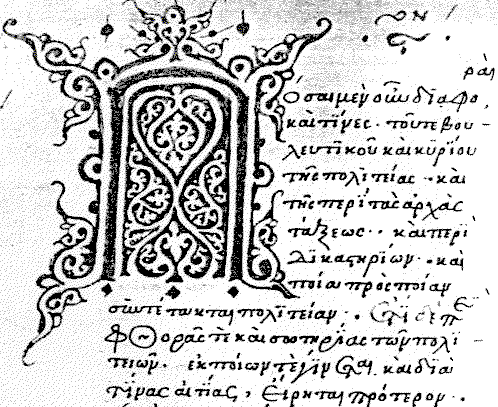
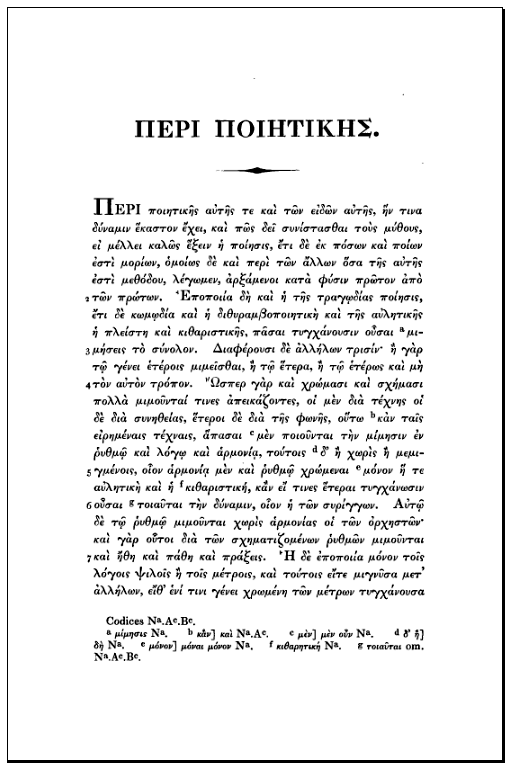
More Aristotle sources
Meet the AI Aristotle →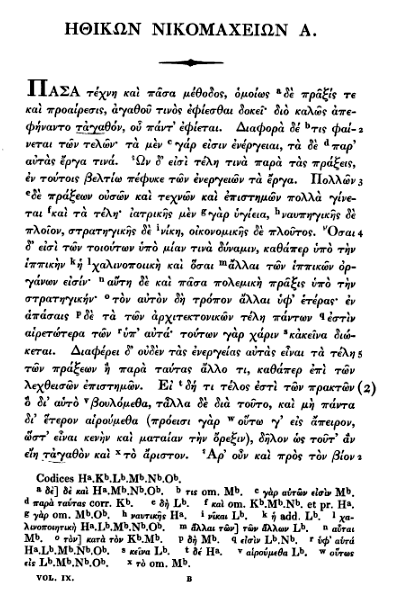

Ready when you are
Start chatting with Aristotle now.
20 messages free · No credit card · Available in 50+ languages.