


Secondary sourcePaintingc. 1220
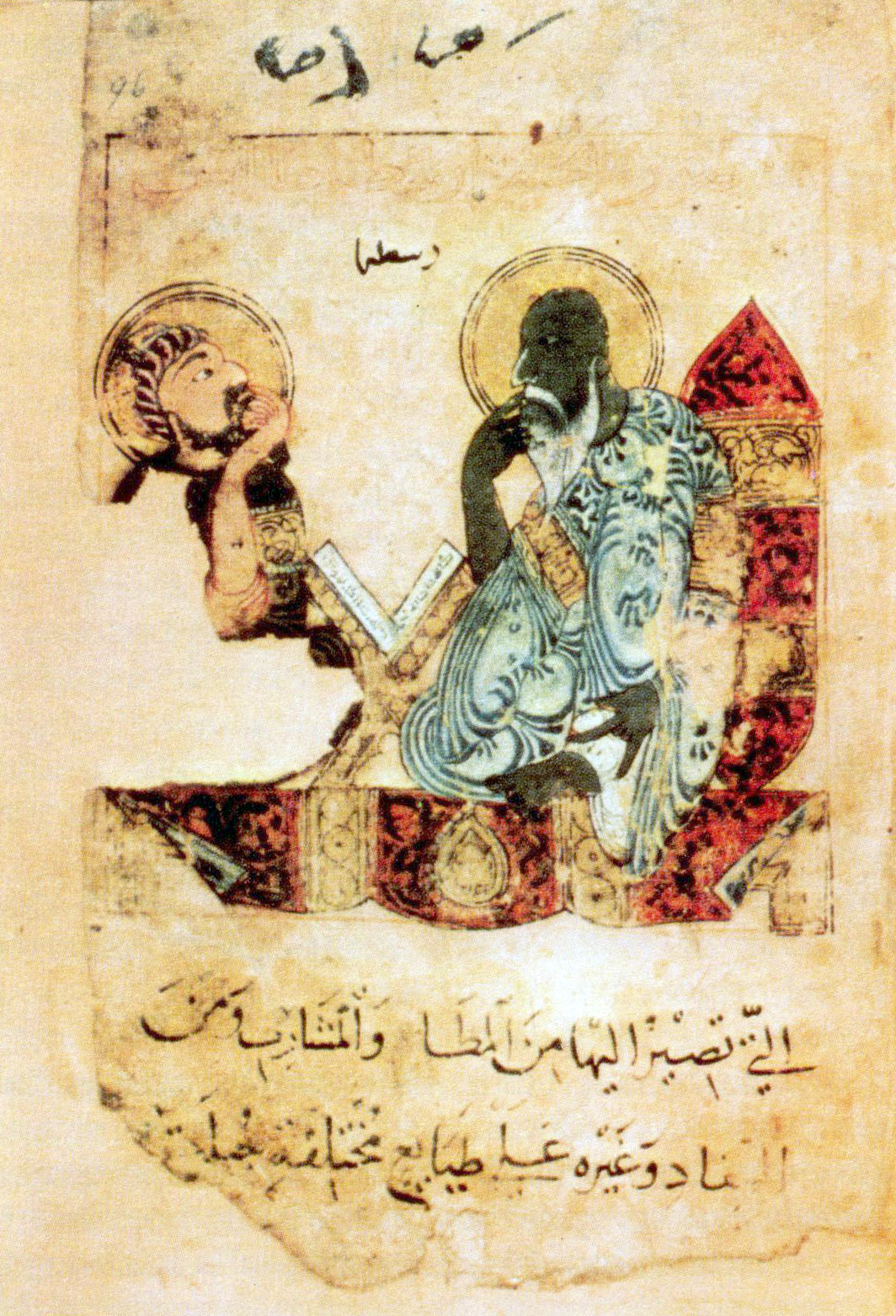
Aristotle Teaching, from an Arabic Bestiary
Unknown artist · c. 1220
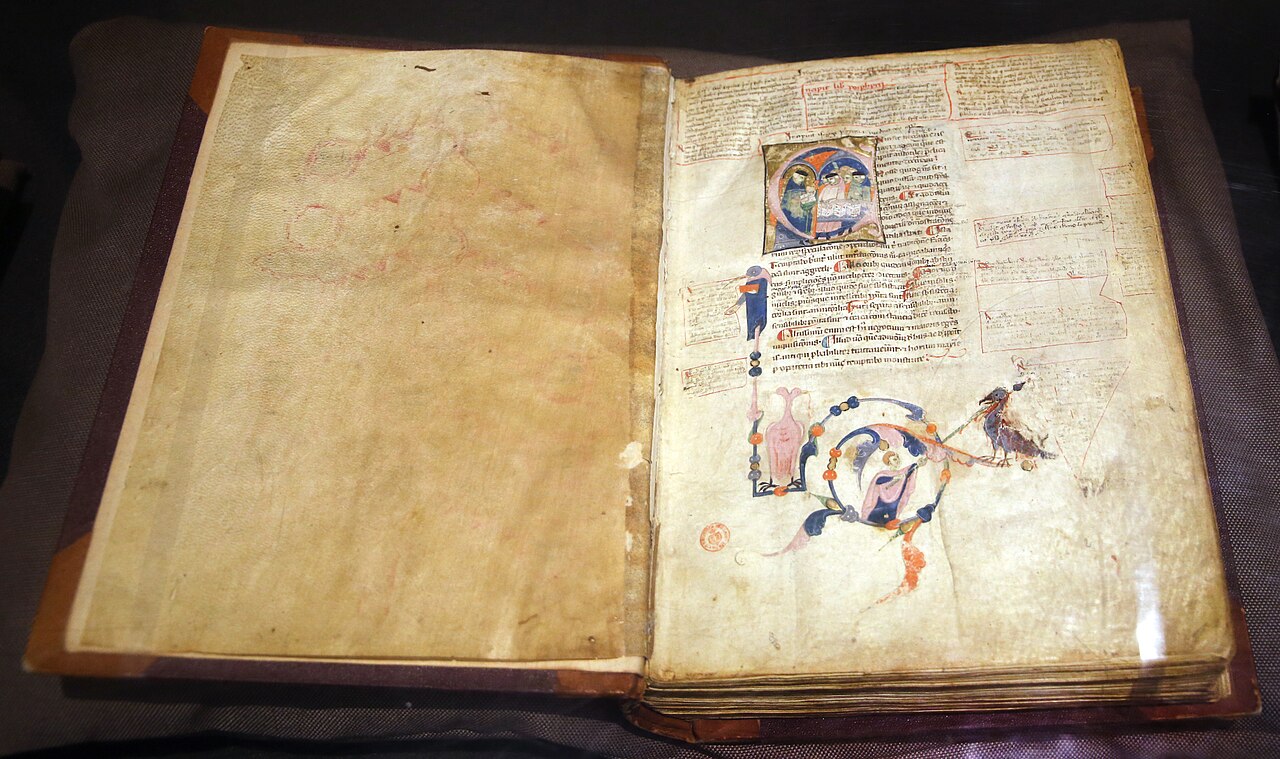
A 13th-century Arabic manuscript miniature showing Aristotle teaching, from an illustrated bestiary attributed to Jabril ibn Bukhtishu.
This medieval miniature depicts Aristotle as a revered teacher, showing his lasting reputation across cultures.
About this source
What it is
This miniature painting comes from an early 13th-century Arabic manuscript, possibly made in a monastery in Mesopotamia. It is part of the Kitab na't al-hayawan, a bestiary attributed to Jabril ibn Bukhtishu, and shows Aristotle teaching. The manuscript is held in the British Library.
Why it matters
The image shows how Aristotle was remembered and respected centuries after his death, especially in the Islamic world, where his works were studied, translated and illustrated. It shows the blending of Greek philosophical tradition with Islamic manuscript art.
Look closer
- What details in the painting (clothing, halo, posture) suggest how the artist wanted viewers to see Aristotle?
- Why might a bestiary — a book about animals — include an image of Aristotle teaching?
- What does this tell us about how ideas and figures travel across cultures and centuries?
This painting is part of the curated material that grounds the AI version of Aristotle on Humy.ai — when students ask about related events, the AI can quote it and cite it.
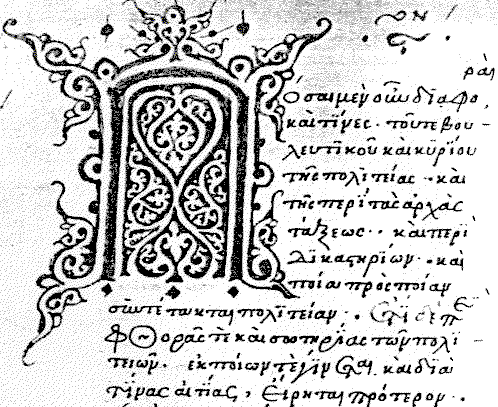
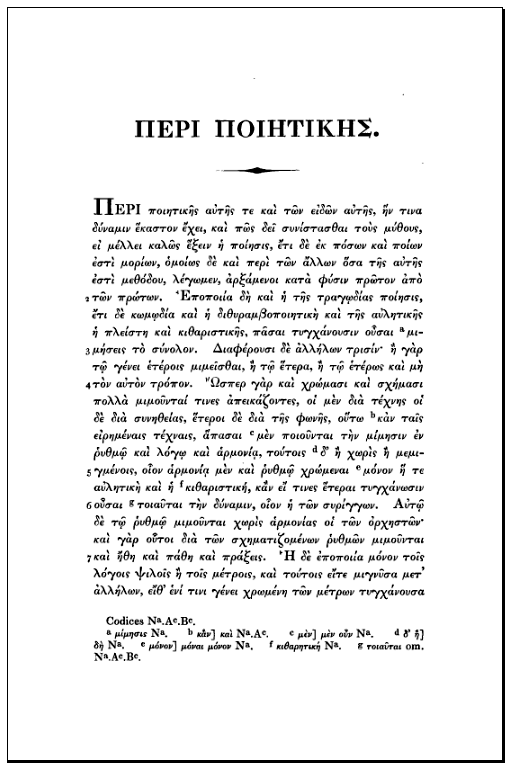
More Aristotle sources
Meet the AI Aristotle →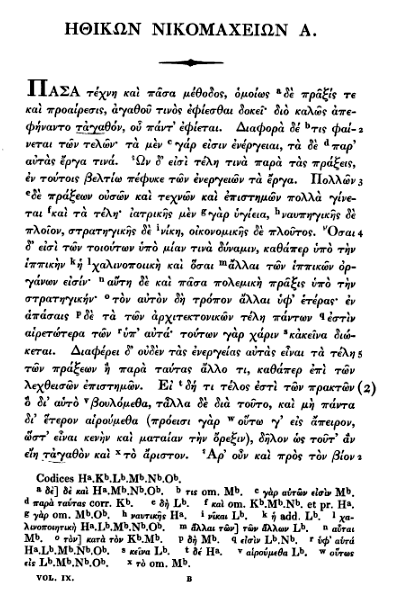

Ready when you are
Start chatting with Aristotle now.
20 messages free · No credit card · Available in 50+ languages.