


Secondary sourcePainting1653
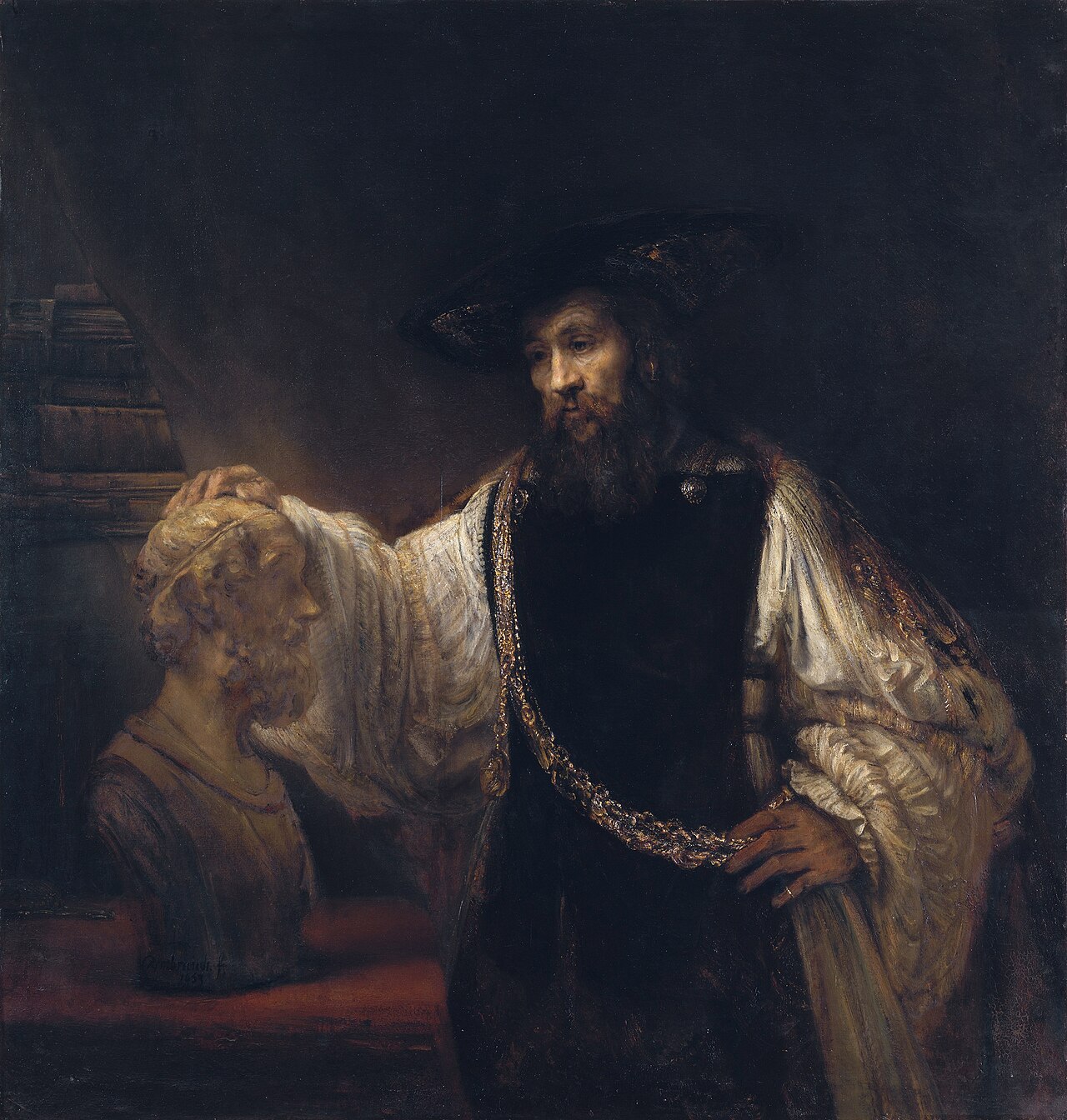
Aristotle with a Bust of Homer
Rembrandt · 1653
Rembrandt's 1653 painting of Aristotle contemplating a bust of Homer, wearing a gold chain linked to Alexander the Great.
A 17th-century imagining of Aristotle, wearing a chain tied to Alexander, meditating on Homer's legacy.
About this source
What it is
This oil painting by Rembrandt, made in 1653, shows a bearded man in rich dress resting his hand on a marble bust while standing among shelves of books. It was commissioned by the Sicilian nobleman Don Antonio Ruffo and is now in the Metropolitan Museum of Art in New York.
Why it matters
Scholars identified the man as Aristotle because of his long hair, beard, jewelled chain and the connection to Homer and Alexander the Great, who gave Aristotle the chain. The painting links three towering figures of Greek history and culture — the poet Homer, the philosopher Aristotle, and his pupil Alexander — and asks whether wisdom, fame, or poetry matters most. It became famous again in 1961 when the Met paid a record price for it.
Look closer
- Why do you think Rembrandt chose shadows to hide part of Aristotle's eyes?
- What do the two objects Aristotle touches — the bust and the chain — seem to represent?
- Why has the identity of the man in this painting been debated by historians?
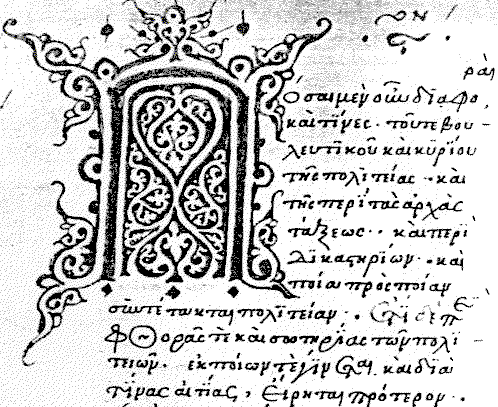
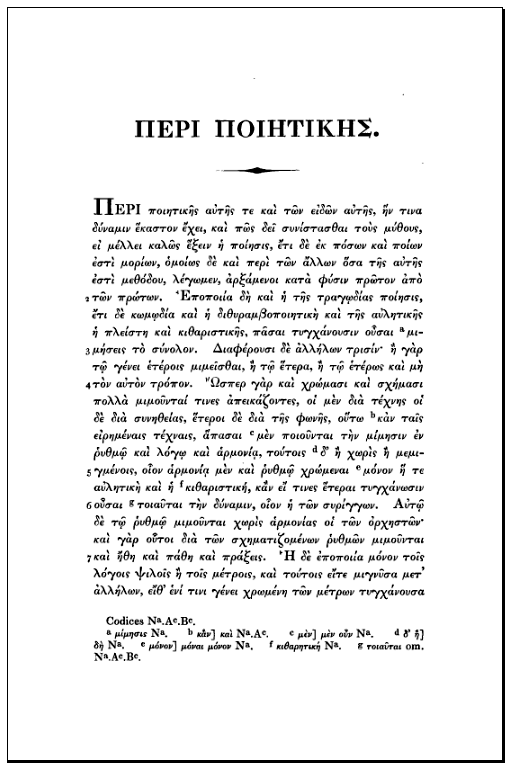
This painting is part of the curated material that grounds the AI version of Aristotle on Humy.ai — when students ask about related events, the AI can quote it and cite it.
More Aristotle sources
Meet the AI Aristotle →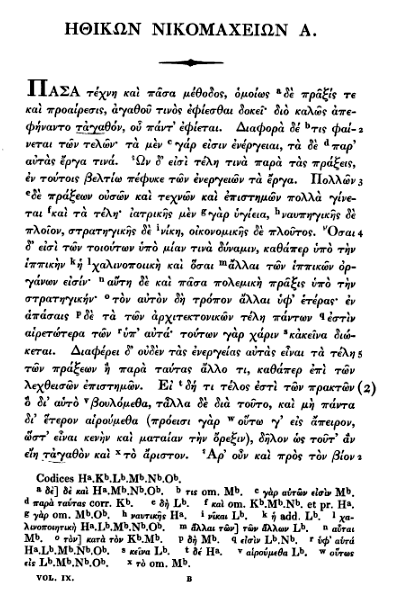

Ready when you are
Start chatting with Aristotle now.
20 messages free · No credit card · Available in 50+ languages.