


Primary sourceSculpture668-655 BCE
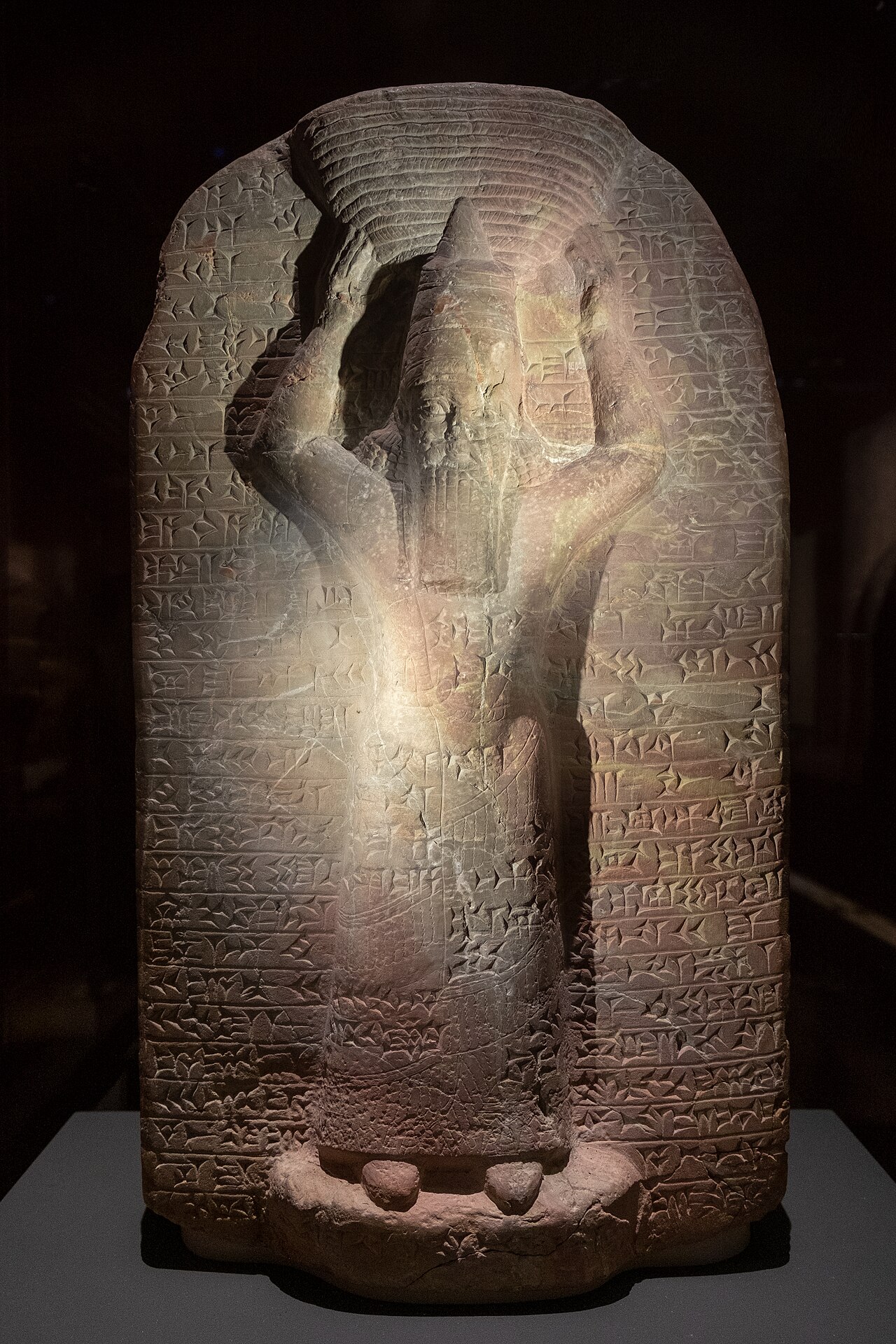
Ashurbanipal as Restorer of the Shrine of Ea
668-655 BCE
A carved stone stele from Babylon showing Ashurbanipal restoring the shrine of Ea in the temple of Marduk.
This stele depicts Ashurbanipal performing the restoration of a Babylonian shrine, showing his role as a religious builder-king.
About this source
What it is
This carved stone stele, made between 668 and 655 BCE, shows Ashurbanipal, king of Assyria, in the act of restoring a shrine of the god Ea inside the Marduk temple in Babylon. Cuneiform inscriptions cover both side panels. It is now held in the British Museum, London.
Why it matters
Ashurbanipal ruled Babylon as well as Assyria, and this stele is evidence of how he presented himself to Babylonians: not as a conqueror but as a pious restorer of their sacred buildings. It shows how Assyrian kings used religious works to strengthen their rule over subject cities.
Look closer
- Why would an Assyrian king want to be shown caring for a Babylonian god's shrine?
- What do the raised arms and headdress suggest about how the king wanted to be seen?
- What does the cuneiform text likely add that the image alone cannot show?
This sculpture is part of the curated material that grounds the AI version of Ashurbanipal on Humy.ai — when students ask about related events, the AI can quote it and cite it.
More Ashurbanipal sources
Meet the AI Ashurbanipal →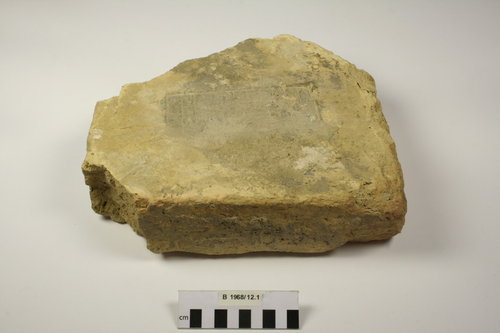 Artifact
Primary source
Baked Brick Naming King Ashurbanipal
7th century BCE
 Sculpture
Primary source
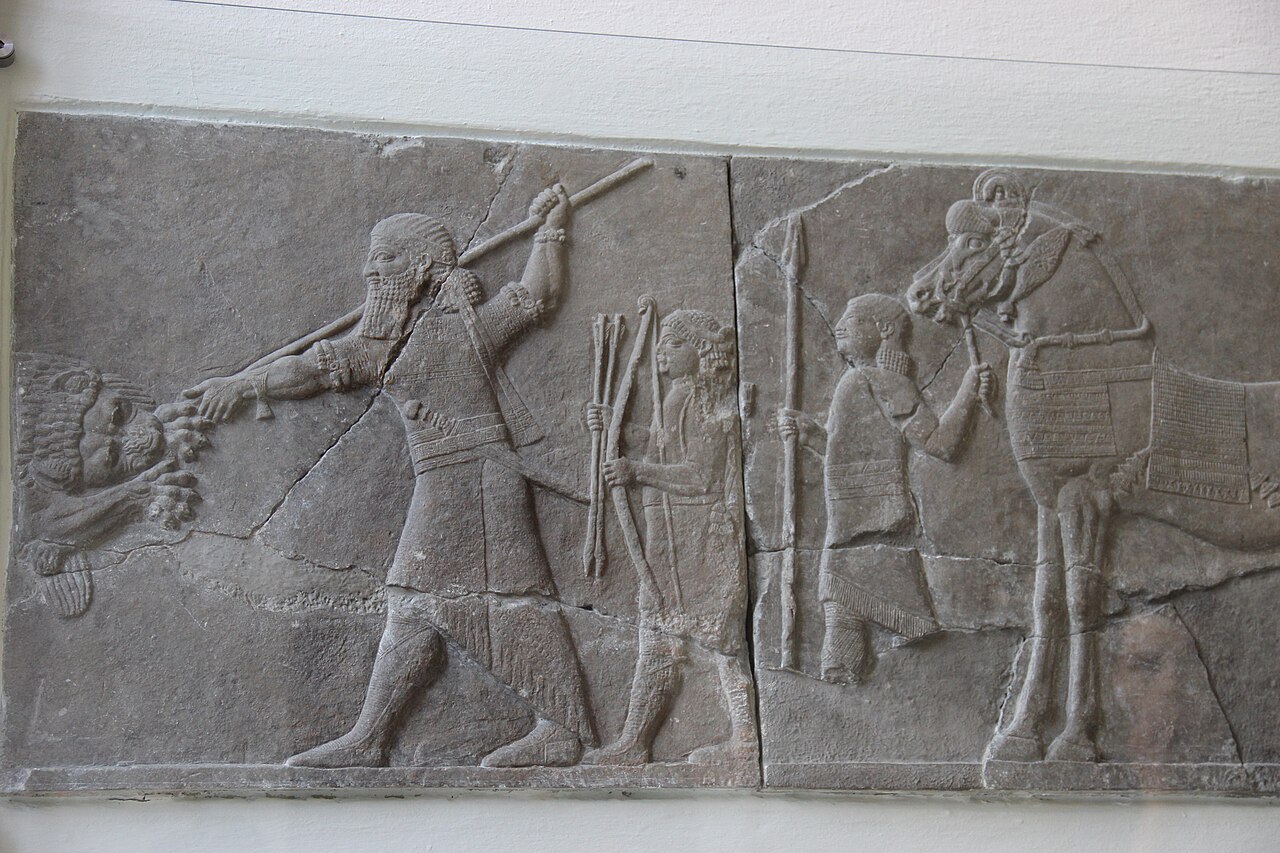
Lion Hunt of Ashurbanipal
Assyrian royal sculptors · c. 645–635 BCE
 Document
Primary source
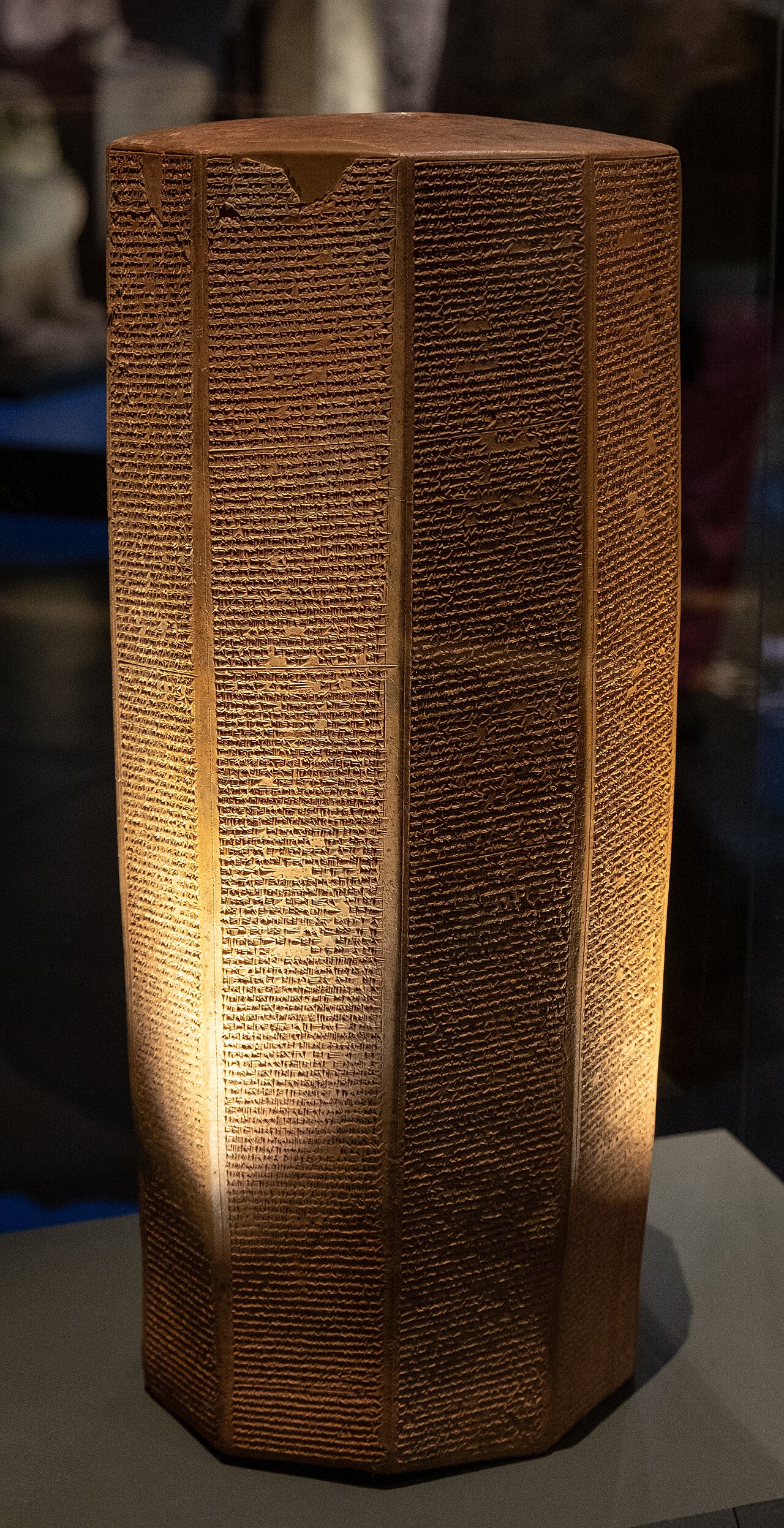
Rassam Prism of Ashurbanipal
643 BCE
 Painting
Secondary source
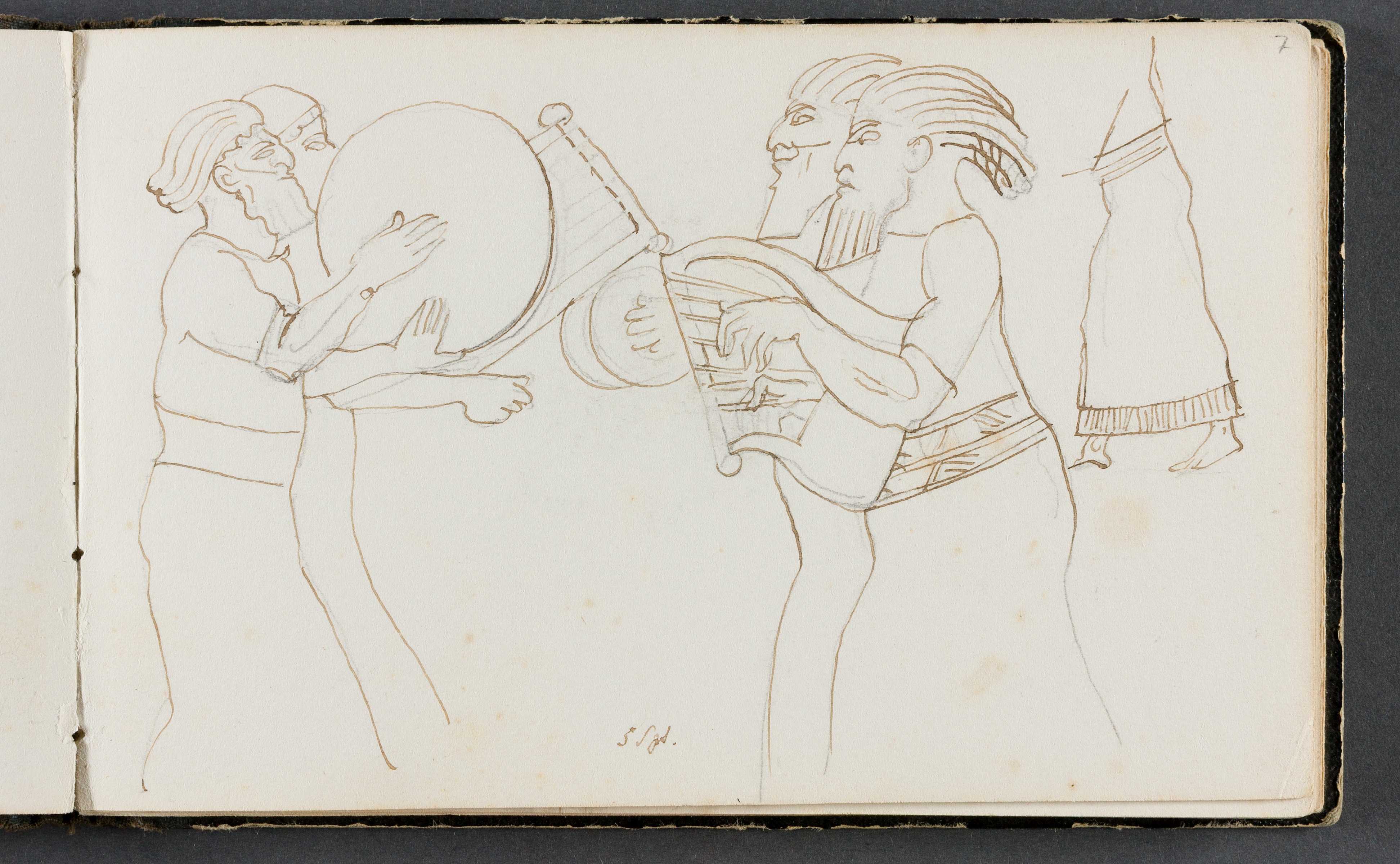
Relief with Musicians from the Palace of Ashurbanipal in Nineveh
 Document
Primary source
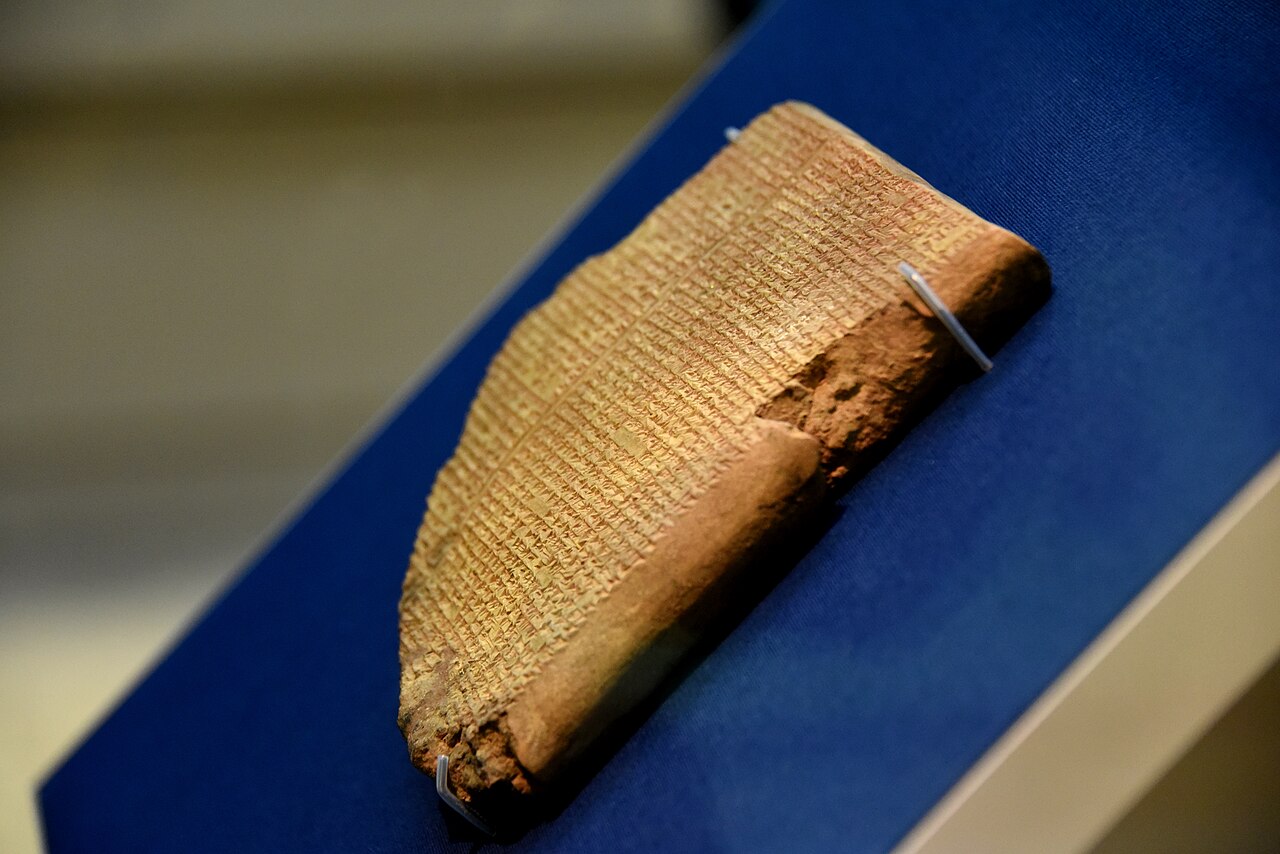
Flood Tablet
Scribes of Ashurbanipal's library · 7th century BCE
Ready when you are
Start chatting with Ashurbanipal now.
20 messages free · No credit card · Available in 50+ languages.