


Primary sourceSculpture645-635 BCE
Ashurbanipal Hunting Wild Asses
645-635 BCE
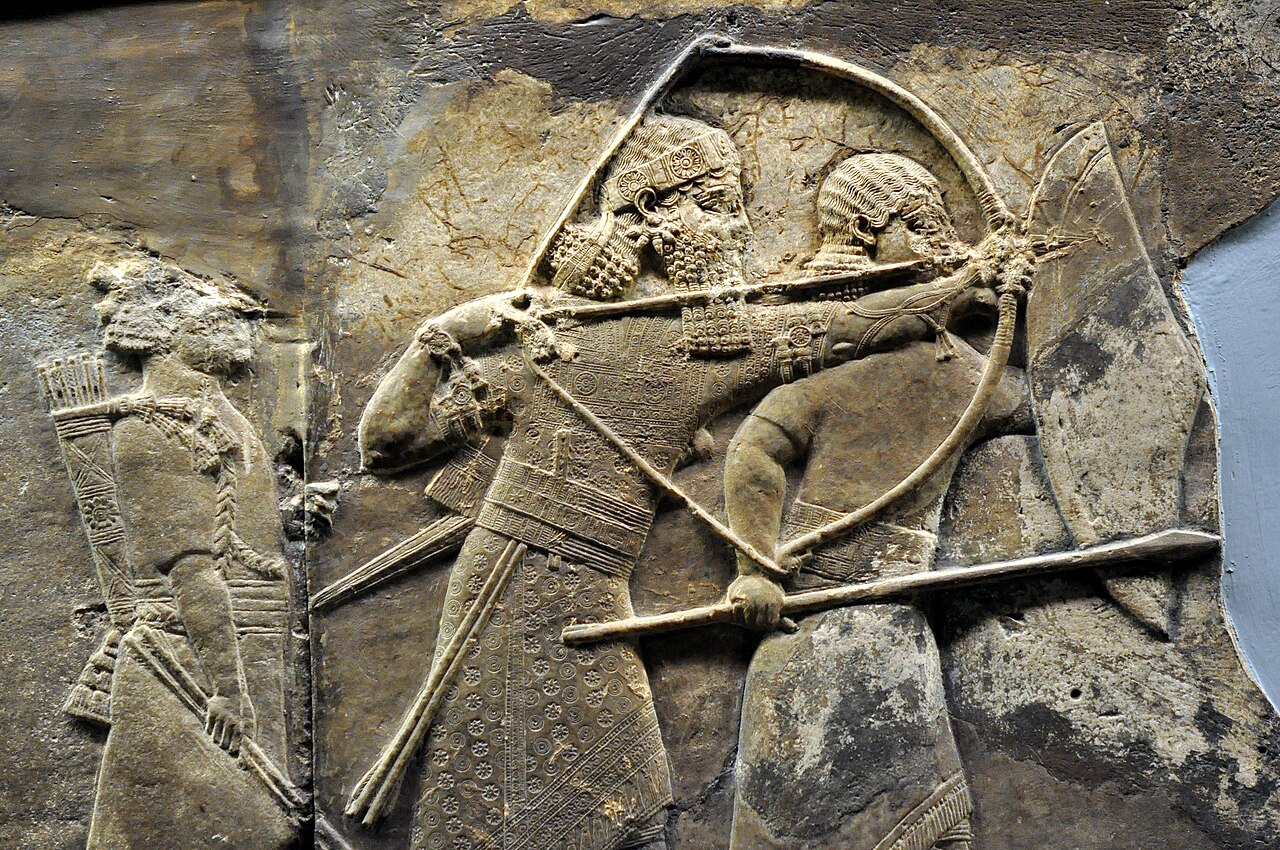
An alabaster relief from Nineveh, 645-635 BCE, showing Ashurbanipal shooting arrows while protected by a shield-bearer.
This relief shows Ashurbanipal hunting wild asses, protected by attendants, as part of his royal hunting imagery.
About this source
What it is
This alabaster bas-relief detail, dated 645 to 635 BCE, comes from Room S of the North Palace at Nineveh, Iraq. It shows Ashurbanipal drawing a bow to shoot arrows, with an attendant behind him holding a quiver and a shield-bearer protecting him in front. It is part of the lion-hunt scenes, now in the British Museum, London.
Why it matters
These hunting reliefs were a core part of how Ashurbanipal wanted to be remembered — as a strong and active king. The shield-bearer and attendant shown alongside him reveal the teamwork behind these carefully staged royal hunts.
Look closer
- Why might the artist include the shield-bearer protecting the king?
- What does this scene suggest about the risks, real or staged, of royal hunting?
- How does this relief compare with the lion-hunt scenes from the same palace?
This sculpture is part of the curated material that grounds the AI version of Ashurbanipal on Humy.ai — when students ask about related events, the AI can quote it and cite it.
More Ashurbanipal sources
Meet the AI Ashurbanipal →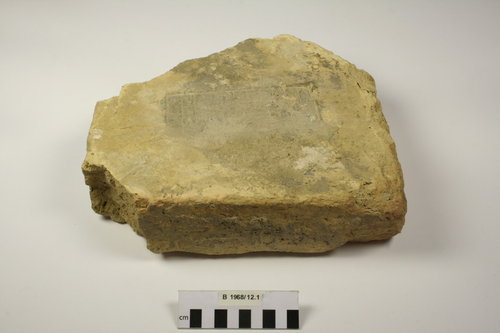 Artifact
Primary source
Baked Brick Naming King Ashurbanipal
7th century BCE
 Sculpture
Primary source
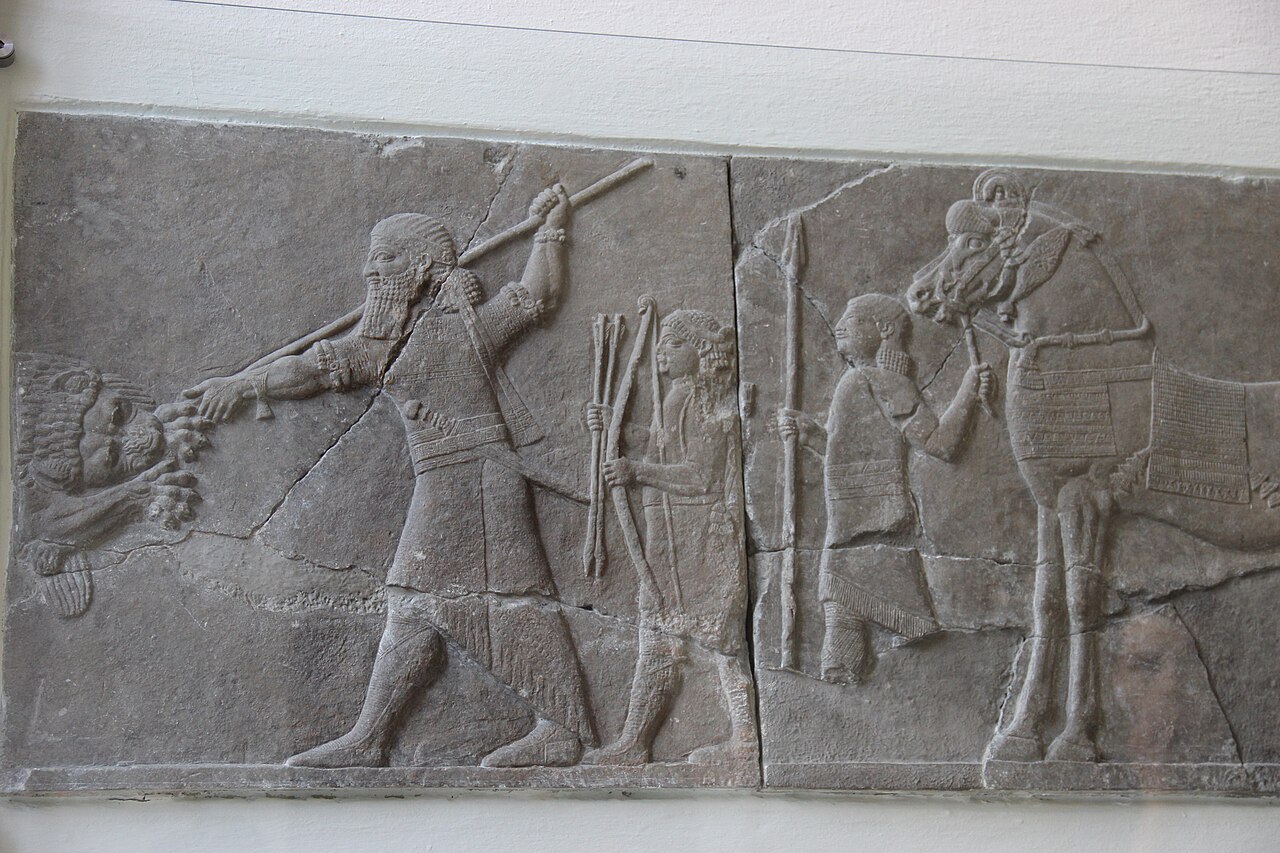
Lion Hunt of Ashurbanipal
Assyrian royal sculptors · c. 645–635 BCE
 Document
Primary source
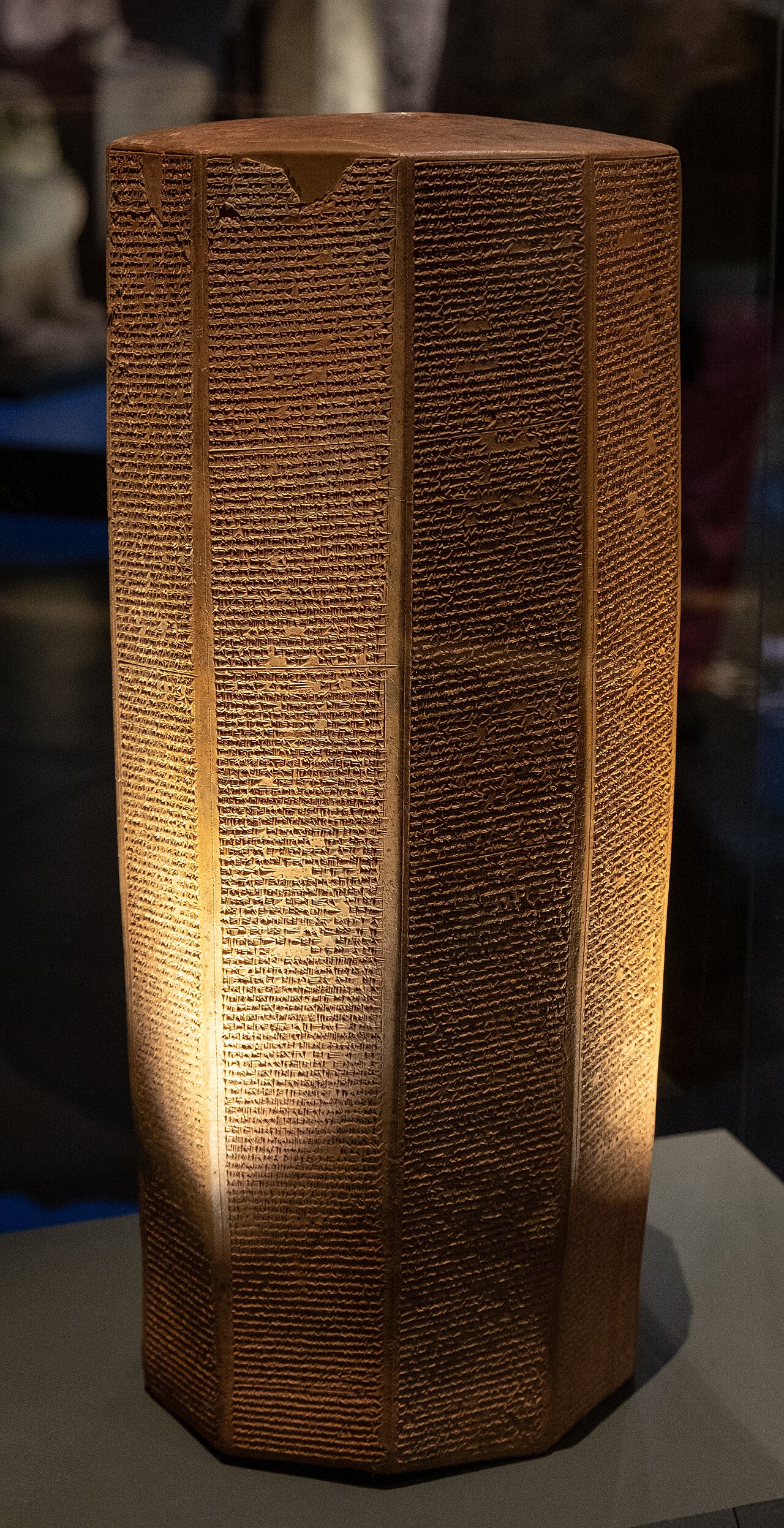
Rassam Prism of Ashurbanipal
643 BCE
 Painting
Secondary source
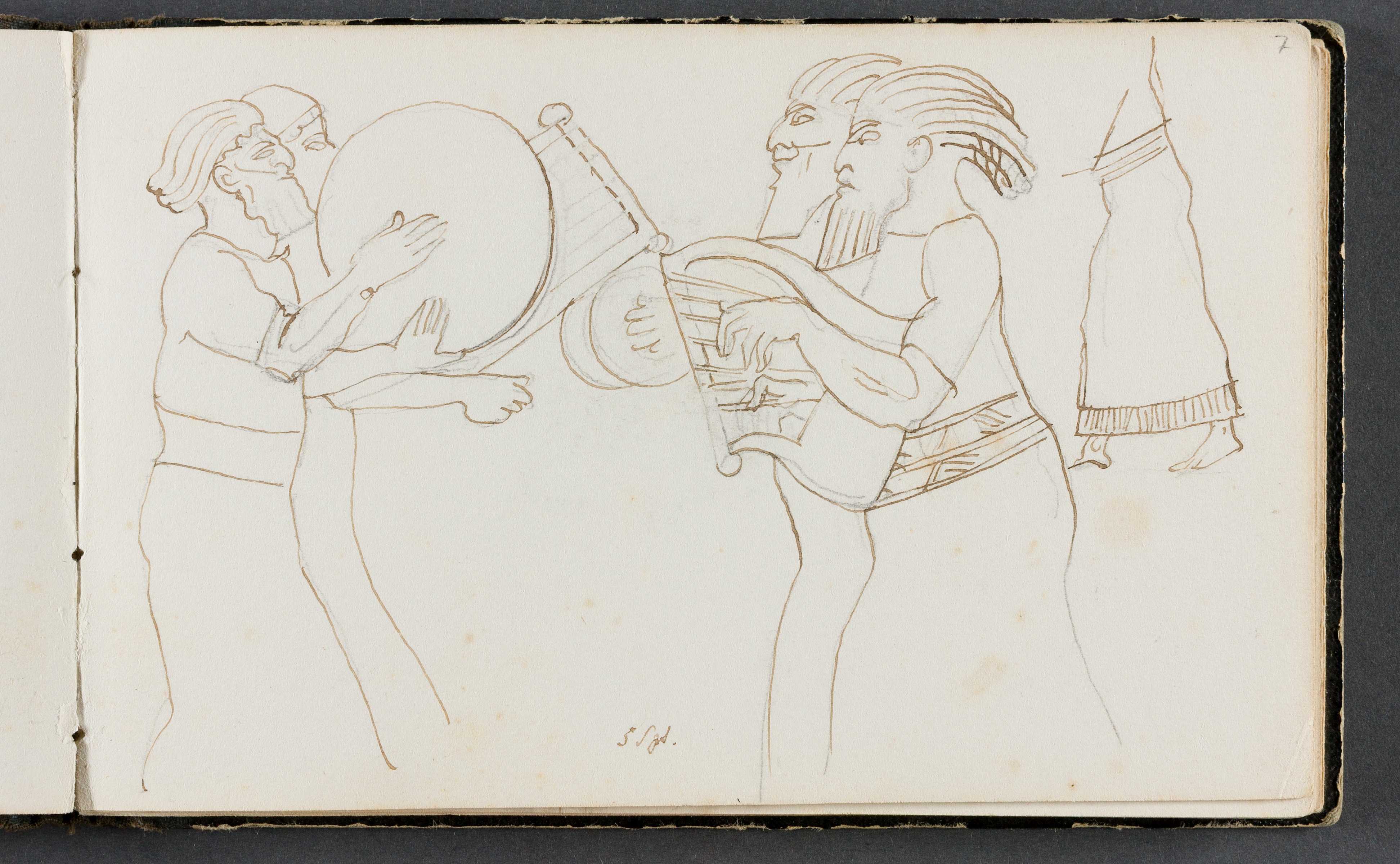
Relief with Musicians from the Palace of Ashurbanipal in Nineveh
 Document
Primary source
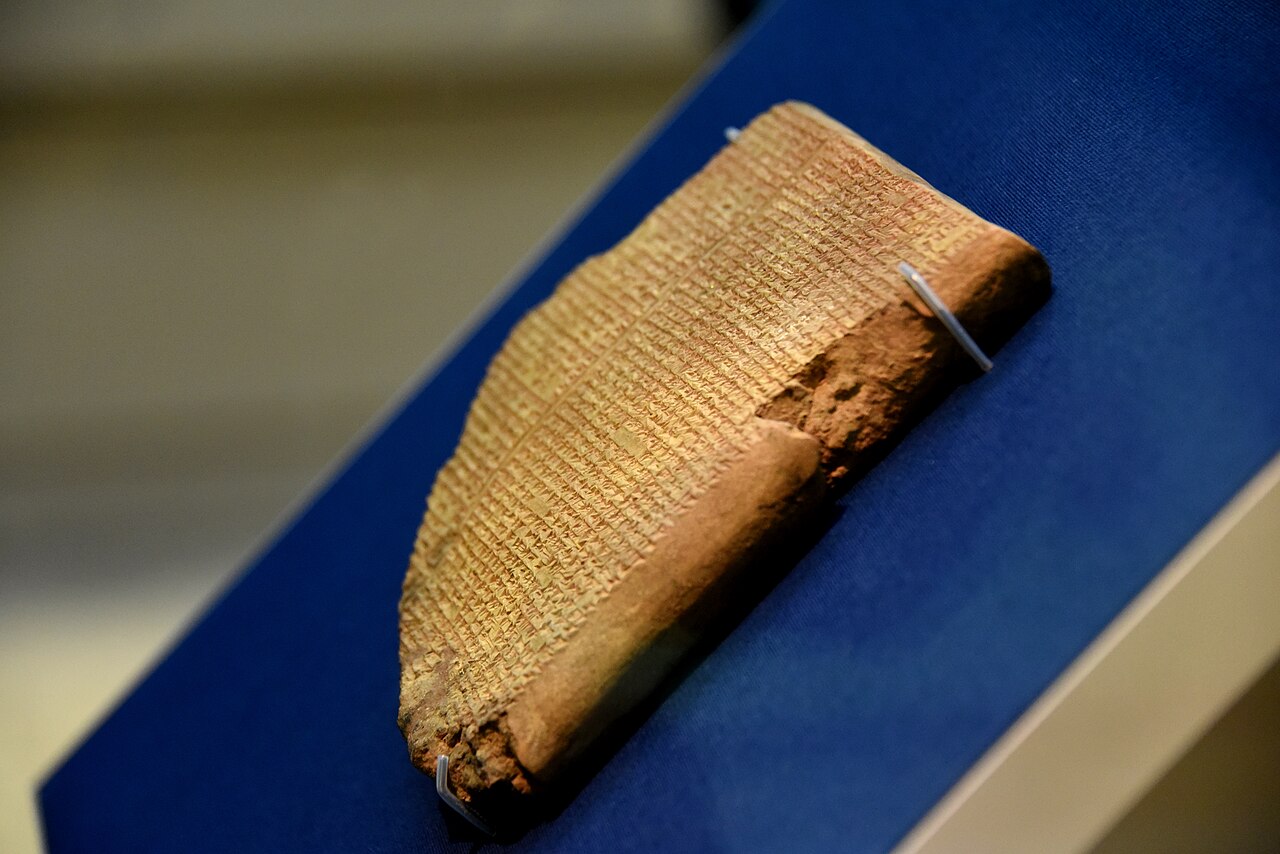
Flood Tablet
Scribes of Ashurbanipal's library · 7th century BCE
Ready when you are
Start chatting with Ashurbanipal now.
20 messages free · No credit card · Available in 50+ languages.