


Primary sourceSculpture645-640 BCE
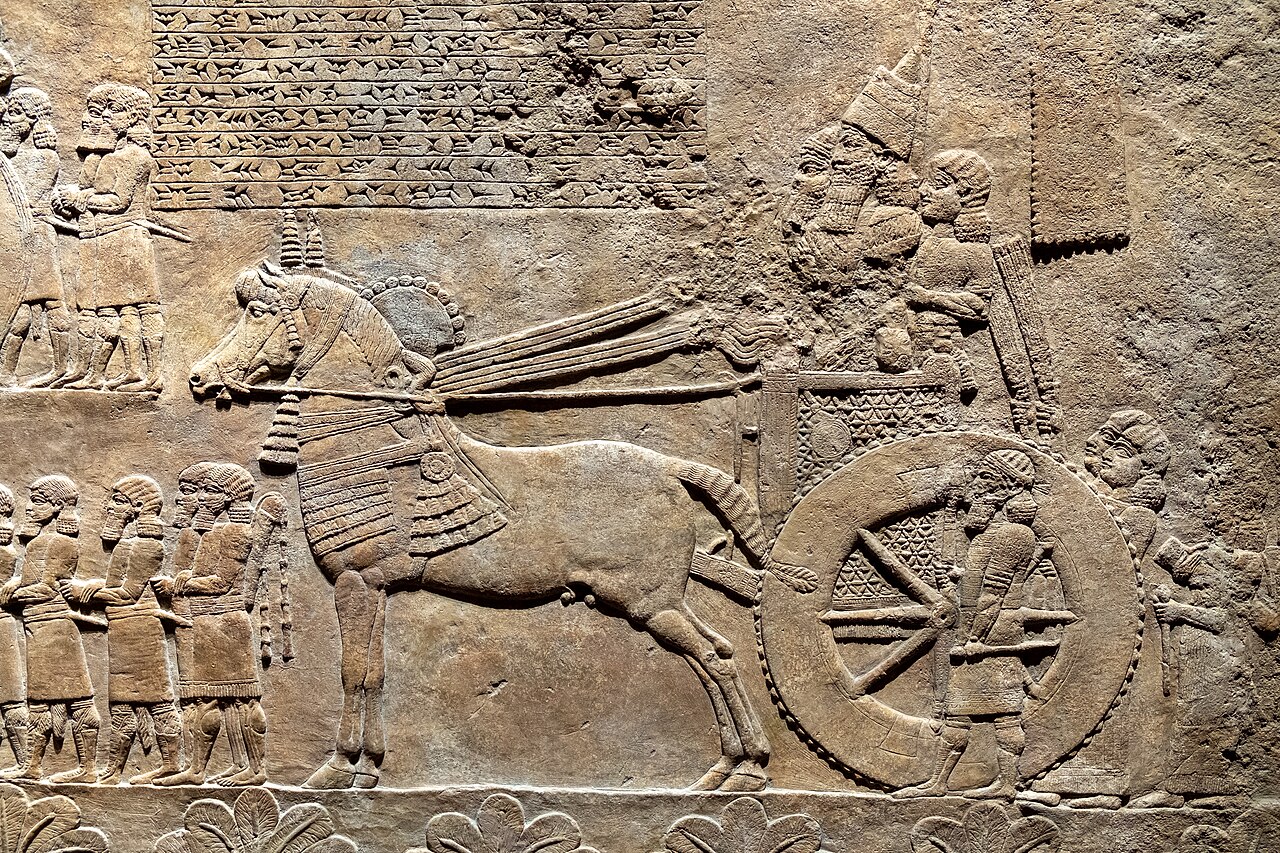
Ashurbanipal Inspects Booty and Prisoners from Babylon
645-640 BCE
A relief showing King Ashurbanipal receiving the spoils, people and officials of Babylon after defeating his brother Shamash-shum-ukin in a civil war.
The relief depicts Ashurbanipal personally receiving the spoils and captives of Babylon after defeating his brother.
About this source
What it is
This stone wall panel, dated 645-640 BCE and held at the British Museum, shows a chariot and rows of attendants, with a cuneiform inscription above describing the scene. The inscription says Ashurbanipal received the garments, officials, troops and vehicles of his "faithless brother" Shamash-shum-ukin after a long siege.
Why it matters
This relief documents the civil war between Ashurbanipal and his brother Shamash-shum-ukin, who ruled Babylon. The inscription, written in the king's own voice, reveals how Assyrian rulers used both image and text to present victory as divinely sanctioned and to humiliate a defeated rival.
Look closer
- Why does the inscription call Shamash-shum-ukin "faithless"?
- What does the list of goods and people taken tell you about what counted as victory?
- How does combining image and writing make the message stronger?
This sculpture is part of the curated material that grounds the AI version of Ashurbanipal on Humy.ai — when students ask about related events, the AI can quote it and cite it.
More Ashurbanipal sources
Meet the AI Ashurbanipal →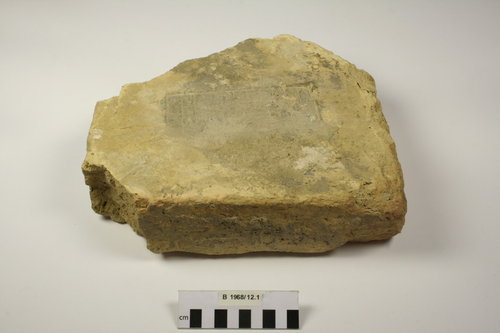 Artifact
Primary source
Baked Brick Naming King Ashurbanipal
7th century BCE
 Sculpture
Primary source
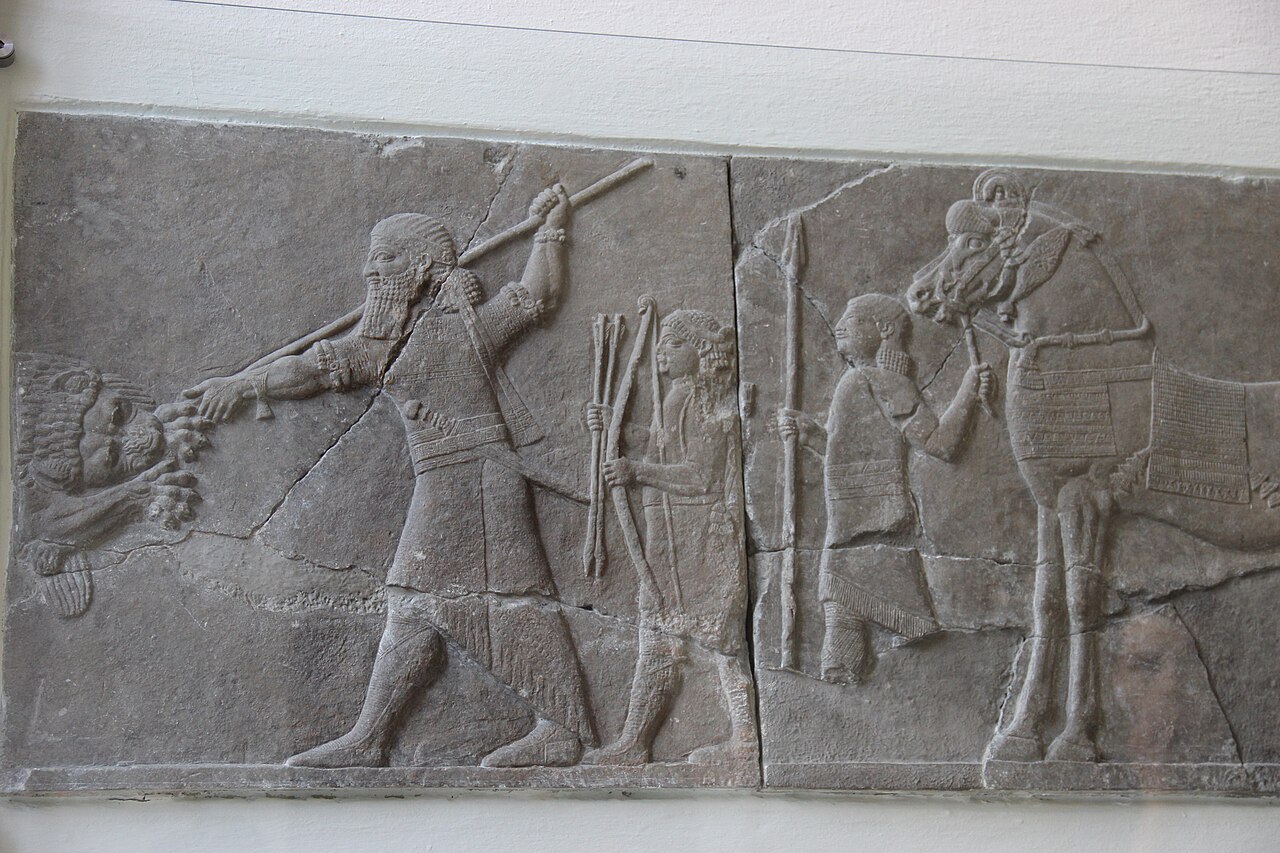
Lion Hunt of Ashurbanipal
Assyrian royal sculptors · c. 645–635 BCE
 Document
Primary source
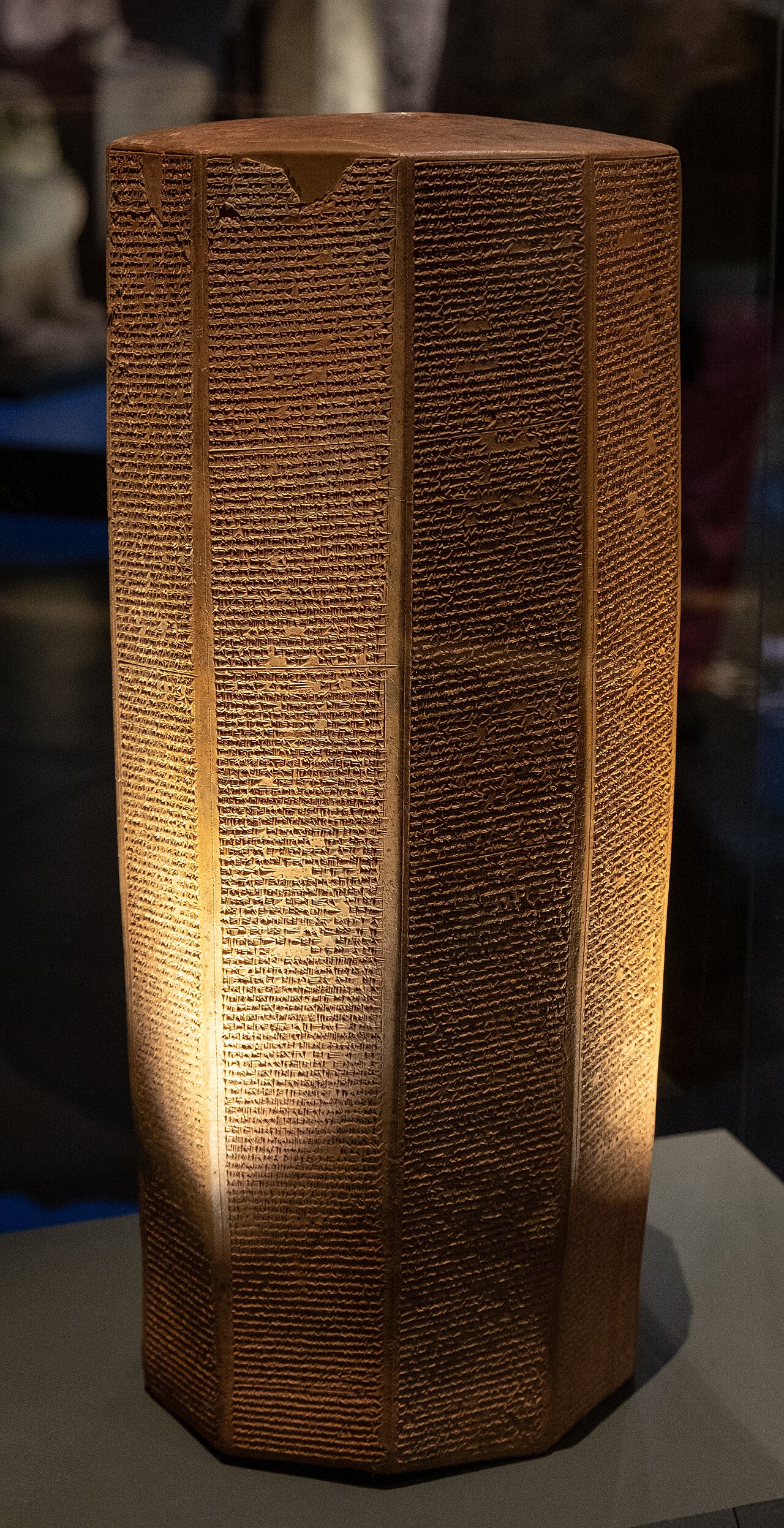
Rassam Prism of Ashurbanipal
643 BCE
 Painting
Secondary source
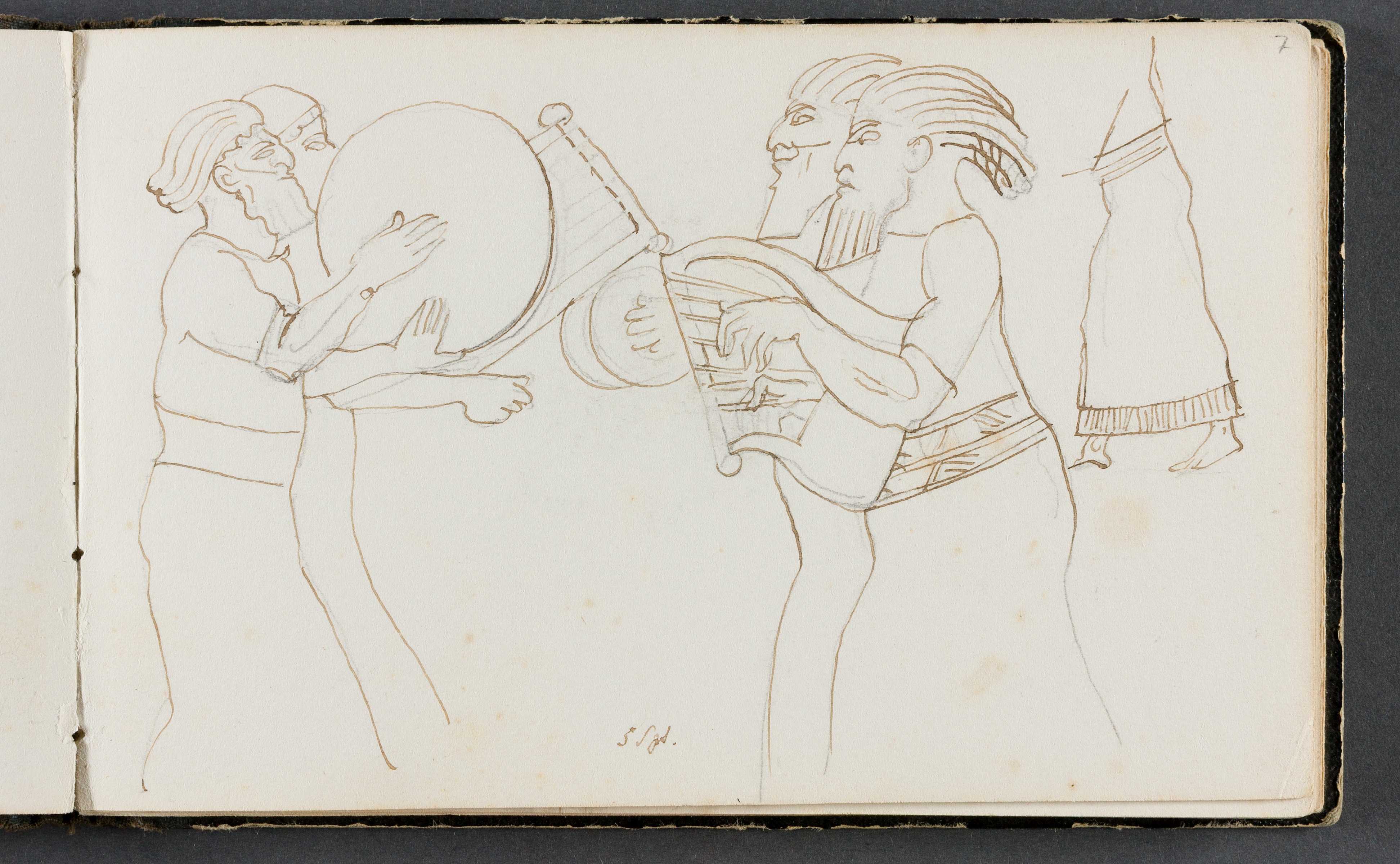
Relief with Musicians from the Palace of Ashurbanipal in Nineveh
 Document
Primary source
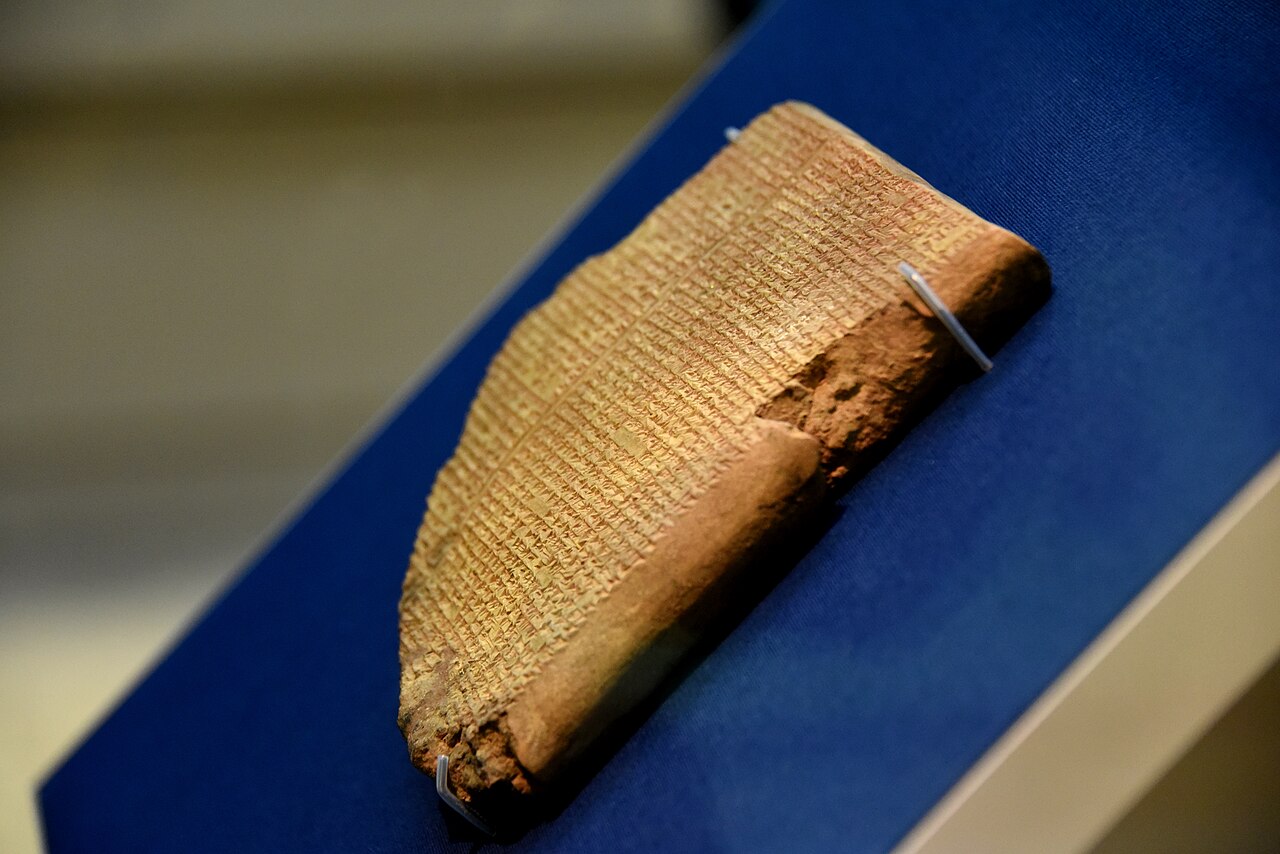
Flood Tablet
Scribes of Ashurbanipal's library · 7th century BCE
Ready when you are
Start chatting with Ashurbanipal now.
20 messages free · No credit card · Available in 50+ languages.