


Primary sourceSculpturec. AD 14
Augustus Bevilacqua
Unknown Roman sculptor · c. AD 14
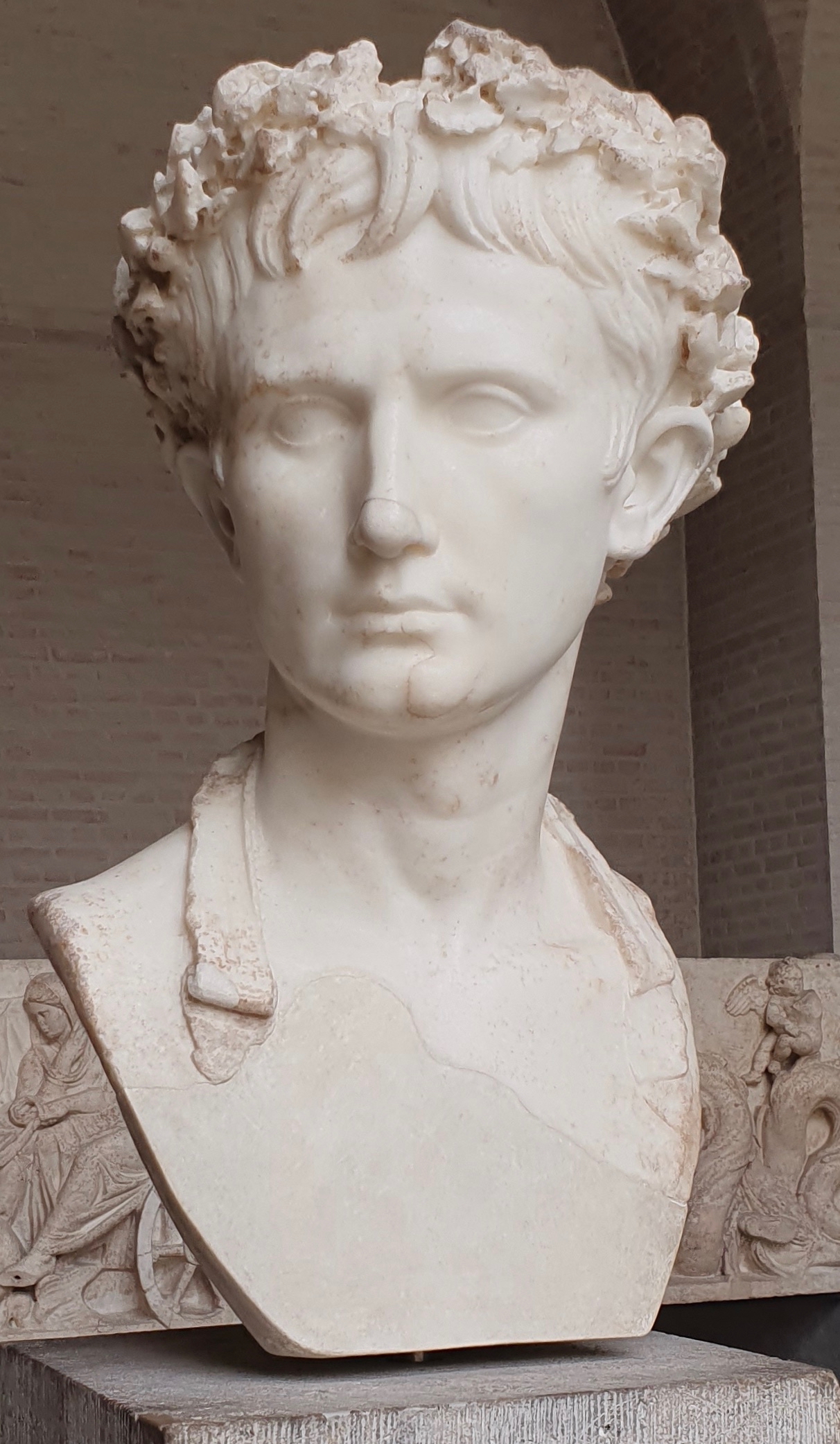
A finely preserved marble portrait head of Augustus wearing the corona civica, showing the idealised official image the emperor used throughout his reign.
A finely preserved portrait of Augustus himself, showing the idealised official image he used in his lifetime.
About this source
What it is
This marble portrait head of Augustus, made by an unknown Roman sculptor, is now held in the Glyptothek in Munich. It shows the emperor wearing the corona civica, a civic crown awarded for saving the life of a Roman citizen, which became part of Augustus's official imagery.
Why it matters
Roman emperors carefully controlled how they were portrayed, and this portrait reflects the idealised, ageless face that Augustus used throughout decades of official sculpture, regardless of how old he actually was. Comparisons have been drawn between this head and portraits of his successors, including Tiberius, showing how later Julio-Claudian emperors echoed Augustus's visual style to claim continuity with him.
Look closer
- Why might an emperor want to always look youthful in his official portraits, even as he aged?
- What does the corona civica symbolize, and why would Augustus want to be shown wearing it?
- How do later portraits of other emperors compare to this one, and what might that similarity be meant to suggest?
This sculpture is part of the curated material that grounds the AI version of Augustus on Humy.ai — when students ask about related events, the AI can quote it and cite it.
More Augustus sources
Meet the AI Augustus →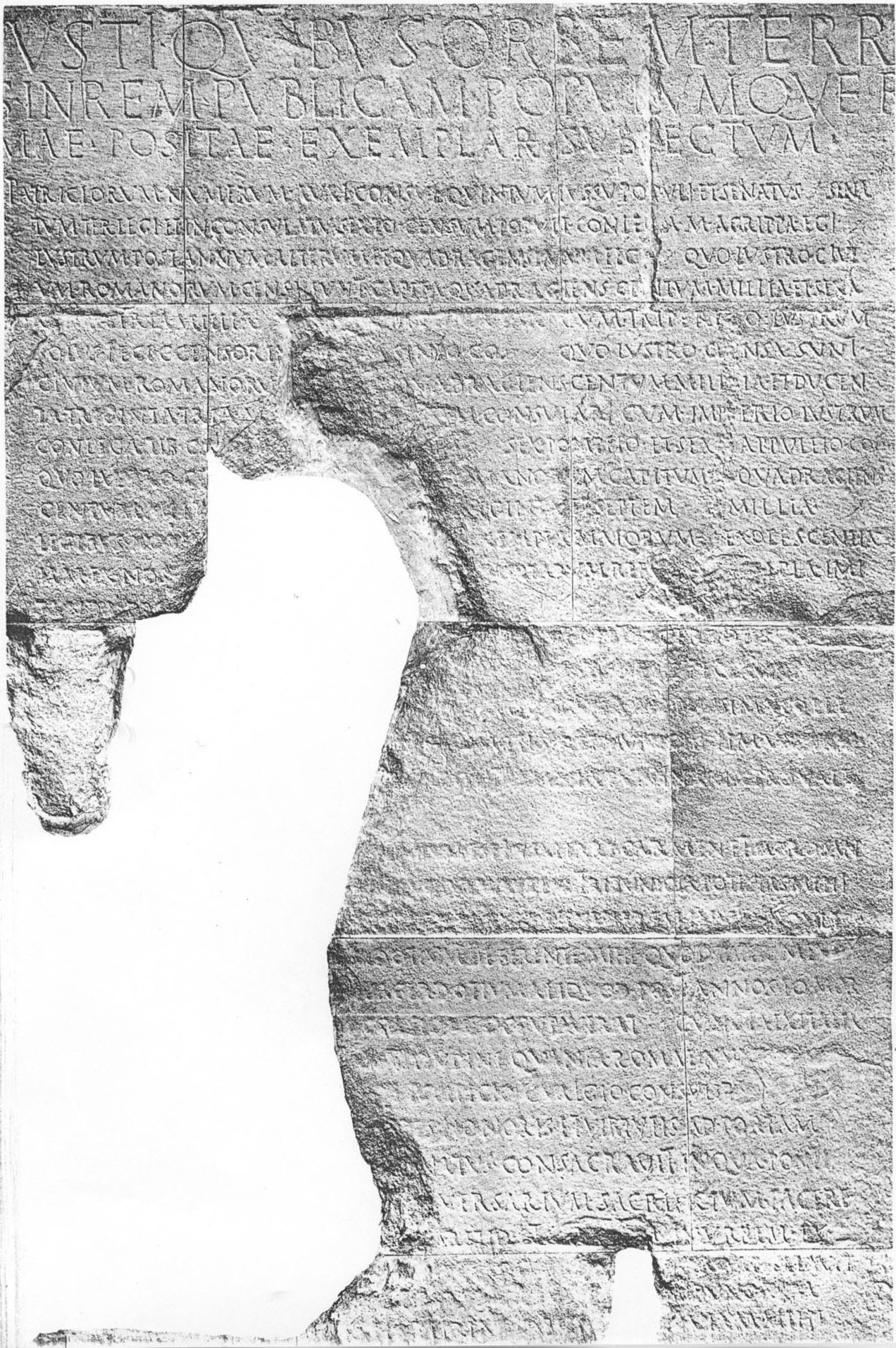 Document
Primary source
Res Gestae Divi Augusti
Augustus · 14 AD
 Painting
Secondary source
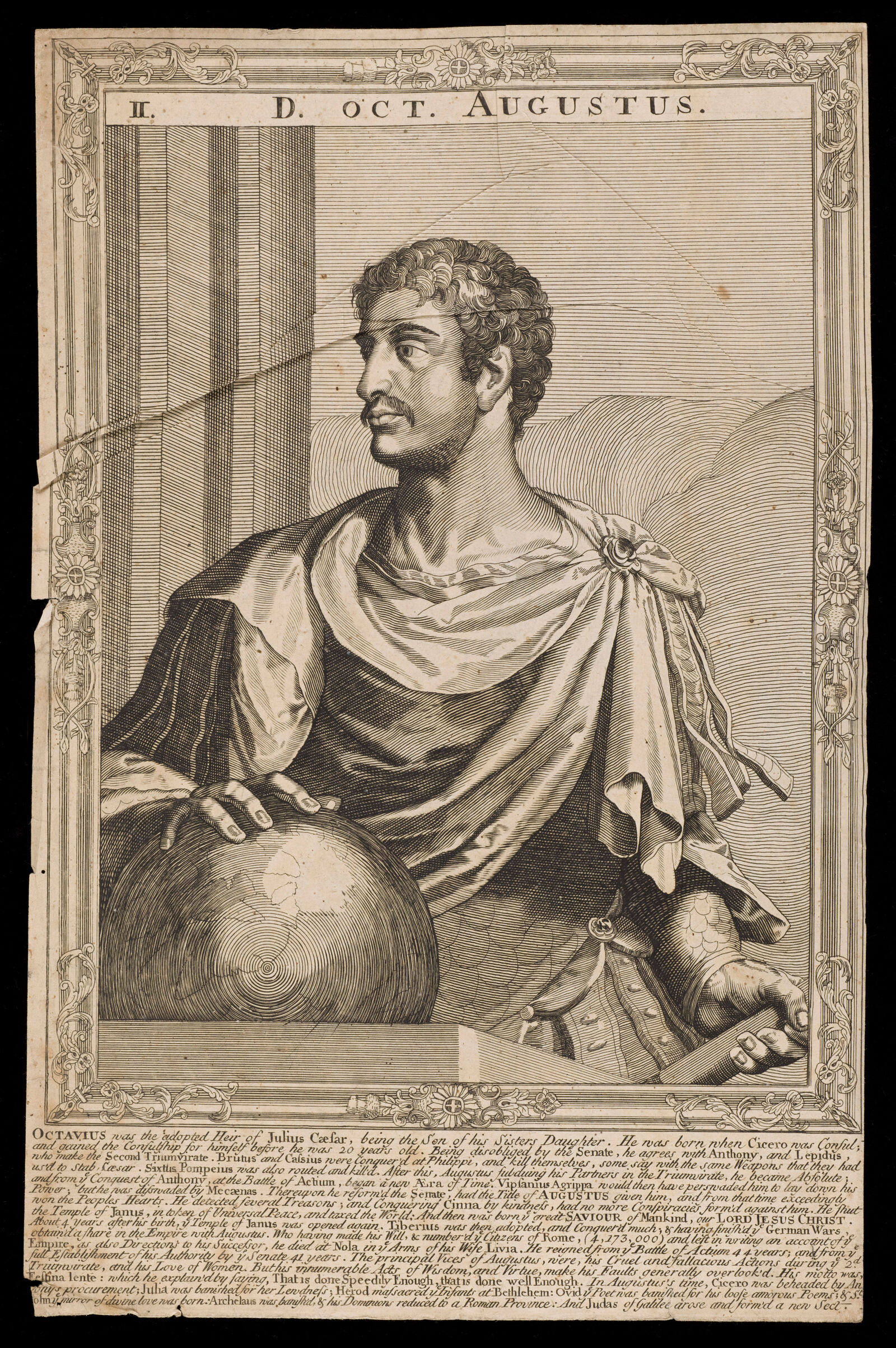
Emperor Augustus with Globe
After Titian (engraving by A. Sadeler, after Titian) · between 1700 and 1799 (possibly 17th century)
 Sculpture
Primary source
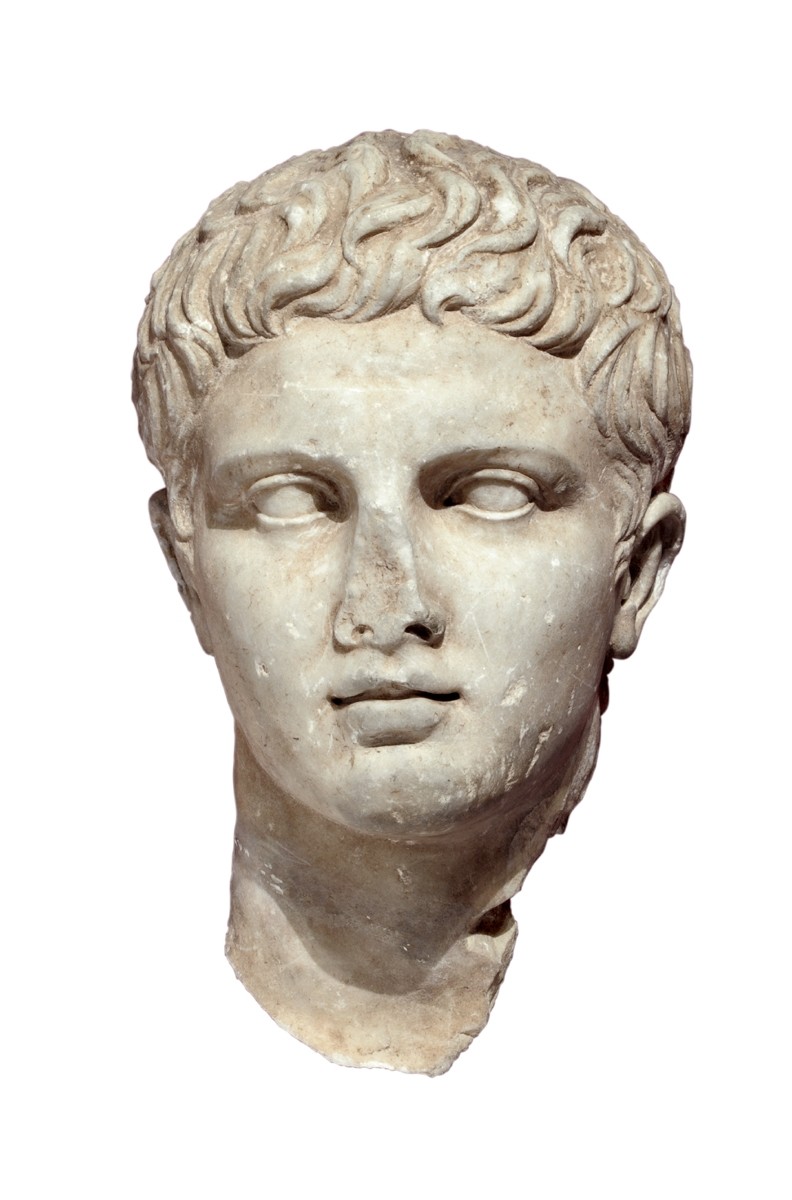
Relief Head of the Young Augustus
 Sculpture
Secondary source
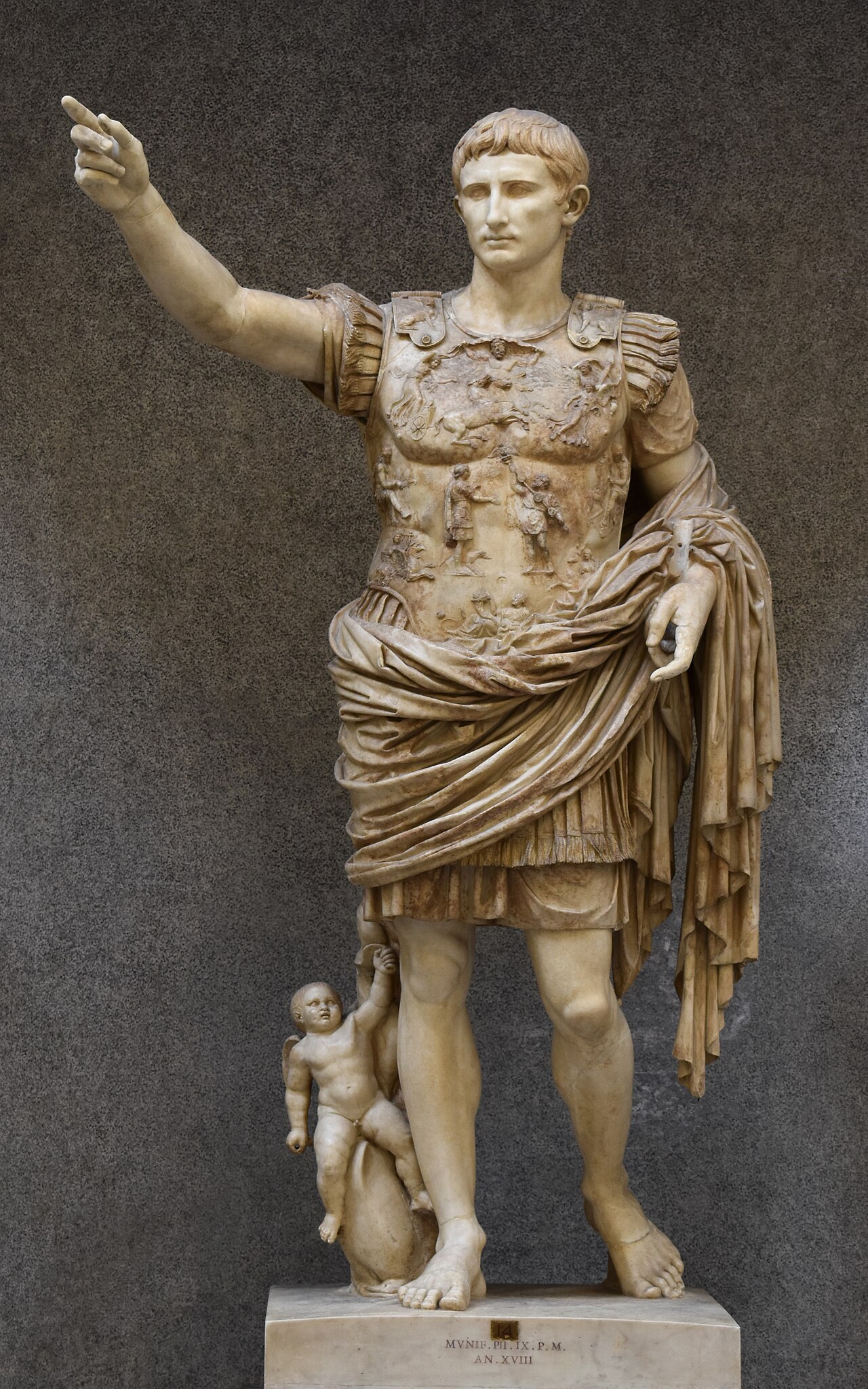
Augustus of Prima Porta
c. 19 BCE or later
 Artifact
Primary source
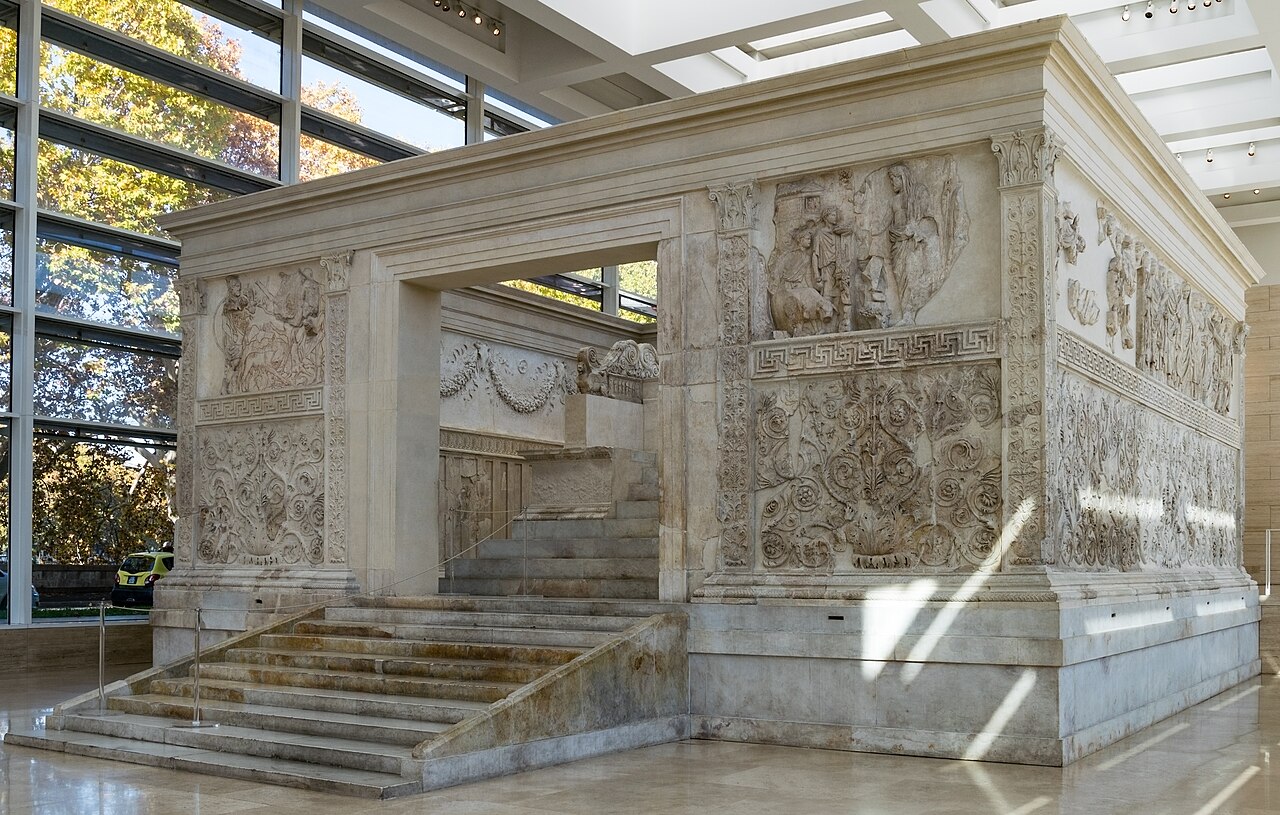
Ara Pacis
13-9 BCE
Ready when you are
Start chatting with Augustus now.
20 messages free · No credit card · Available in 50+ languages.