


Secondary sourcePhotographc. 100 BCE (relief); photograph 19th century
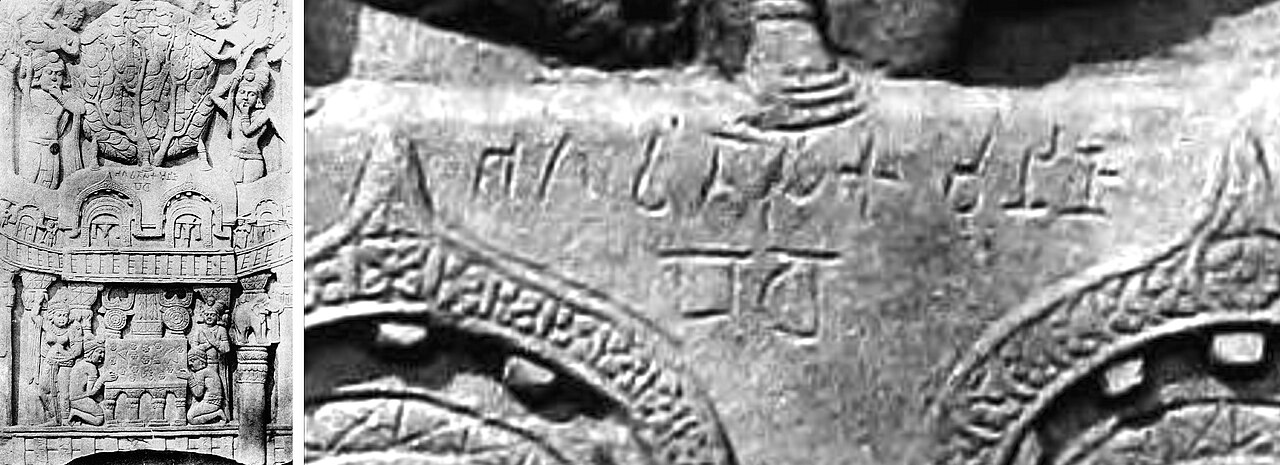
Bhagavato Sakamunino Bodho Inscription at Bharhut
Alexander Cunningham (photographer) · c. 100 BCE (relief); photograph 19th century
A carved relief label from Bharhut reading 'the illumination of the Blessed Sakamuni', showing the Buddha's awakening without depicting him as a human figure.
This relief depicts the Buddha's awakening symbolically, labelling the empty throne as his illumination.
About this source
What it is
This is a stone relief from Bharhut, dated to around 100 BCE, photographed by Alexander Cunningham. It bears a Brahmi inscription reading 'the illumination of the Blessed Sakamuni' above a carved scene showing the empty throne of awakening at the early Mahabodhi Temple at Bodh Gaya.
Why it matters
This relief is important evidence for how early Buddhists chose to represent the Buddha's awakening without showing him in human form, using symbols like the empty throne instead. It shows an earlier stage of Buddhist art than images like the Bimaran casket, which did show him as a person.
Look closer
- Why might early artists have avoided showing the Buddha's body directly?
- What does the empty throne suggest to someone who already knows the story?
- How does this way of depicting him compare with the later human images of the Buddha?
This photograph is part of the curated material that grounds the AI version of Buddha on Humy.ai — when students ask about related events, the AI can quote it and cite it.
More Buddha sources
Meet the AI Buddha →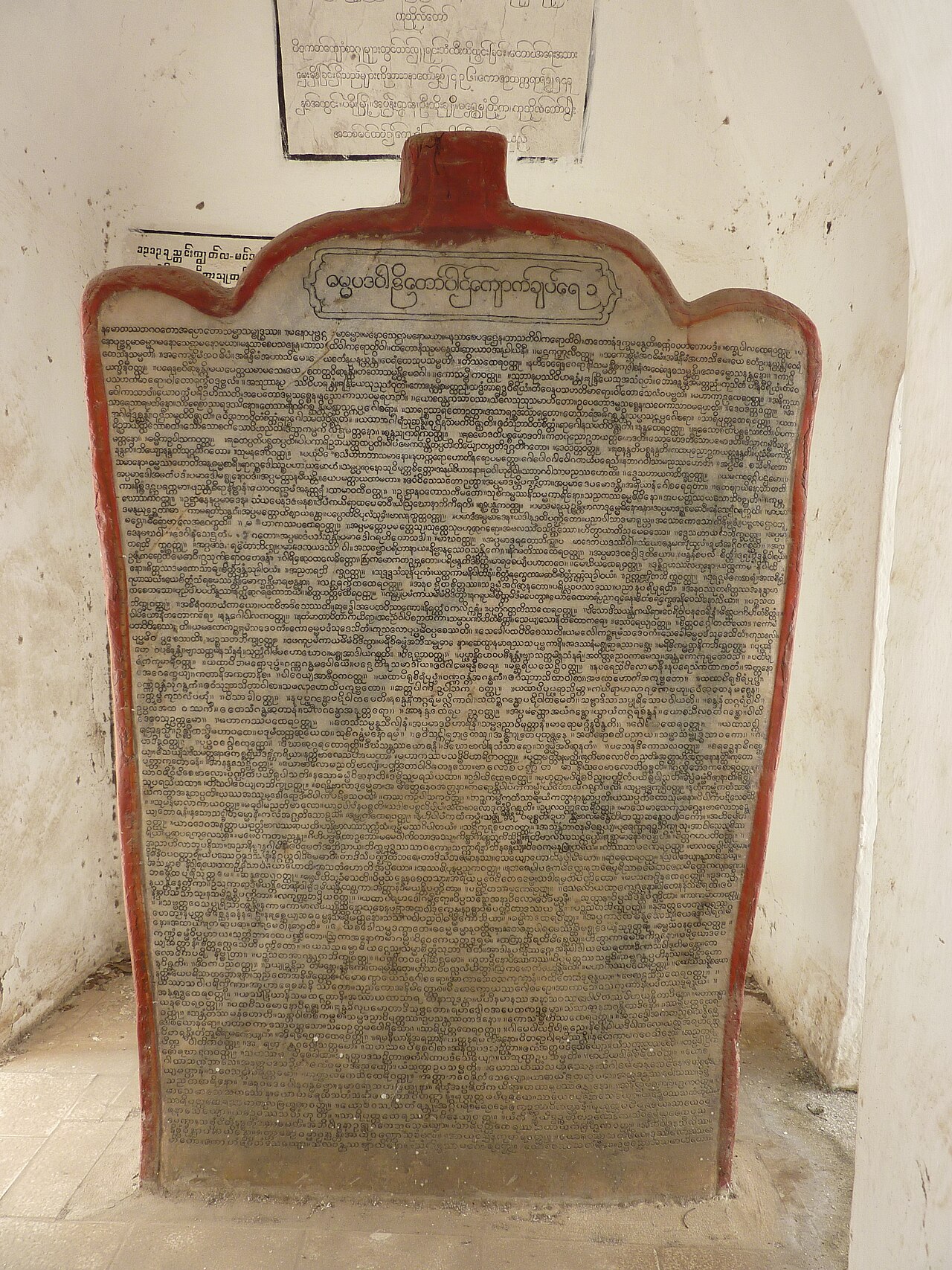 Book
Secondary source
Dhammapada
Attributed to the Buddha · c. 3rd century BCE compilation
 Painting
Secondary source
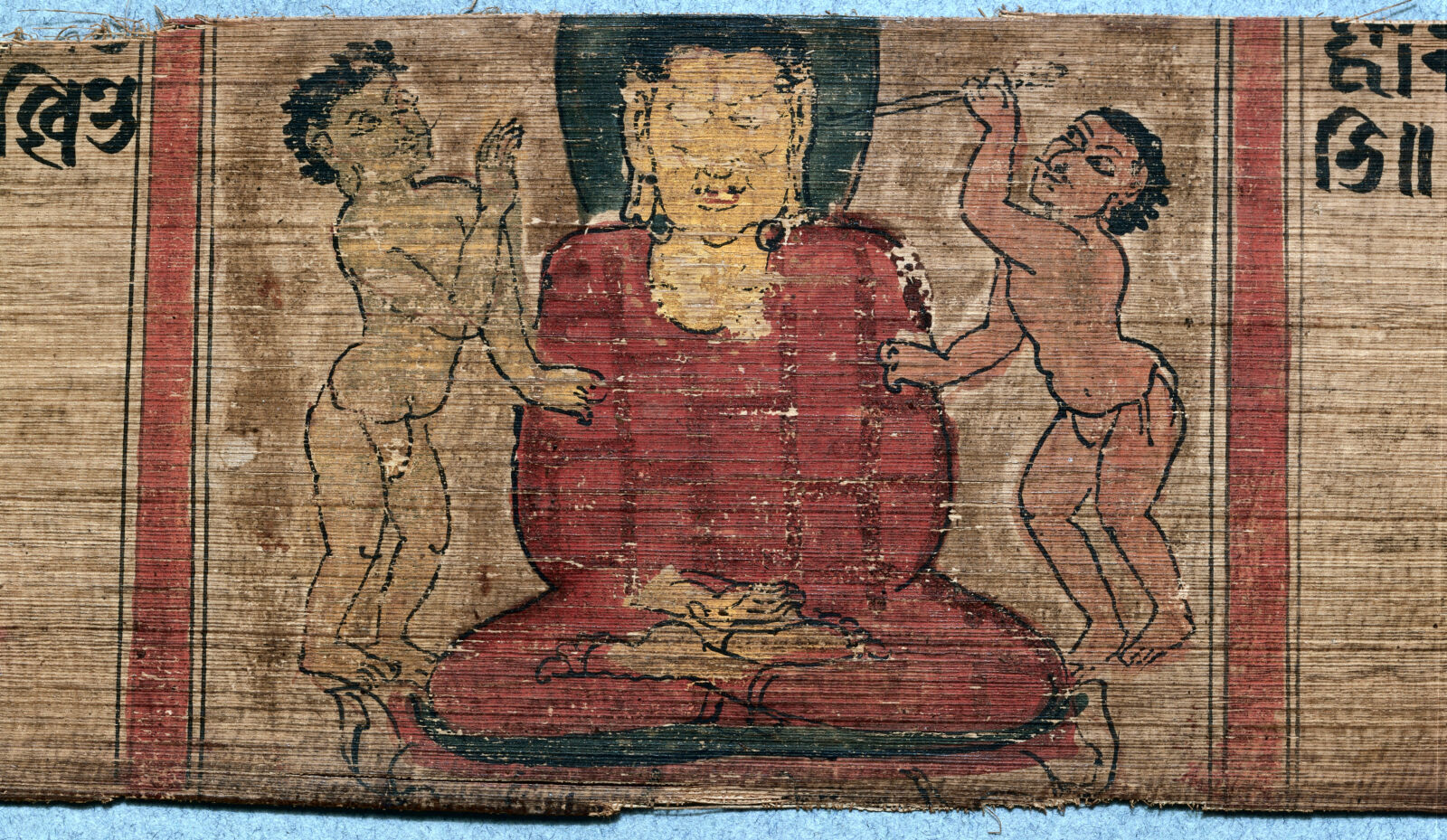
Buddha in Dhyana, Perfection of Wisdom Sutra Manuscript
1074
 Sculpture
Secondary source
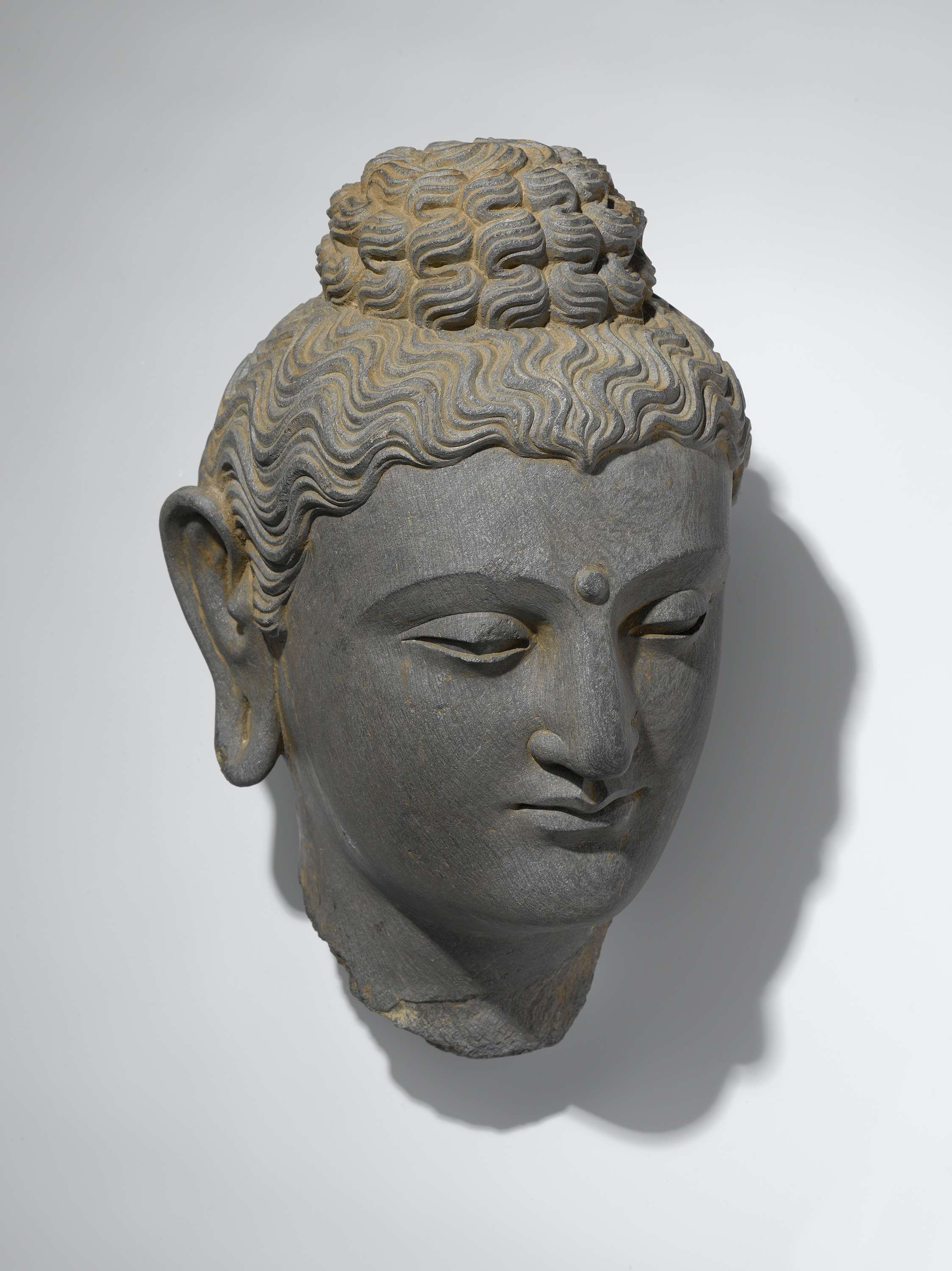
Head of the Buddha, Gandhara style
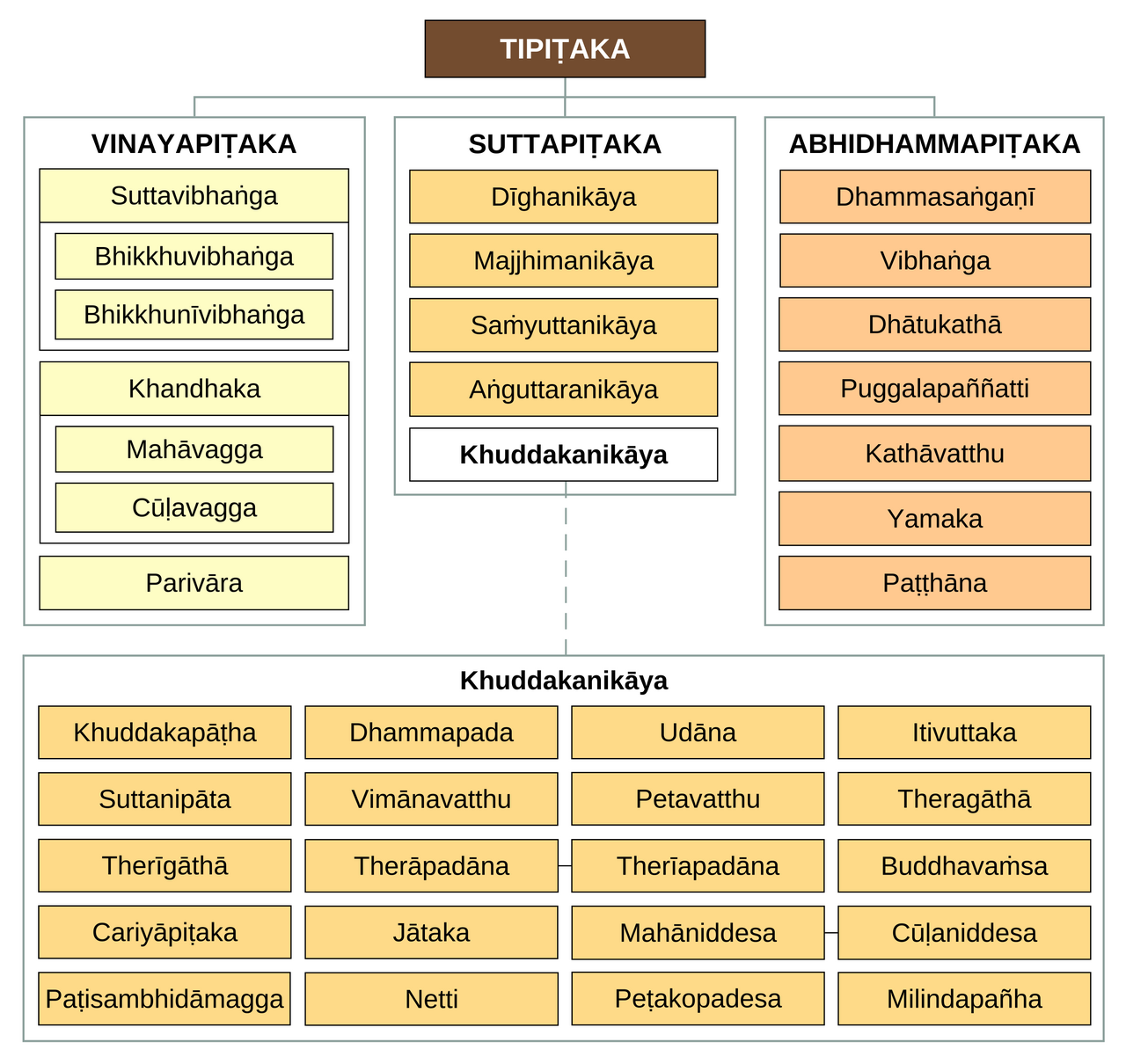 Book
Secondary source
Pali Canon (Tipitaka)
Early Buddhist sangha · oral from 5th century BCE; written c. 29 BCE
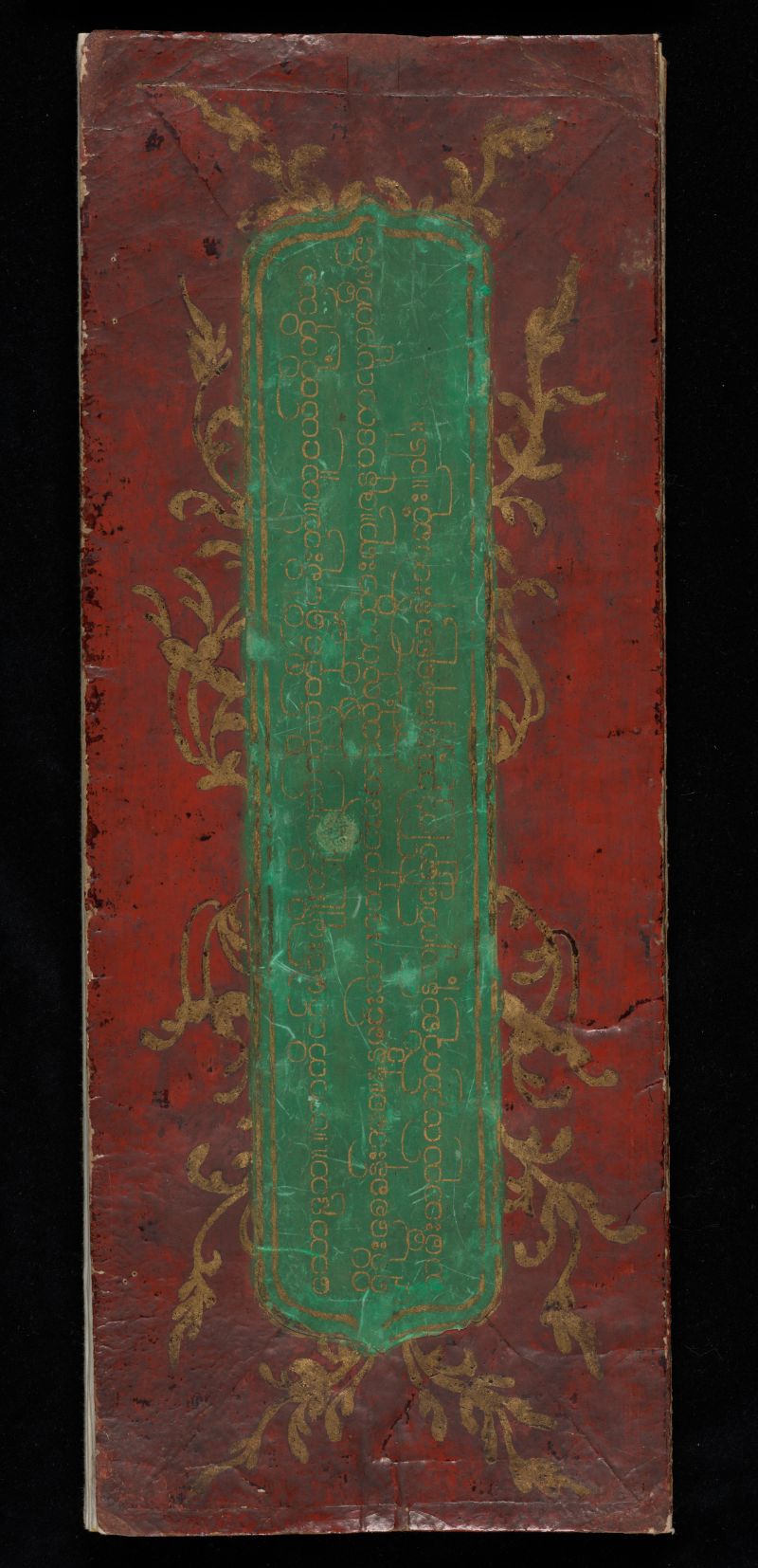 Document
Secondary source
Life of the Buddha
19th century
Ready when you are
Start chatting with Buddha now.
20 messages free · No credit card · Available in 50+ languages.