


Primary sourceArtifact1st century CE
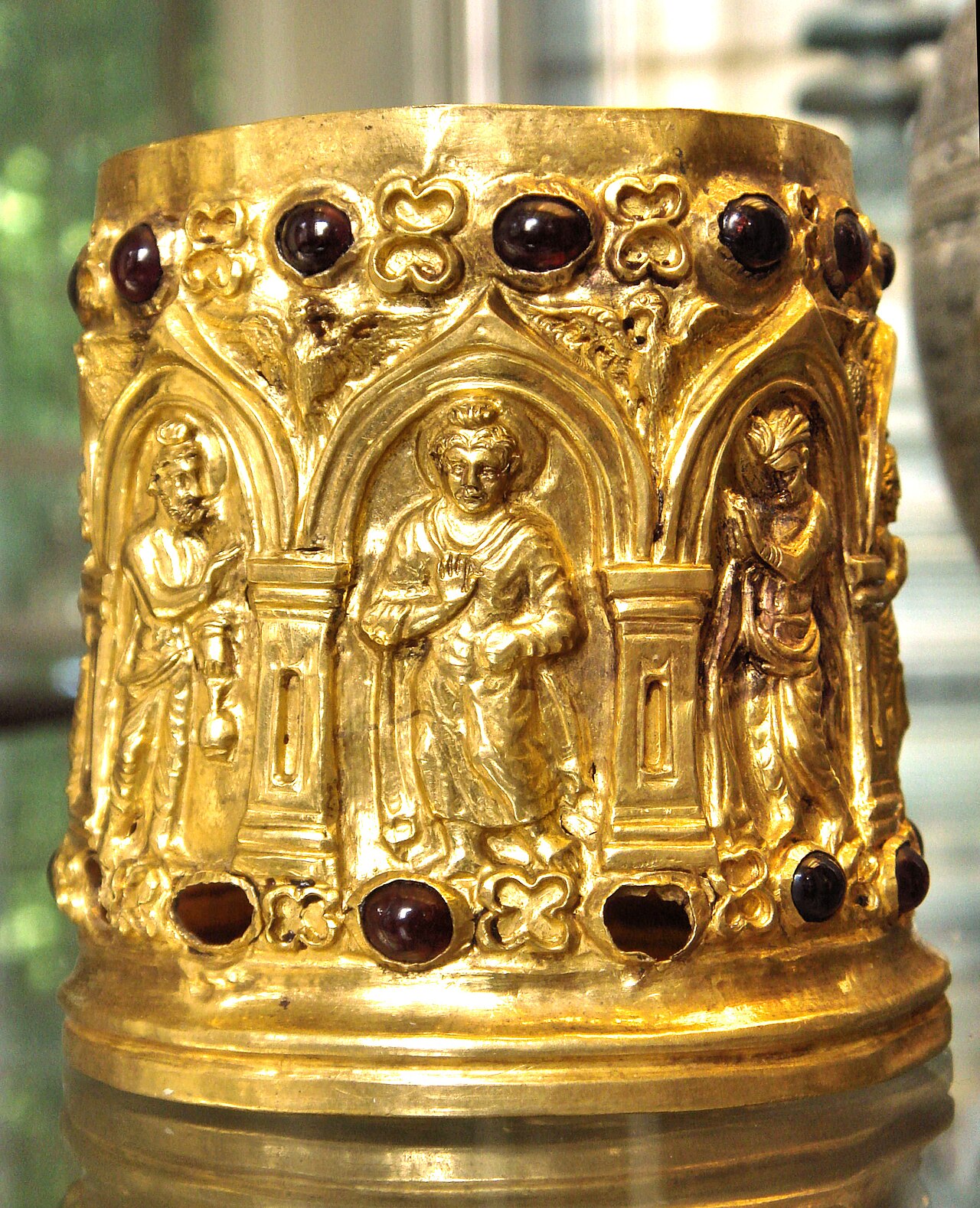
Bimaran Casket
1st century CE
A small gold reliquary from Afghanistan bearing one of the earliest known images of the Buddha in human form.
This reliquary bears one of the earliest human images of the Buddha, showing how he came to be visually represented.
About this source
What it is
The Bimaran casket is a small gold reliquary found inside a stupa near Jalalabad, Afghanistan, dated to around the 1st century CE. It is now held by the British Museum. It carries high-relief gold figures, including the Buddha shown in Greek-influenced dress and pose, flanked by the deities Brahma and Sakra.
Why it matters
This casket is important evidence for when and how artists first began showing the Buddha as a human figure, rather than through symbols. Its Greco-Roman style reveals the mixing of Indian, Persian and Hellenistic cultures in the region of Gandhara at the time.
Look closer
- What Greek-style details can you find in how the Buddha is dressed and posed?
- Why might artists have chosen to show the Buddha walking rather than seated?
- What does the care put into this small object suggest about how precious the relics inside it were considered?
This artifact is part of the curated material that grounds the AI version of Buddha on Humy.ai — when students ask about related events, the AI can quote it and cite it.
More Buddha sources
Meet the AI Buddha →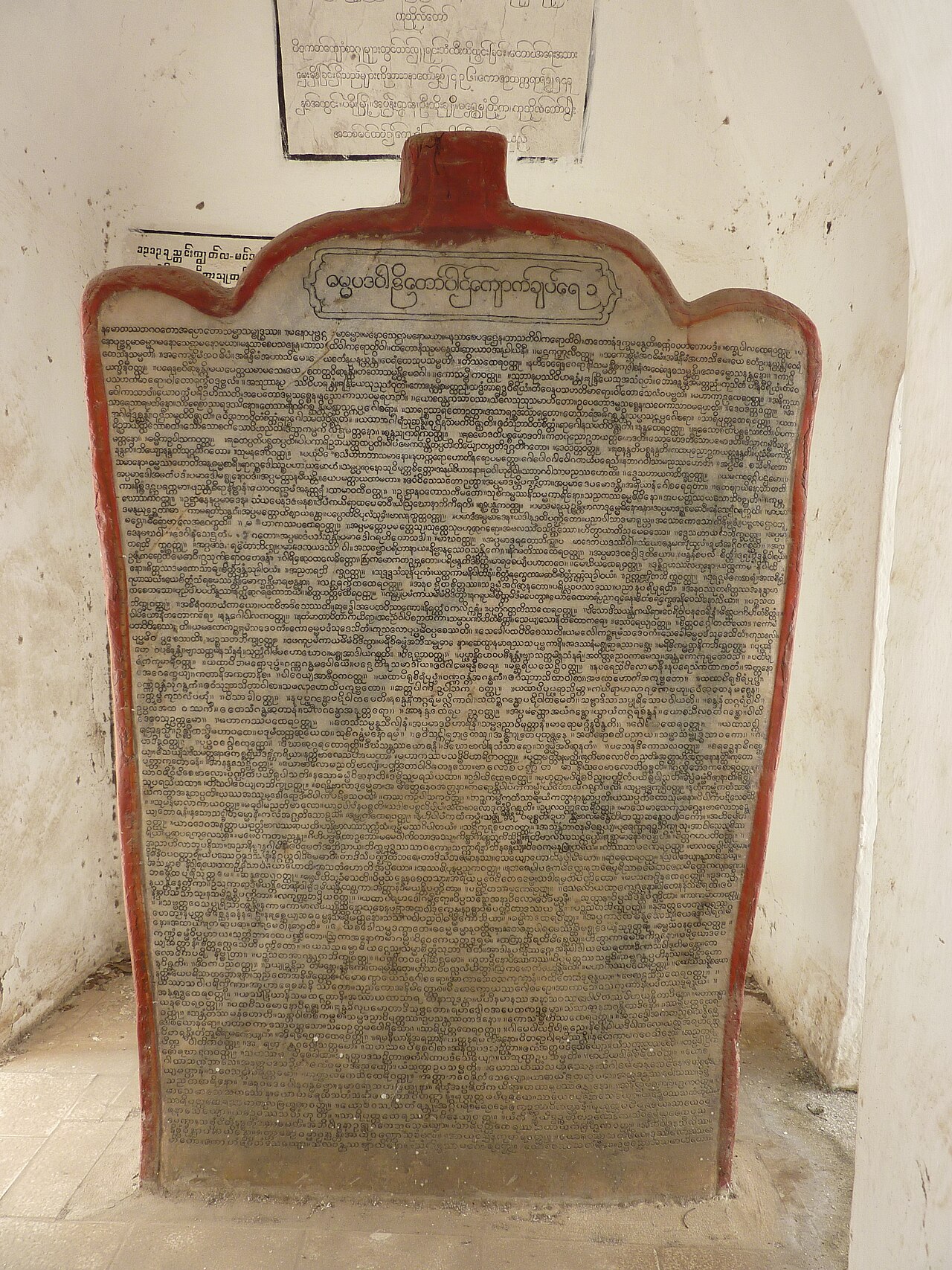 Book
Secondary source
Dhammapada
Attributed to the Buddha · c. 3rd century BCE compilation
 Painting
Secondary source
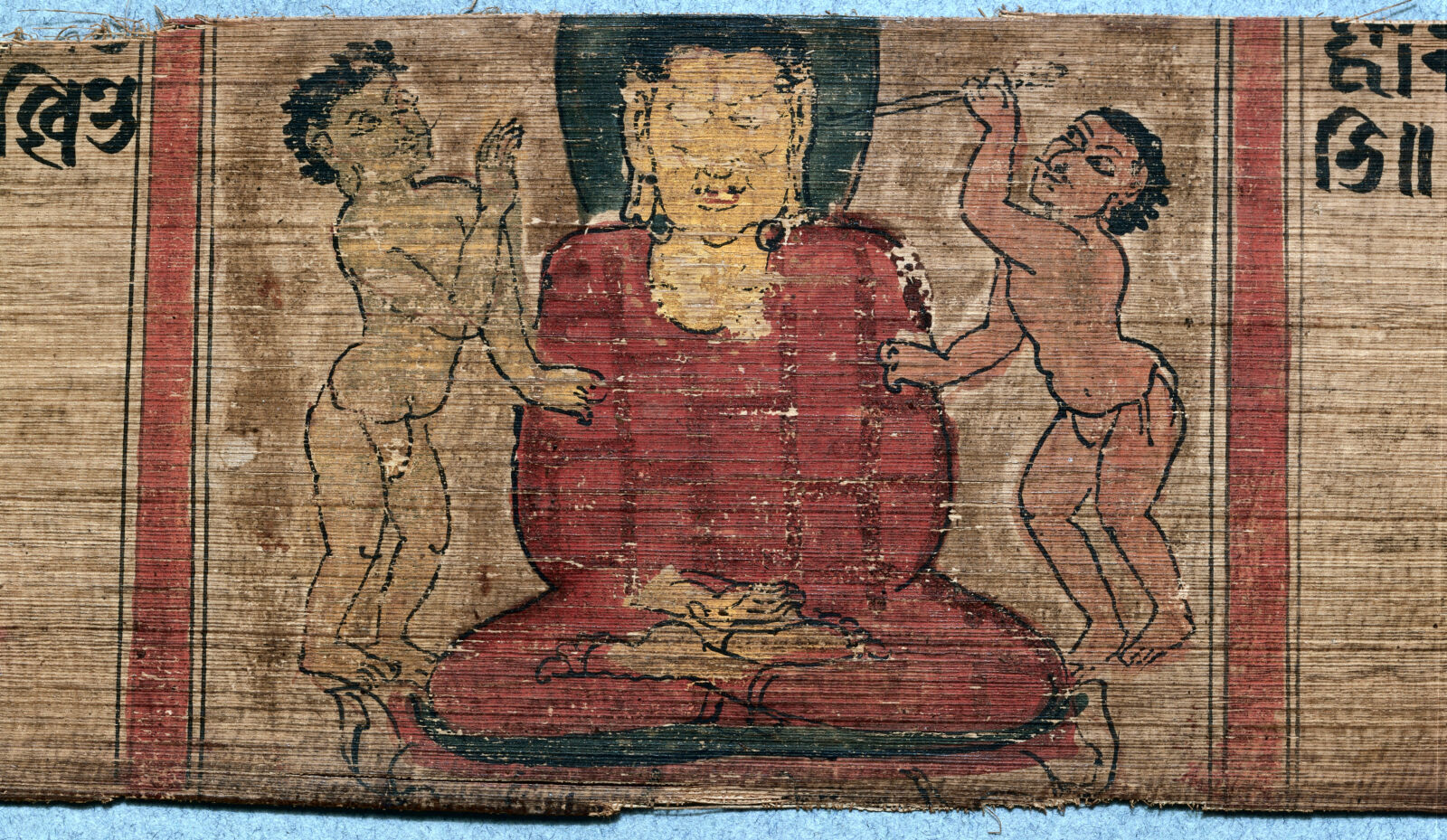
Buddha in Dhyana, Perfection of Wisdom Sutra Manuscript
1074
 Sculpture
Secondary source
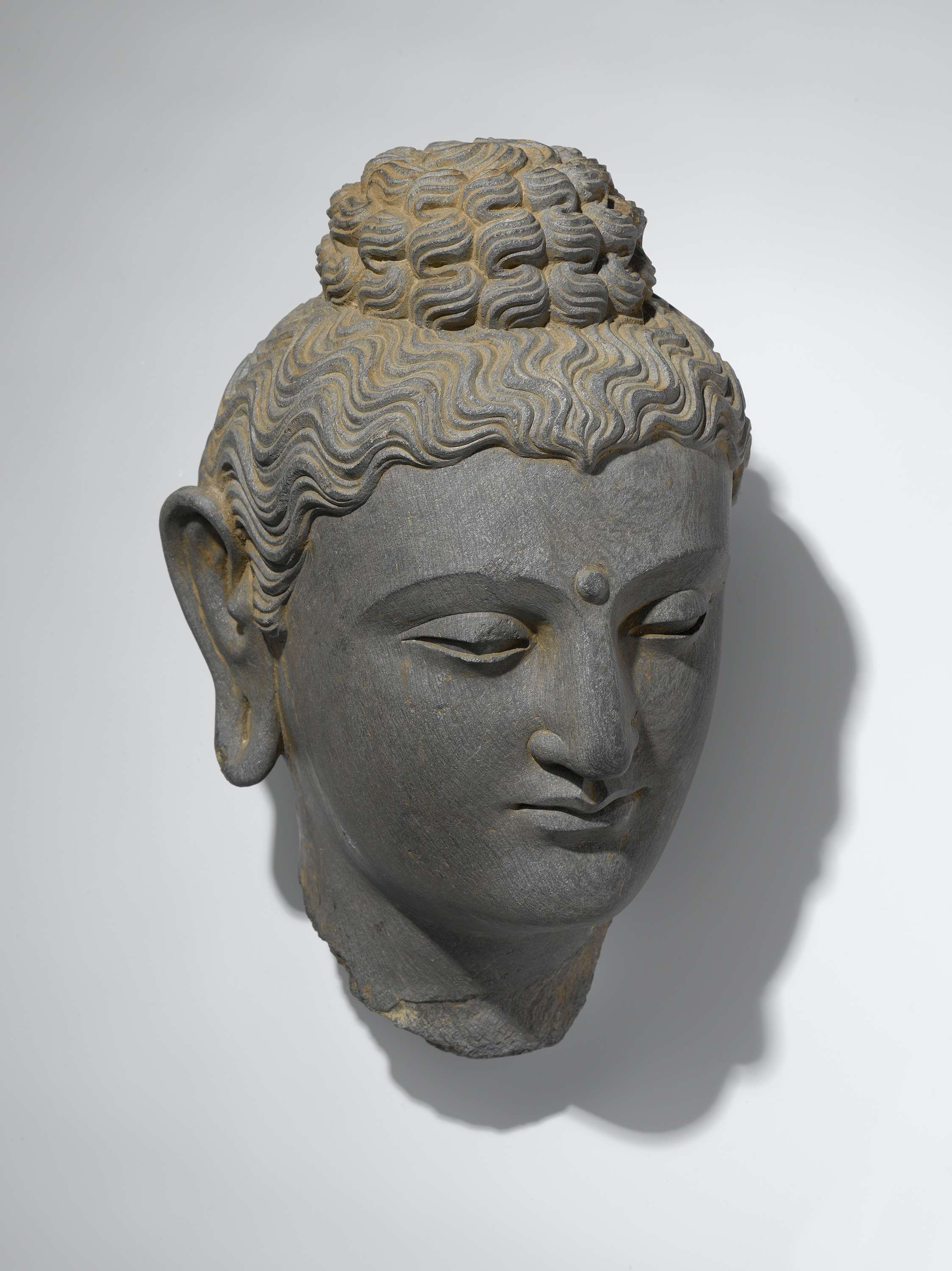
Head of the Buddha, Gandhara style
 Book
Secondary source
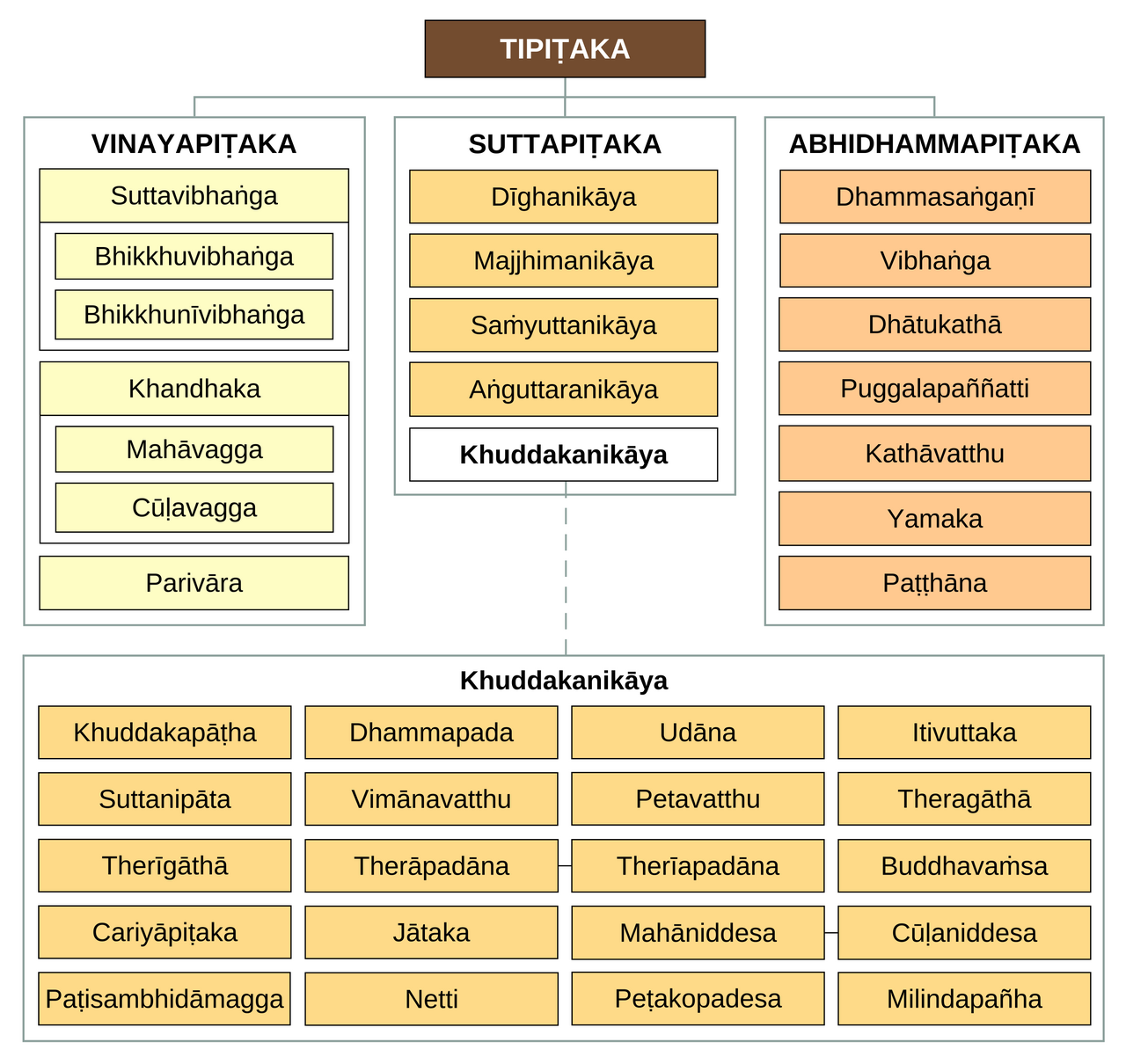
Pali Canon (Tipitaka)
Early Buddhist sangha · oral from 5th century BCE; written c. 29 BCE
 Document
Secondary source
Life of the Buddha
19th century
Ready when you are
Start chatting with Buddha now.
20 messages free · No credit card · Available in 50+ languages.