


Secondary sourceSculptureca. 2nd century
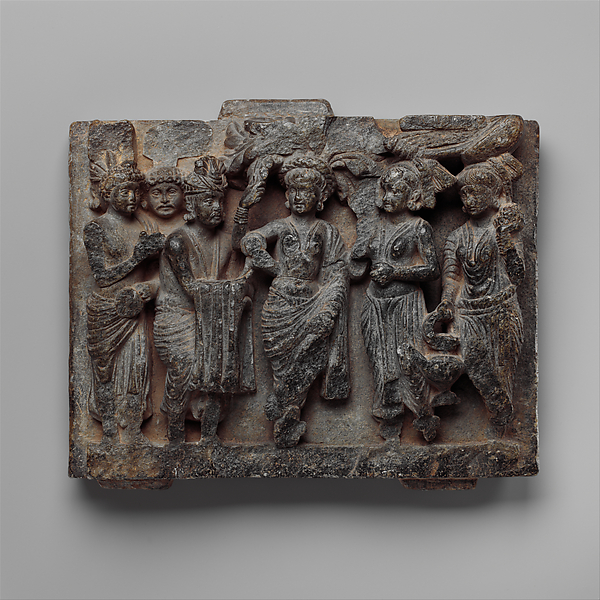
Birth of the Buddha Shakyamuni Relief
ca. 2nd century
A Gandharan relief from around the 2nd century depicting the Buddha's birth, with attendant figures and his mother.
Depicts the traditional story of the Buddha's birth, an essential scene in his biography.
About this source
What it is
This stone relief panel was carved in the ancient region of Gandhara (in modern Pakistan) during the Kushan period, around the 2nd century CE. It shows five standing figures, including attendants and a central female figure beneath foliage, believed to depict the birth of the Buddha. It is held by the Metropolitan Museum of Art.
Why it matters
Gandharan art blended local and Greek-influenced styles to tell Buddhist stories, including the birth of the Buddha, which was one of the most important scenes in his traditional life story. Reliefs like this one were likely used to decorate religious buildings and teach the Buddha's story to visitors and worshippers.
Look closer
- Who do you think the central female figure beneath the foliage represents?
- What might the other standing figures be doing in this scene?
- Why might the birth of the Buddha have been considered an important scene to carve and display?
This sculpture is part of the curated material that grounds the AI version of Buddha on Humy.ai — when students ask about related events, the AI can quote it and cite it.
More Buddha sources
Meet the AI Buddha →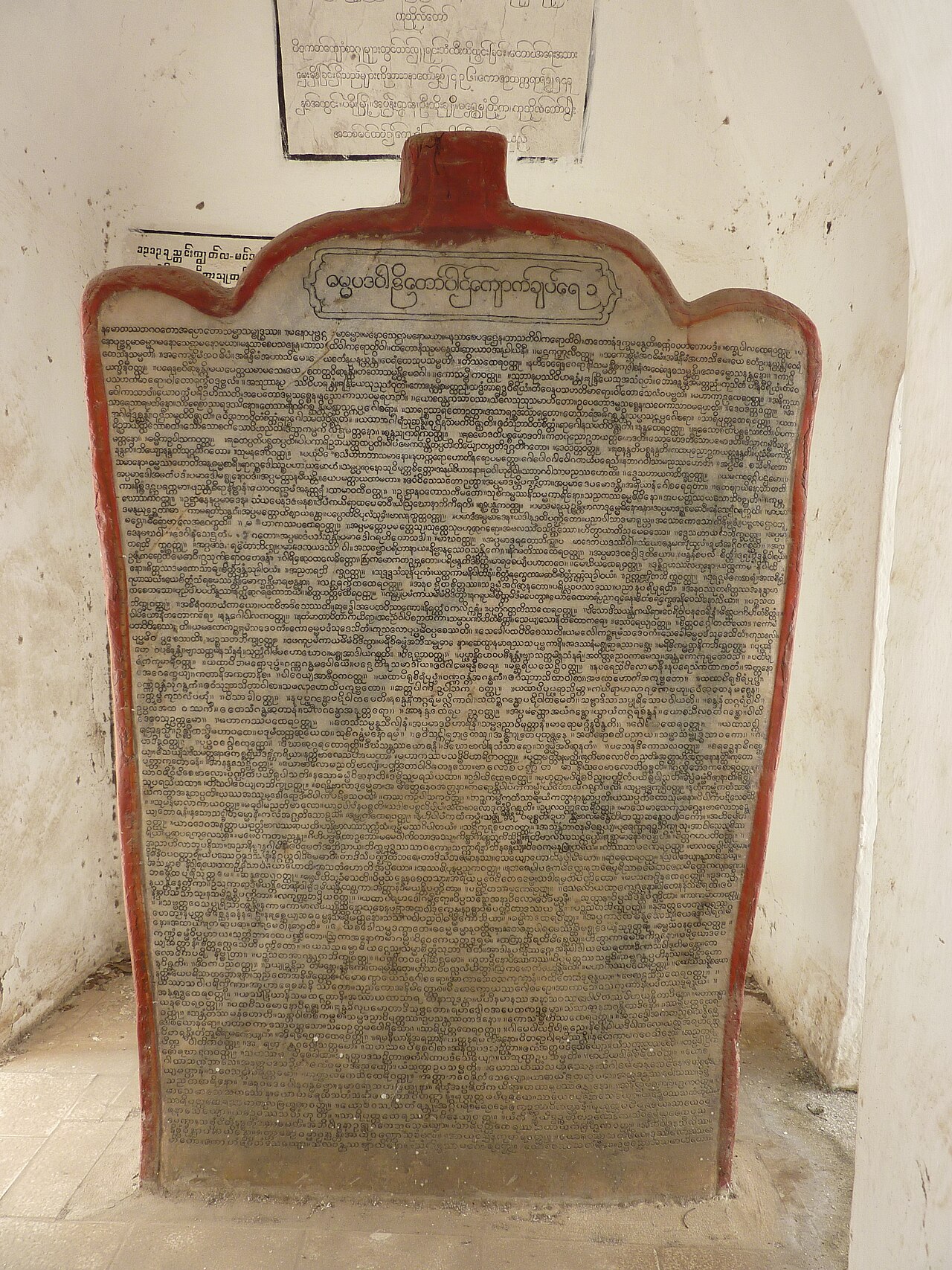 Book
Secondary source
Dhammapada
Attributed to the Buddha · c. 3rd century BCE compilation
 Painting
Secondary source
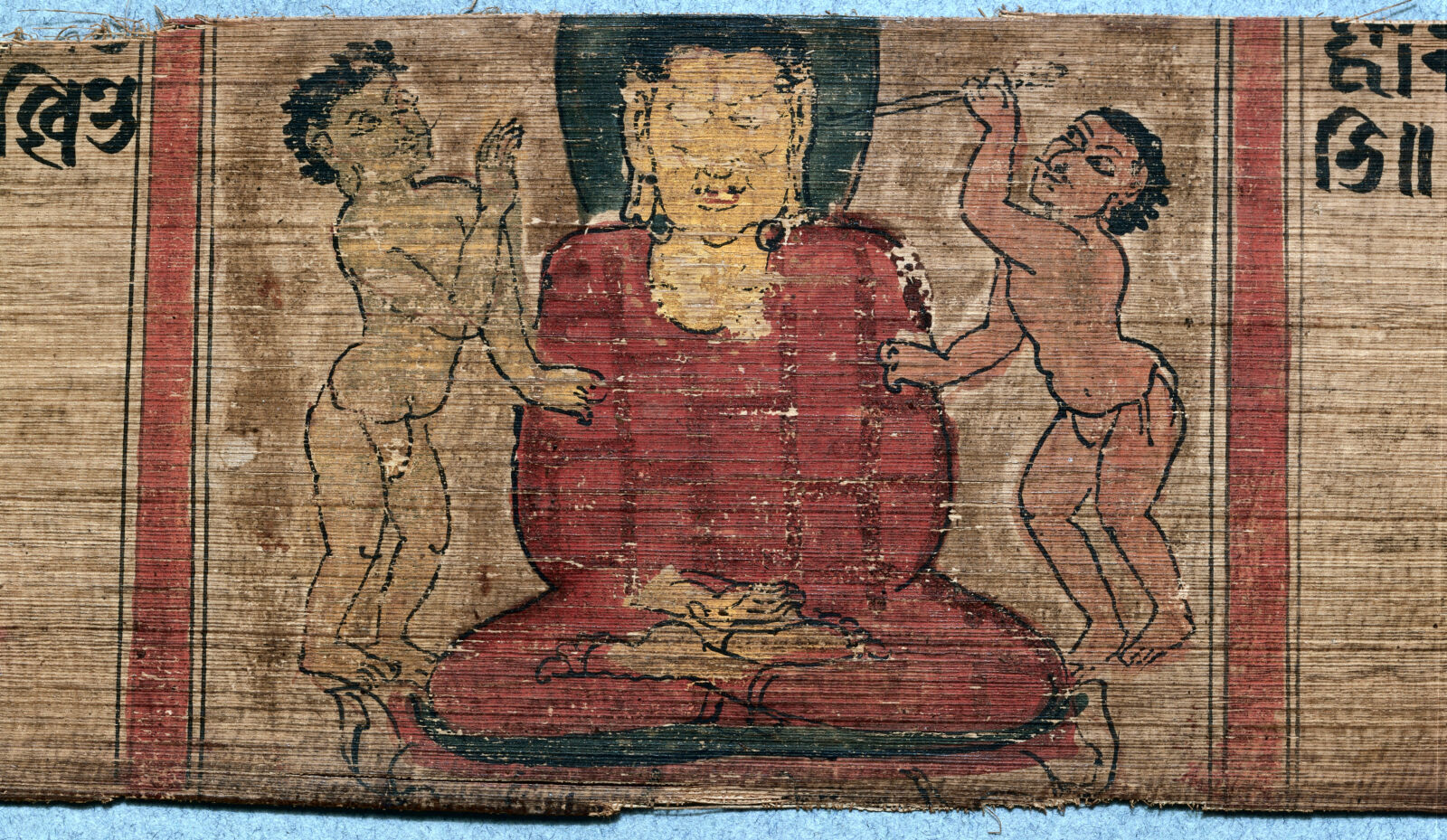
Buddha in Dhyana, Perfection of Wisdom Sutra Manuscript
1074
 Sculpture
Secondary source
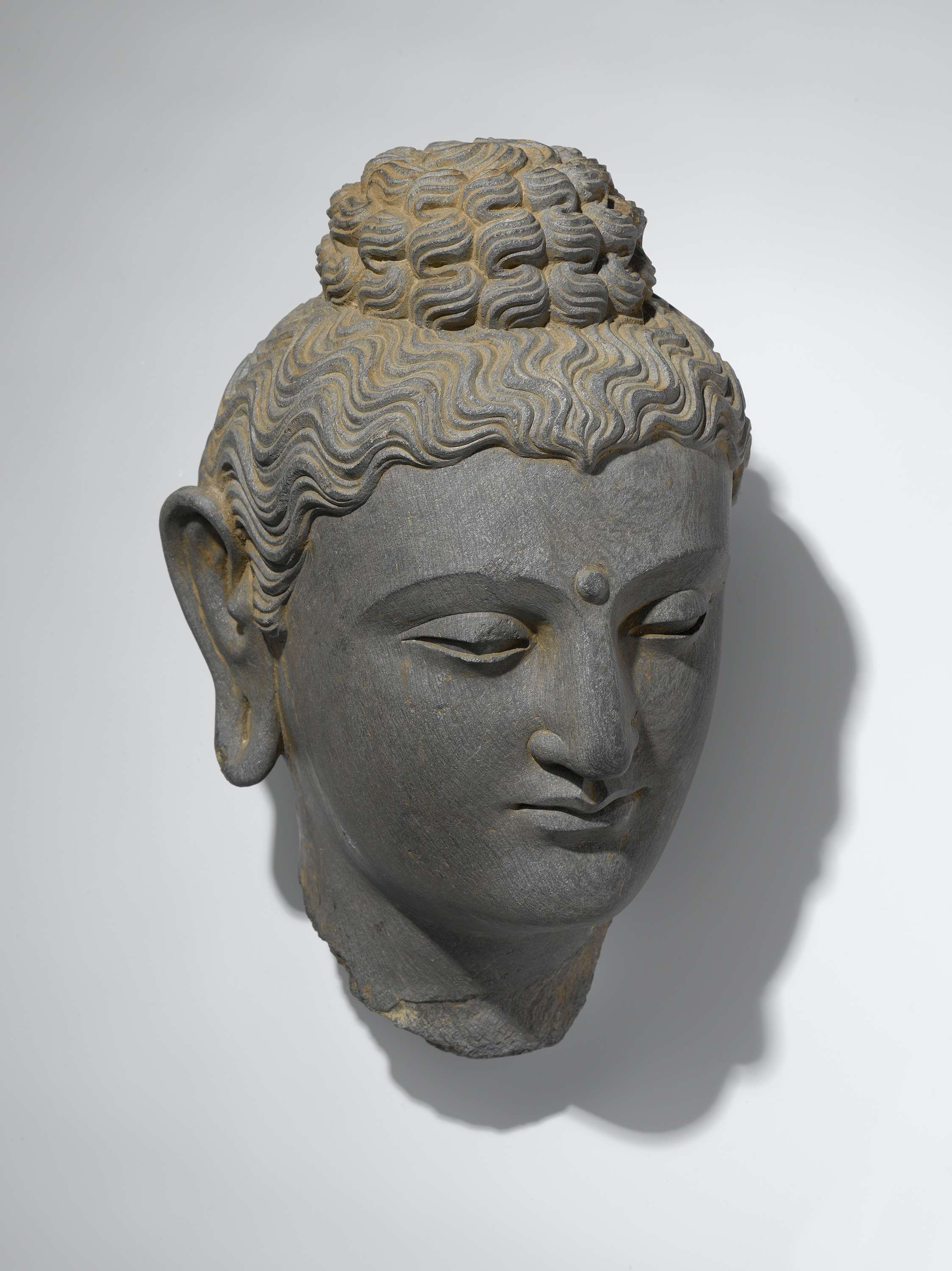
Head of the Buddha, Gandhara style
 Book
Secondary source
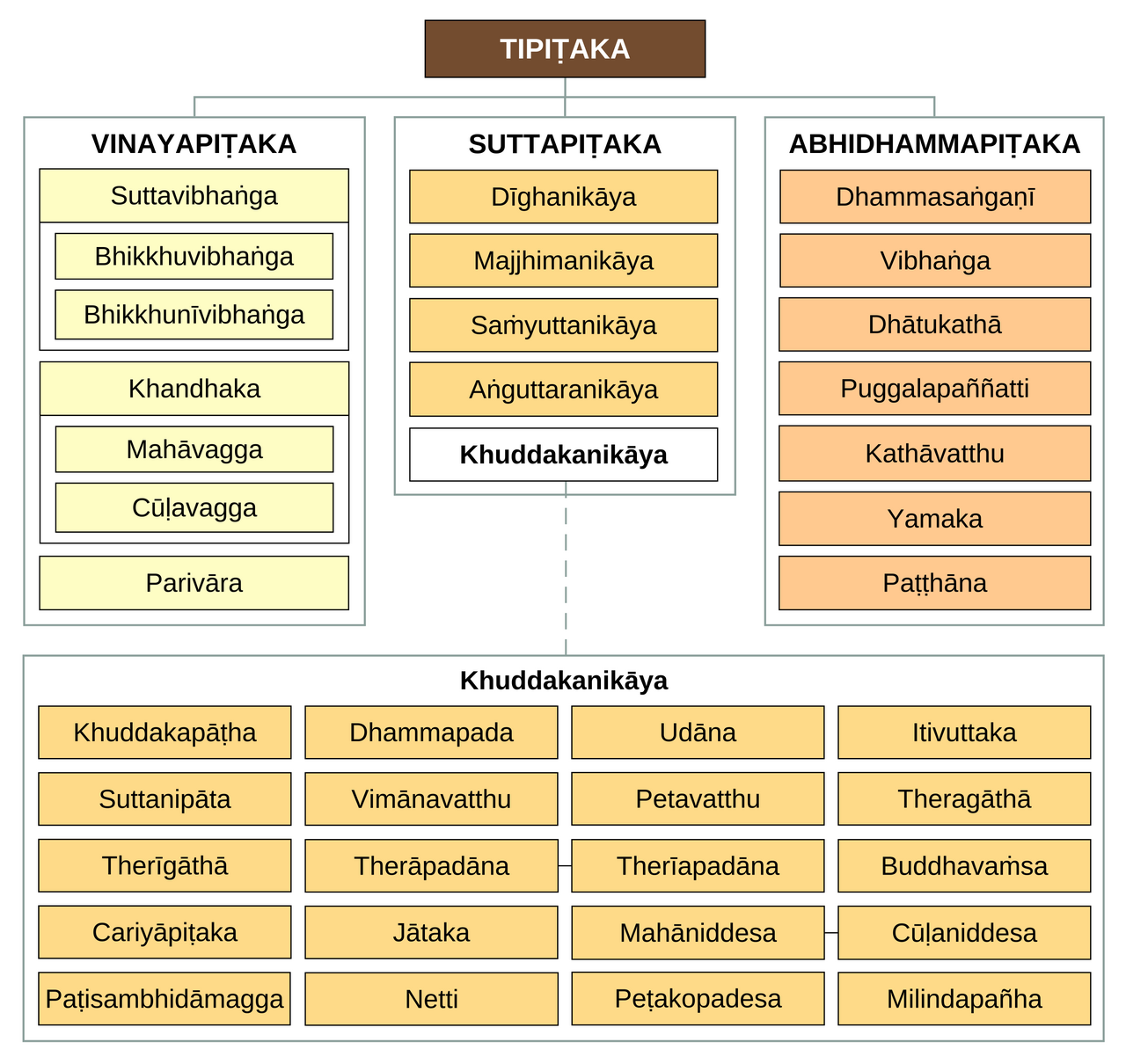
Pali Canon (Tipitaka)
Early Buddhist sangha · oral from 5th century BCE; written c. 29 BCE
 Document
Secondary source
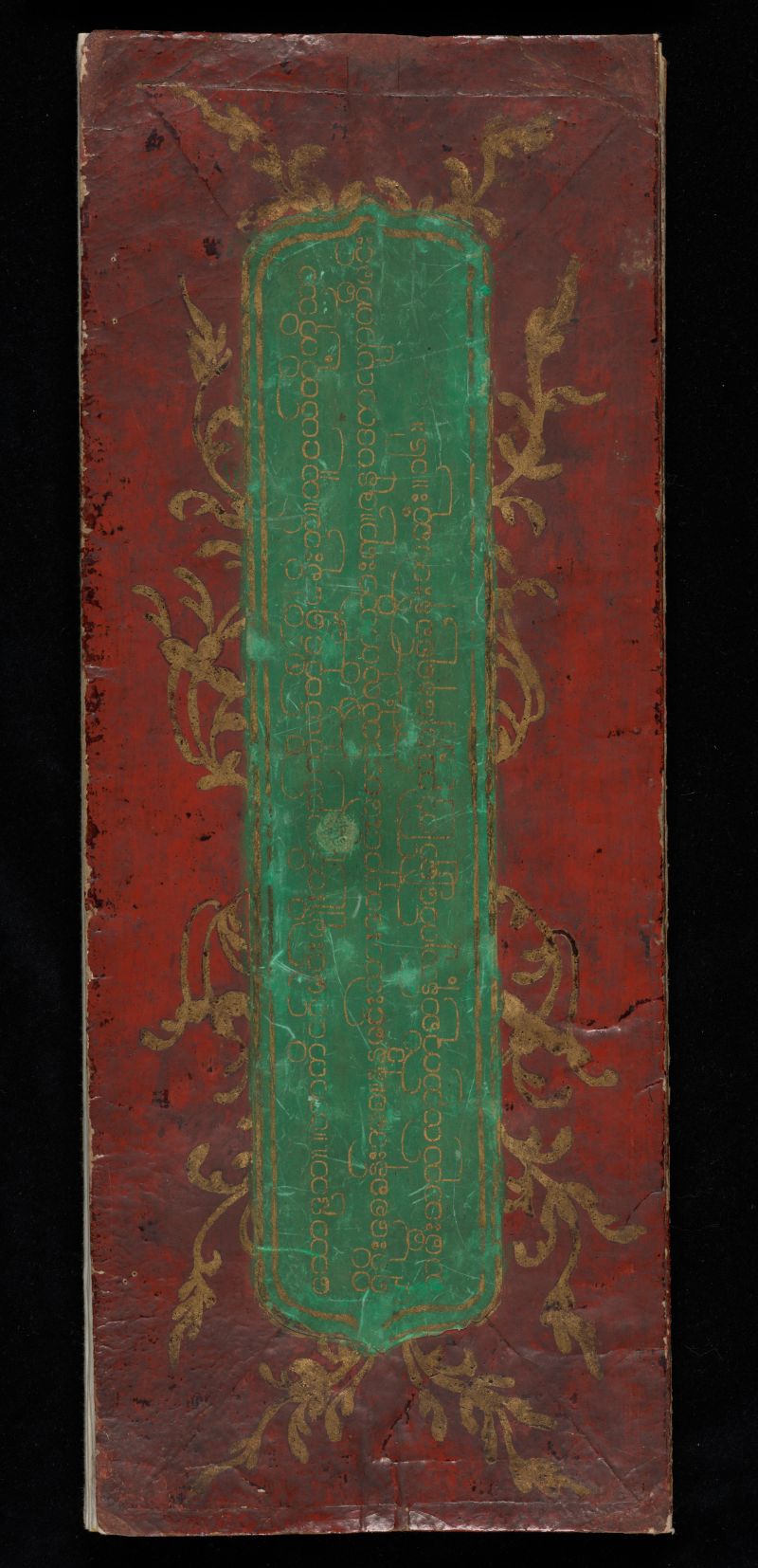
Life of the Buddha
19th century
Ready when you are
Start chatting with Buddha now.
20 messages free · No credit card · Available in 50+ languages.