


Primary sourceSculpturec. AD 14-20
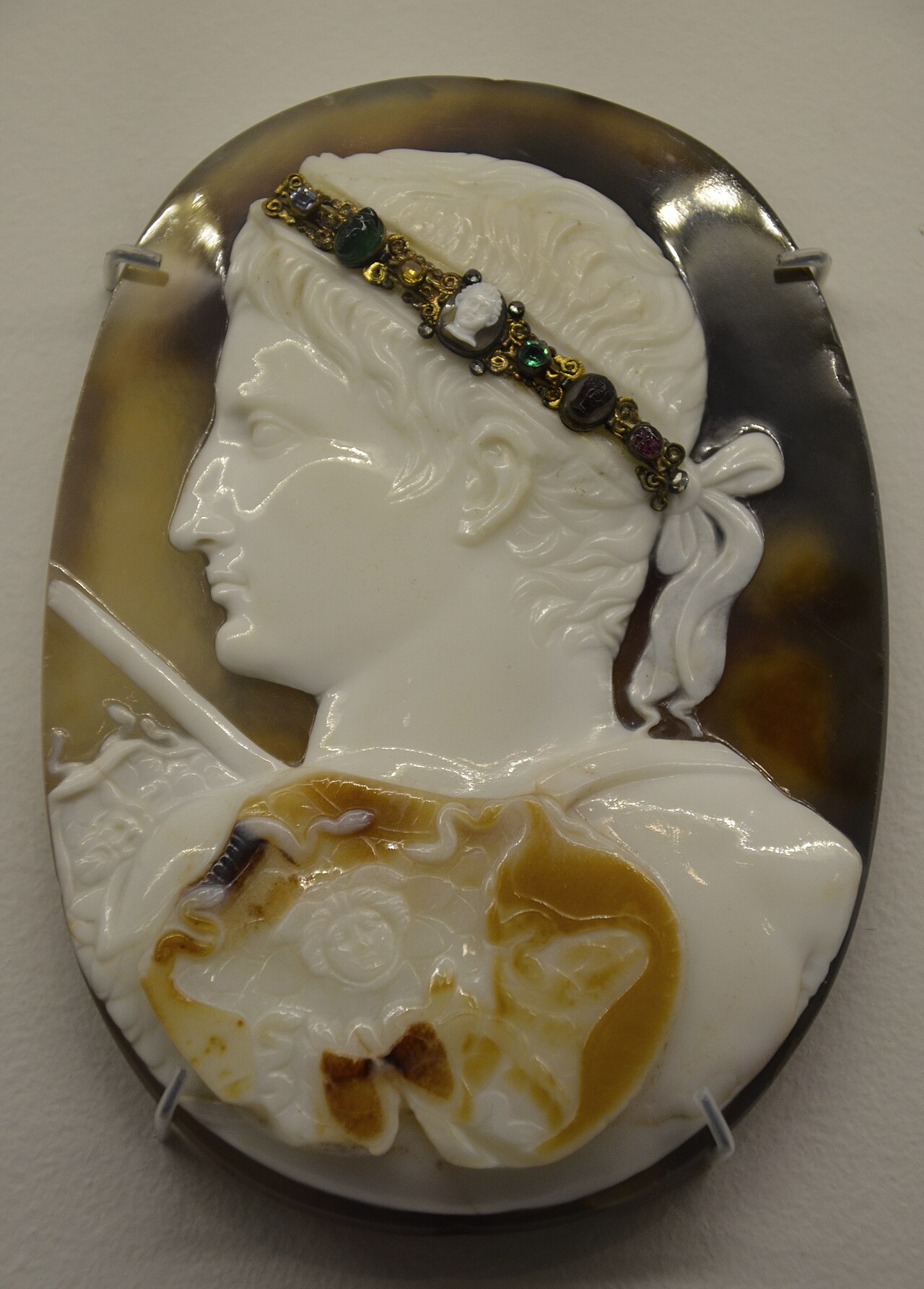
Blacas Cameo
Unknown gem-cutter · c. AD 14-20
A sardonyx gem carving showing Augustus in a majestic pose wearing Minerva's aegis, a luxury object meant for a select audience.
This luxury cameo portrays Augustus with divine attributes, revealing the quasi-religious imagery cultivated around him after death.
About this source
What it is
The Blacas Cameo is a fragment of a larger sardonyx carving showing a profile portrait of Augustus, probably made not long after his death around AD 14–20. It is held in the British Museum, carved from a three-layered stone, with a jewelled headband added later in the medieval period.
Why it matters
Augustus is shown wearing a sword-belt symbolising military authority and the aegis usually linked to the goddess Minerva, openly claiming a divine attribute. The British Museum notes such imagery was likely meant only for a small, elite audience, since Roman society remained wary of monarchy after the fall of the Republic, so public images of Augustus on coins and statues stayed far more modest.
Look closer
- Why might an image showing Augustus as quasi-divine be kept private rather than shown widely?
- What does the aegis symbol suggest Augustus wanted people to believe about his power?
- How does this compare with the more modest public images of Augustus mentioned by the museum?
This sculpture is part of the curated material that grounds the AI version of Augustus on Humy.ai — when students ask about related events, the AI can quote it and cite it.
More Augustus sources
Meet the AI Augustus →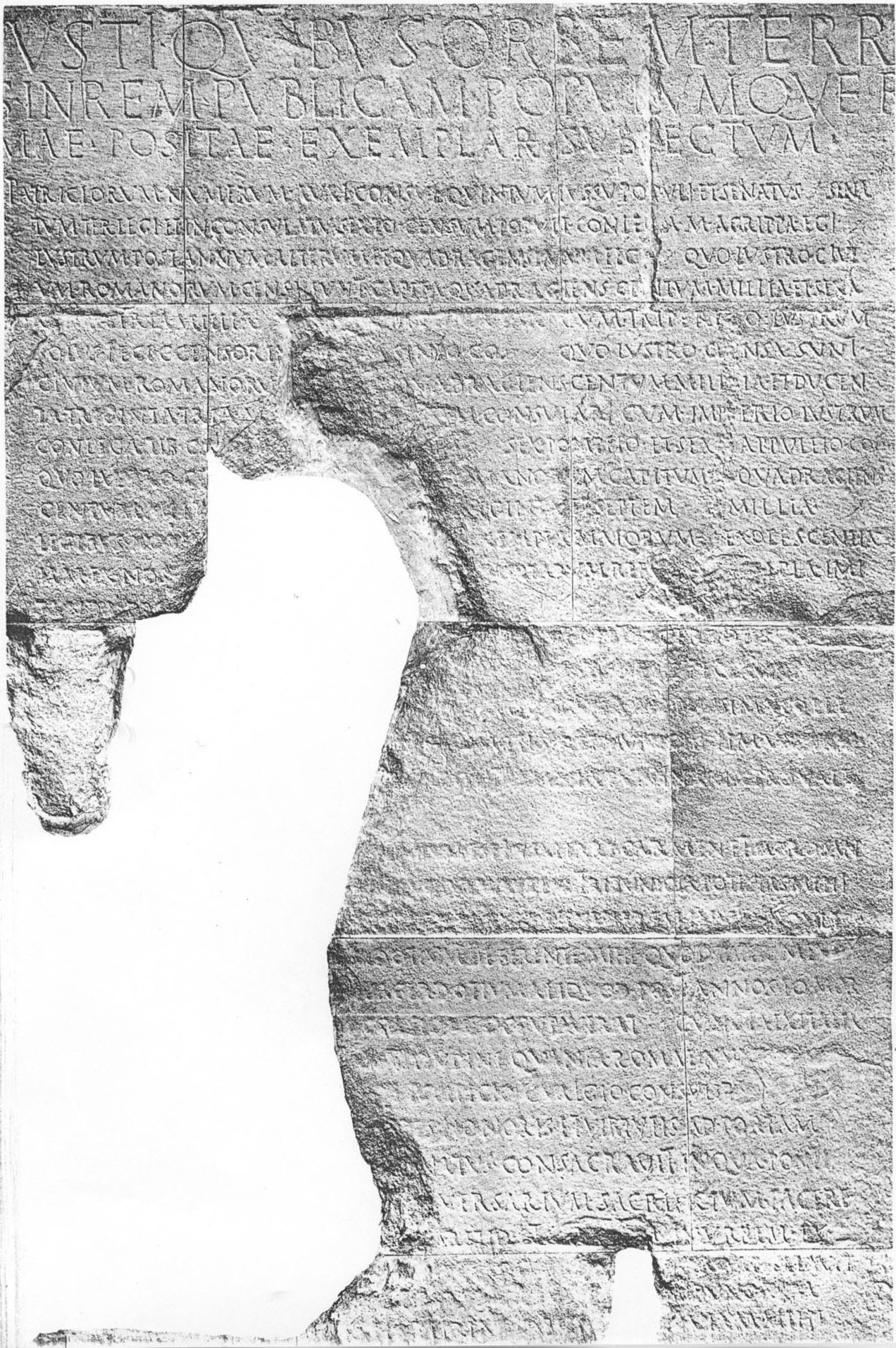 Document
Primary source
Res Gestae Divi Augusti
Augustus · 14 AD
 Painting
Secondary source
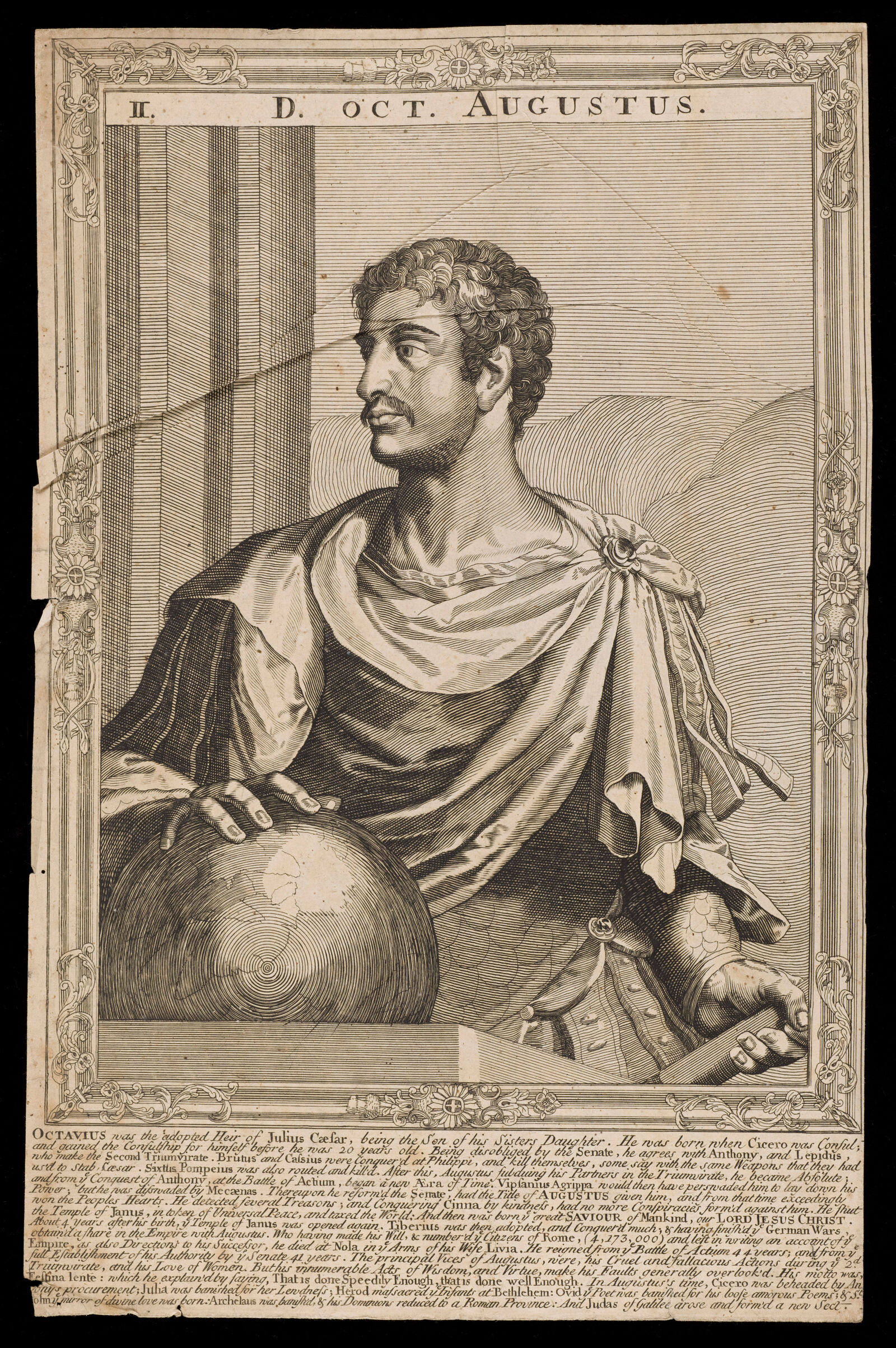
Emperor Augustus with Globe
After Titian (engraving by A. Sadeler, after Titian) · between 1700 and 1799 (possibly 17th century)
 Sculpture
Primary source
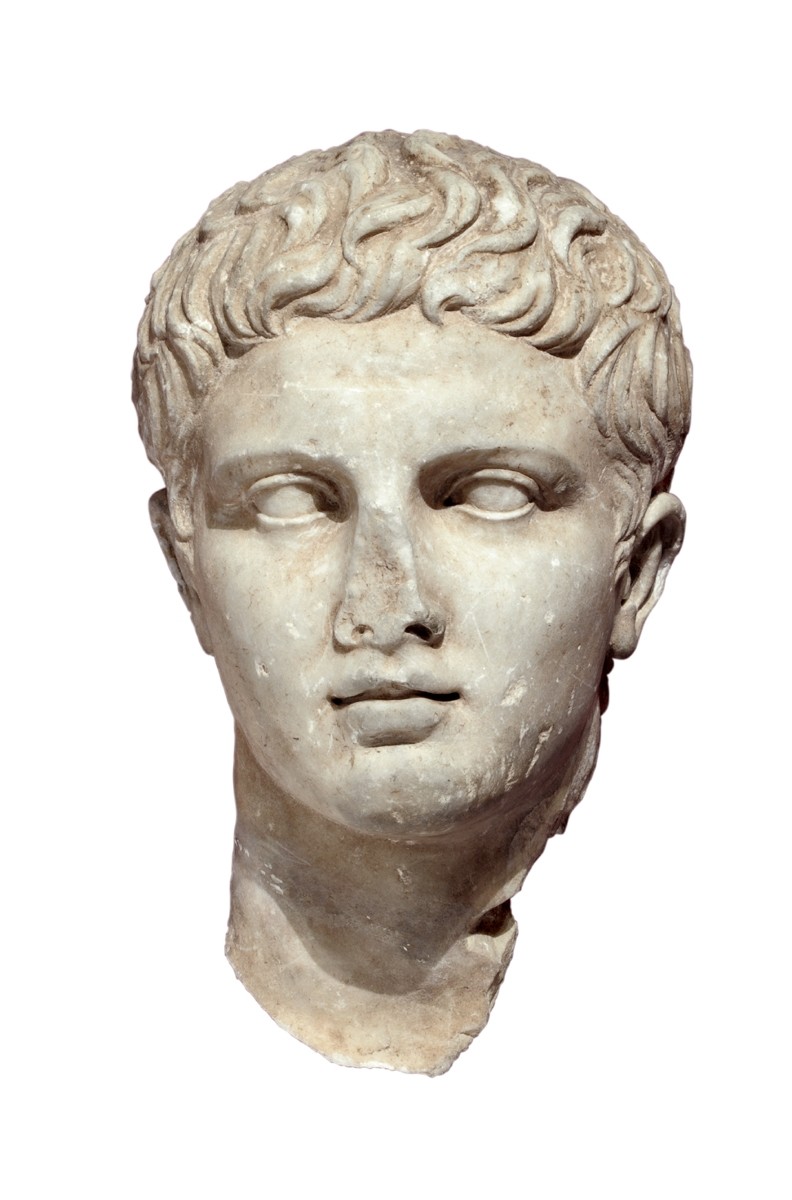
Relief Head of the Young Augustus
 Sculpture
Secondary source
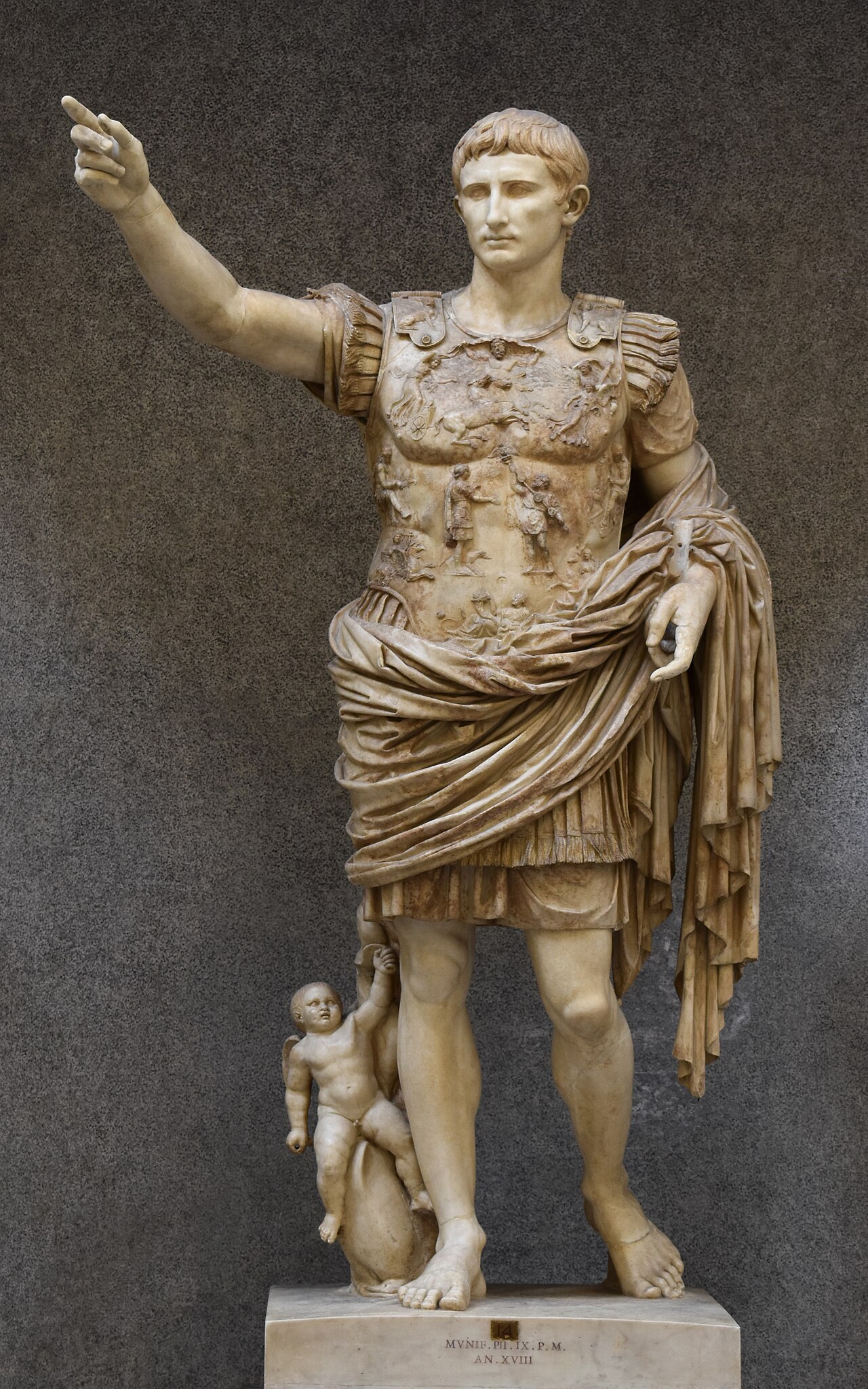
Augustus of Prima Porta
c. 19 BCE or later
 Artifact
Primary source
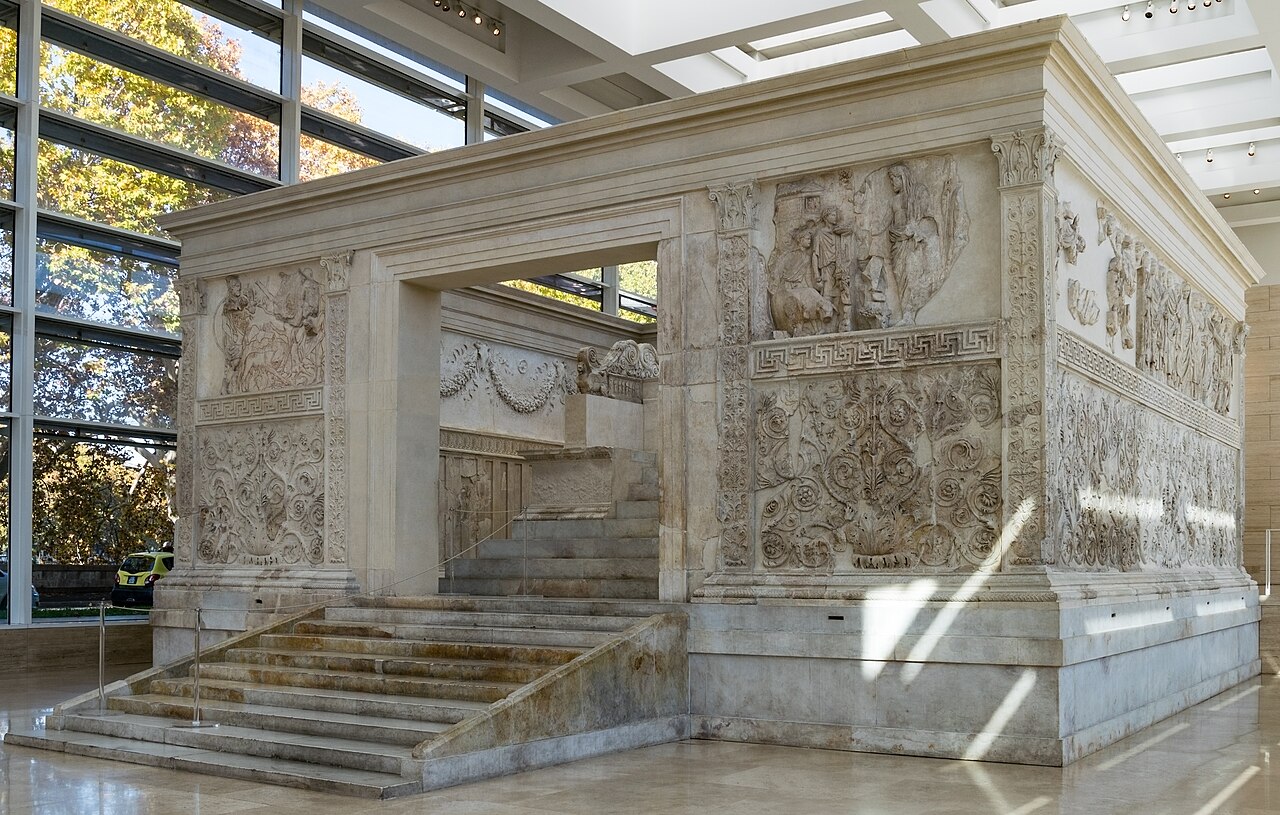
Ara Pacis
13-9 BCE
Ready when you are
Start chatting with Augustus now.
20 messages free · No credit card · Available in 50+ languages.