


Secondary sourceArtifactc. 800 CE
Borobudur Temple
c. 800 CE
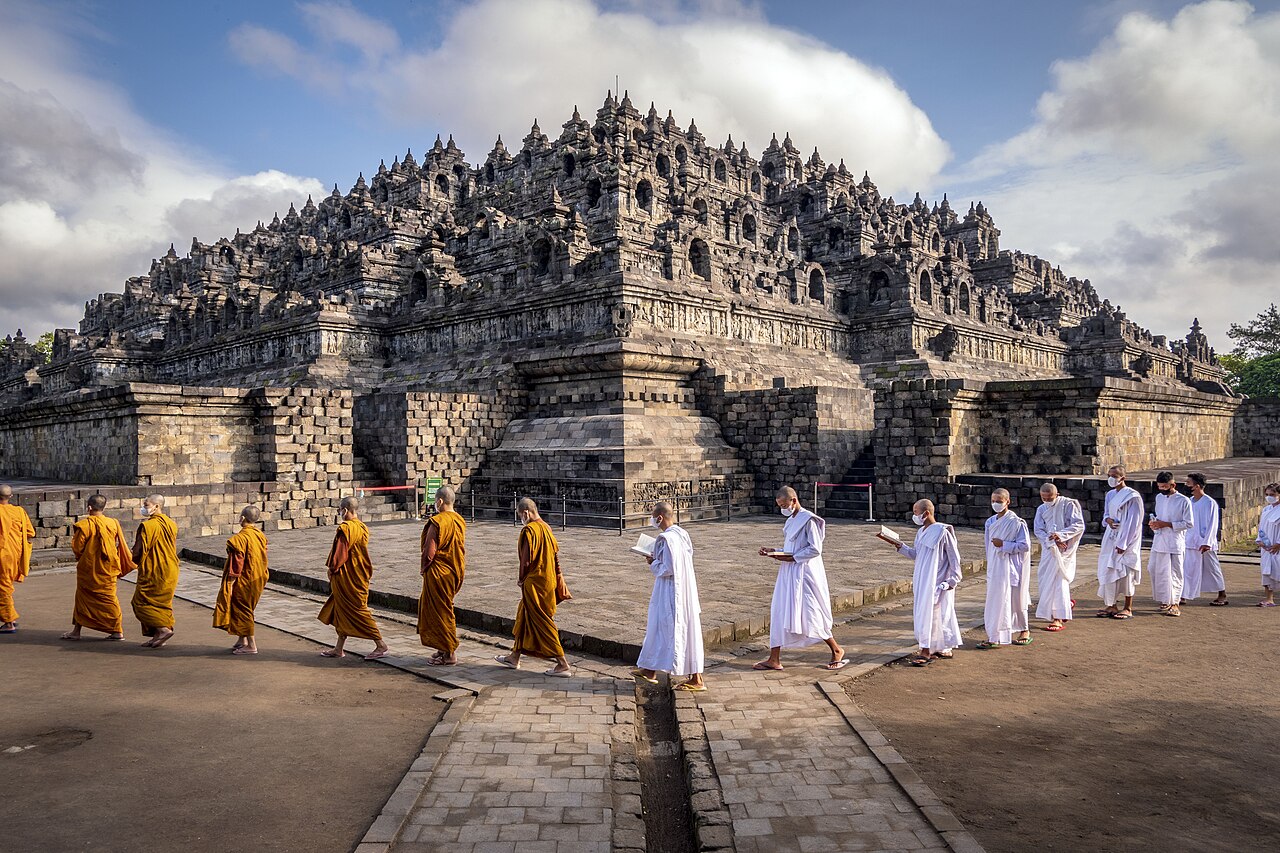
A vast 9th-century Buddhist temple in Java whose relief galleries narrate the Buddha's life story.
Its relief galleries narrate the Buddha's life story, carrying his image far beyond India into Java.
About this source
What it is
Borobudur is a large Mahayana Buddhist temple built of stone in Central Java, Indonesia, in the 9th century under the Sailendra dynasty. It has nine stacked platforms decorated with thousands of relief panels and hundreds of Buddha statues, and still stands in Java today.
Why it matters
Its relief galleries tell the story of the Buddha's life, drawn from the Lalitavistara text, showing how far his story spread beyond India into Southeast Asia. The temple reveals how the Sailendra rulers combined local traditions of honoring ancestors with Buddhist ideas about reaching enlightenment, and it remains a major site of Buddhist pilgrimage today.
Look closer
- Why might a temple be covered in a long sequence of carved scenes rather than a single image?
- What does the temple's scale tell you about the resources and beliefs of the people who built it?
- How does showing people walking around the temple today change how we think about this as a "historical" site?
This artifact is part of the curated material that grounds the AI version of Buddha on Humy.ai — when students ask about related events, the AI can quote it and cite it.
More Buddha sources
Meet the AI Buddha →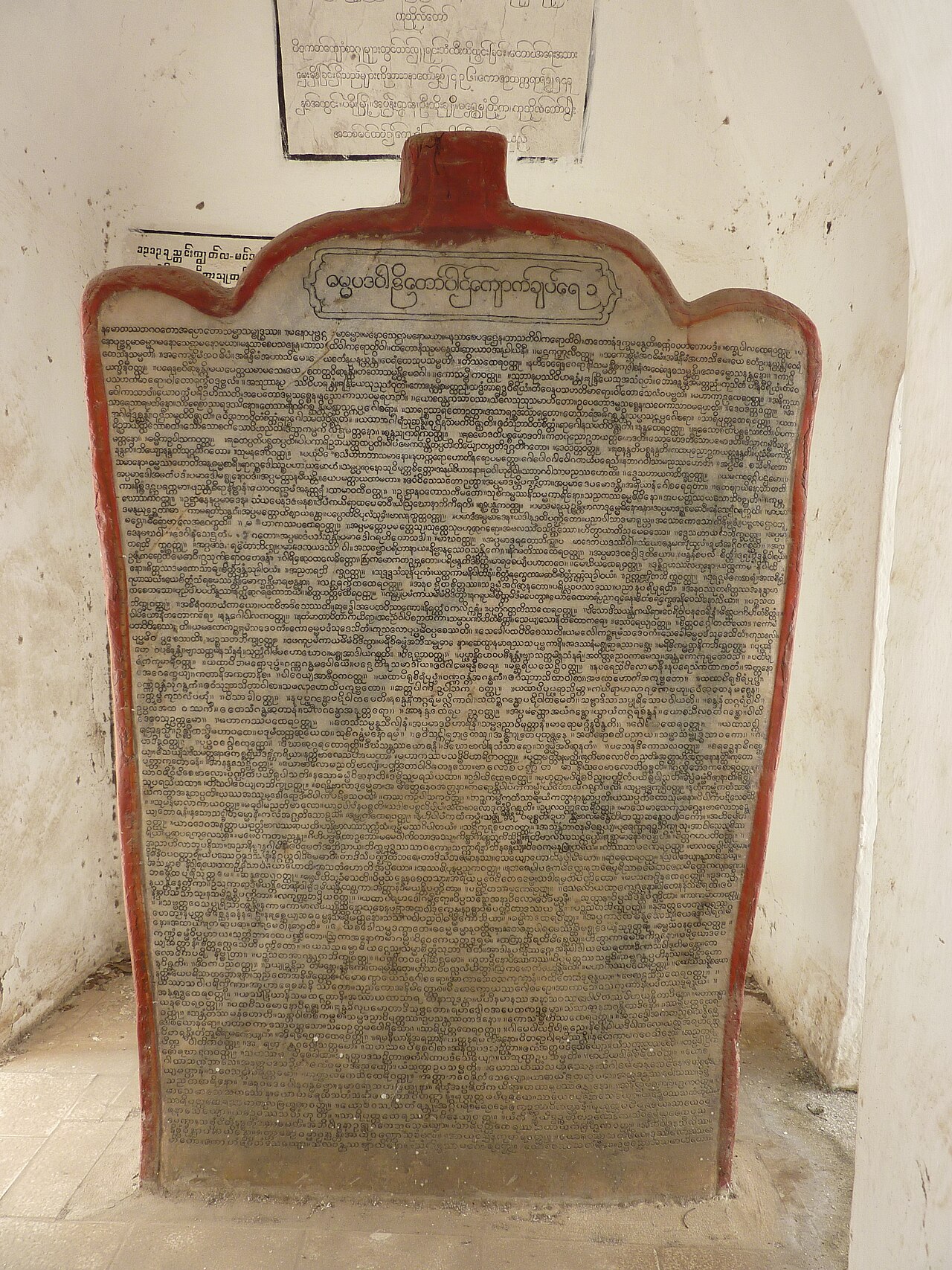 Book
Secondary source
Dhammapada
Attributed to the Buddha · c. 3rd century BCE compilation
 Painting
Secondary source
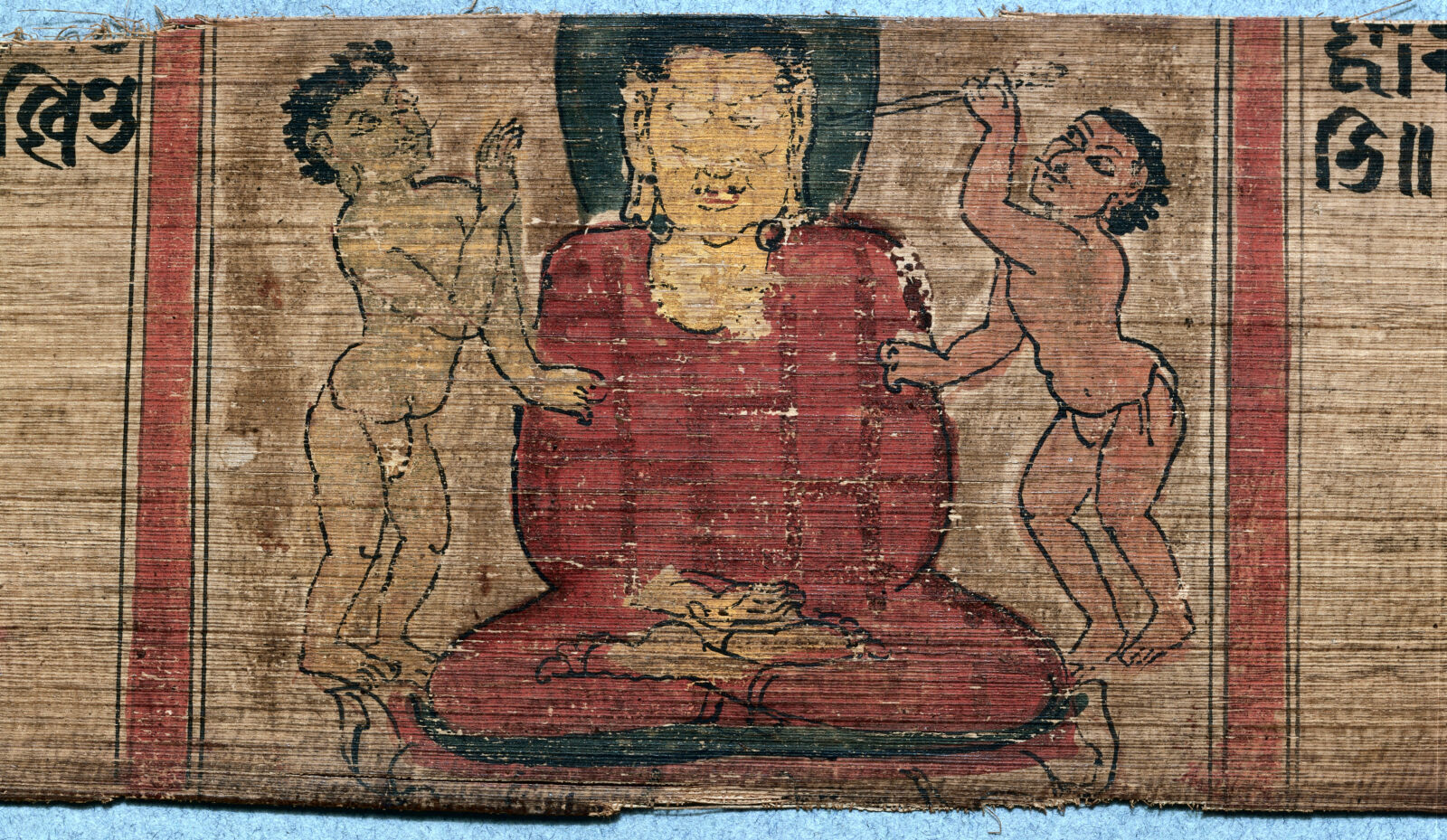
Buddha in Dhyana, Perfection of Wisdom Sutra Manuscript
1074
 Sculpture
Secondary source
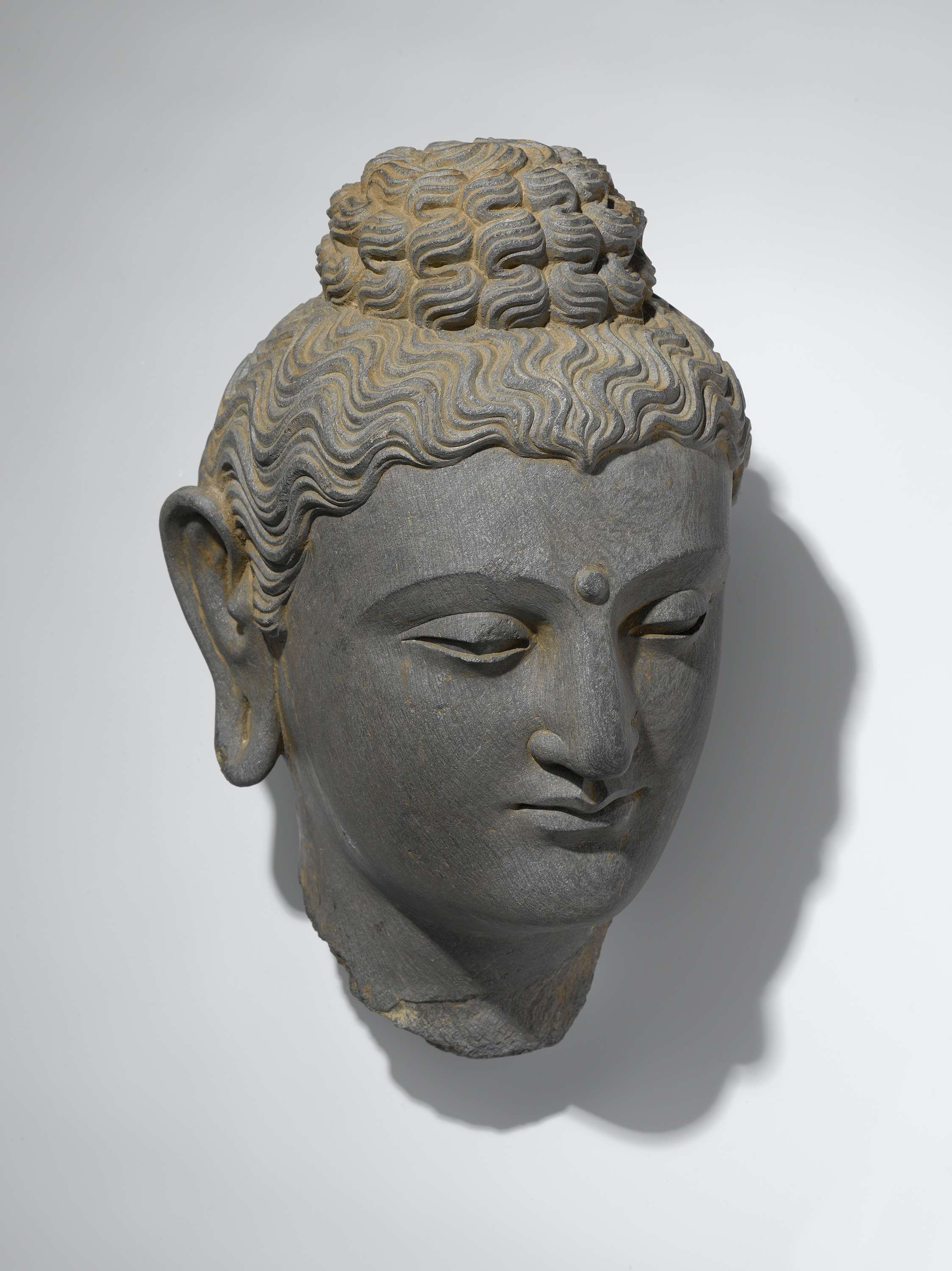
Head of the Buddha, Gandhara style
 Book
Secondary source
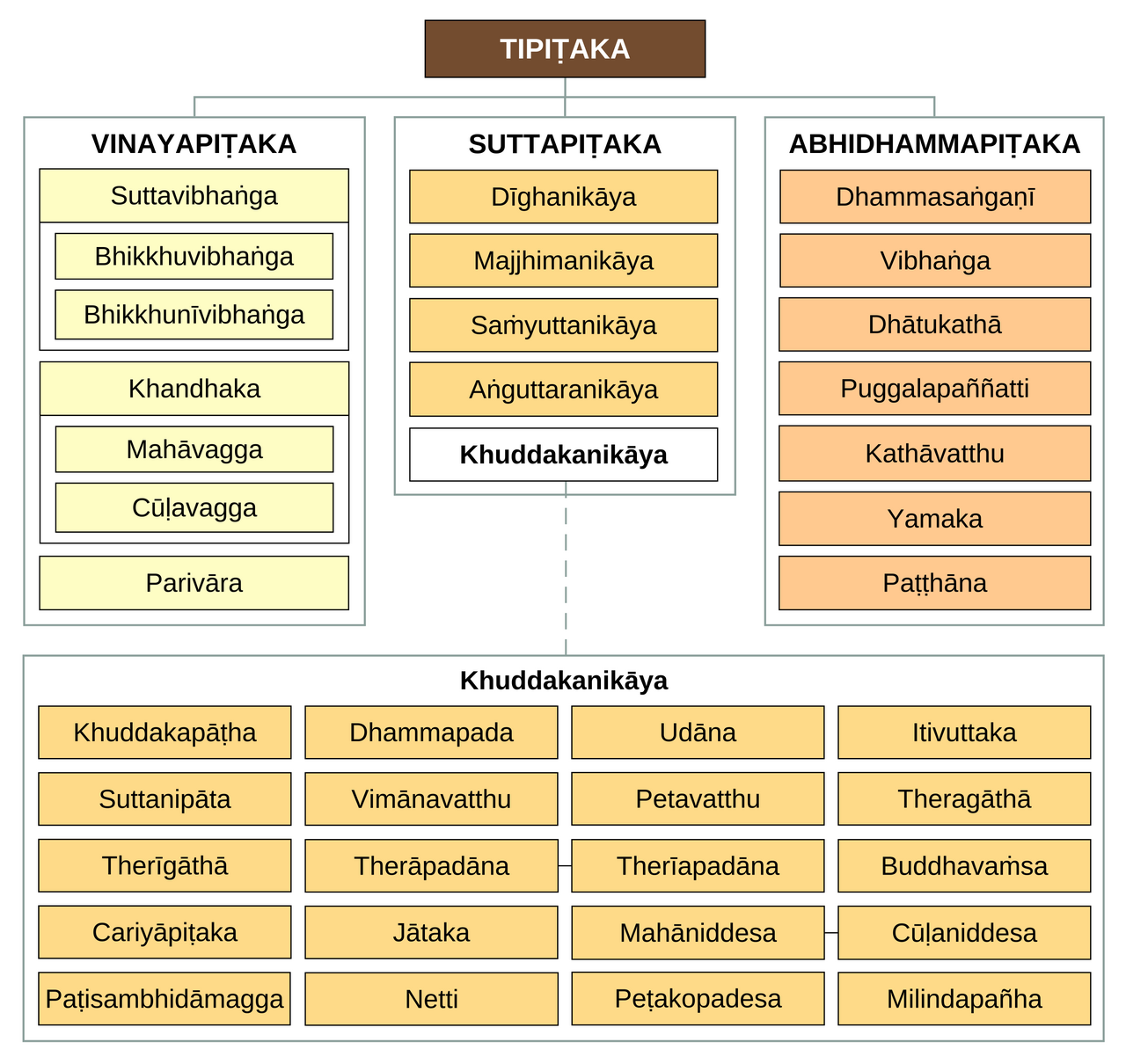
Pali Canon (Tipitaka)
Early Buddhist sangha · oral from 5th century BCE; written c. 29 BCE
 Document
Secondary source
Life of the Buddha
19th century
Ready when you are
Start chatting with Buddha now.
20 messages free · No credit card · Available in 50+ languages.