


Primary sourceArtifact4th century BC – 1st century AD, buried AD 79
Boscoreale Treasure
4th century BC – 1st century AD, buried AD 79
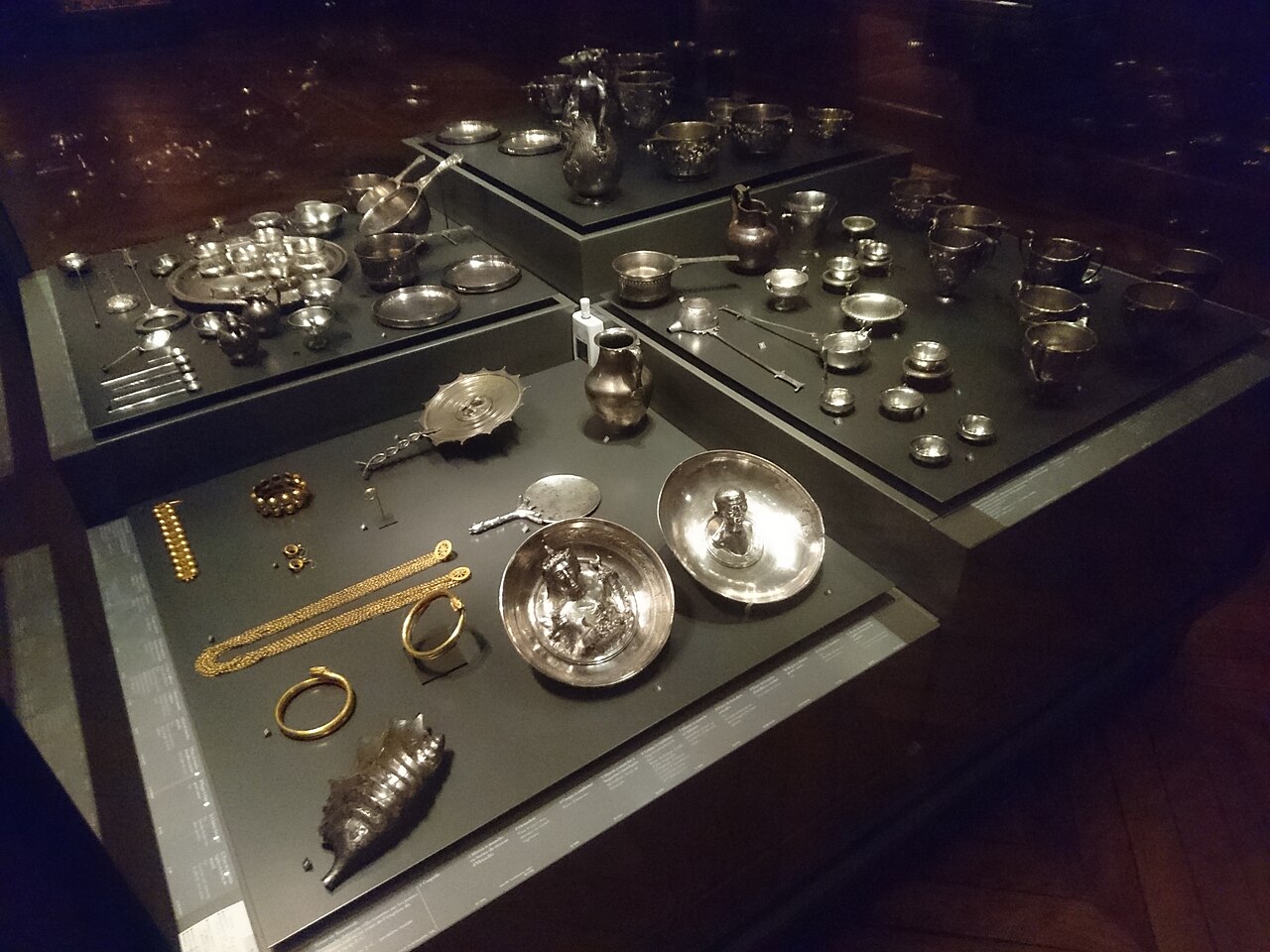
A hoard of over a hundred Roman silver and gold objects, including a cup showing Augustus receiving the submission of conquered peoples.
A silver cup from this hoard shows Augustus receiving submission from barbarians, reflecting his propaganda image.
About this source
What it is
The Boscoreale Treasure is a large hoard of Roman silverware, gold jewellery and coins found near Pompeii, buried by the eruption of Vesuvius. It is mostly kept at the Louvre Museum in Paris.
Among the pieces are two silver drinking cups showing scenes of Augustus receiving the surrender of foreign peoples and appearing among gods such as Venus and Mars, and another showing Tiberius in a triumphal procession.
Why it matters
The treasure shows how Roman elites used expensive tableware to display loyalty to the imperial family. The images of Augustus celebrate his military power and divine favour, revealing how his image was spread into private life, not just public monuments.
- Who would have owned and used cups like these, and why might they choose such imagery?
- What does showing Augustus with gods suggest about how he wanted to be seen?
- What does the treasure's survival (hidden before the eruption) tell us about the chaos of Pompeii's last days?
This artifact is part of the curated material that grounds the AI version of Augustus on Humy.ai — when students ask about related events, the AI can quote it and cite it.
More Augustus sources
Meet the AI Augustus →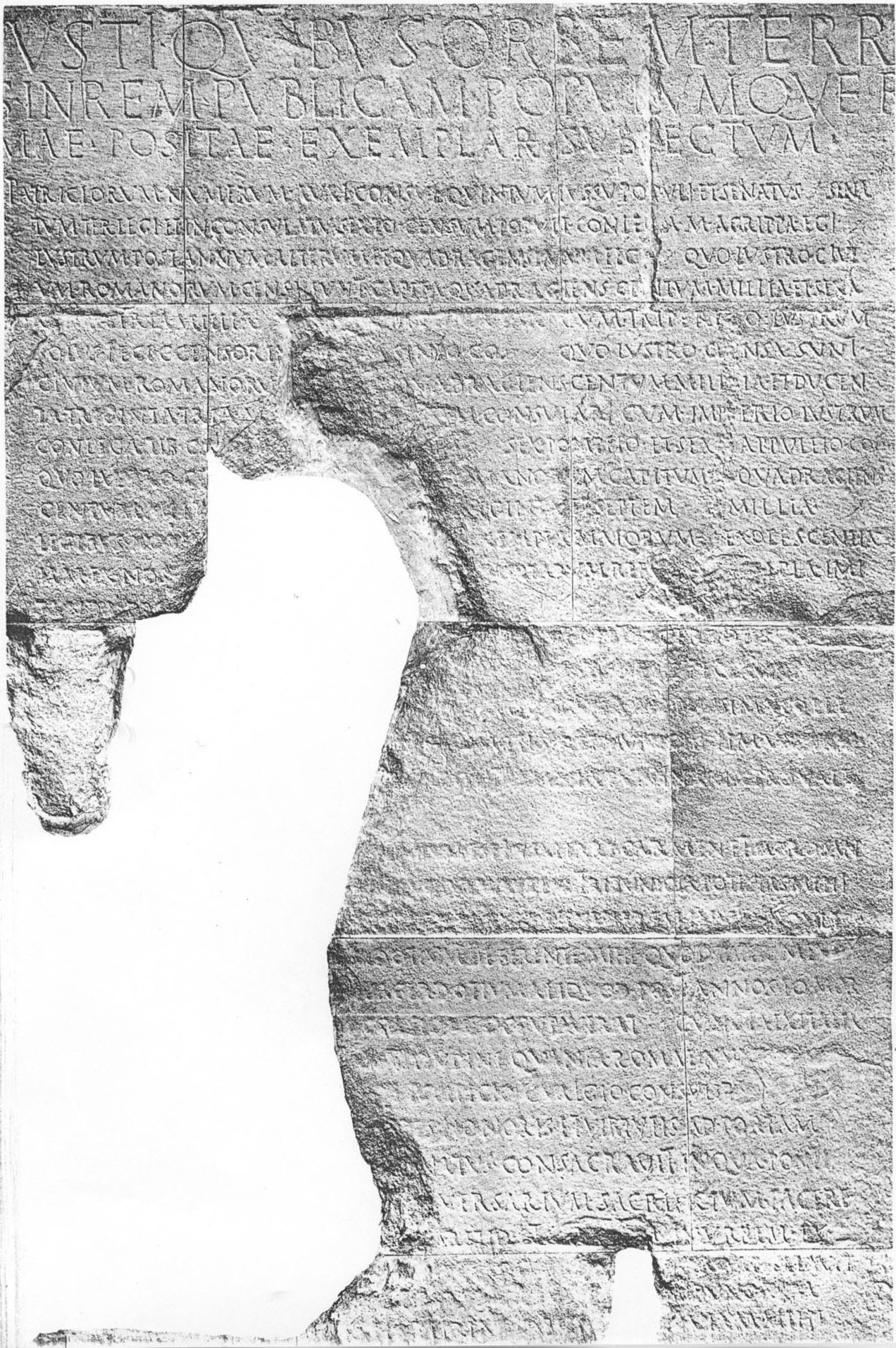 Document
Primary source
Res Gestae Divi Augusti
Augustus · 14 AD
 Painting
Secondary source
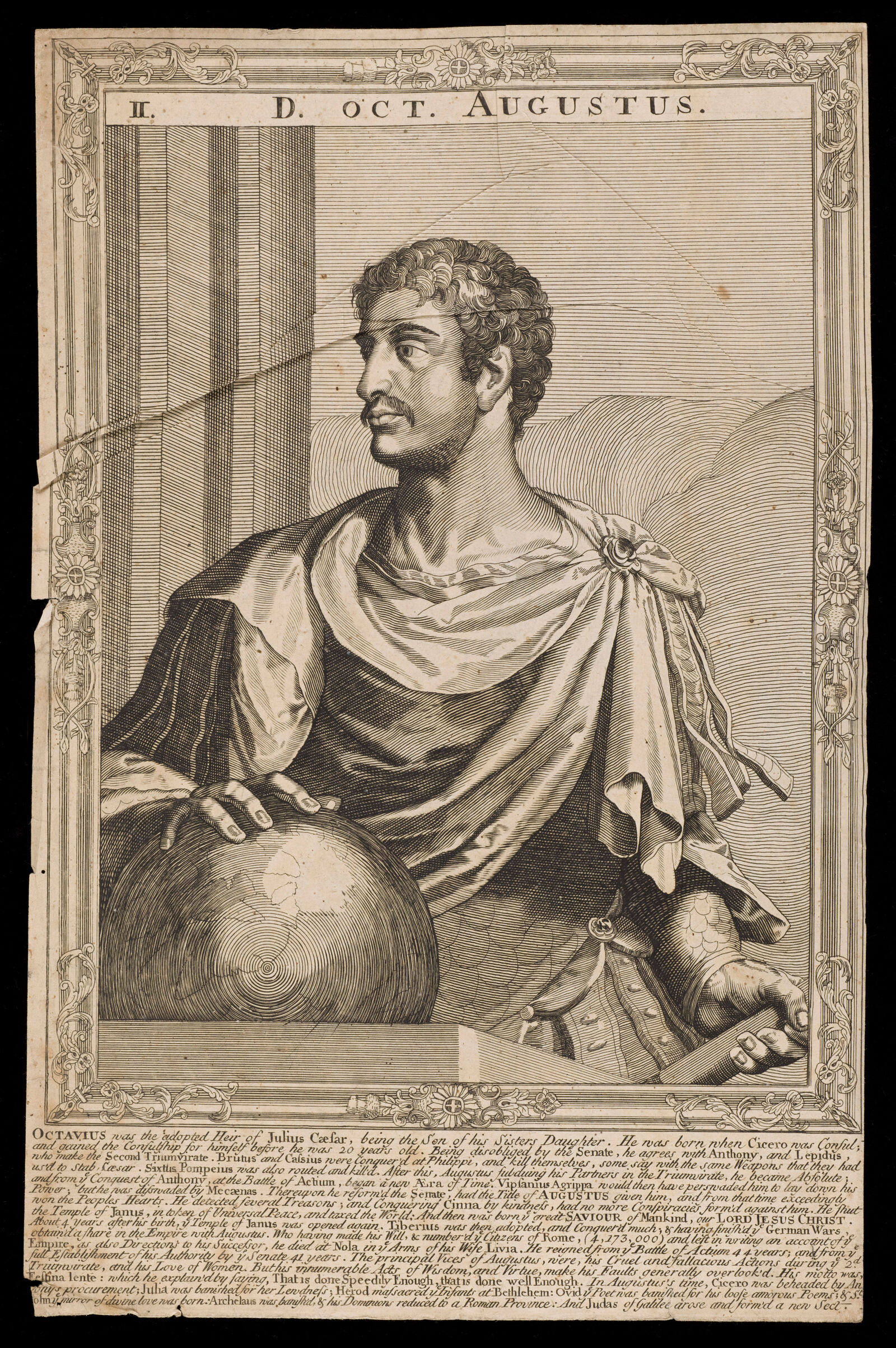
Emperor Augustus with Globe
After Titian (engraving by A. Sadeler, after Titian) · between 1700 and 1799 (possibly 17th century)
 Sculpture
Primary source
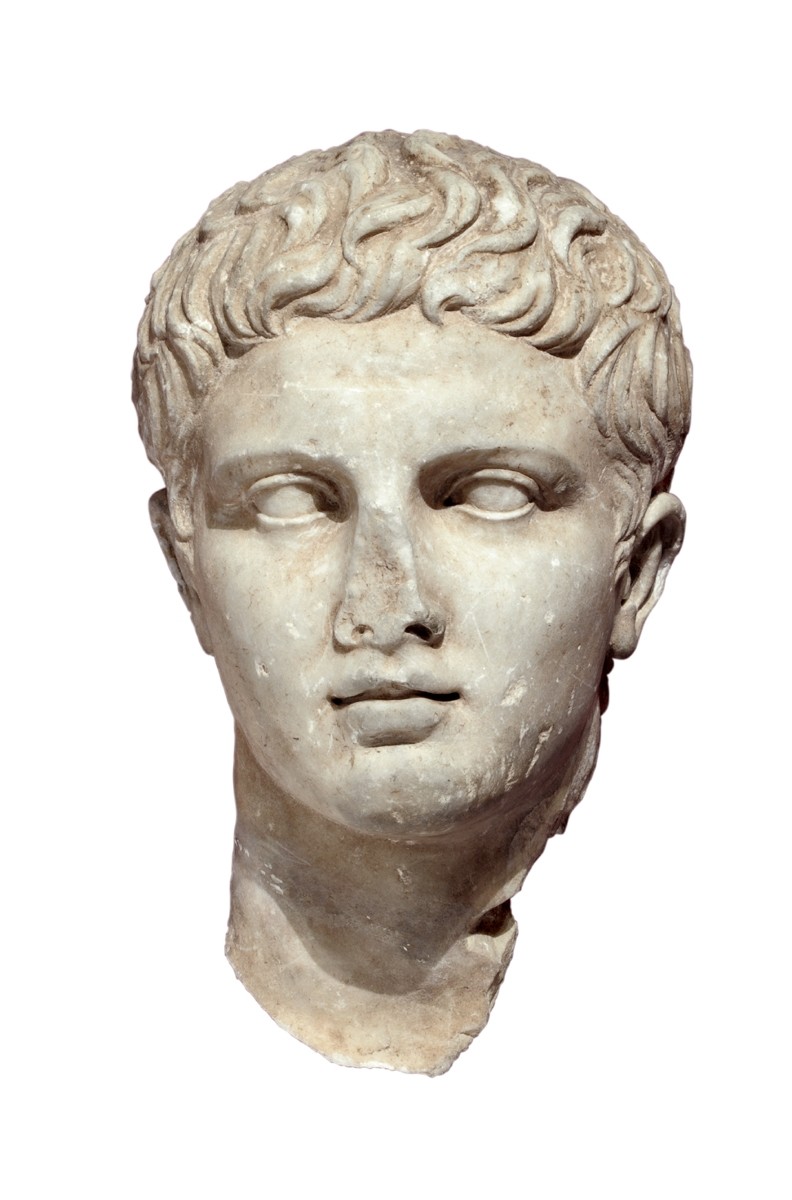
Relief Head of the Young Augustus
 Sculpture
Secondary source
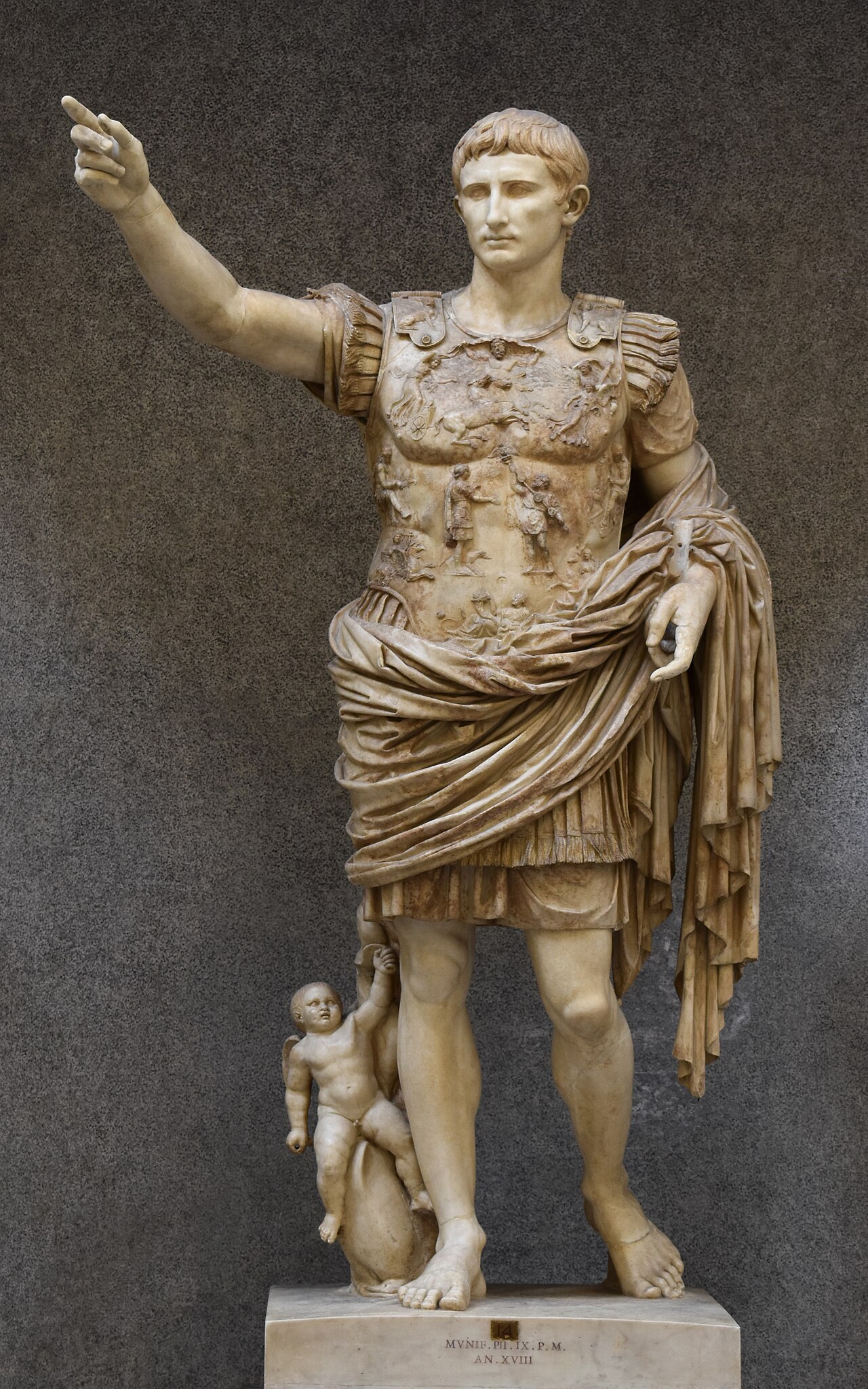
Augustus of Prima Porta
c. 19 BCE or later
 Artifact
Primary source
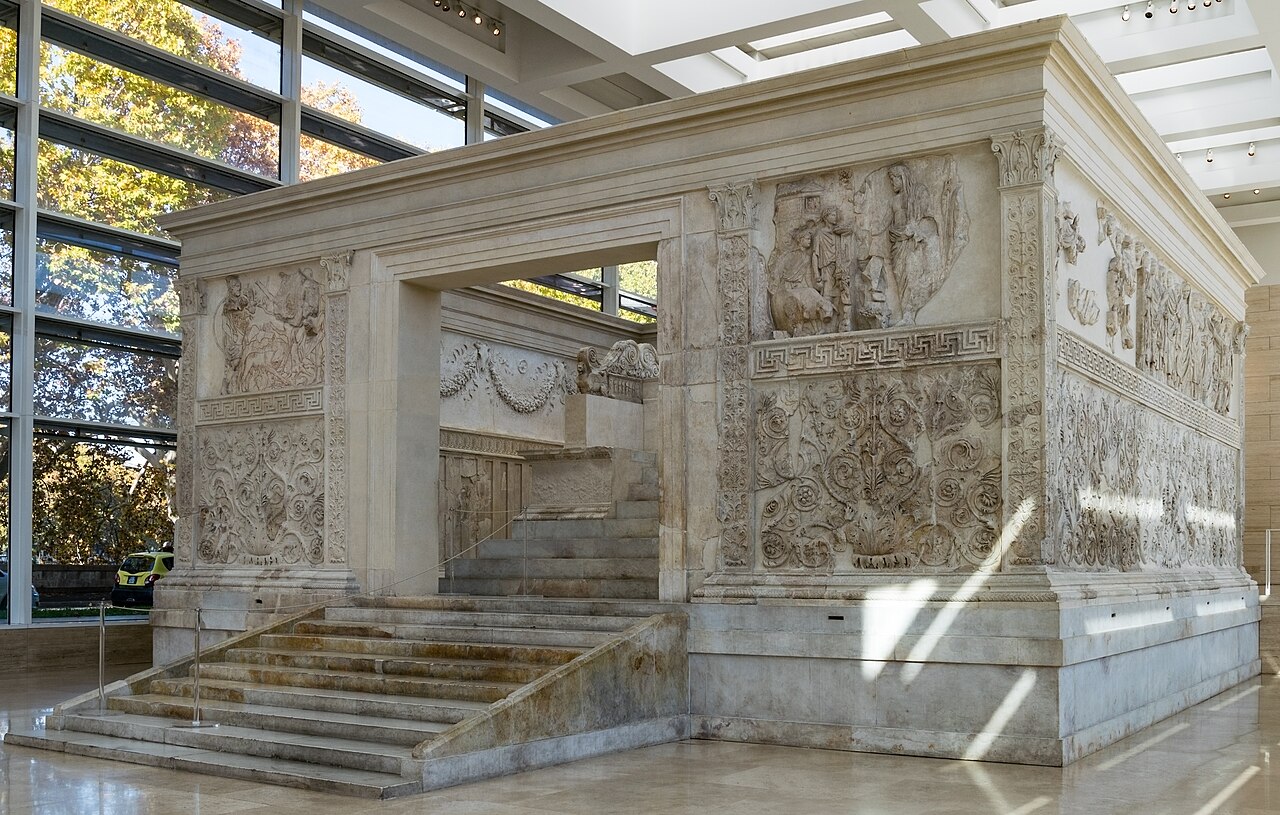
Ara Pacis
13-9 BCE
Ready when you are
Start chatting with Augustus now.
20 messages free · No credit card · Available in 50+ languages.