


Primary sourceArtifactAH 601-607 / 1204-10 CE
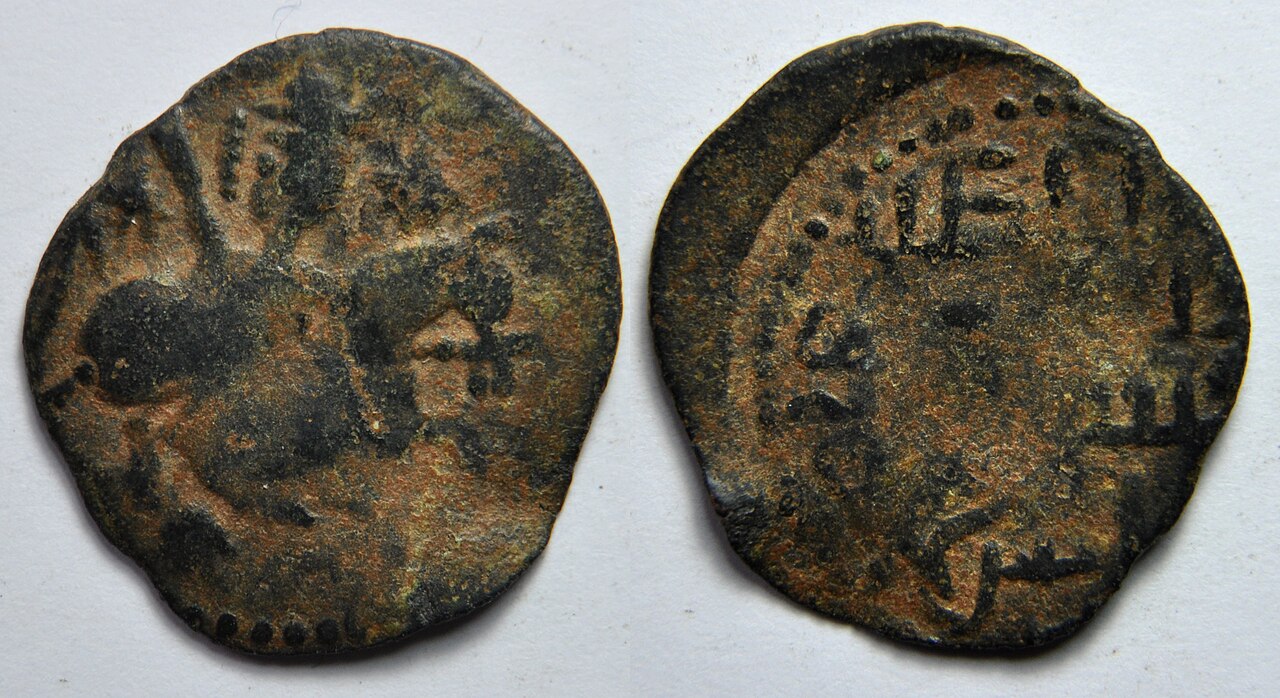
Bronze Fals of Ghiyath al-Din Kaykhusraw I
AH 601-607 / 1204-10 CE
A bronze coin struck under the Rum Seljuk sultan Kaykhusraw I, who ruled Anatolia during Rumi's lifetime.
This coin was minted under the Seljuk sultan who ruled Anatolia during Rumi's lifetime, showing the political context of his world.
About this source
What it is
This is a small bronze coin called a fals, issued under Ghiyath al-Din Kaykhusraw I, a Rum Seljuk sultan who ruled Anatolia during his second reign (AH 601-607 / 1204-10 CE). One side shows a mounted horseman with a lance and star-like marks, and the other carries a partly worn Arabic inscription. It is a numismatic artifact, photographed by a modern collector.
Why it matters
This coin was minted by the political power ruling the region where the poet Rumi lived and worked. It shows the kind of state and currency that shaped everyday life in Seljuk Anatolia, giving students a sense of the political world around Rumi, even though the coin does not depict or mention him directly.
Look closer
- What can the images and inscription on a coin tell us about who held power at the time?
- Why might rulers choose a horseman image for their coinage?
- What is lost or illegible on this coin, and how does that affect what we can learn from it?
This artifact is part of the curated material that grounds the AI version of Rumi (Jalāl ad-Dīn Muhammad Rūmī) on Humy.ai — when students ask about related events, the AI can quote it and cite it.
More Rumi (Jalāl ad-Dīn Muhammad Rūmī) sources
Meet the AI Rumi (Jalāl ad-Dīn Muhammad Rūmī) →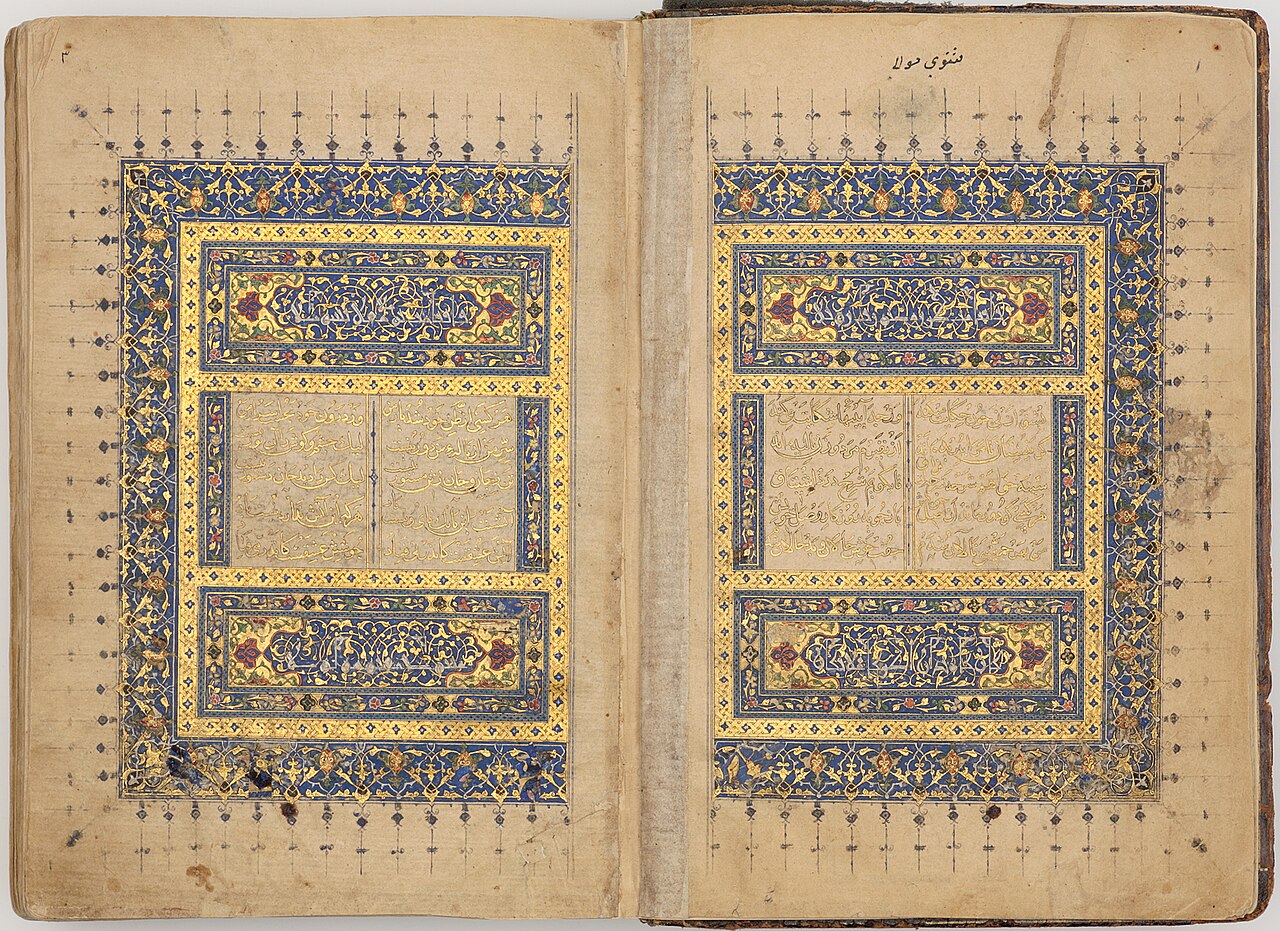 Book
Primary source
Masnavi
Rumi · c. 1258-1273
 Book
Primary source
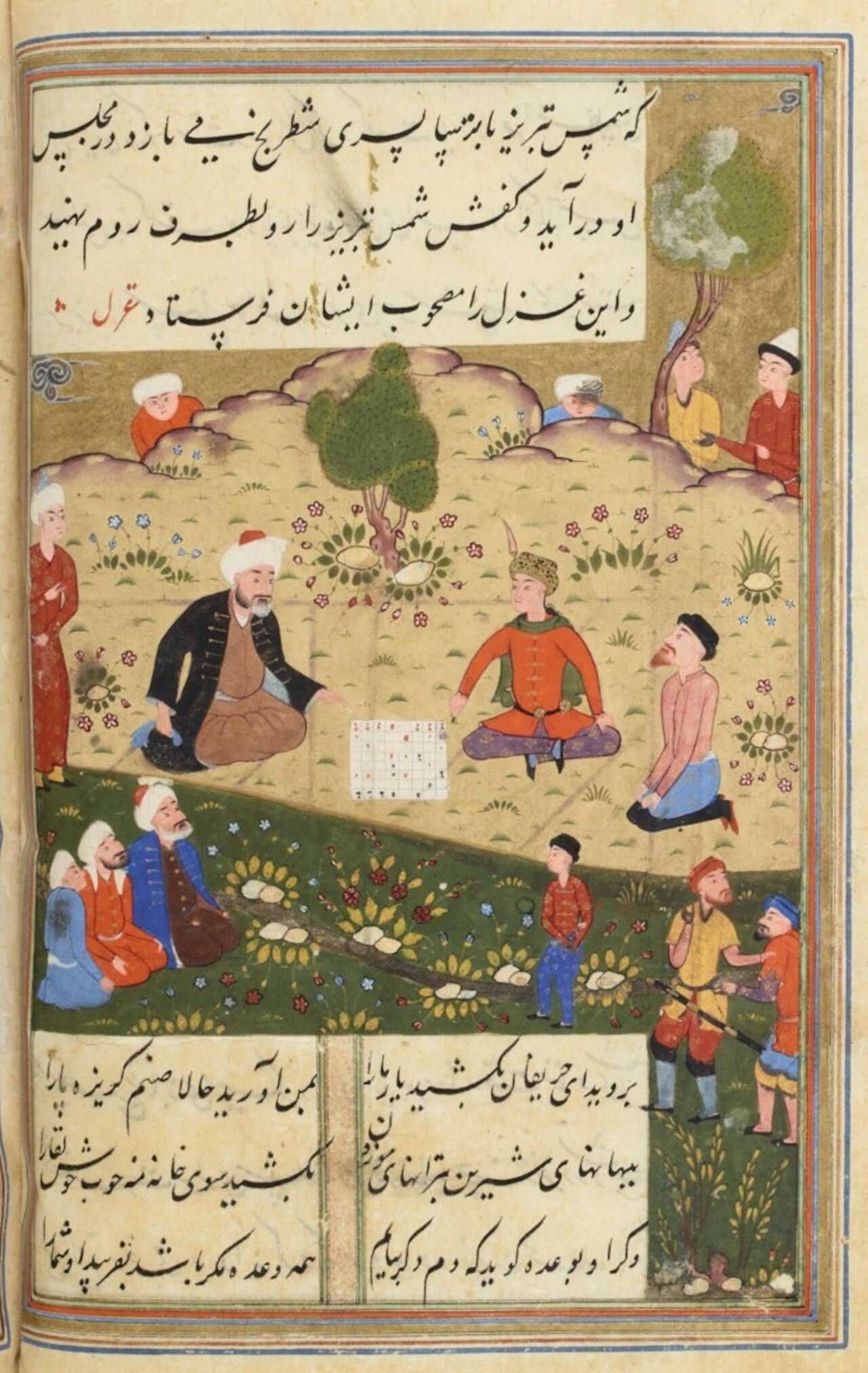
Diwan-e Shams-e Tabrizi
Rumi · c. 1247 onward
 Artifact
Secondary source
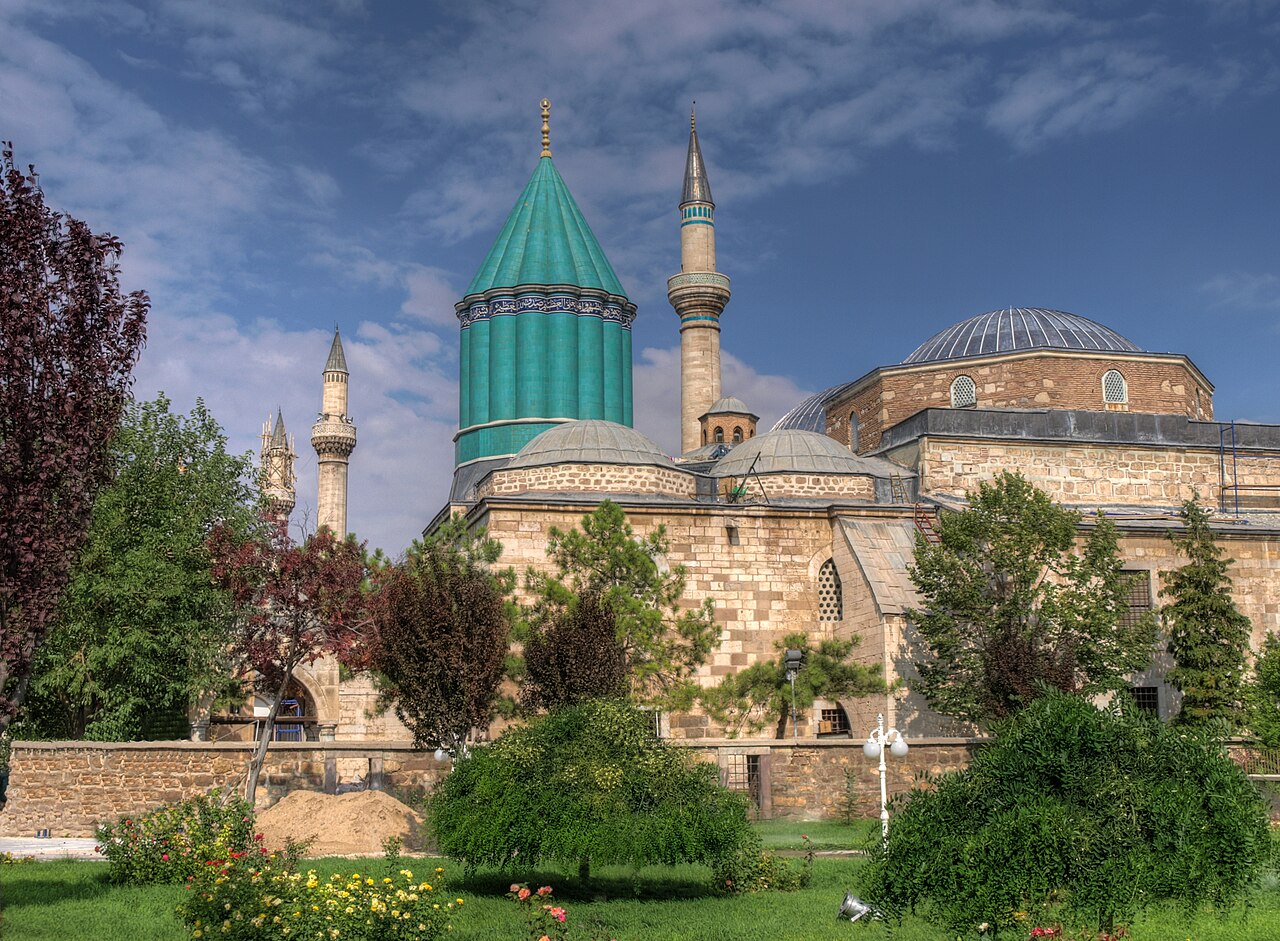
Grave of Rumi
soon after 1273
 Book
Primary source
Fihi Ma Fihi
Rumi · c. 1260-1273
 Artifact
Secondary source
Mevlâna Museum
Badr al-Din Tabrizi (architect) · built soon after 1273; museum since 1926
Ready when you are
Start chatting with Rumi (Jalāl ad-Dīn Muhammad Rūmī) now.
20 messages free · No credit card · Available in 50+ languages.