


Secondary sourceSculpture14th century CE
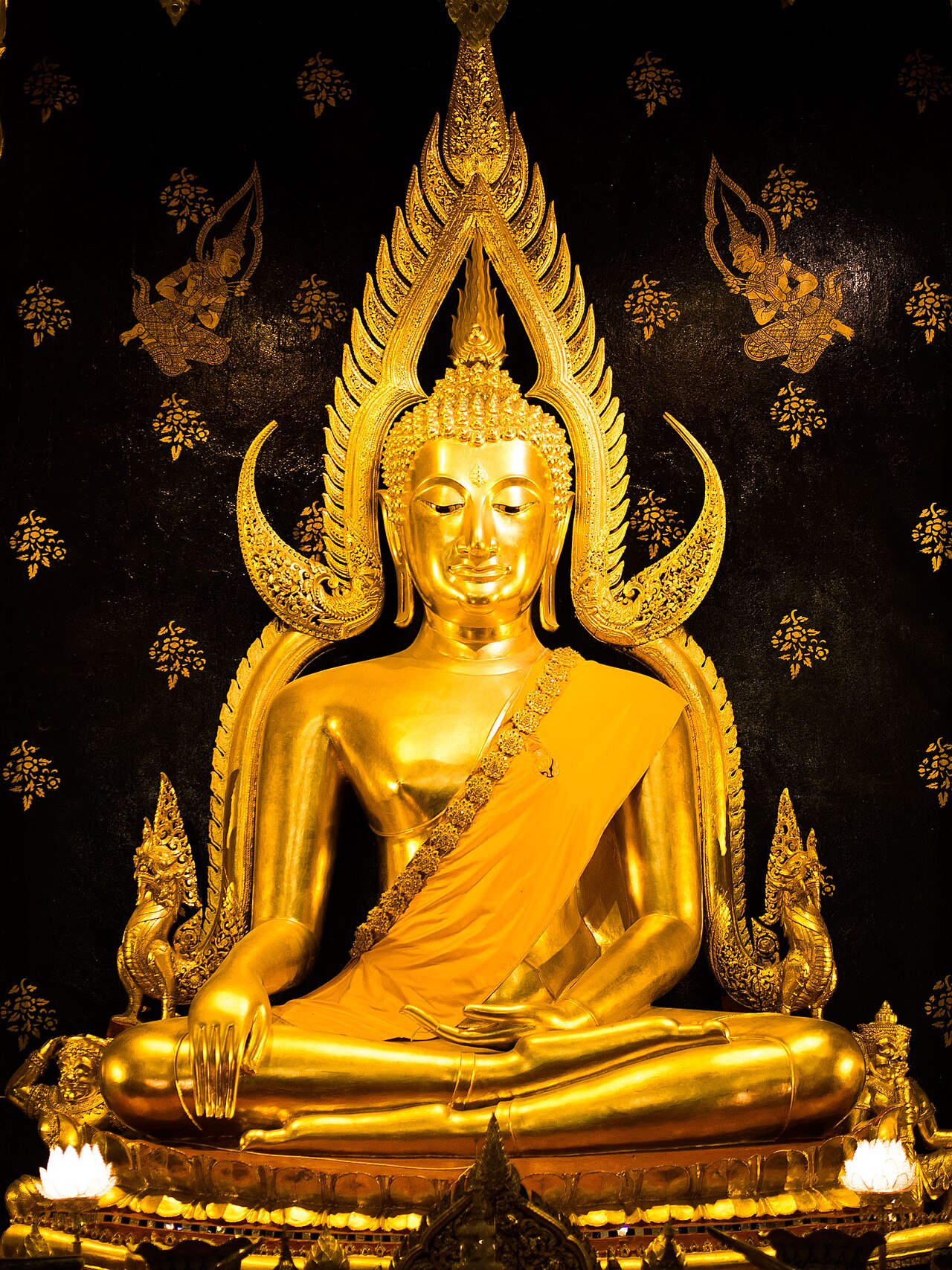
Buddha Jinnaraja
14th century CE
A 14th-century gilded bronze statue of the meditating Buddha in Sukhothai style, regarded as one of the most beautiful Buddha images in Thailand.
This revered bronze image depicts the Buddha in meditation, reflecting devotion to him centuries after his lifetime.
About this source
What it is
This gilded bronze statue shows the Buddha seated in meditation, dated to the 14th century in the Sukhothai artistic style. It is kept at Wat Phra Si Rattana Mahathat in Phitsanulok, Thailand, where it is known as the Phra Buddha Chinnarat.
Why it matters
The statue is considered by many to be the most beautiful image of the Buddha in Thailand, showing the high level of skill reached by Sukhothai-era artists working nearly two thousand years after the Buddha's life. Its flame-shaped halo and flanking naga serpents reflect how Thai Buddhist art combined the Buddha's image with local symbols of protection and power.
Look closer
- What do the serpent figures flanking the statue suggest about how the Buddha was honored in this culture?
- Why might this particular image have become so famous compared to others?
- What choices did the artist make to create a feeling of calm and holiness?
This sculpture is part of the curated material that grounds the AI version of Buddha on Humy.ai — when students ask about related events, the AI can quote it and cite it.
More Buddha sources
Meet the AI Buddha →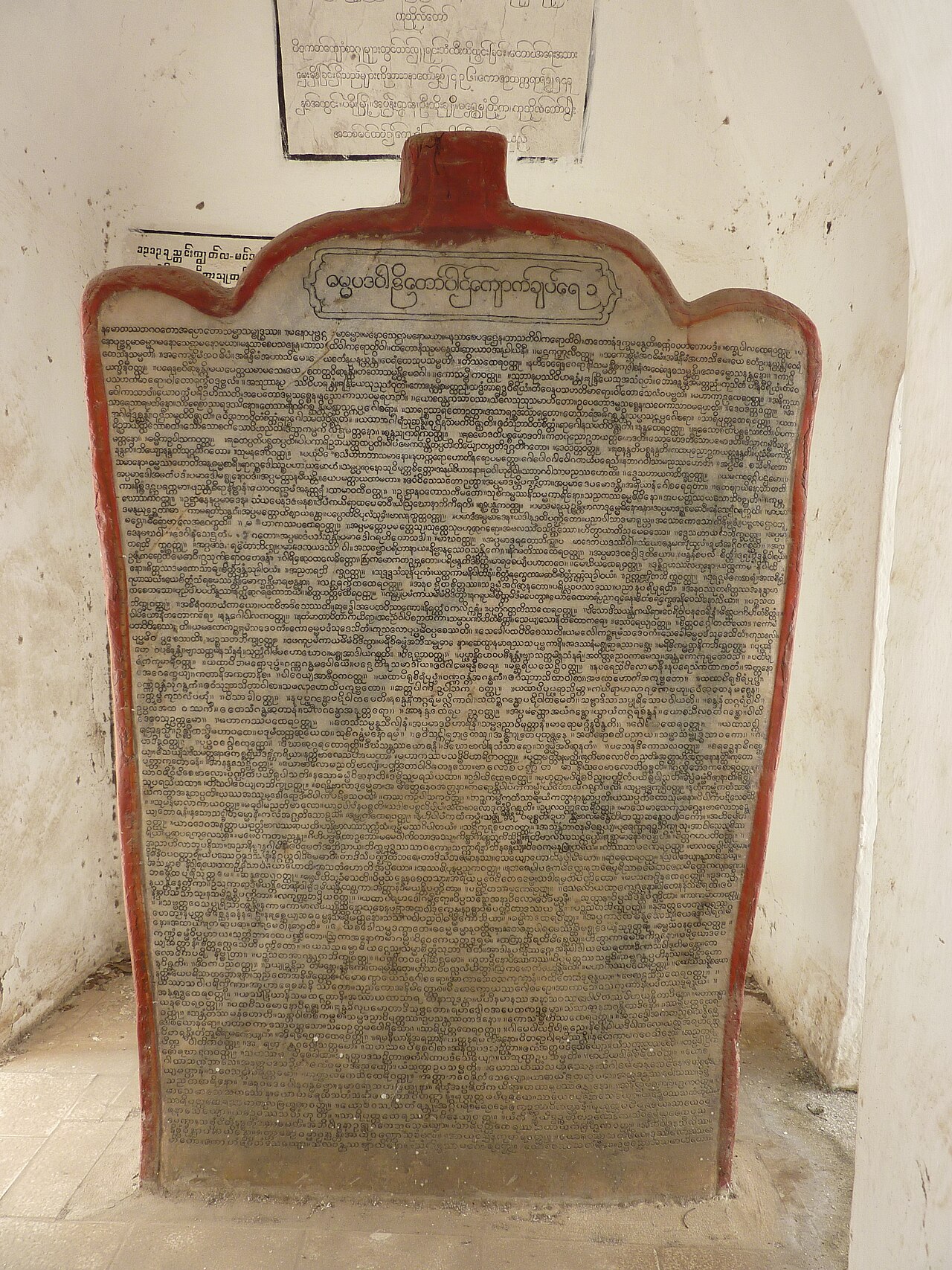 Book
Secondary source
Dhammapada
Attributed to the Buddha · c. 3rd century BCE compilation
 Painting
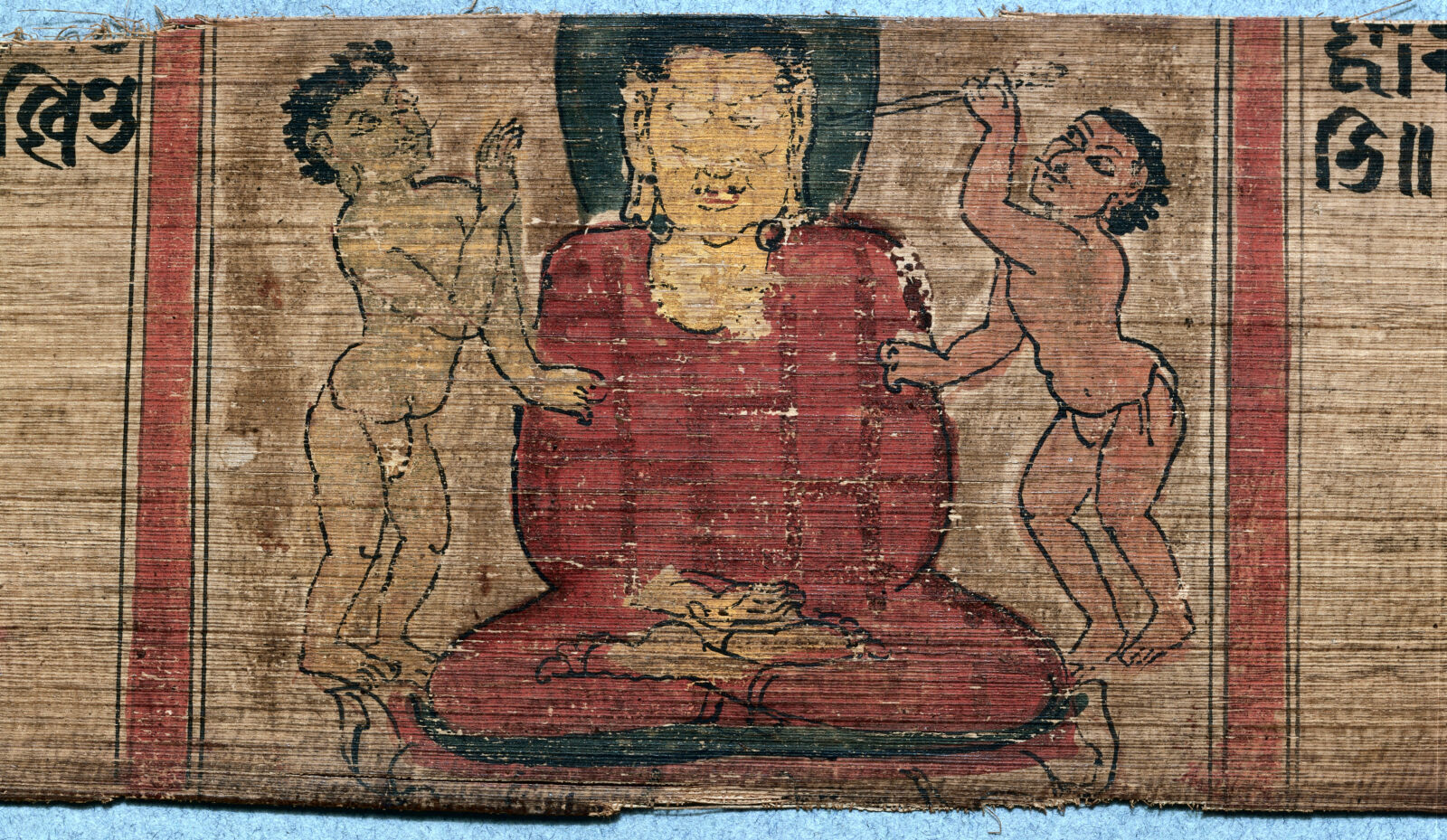
Secondary source
Buddha in Dhyana, Perfection of Wisdom Sutra Manuscript
1074
 Sculpture
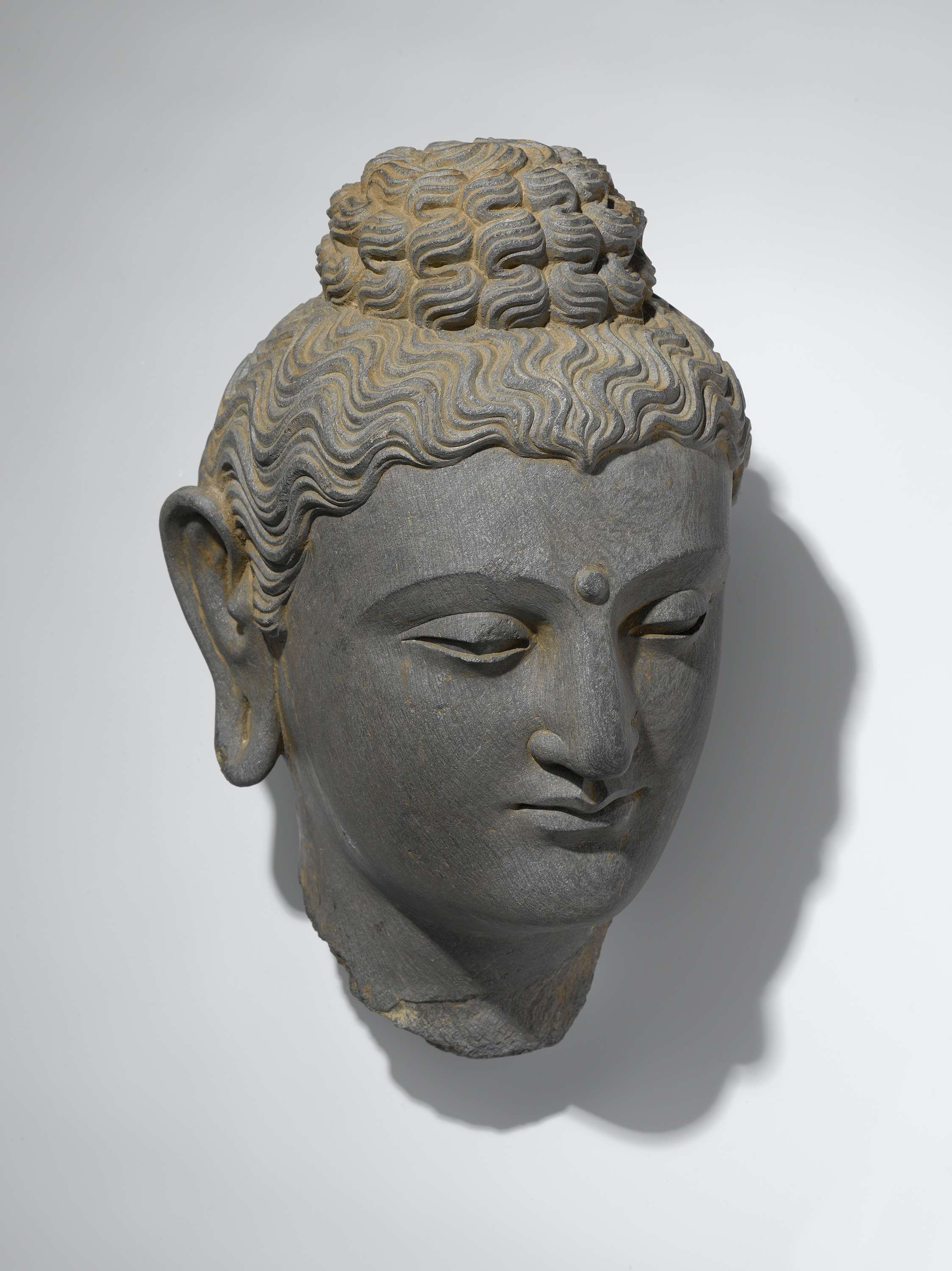
Secondary source
Head of the Buddha, Gandhara style
 Book
Secondary source
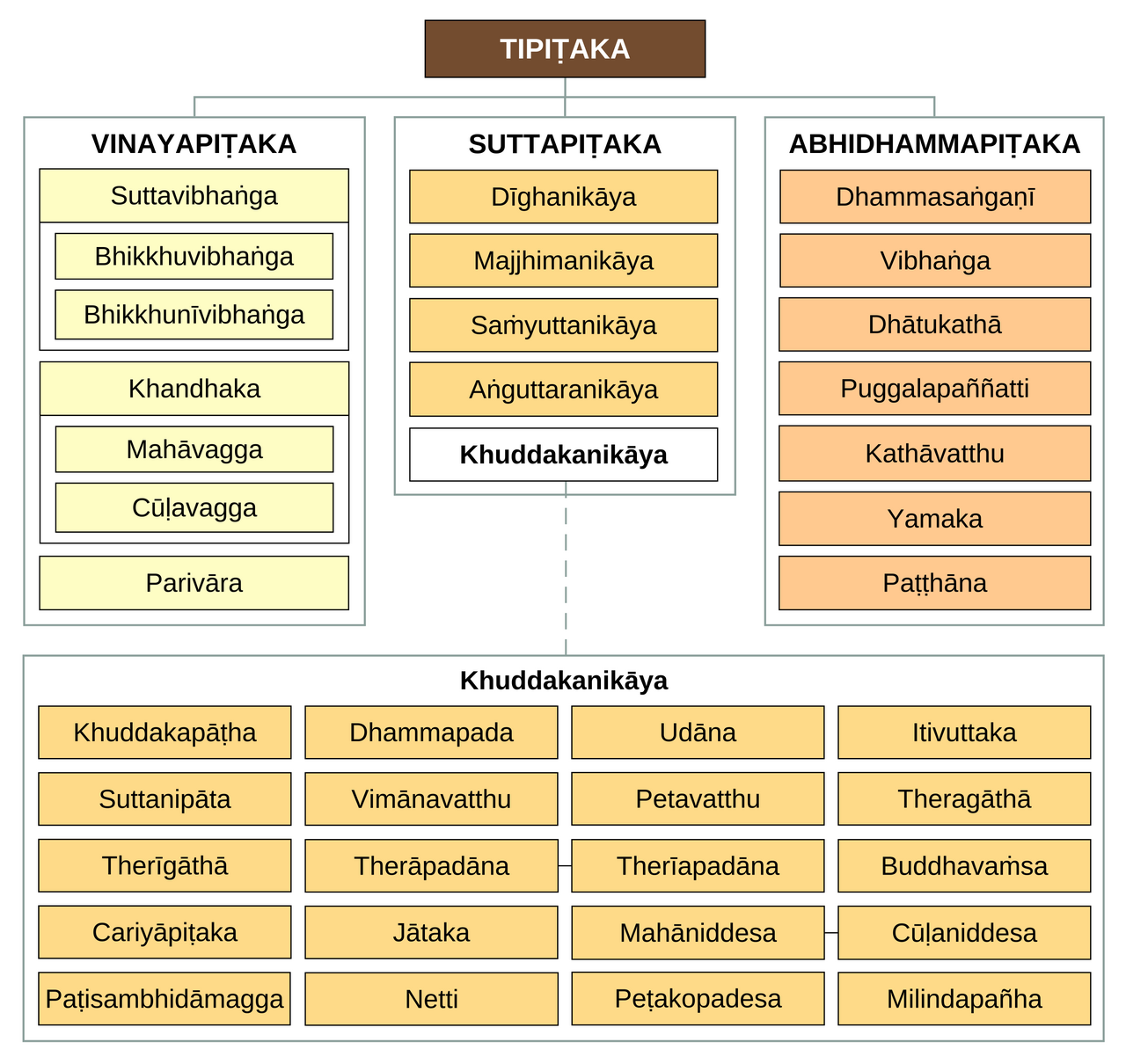
Pali Canon (Tipitaka)
Early Buddhist sangha · oral from 5th century BCE; written c. 29 BCE
 Document
Secondary source
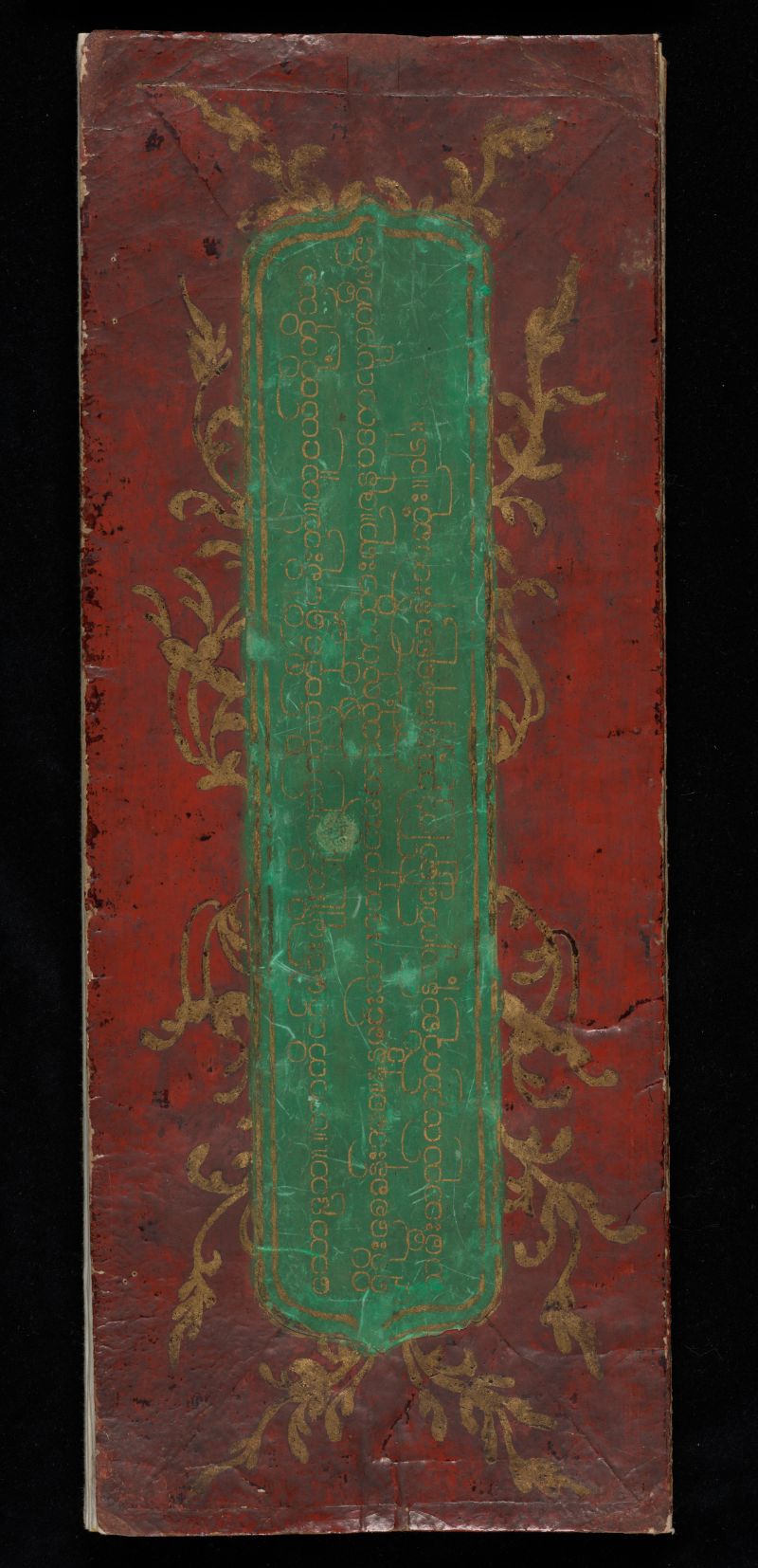
Life of the Buddha
19th century
Ready when you are
Start chatting with Buddha now.
20 messages free · No credit card · Available in 50+ languages.